Industrial Applications and Properties of nacn h2o Guide
Comprehensive Guide to nacn h2o: Industrial Applications and Properties
In the complex landscape of industrial chemistry, specific compounds play pivotal roles in ensuring the efficiency of manufacturing processes. The compound nacn h2o is a critical chemical agent used across various sectors, including gold mining, metal plating, and organic synthesis. Understanding its physicochemical properties and handling protocols is essential for plant managers and chemical engineers to optimize production yields while maintaining strict safety standards. This guide provides an in-depth analysis of its utility in the modern chemical industry.

Chemical Characteristics of nacn h2o
The compound nacn h2o is characterized by its high reactivity and solubility. In industrial settings, it is often utilized in aqueous solutions where it acts as a powerful complexing agent. Its ability to form stable complexes with various transition metals makes it indispensable for leaching processes and surface treatment. Precision in concentration is key to preventing unwanted side reactions and ensuring the purity of the final product in chemical manufacturing.
Core Property: High solubility in water and strong coordination ability with metal ions, which facilitates efficient extraction in metallurgical processes.
Industrial Role of nacn h2o in Metal Extraction
One of the most prominent uses of nacn h2o is in the extraction of precious metals. In gold and silver mining, it serves as the primary leaching agent. By forming a soluble complex with the metal, it allows for the efficient separation of the precious metal from the surrounding ore. This process requires strict pH control to avoid the release of hazardous gases, emphasizing the need for high-purity raw materials supplied by professional chemical manufacturers.
Comparative Analysis of nacn h2o vs Alternative Agents
When selecting a chemical agent for metal processing, engineers often compare nacn h2o with other alternatives like thiosulfates or chlorides. While alternatives may offer different environmental profiles, the efficiency and speed of the cyanide-based process remain unmatched for high-yield operations. The table below illustrates the performance metrics between these agents.
Quality Specifications of nacn h2o
Maintaining a consistent grade of nacn h2o is vital for ensuring the predictability of chemical reactions. Impurities in the raw material can lead to catalyst poisoning or reduced extraction efficiency. High-grade industrial supplies are typically tested for purity and moisture content to meet international trade standards.

Safety Protocols for Handling nacn h2o
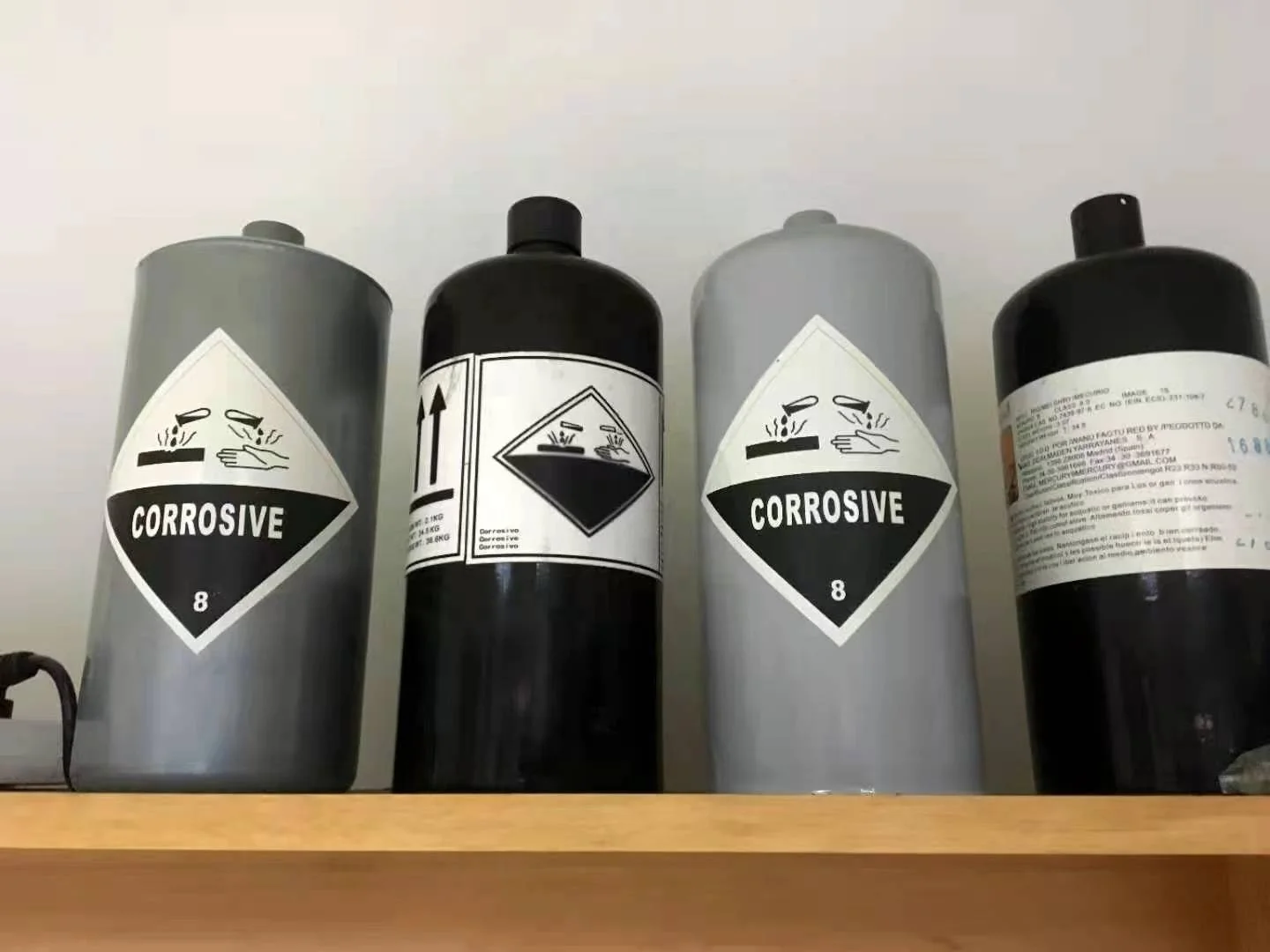
Due to the high toxicity of nacn h2o, rigorous safety measures are mandatory. Personnel must use Personal Protective Equipment (PPE), including acid-resistant gloves, face shields, and specialized respirators. Storage facilities must be well-ventilated and isolated from acids to prevent the formation of hydrogen cyanide gas. Proper training and emergency response kits are required in any facility handling this chemical to mitigate risks of accidental exposure.
Environmental Management and Waste Treatment
The environmental footprint of using nacn h2o is a major consideration for modern manufacturers. To comply with global environmental regulations, waste streams containing this compound must undergo detoxification. Common methods include alkaline chlorination or the use of sulfur dioxide and air to break down the cyanide complexes into harmless carbonates and nitrogen. Implementing a closed-loop system can significantly reduce the amount of waste generated.
Conclusion: Optimizing Industrial Yields with nacn h2o
The strategic use of nacn h2o provides undeniable advantages in efficiency and cost-effectiveness for the metallurgy and chemical industries. By adhering to strict quality specifications and implementing rigorous safety and environmental protocols, companies can maximize their production output while ensuring sustainable operations. For high-quality chemical raw materials, choosing a reliable partner is the first step toward industrial excellence.
Frequently Asked Questions (FAQs)
How should nacn h2o be stored safely?
Storage of nacn h2o must occur in a cool, dry, and well-ventilated area. It is imperative to store it in tightly sealed containers made of compatible materials. Most importantly, it must be kept strictly away from acidic substances, oxidizing agents, and moisture. Acids can react with the compound to release highly toxic hydrogen cyanide gas, which is lethal. Access to storage areas should be restricted to trained personnel only, and the area should be equipped with cyanide detection sensors.
What is the primary advantage of using nacn h2o in gold mining?
The primary advantage of nacn h2o is its exceptional ability to selectively complex gold and silver ions in an aqueous environment. This allows for the extraction of precious metals from low-grade ores where other chemicals would be inefficient or too costly. Its high reaction rate significantly reduces the time required for the leaching process, thereby increasing the overall throughput of the mining operation and reducing operational costs per ounce of metal recovered.
How is the purity of nacn h2o verified?
The purity of nacn h2o is typically verified using argentometric titration or high-performance liquid chromatography (HPLC). Titration allows for a precise measurement of the cyanide content by reacting it with silver nitrate. Additionally, moisture content is measured using loss-on-drying (LOD) tests. Quality assurance laboratories provide a Certificate of Analysis (COA) with each batch, ensuring that the product meets the necessary industrial specifications for the intended application.
What are the environmental alternatives to cyanide-based agents?
While nacn h2o is highly efficient, some industries are exploring thiosulfate, glycine, or chloride-based leaching systems to reduce environmental risks. Thiosulfate is often viewed as a more eco-friendly alternative, though it typically suffers from lower recovery rates and higher reagent consumption. The choice between these agents depends on the ore mineralogy and the specific environmental regulations of the operating region. Many companies now use a combination of high-efficiency agents and advanced detoxification plants to balance yield and sustainability.