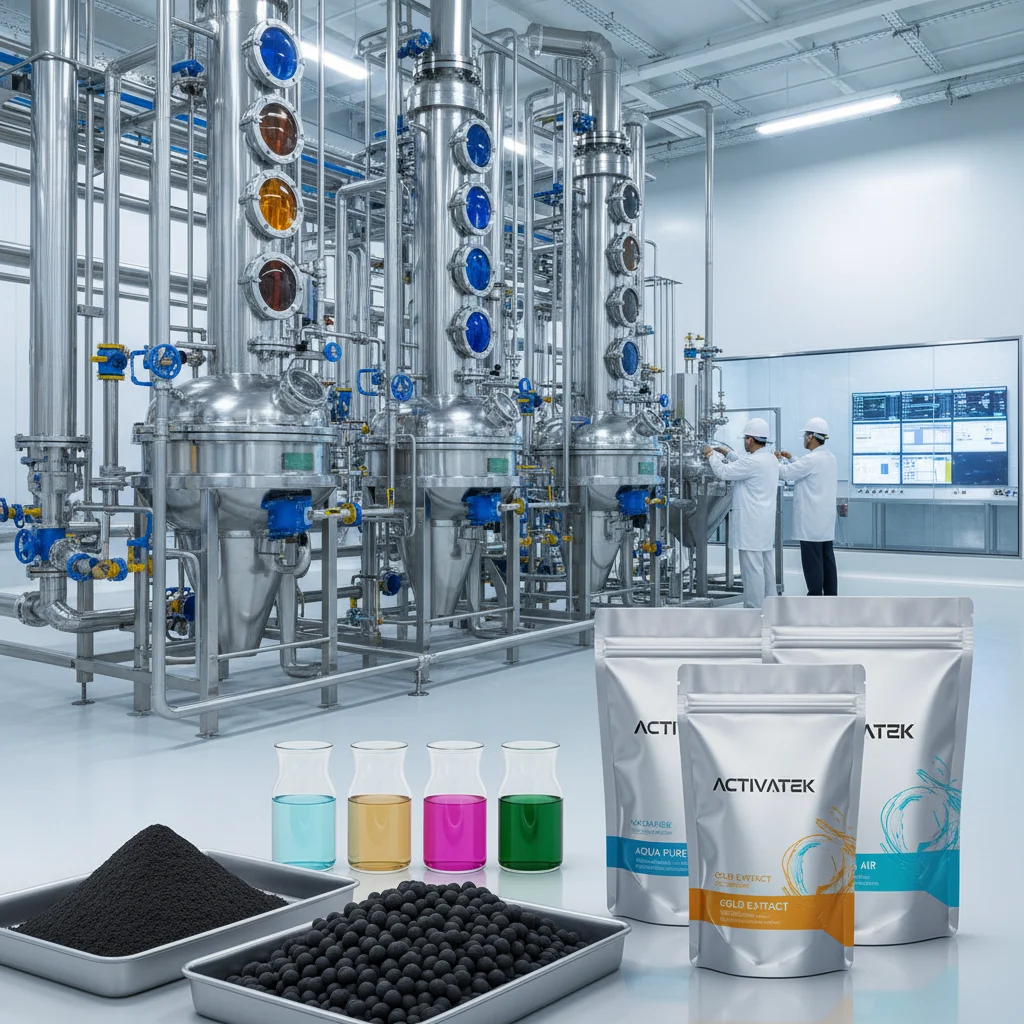
Factors Influencing Industrial Activated Carbon Powder Price Guide
Analyzing the Activated Carbon Powder Price: A Comprehensive Guide
Finding the right balance between quality and cost is essential when sourcing industrial adsorbents. The activated carbon powder price can fluctuate based on several market variables, including raw material availability, production technology, and purity levels. Whether you are treating wastewater, purifying chemicals, or enhancing food and beverage products, understanding the pricing structure helps in making informed procurement decisions. In this guide, we will explore the factors that influence costs and how to identify a high-value supplier for your specific industrial needs.

Factors Influencing the Activated Carbon Powder Price
Several core elements determine the final market cost of this versatile material. First, the raw material (such as coconut shell, coal, or wood) significantly impacts the base cost. Coconut-based powders often command a premium due to their superior micropore structure. Second, the activation method—whether chemical or steam activation—affects the energy consumption and final price. Additionally, the particle size distribution and iodine value (a measure of adsorption capacity) play a critical role. A higher iodine value typically indicates a more efficient product, which justifies a higher activated carbon powder price due to the increased processing time and quality control involved.
Pro Tip: When comparing prices, always check the Iodine Value. A cheaper powder with low adsorption capacity will actually cost more in the long run because you will need to use a larger volume to achieve the same result.
Comparing Different Grades and Their Impact on Price
Not all activated carbons are created equal. The choice between industrial grade and food/pharmaceutical grade can lead to a vast difference in the activated carbon powder price. Food-grade products require rigorous purification to remove ash and heavy metals, increasing the manufacturing cost. Below is a comparison table to help you understand how different grades vary in terms of application and pricing trends.
How Bulk Orders Affect the Activated Carbon Powder Price
Economies of scale are highly prevalent in the chemical industry. When purchasing in bulk—such as multi-ton shipments—the per-unit activated carbon powder price drops significantly. This is due to reduced packaging costs and optimized logistics. For large-scale municipal water treatment plants or industrial factories, negotiating long-term supply contracts can stabilize costs against the volatility of raw material prices. It is advisable to forecast annual needs to leverage better pricing tiers from manufacturers.

Technical Specifications and Quality Standards
To truly understand the value behind the price, one must look at the technical data sheet. High-quality powder is characterized by a high surface area and a specific pore size distribution (micropores, mesopores, and macropores). The following table outlines the standard specifications that justify a professional activated carbon powder price for high-performance applications.
Environmental Impact and Market Trends on Pricing
Sustainability is becoming a major driver in the chemical market. The shift toward "green" activated carbons—those produced from agricultural waste rather than coal—is influencing the activated carbon powder price. While eco-friendly production methods may sometimes have higher initial costs, they offer long-term benefits in terms of regulatory compliance and corporate social responsibility. Furthermore, as global demand for water purification rises in developing nations, we expect a more competitive pricing landscape as production capacity expands worldwide.
Choosing the Best Supplier for Your Budget
When searching for the best activated carbon powder price, avoid the trap of choosing the cheapest option available. A low-quality product may lead to frequent replacements, higher dosage requirements, and potential contamination of your final product. Instead, focus on suppliers who provide transparent technical specifications, certificates of analysis (CoA), and sample testing. A reliable partner will help you optimize your dosage, which ultimately reduces your operational expenditure more effectively than a low unit price would.
Conclusion: Maximizing Value in Carbon Procurement
Understanding the activated carbon powder price requires a holistic view of material quality, grade, and order volume. By focusing on the iodine value and purity rather than just the cost per kilogram, businesses can ensure a more efficient purification process and lower overall costs. Whether you require industrial-grade powder for wastewater or high-purity carbon for pharmaceuticals, choosing a professional supplier ensures that your investment yields the best possible performance. Quality is the most sustainable way to save money.
Frequently Asked Questions (FAQs)
Why does the activated carbon powder price vary so much between suppliers?
The variation in price is primarily due to the quality of raw materials and the precision of the activation process. Some suppliers use low-cost coal with higher ash content, which reduces the effective surface area and lowers the price. Others use premium coconut shells and advanced steam activation to create a highly porous structure with a high iodine value. Additionally, certification costs (such as ISO or food-grade certifications) and logistics capabilities contribute to the price difference. When evaluating prices, always request a technical specification sheet to ensure you are comparing equivalent products.
How can I reduce my overall spending on activated carbon powder?
The most effective way to reduce spending is to optimize the adsorption efficiency. By selecting a powder with a higher iodine value, you can often use a smaller amount of material to achieve the same purification result, effectively lowering your cost per liter of treated fluid. Furthermore, ordering in bulk and establishing long-term contracts with a manufacturer like SDJZ Chem can protect you from market price spikes and reduce shipping costs. Finally, ensuring proper storage to prevent moisture absorption will maintain the product's potency and prevent waste.
Does the particle size affect the activated carbon powder price?
Yes, particle size can influence the cost. Extremely fine powders require more intensive grinding and screening processes to ensure a uniform mesh size, which can slightly increase the production cost. However, the main driver is how the size affects the application. For instance, very fine powder provides a faster reaction rate due to the increased surface area contact, which is highly valued in rapid decolorization processes. Suppliers typically offer a range of standard mesh sizes, and choosing the one that perfectly matches your filtration equipment prevents product loss and optimizes your budget.
Is coconut shell powder always more expensive than coal-based powder?
Generally, yes. Coconut shell activated carbon is prized for its high density of micropores, making it exceptionally efficient at removing small molecules and odors. The raw material is also more specialized and subject to different harvest cycles compared to coal. While coal-based powder is an excellent and cost-effective choice for larger molecule removal in industrial wastewater, the superior purity and performance of coconut-based powder justify its higher price point for air purification, gold recovery, and food-grade applications.