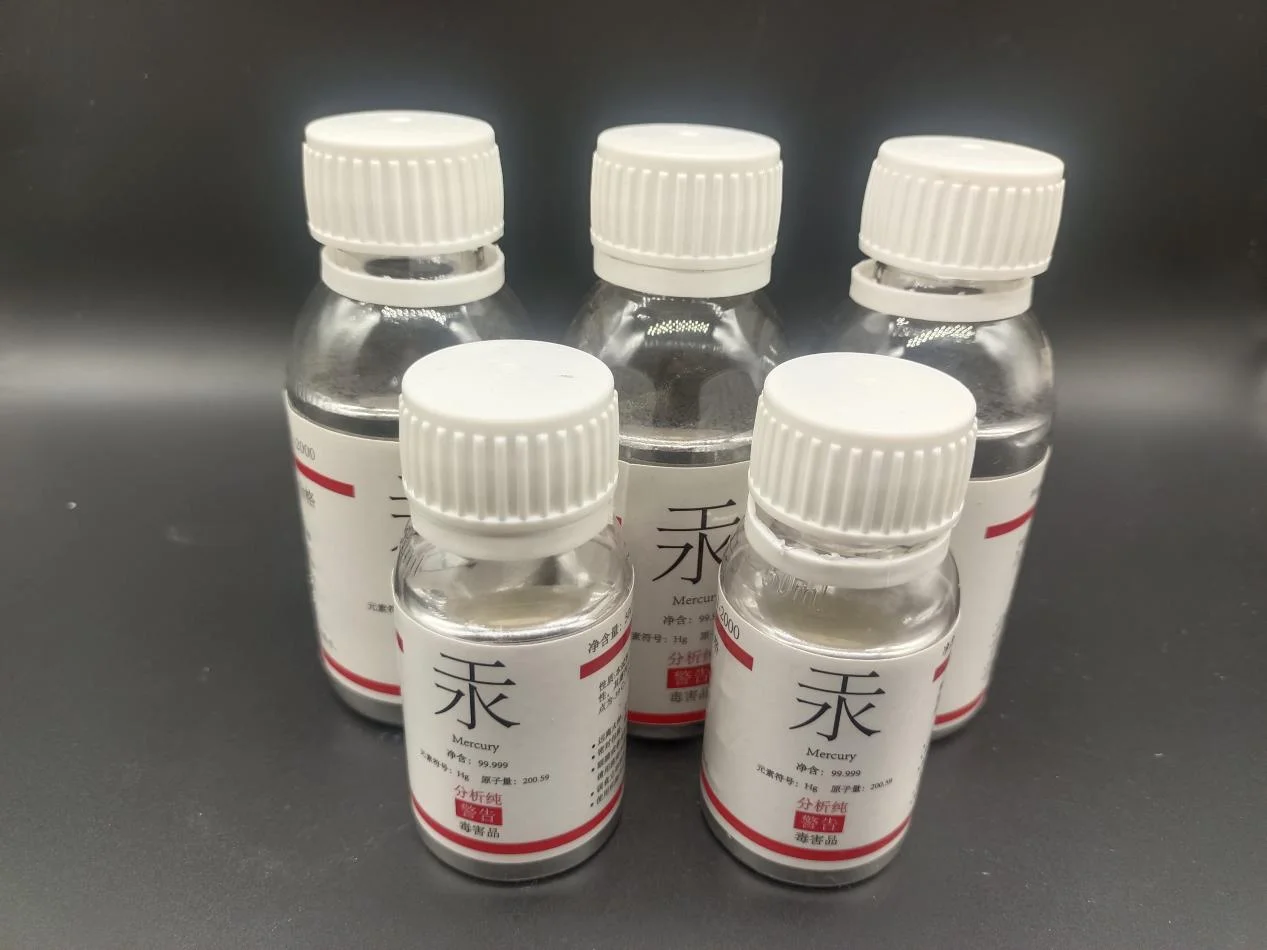
In the complex landscape of modern chemical manufacturing, finding a reliable source for high-purity organic acids is paramount for maintaining product stability and safety. While various identifiers like cas 7439 97 6 are often discussed in chemical circles, the focus for food-grade applications remains squarely on high-performance Citric Acid Monohydrate. This essential component serves as the backbone for acidity regulation and preservation across global food and industrial supply chains.
The global demand for high-purity citric acid is driven by the rigorous standards of the beverage, pharmaceutical, and water treatment industries. Achieving a purity level of ≥99.5% is not merely a technical goal but a necessity to ensure the absence of heavy metals and off-flavors that could compromise end-user safety. By leveraging advanced biological fermentation, manufacturers can now provide a sustainable and non-toxic solution that meets the most stringent international food safety protocols.
Understanding the nuances of different chemical grades—ranging from food-grade to industrial-grade—allows production managers to optimize their cost-performance ratio without sacrificing efficacy. Whether utilized as a biodegradable chelating agent for scale removal or a mild souring agent in culinary arts, the versatility of this organic acid ensures it remains a cornerstone of inorganic salt manufacturing and chemical processing worldwide.

Global Relevance of High-Purity Citric Acid
The global chemical market relies heavily on organic acids to bridge the gap between industrial efficiency and consumer safety. High-purity Citric Acid Monohydrate has emerged as a critical commodity, particularly in regions adhering to ISO and strict food safety standards. Its ability to act as a natural preservative while maintaining a clean taste profile makes it indispensable for the multi-billion dollar beverage and processed food industries.
Challenges such as contamination and batch inconsistency have historically plagued the supply chain. However, the shift toward biological fermentation of high-quality starch raw materials has revolutionized the output, ensuring that parameters often associated with high-standard chemicals, similar to the precision of cas 7439 97 6, are met consistently. This evolution ensures that manufacturers can scale their production while maintaining a non-toxic, harmless profile.
Definition and Industrial Significance of Citric Acid
Citric Acid Monohydrate is a high-purity organic acid characterized by its colorless transparent crystals or white odorless powder form. In simple terms, it is a versatile chemical tool used to control pH levels, bind metal ions (chelation), and inhibit the growth of microorganisms. Its exceptional solubility in both water and ethanol makes it a preferred choice for liquid formulations across various sectors.
From a humanitarian and industrial perspective, the significance of this compound lies in its safety and biodegradability. Unlike harsh synthetic acids, citric acid is non-toxic and safe for human consumption when produced to food-grade standards (≥99.5%). This makes it essential for producing affordable, safe food additives and cleaning agents that do not leave harmful residues in the environment.
In the context of inorganic salt manufacturing, the production of citric acid represents a peak in bio-chemical engineering. By utilizing precise fermentation and purification techniques, the industry provides a solution that addresses both the need for high-efficacy acidity regulation and the global push toward green chemistry, reducing the reliance on petroleum-based synthetic alternatives.
Core Technical Components and Purity Factors
The efficacy of this organic acid is primarily determined by its purity levels. Food-grade Citric Acid Monohydrate, which maintains a purity of ≥99.5%, is engineered to eliminate heavy metals and off-flavors. This level of precision is what distinguishes premium products from standard industrial offerings, ensuring that the final application, whether a beverage or a pharmaceutical, remains untainted.
A critical component of the production process is the selection of starch raw materials. High-quality starch undergoes advanced biological fermentation, a process that mirrors the rigorous quality control seen in the handling of cas 7439 97 6, ensuring that the base purity is established before the purification phase even begins.
Furthermore, the "Monohydrate" form ensures a stable crystalline structure, which prevents clumping and facilitates rapid dissolution. This solubility factor is vital for industrial blending, allowing for seamless integration into liquid formulations without the need for excessive heating or mechanical agitation, thereby optimizing energy use in the production line.
Performance Metrics and Comparative Analysis
When evaluating Citric Acid for industrial use, the primary metrics are purity, solubility, and stability. Standard citric acid often fluctuates between 98% and 99% purity, which can lead to variable results in sensitive applications. In contrast, premium food-grade variants offer a high-precision consistency that eliminates the risk of batch-to-batch variance.
The following data illustrates the performance gap between standard grades and our premium bio-fermented organic acid, emphasizing the return on investment through enhanced efficacy and reduced impurity risks.
Comparative Performance of Citric Acid Grades
Global Applications and Real-World Use Cases
The application of high-purity citric acid spans across diverse sectors. In the food and beverage industry, it is the primary agent for acidity regulation in jams, soft drinks, and candies, providing a sharp, clean sour taste while acting as a natural preservative. In the realm of water treatment, it functions as a biodegradable chelating agent, binding to metal ions to remove scale and mineral deposits from industrial boilers and pipelines.
Beyond these, the product is essential in the daily chemical sector for producing non-toxic cleaning agents. In remote industrial zones or specialized manufacturing plants that require the precision of chemicals like cas 7439 97 6, citric acid provides a safe, effective alternative for anti-corrosion and surface treatment, ensuring equipment longevity without environmental degradation.
Long-Term Value and Sustainability Benefits
The long-term value of investing in premium Citric Acid Monohydrate lies in its dual impact: operational efficiency and environmental stewardship. By utilizing a product with ≥99.5% purity, manufacturers reduce waste associated with failed batches and decrease the need for secondary purification steps. This leads to a leaner production line and a significant reduction in long-term operational costs.
From a sustainability perspective, the biological fermentation process is far superior to chemical synthesis. Because the product is fully biodegradable, it prevents secondary environmental pollution, a critical factor for companies aiming to meet ESG (Environmental, Social, and Governance) goals. This eco-friendly profile fosters trust with consumers who are increasingly demanding "green" and non-toxic ingredients in their products.
Ultimately, the reliability of high-purity organic acids provides a sense of security and dignity in manufacturing. When a company can guarantee that its additives are harmless and high-performing, it builds a brand reputation based on trust and innovation, ensuring a competitive edge in the global marketplace.
Future Trends in Bio-Fermentation Technology
The future of organic acid production is leaning heavily toward automation and digital transformation. We are seeing the integration of AI-driven fermentation monitors that adjust temperature and nutrient feeds in real-time to maximize yield and purity. This ensures that the output consistently exceeds the ≥99.5% threshold, further narrowing the gap between industrial and pharmaceutical grades.
Furthermore, there is a growing trend toward using non-food starch sources for fermentation to avoid competing with food supplies. This shift toward second-generation biomass not only enhances the sustainability of the product but also stabilizes the cost of raw materials, protecting the supply chain from agricultural volatility.
As global policies tighten around chemical waste, the role of biodegradable chelating agents will only expand. The transition toward "circular chemistry" means that products like citric acid will be central to new water-recycling technologies and green industrial cleaning protocols, ensuring that the industry evolves in harmony with the planet.
Comparison of Citric Acid Grades and Application Efficacy
| Grade Type |
Purity Level |
Primary Use Case |
Environmental Impact |
| Food Grade |
≥ 99.5% |
Beverages & Jams |
Fully Biodegradable |
| Industrial Grade |
≥ 99% |
Water Treatment |
Low Impact |
| Daily Chemical Grade |
99% - 99.5% |
Cleaning Agents |
Eco-Friendly |
| Standard Grade |
98% - 99% |
Basic pH Control |
Standard |
| Pharma Grade |
> 99.7% |
Medical Excipients |
Zero Residue |
| Technical Grade |
> 98.5% |
Metal Surface Prep |
Biodegradable |
FAQS
Food grade citric acid has a higher purity level (≥99.5%) and strictly follows food safety standards, making it non-toxic and safe for human consumption. Industrial grade (≥99%) is optimized for efficiency in chelating and descaling applications, such as in cleaning agents and water treatment, where human consumption is not the end-use.
Yes, our food-grade citric acid is widely utilized as both an acidity regulator and a preservative. It helps maintain freshness, stabilizes flavor, and inhibits microbial growth, ensuring that beverages and jams have a longer shelf life without compromising the natural taste profile.
Absolutely. By using starch-based raw materials and natural biological fermentation, the process avoids the harsh synthetic chemicals used in traditional acid production. The resulting citric acid is easily biodegradable, meaning it breaks down naturally and does not cause secondary pollution in water systems.
Citric acid binds to polyvalent metal ions (such as calcium and magnesium) found in hard water or mineral deposits. This binding process "sequesters" the ions, effectively dissolving the scale and removing mineral buildup from surfaces, which is why it is ideal for industrial descaling.
No. Due to our precise purification and multiple testing stages, the final product is a white odorless powder or colorless crystal. The resulting sour taste is pure and mild, ensuring that the original flavor of your food or beverage product remains unchanged.
Our production strictly complies with national food safety standards and industrial chemical regulations. Every batch undergoes rigorous quality control tests from raw material selection to final delivery to ensure it meets global purity and safety specifications.
Conclusion
In summary, high-purity Citric Acid Monohydrate stands as a versatile and essential tool for modern manufacturing, bridging the gap between industrial efficacy and environmental safety. Through the use of advanced bio-fermentation and strict purity controls (≥99.5%), it provides unparalleled value as an acidity regulator, preservative, and biodegradable chelating agent. Whether you are optimizing a food production line or enhancing water treatment protocols, the stability and purity of this organic acid ensure a superior end-product and a reduced environmental footprint.
Looking forward, the integration of smart manufacturing and sustainable raw materials will continue to elevate the standards of the chemical industry. We encourage production managers and procurement specialists to prioritize high-purity, bio-based solutions to future-proof their operations against tightening regulations and evolving consumer demands. For more information on how to optimize your production with our premium chemical solutions, visit our website: www.sdjz-chem.com.