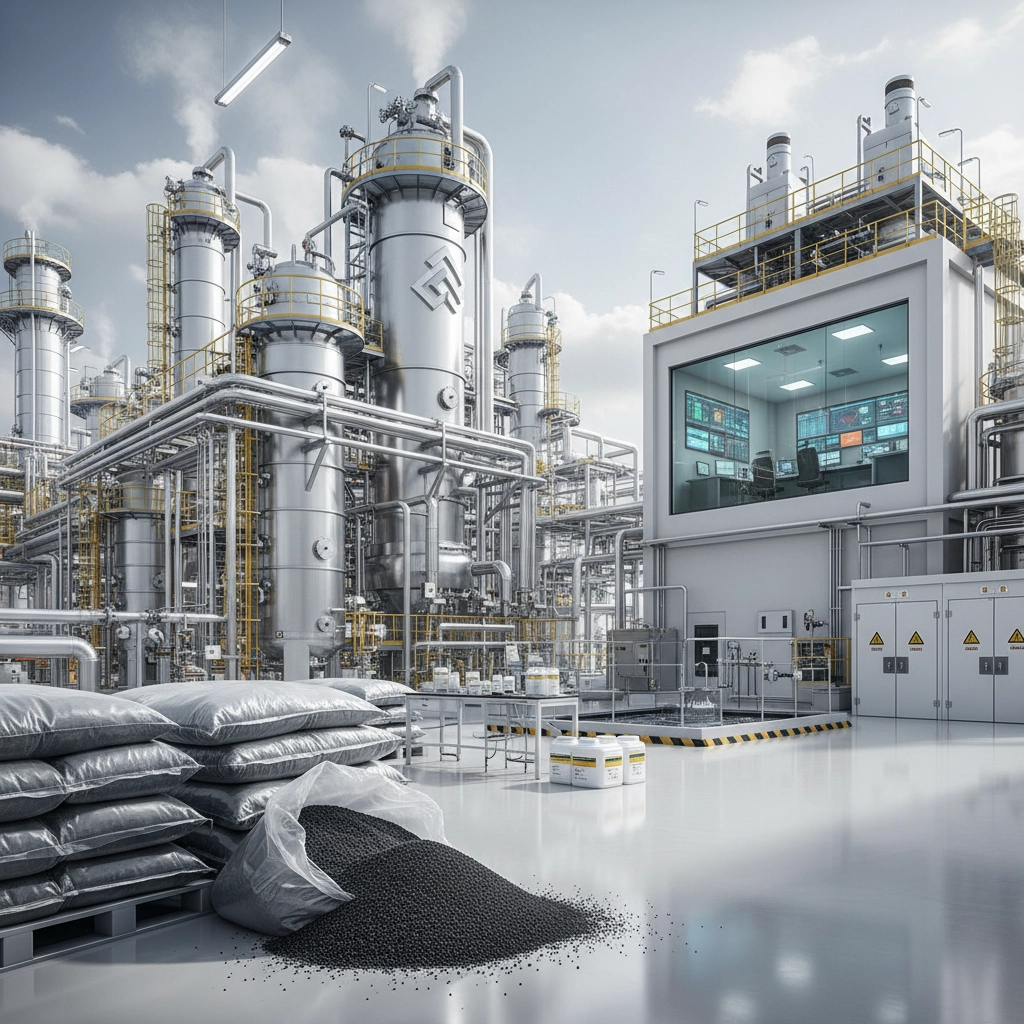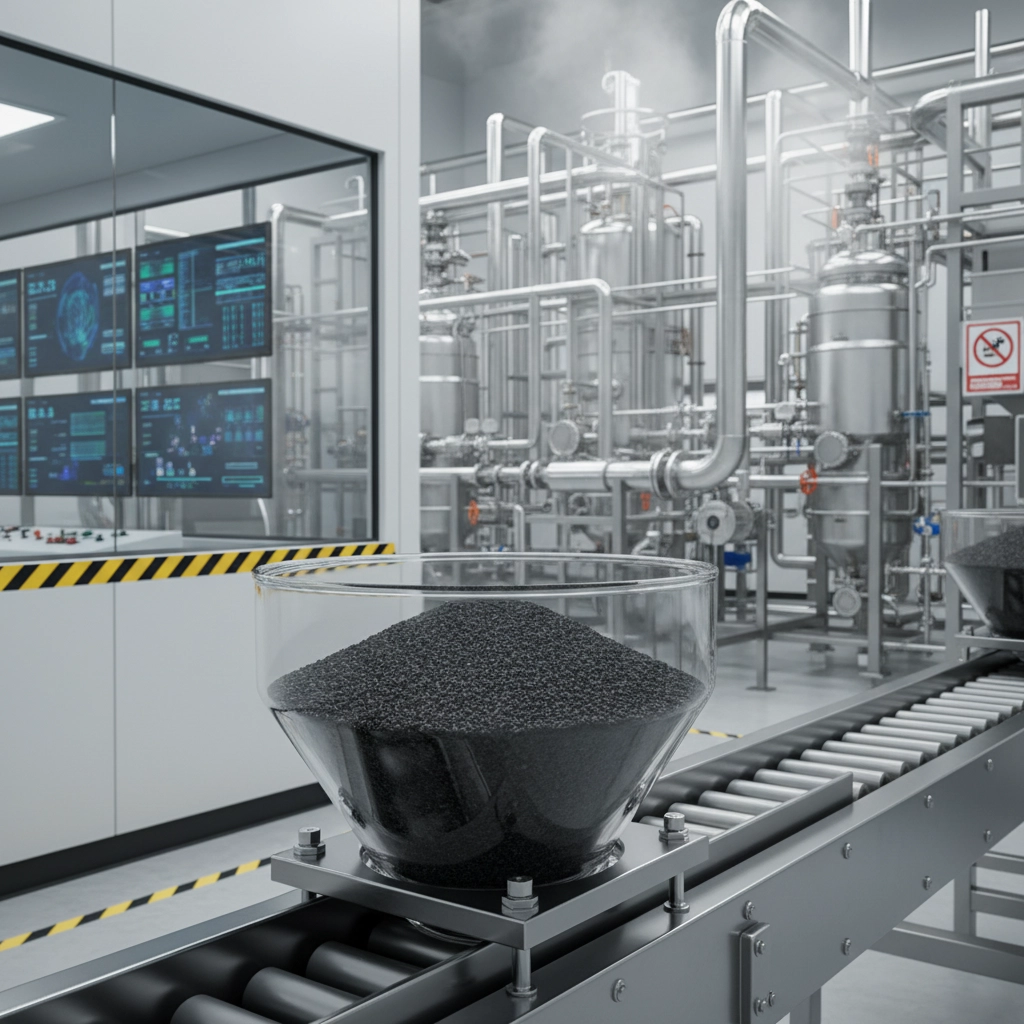
Understanding the activated carbon powder price requires a deep dive into the intersection of raw material quality, activation technology, and the specific purity requirements of industrial applications. As a high-surface-area adsorbent, activated carbon powder is essential for removing impurities from liquids and gases, making its pricing sensitive to both manufacturing precision and global supply chain shifts.
For procurement managers in water treatment, food processing, and chemical manufacturing, the challenge lies in balancing the upfront cost with the operational efficiency and adsorption capacity of the material. Low-cost options often result in higher replacement frequencies and lower purity yields, whereas premium grades offer long-term cost stability through superior performance.
This comprehensive guide analyzes the core drivers of activated carbon powder pricing, provides a framework for selecting the right grade for your industry, and explains how technical specifications directly influence the return on investment for large-scale industrial filtration systems.

1Fundamentals of Activated Carbon Powder Pricing

The activated carbon powder price is primarily determined by the source material (coal, coconut shell, or wood) and the method of activation—either chemical or thermal. Thermal activation typically produces a more robust pore structure, which increases the market value due to higher adsorption efficiency. For industrial buyers, understanding these basics is the first step in avoiding overpriced generic products that do not meet specific technical needs.
Beyond the raw materials, energy costs during the carbonization process play a significant role in final pricing. High-temperature furnaces required for premium grades increase the manufacturing overhead, which is then reflected in the per-ton price. However, this investment usually results in a product with a significantly higher surface area per gram.
Logistics and packaging also contribute to the overall cost. Because activated carbon powder is a fine particulate, specialized moisture-proof packaging and secure transportation are required to prevent contamination and loss of activity during transit, adding a marginal but necessary cost to the final invoice.
2Key Technical Drivers of Material Value
The value of activated carbon powder is not found in its weight, but in its internal architecture. The distribution of micropores, mesopores, and macropores determines which molecules the carbon can capture. A specialized pore distribution for capturing large organic molecules will often command a higher price than a general-purpose carbon.
Purity levels are another critical driver. For applications in food additives or pharmaceutical processing, the carbon must be washed and treated to remove ash and inorganic impurities. This additional refining step increases the production time and cost but is mandatory for regulatory compliance in sensitive industries.
Furthermore, the particle size distribution (mesh size) impacts the pressure drop across filtration beds. Extremely fine powders provide more contact area but can increase operational costs by requiring more powerful pumps. Precisely controlled particle sizing is a hallmark of premium manufacturing and justifies a higher price point.
3Industrial Applications and Cost-Benefit Analysis
In gold mining and mineral processing, activated carbon powder is used for the recovery of precious metals. Here, the price is weighed against the recovery rate; a 1% increase in gold recovery can easily offset a 20% increase in the carbon purchase price, making high-activity carbon the most economical choice.
Water treatment plants utilize activated carbon for the removal of chlorine, volatile organic compounds (VOCs), and odors. In these high-volume scenarios, the focus is on the "breakthrough time"—the duration before the carbon is saturated. Higher-grade carbons extend this window, reducing the frequency of costly bed replacements.
In the chemical industry, activated carbon serves as a catalyst support or a decolorizing agent. The stability of the carbon under harsh chemical environments is paramount. Heat-treated, high-density carbons prevent structural collapse during reactions, ensuring consistent yields despite a higher initial investment.
4Performance Metrics and Efficiency Data
To accurately compare the activated carbon powder price against its performance, industry professionals use specific metrics. The Iodine Number measures the adsorption of small molecules, while the Methylene Blue value indicates the capacity for larger organic molecules. A high value in both categories suggests a versatile, high-value product.
When analyzing cost-efficiency, the focus should shift from "Price per Ton" to "Price per Unit of Pollutant Removed." This perspective reveals that low-cost carbons often require double the volume to achieve the same result, effectively doubling the real cost of the operation.
activated carbon powder price Performance Metrics
The accompanying data illustrates the performance gap between industry-standard grades and premium-engineered carbons. While the premium grade has a higher purchase price, its superior adsorption rate and stability significantly reduce the total cost of ownership (TCO) over the operational lifecycle.
5Procurement Strategies for Industrial Bulk Orders
Successful procurement starts with a detailed specification sheet. Instead of requesting "activated carbon," buyers should specify the required Iodine Value, mesh size, ash content, and moisture limit. This prevents suppliers from offering low-grade substitutes that may appear cheaper but fail in practice.
Bulk purchasing agreements can significantly lower the per-unit price, but they introduce the risk of storage degradation. Activated carbon can absorb moisture and odors from the air if not stored in climate-controlled environments, which can neutralize its activity before it even reaches the filtration bed.
Evaluating the supplier's quality control system is as important as the price. A manufacturer with automated synthesis lines and rigorous spectrometer testing ensures batch-to-batch consistency, eliminating the risk of production downtime caused by fluctuating material performance.
6Market Trends and Future Pricing Outlook
The market for activated carbon is increasingly moving toward sustainable raw materials. Bio-based carbons derived from agricultural waste are becoming more common. While currently slightly more expensive due to lower production scales, they offer a lower carbon footprint and are becoming a requirement for "Green" certified companies.
Technological innovations in chemical activation are allowing for the creation of "designer carbons" with precisely tailored pore sizes. This specialization allows for the removal of specific contaminants (like PFAS or specific pharmaceuticals) with much smaller volumes of carbon, shifting the value proposition from quantity to precision.
Global trade dynamics, particularly the cost of energy in major producing regions, will continue to cause fluctuations in the activated carbon powder price. Buyers are encouraged to maintain diverse supplier bases to mitigate the risk of regional price spikes or supply disruptions.
7Selection Guide: Premium vs. Standard Grades
Choosing between a standard and a premium grade depends entirely on the criticality of the application. For basic odor control or coarse filtration, a standard grade is often sufficient. However, for high-purity industrial requirements, the premium grade is an operational necessity.
The following comparison highlights the trade-offs between different grades of activated carbon powder, focusing on the balance between initial cost and long-term performance.
| Metric | Standard Grade | Premium Grade | Industrial Impact |
|---|---|---|---|
| Adsorption Rate | Moderate | High/Rapid | Faster processing time |
| Purity Level | Basic | Ultra-Pure | Lower contamination risk |
| Life Cycle | Short | Extended | Less frequent replacements |
| Initial Cost | Low | Medium-High | Higher upfront CAPEX |
| Operational Cost | High (due to volume) | Low (due to efficiency) | Lower OPEX over time |
| Best Use Case | Pre-treatment | Final Polishing | Optimized system design |
In summary, the most cost-effective approach is not to find the lowest price per ton, but to find the carbon that maximizes the volume of pollutant removed per dollar spent. This technical approach ensures both environmental compliance and financial sustainability.
Frequently Asked Questions
Conclusion
Navigating the activated carbon powder price requires moving beyond a simple cost-per-ton analysis and adopting a total-cost-of-ownership approach. By aligning the technical specifications—such as Iodine Value and pore distribution—with the specific requirements of the industrial application, companies can significantly reduce operational expenses while improving purity yields.
Whether you are optimizing a gold recovery circuit or ensuring the safety of municipal water, the key is to balance purity, capacity, and cost. For procurement teams seeking reliable, high-performance adsorption solutions, reviewing technical data and supplier capabilities at www.sdjz-chem.com can provide the necessary insights for an informed decision.