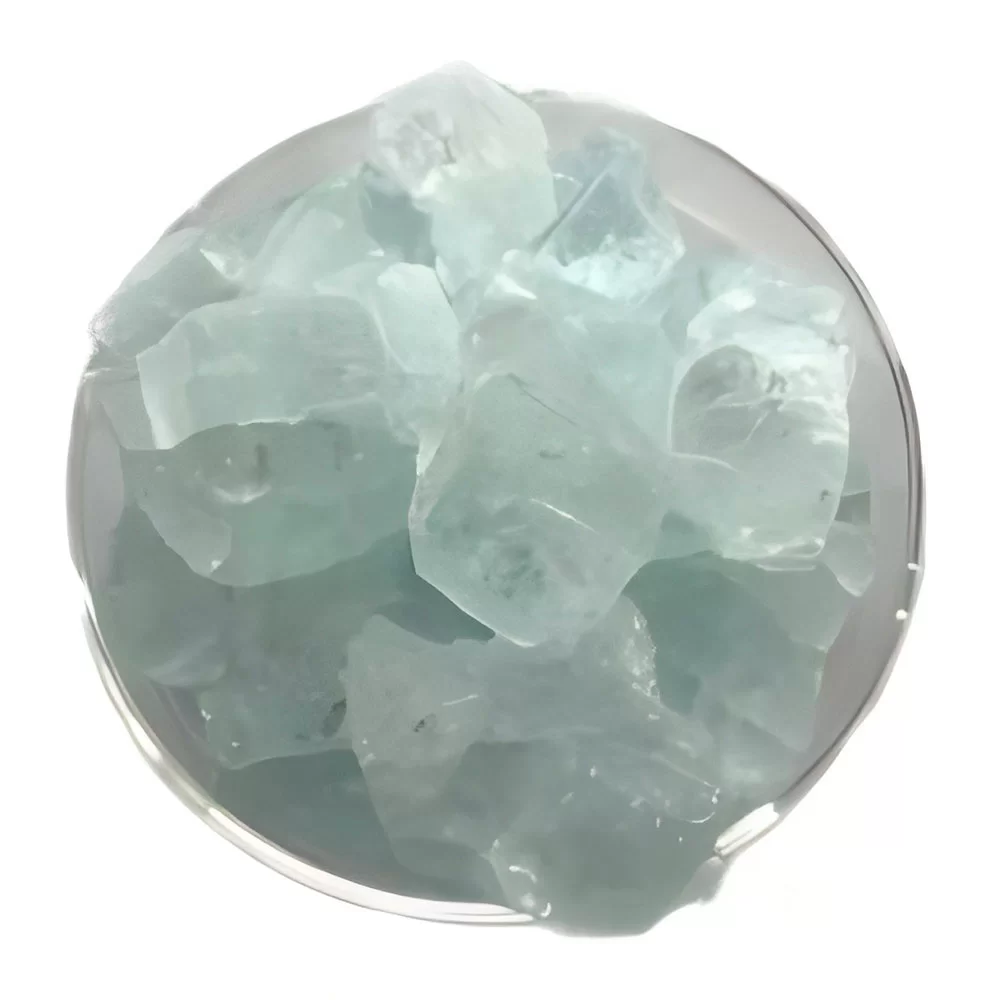

Rwanda, a nation undergoing rapid industrialization, presents a unique landscape for inorganic salt manufacturing. The demand for chemicals like calcium hypochlorite for water treatment and aluminum sulfate for various industrial processes is steadily increasing. However, local production capacity remains limited, relying heavily on imports, which can be affected by global supply chain disruptions and fluctuating costs.
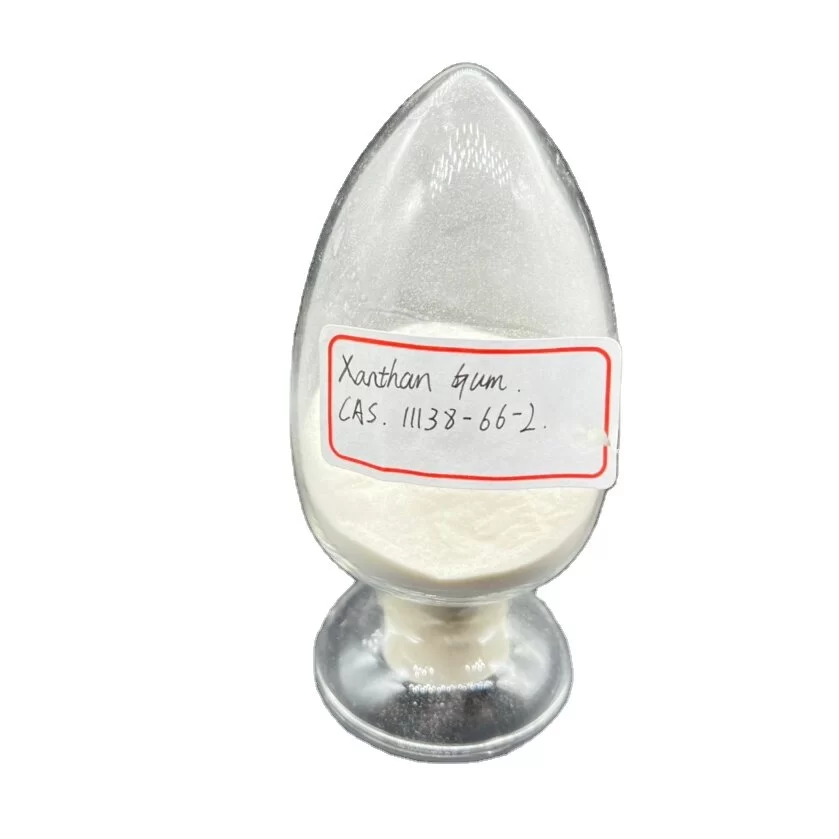
The Rwandan economy is primarily agricultural, with coffee and tea being major exports. This drives the need for chemicals such as benzoic acid in food preservation and xanthan gum in various food and beverage applications. Access to consistent, high-quality chemical supplies is crucial for maintaining export standards and fostering agricultural growth.
Rwanda's geographical location and limited natural resources pose logistical challenges for chemical manufacturing. The country is landlocked, increasing transportation costs. Furthermore, the availability of skilled labor and access to advanced technologies are crucial factors impacting the growth of the sector. Sustainability and environmental regulations are also becoming increasingly important considerations for manufacturers operating in Rwanda.