
Product keywords : Sodium cyanide Activated carbon Silver Mercury

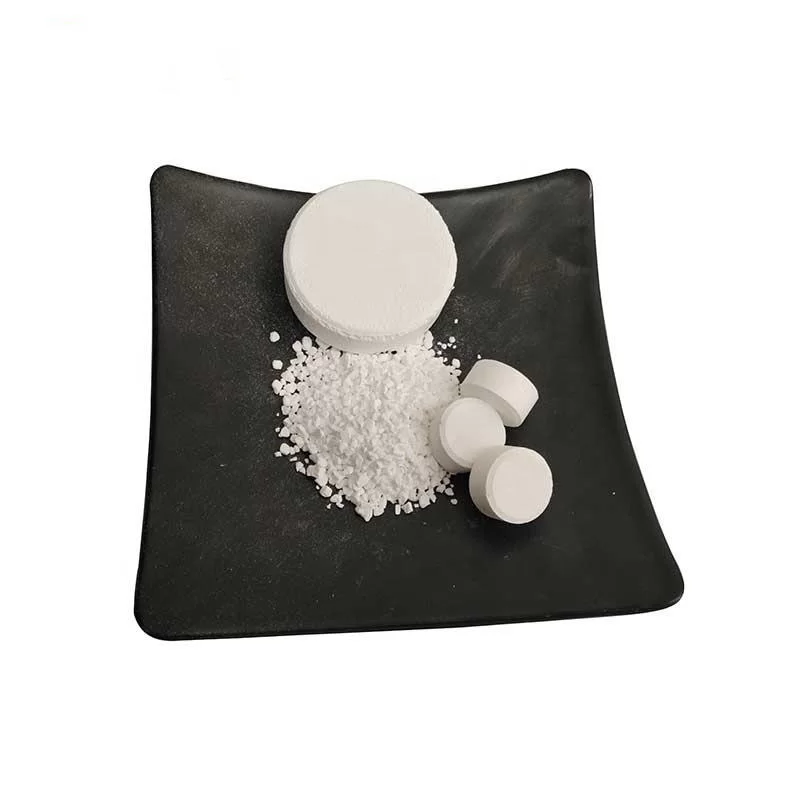
Calcium Hypochlorite Solutions for Nigerian Industries

Providing high-quality inorganic salts for water treatment, sanitation, and industrial applications in Nigeria.

The Current State of Inorganic Salt Manufacturing in Nigeria

An Overview of the Challenges and Opportunities in the Nigerian Chemical Industry.

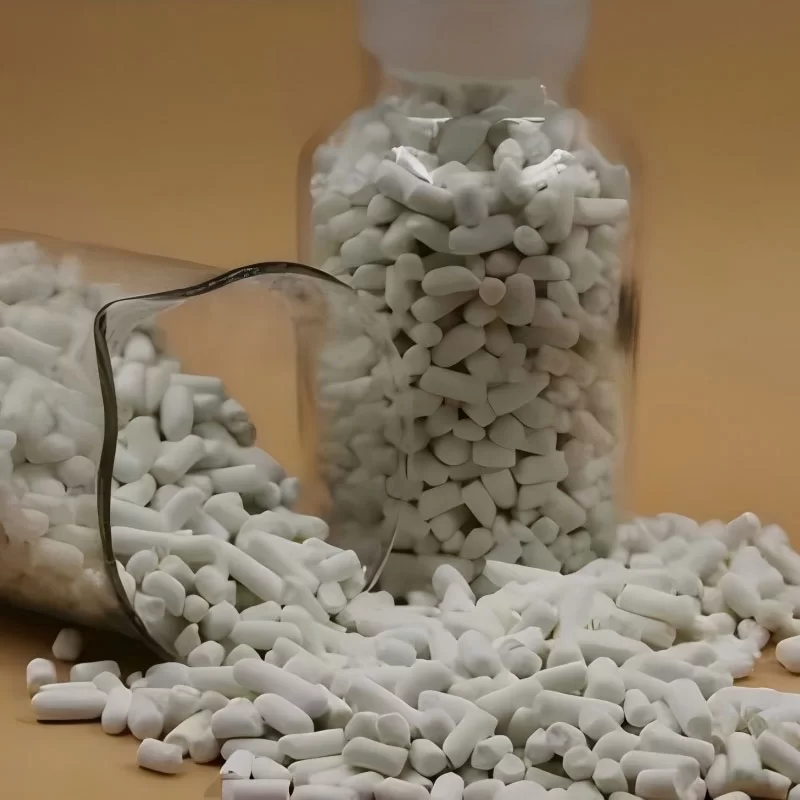
Nigeria's demand for inorganic salts, including activated carbon, benzoic acid, calcium hypochlorite, aluminum sulfate, and xanthan gum, is steadily increasing due to growth in water treatment, food processing, agriculture, and other key industries. However, local production capacity remains limited, leading to significant reliance on imports.

The Nigerian climate, characterized by high temperatures and humidity, necessitates robust water treatment solutions, driving demand for calcium hypochlorite as a disinfectant. Furthermore, the country's agricultural sector requires aluminum sulfate for soil conditioning and benzoic acid as a preservative. Efficient supply chains and quality control are critical challenges facing manufacturers and distributors.

Economic factors, including currency fluctuations and import tariffs, also play a substantial role in the cost and availability of these essential chemicals. A strong emphasis on developing local manufacturing capabilities and fostering partnerships with international suppliers is crucial for ensuring a stable and affordable supply.
Evolution of Inorganic Salt Production in Nigeria

Tracing the Development from Traditional Methods to Modern Manufacturing Techniques.

Market Development History

Historically, inorganic salt production in Nigeria was largely rudimentary, relying on traditional methods for extraction and processing. Early efforts focused on basic salt production from brine wells, primarily for food preservation. The 1970s witnessed the establishment of a few government-owned chemical plants, aiming to reduce import dependence.

The 1990s brought economic liberalization and increased private sector participation. While this spurred some growth, technological limitations and a lack of investment hindered significant advancements. The import of xanthan gum became increasingly common due to its specialized applications in the oil and gas industry.

In the 21st century, a growing awareness of environmental regulations and the need for high-quality chemicals has driven demand for more sophisticated manufacturing processes. The use of aluminum sulfate in water purification and the increasing demand for activated carbon for industrial filtration are indicative of this shift.

Future Development Trends

Automation and Process Control

Increased automation and advanced process control systems will be vital for improving efficiency, reducing costs, and ensuring product consistency. Integrating real-time data analytics will enable manufacturers to optimize production parameters.

Sustainable Manufacturing Practices

Adopting sustainable manufacturing practices, including waste reduction and energy efficiency, will become increasingly important. Focusing on environmentally friendly production processes will enhance competitiveness.

Specialized Chemical Production

A shift towards the production of specialized chemicals, tailored to specific industry needs, will offer higher margins and greater value. Developing expertise in niche applications of benzoic acid and other specialized salts will be crucial.

Industry Trends and Future Outlook for Inorganic Salts in Nigeria

Anticipating the Future of Chemical Manufacturing in the Nigerian Market.

Growing Water Treatment Demand
Increased urbanization and population growth in Nigeria will drive demand for effective water treatment chemicals like calcium hypochlorite and aluminum sulfate.
Agricultural Sector Growth
The expanding agricultural sector will fuel demand for soil conditioning agents like aluminum sulfate and preservatives like benzoic acid.
Oil and Gas Industry Applications
The oil and gas sector's need for specialized chemicals, like xanthan gum for drilling fluids, will continue to drive demand for imported products, but local blending opportunities may emerge.
Import Substitution & Local Production
Government policies promoting import substitution and investment in local manufacturing facilities will shape the long-term landscape of the industry.

Industry Outlook

The Nigerian inorganic salt market is expected to grow at a compound annual growth rate (CAGR) of approximately 6-8% over the next 5 years, driven by increasing industrial activity and infrastructure development.

Success will hinge on the ability of manufacturers to address supply chain challenges, invest in advanced technologies, and prioritize sustainable production practices. Collaboration between local producers and international partners will be key to unlocking the full potential of this dynamic market.

Local Application Scenarios for Inorganic Salts in Nigeria

Exploring Real-World Applications of Chemical Solutions in the Nigerian Context.

1. Municipal Water Treatment Plants

Calcium hypochlorite is extensively used in municipal water treatment plants across Nigeria to disinfect drinking water and eliminate harmful bacteria. This is especially critical in densely populated urban areas where access to clean water is a major public health concern.

2. Food and Beverage Preservation

Benzoic acid serves as a vital preservative in the Nigerian food and beverage industry, extending the shelf life of products such as soft drinks, juices, and processed foods. This helps reduce food waste and ensures product safety.

3. Textile Industry Effluent Treatment

Aluminum sulfate plays a crucial role in treating wastewater generated by the textile industry, removing dyes and other pollutants before discharge into the environment. This supports sustainable manufacturing practices and protects water resources.

4. Oil Drilling Operations

Xanthan gum is widely utilized in oil drilling operations in the Niger Delta region as a viscosity modifier and fluid loss control agent, enhancing drilling efficiency and minimizing environmental impact.

Brand Story

Shandong Jiuzhou Chemical Co., Ltd. Global Development Journey

Foundation and Early Growth

Founded in 2005, Shandong Jiuzhou Chemical Co., Ltd. began as a specialized manufacturer of inorganic salts, initially serving the domestic Chinese market. We focused on delivering high-quality calcium hypochlorite and aluminum sulfate.

Expansion into International Markets

By 2010, we expanded our reach into international markets, including Southeast Asia and the Middle East. This expansion was driven by our commitment to quality and competitive pricing.

Strategic Partnerships

In 2015, we forged strategic partnerships with key distributors in Africa, including Nigeria, to establish a strong local presence and enhance customer service.

Product Diversification

We diversified our product portfolio to include benzoic acid and xanthan gum, catering to a wider range of industrial applications.

Commitment to Sustainability

Today, we are dedicated to sustainable manufacturing practices, ensuring environmental responsibility and providing reliable chemical solutions for a better future.

Frequently Asked Questions about Inorganic Salts in Nigeria

Addressing Common Concerns and Providing Valuable Insights.

What is the recommended storage procedure for calcium hypochlorite in a humid Nigerian climate?

Calcium hypochlorite should be stored in a cool, dry, well-ventilated area away from direct sunlight and moisture. Keep containers tightly closed to prevent degradation. Utilize airtight packaging and consider a desiccant within the container for optimal preservation.

How does benzoic acid contribute to food safety in Nigeria's hot weather conditions?

Benzoic acid inhibits the growth of molds and yeasts, preventing spoilage and extending the shelf life of food and beverage products, which is particularly crucial in Nigeria's warm and humid climate.

What is the optimal dosage of aluminum sulfate for water treatment in Nigerian rivers?

The optimal dosage of aluminum sulfate varies depending on the turbidity and pH of the water source. A jar test is recommended to determine the ideal dosage for specific Nigerian river water conditions. Typically, a range of 10-50 mg/L is used.

Is xanthan gum biodegradable and environmentally friendly for use in Nigerian oil fields?

Xanthan gum is biodegradable under certain conditions, but its biodegradation rate can be slow. While generally considered environmentally benign in low concentrations, responsible disposal practices are essential in oil field applications to minimize potential impacts.

What quality certifications does Shandong Jiuzhou Chemical Co., Ltd. hold to guarantee product reliability?

We are ISO 9001 certified, demonstrating our commitment to quality management systems. We also adhere to relevant industry standards and conduct rigorous quality control testing throughout the production process.

What are the import regulations for inorganic salts into Nigeria and how can we ensure compliance?

Import regulations for inorganic salts in Nigeria are governed by the Nigeria Customs Service and the National Agency for Food and Drug Administration and Control (NAFDAC). Ensure proper documentation, including import permits, certificates of analysis, and compliance with NAFDAC regulations. We can assist with providing the necessary documentation.

Get in Touch for Your Chemical Needs in Nigeria

We are your trusted partner for high-quality inorganic salts in Nigeria. Contact us today to discuss your specific requirements.

Contact Us Now

If you are interested in our products, you can choose to leave your information here, and we will be in touch with you shortly.