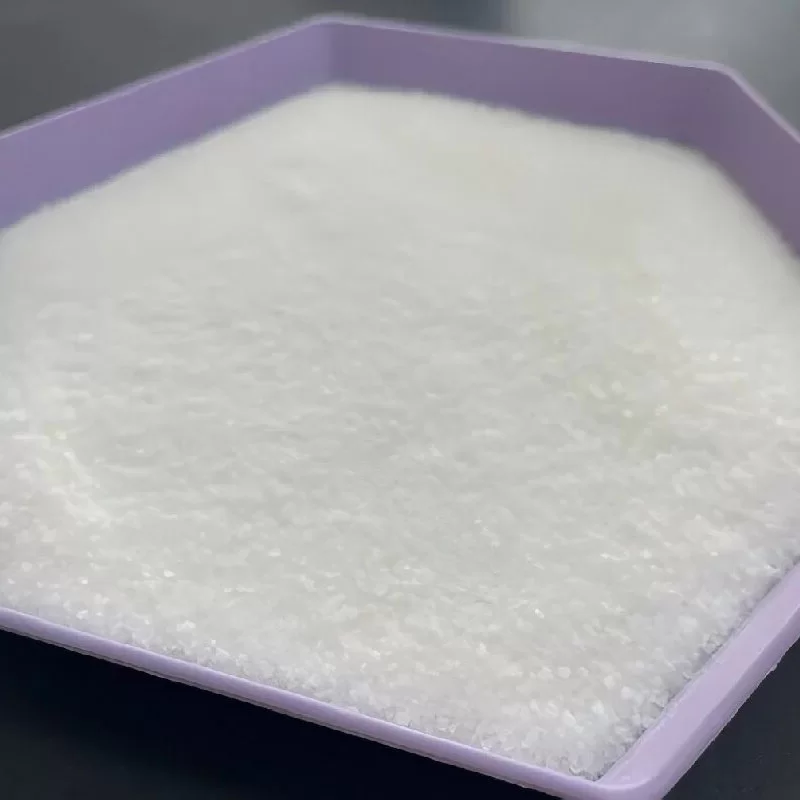
Product keywords : Sodium cyanide Activated carbon Silver Mercury

Calcium Hypochlorite Solutions for Industrial Applications in India

Providing high-quality inorganic salts to meet the growing demands of the Indian market.

The Current State of Inorganic Salt Manufacturing in India

Analysis of the market dynamics and challenges faced by inorganic salt manufacturers in India.

India's inorganic salt manufacturing sector is experiencing substantial growth, driven by increasing demand from water treatment, pharmaceuticals, textile, and other key industries. The country's diverse climate and geographical features present unique challenges, requiring specialized production processes and quality control measures. The demand for aluminum sulfate is particularly high due to its use in water purification.

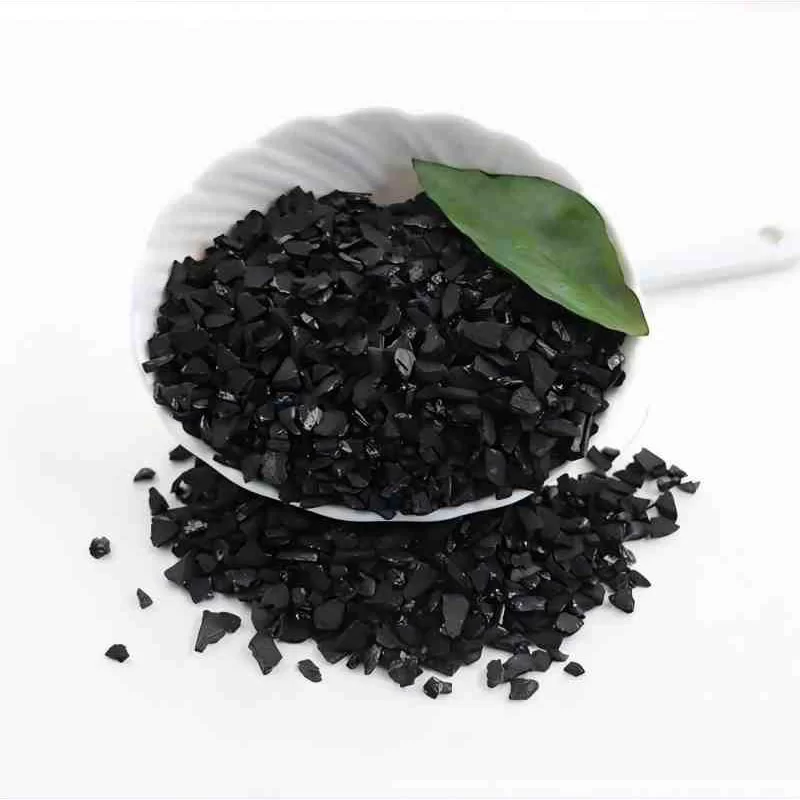
The market is characterized by a mix of large-scale and small-scale manufacturers, with varying levels of technological sophistication. Competition is intense, and manufacturers are increasingly focused on improving efficiency, reducing costs, and developing innovative products. Activated carbon plays a crucial role in various purification processes.

Regulatory pressures related to environmental sustainability and worker safety are also shaping the industry landscape. Manufacturers must comply with stringent regulations and invest in eco-friendly technologies to maintain a competitive edge. The use of benzoic acid in specific industrial processes is also under increasing scrutiny regarding environmental impact.
Historical Development and Evolution of the Inorganic Salt Industry in India

Tracing the technological advancements and growth trajectory of inorganic salt manufacturing in India.

Market Development History

Historically, inorganic salt production in India relied on traditional methods, often involving manual labor and basic chemical processes. The post-independence era saw significant government investment in establishing large-scale manufacturing facilities. By the 1980s, the industry began to embrace modern technologies, such as advanced electrolysis and membrane separation techniques. Calcium hypochlorite production benefited greatly from these advancements.

The liberalization of the Indian economy in the 1990s spurred further growth and competition. Foreign investment and technology transfer led to improved product quality and increased production capacity. The early 2000s witnessed a surge in demand for inorganic salts from emerging industries like pharmaceuticals and food processing.

More recently, the focus has shifted towards sustainable manufacturing practices and the development of specialized products tailored to specific applications. Companies are investing in R&D to create more efficient and environmentally friendly production methods.

Future Development Trends

Advanced Purification Technologies

The future of the inorganic salt industry in India will be shaped by the adoption of advanced purification technologies, such as nanofiltration and reverse osmosis, to produce high-purity products. This trend is driven by the growing demand for specialty chemicals in high-tech industries.

Green Chemistry and Sustainable Manufacturing

Sustainable manufacturing practices, including waste reduction, energy efficiency, and the use of renewable resources, will become increasingly important. This is driven by stricter environmental regulations and growing consumer awareness.

Digitalization and Automation

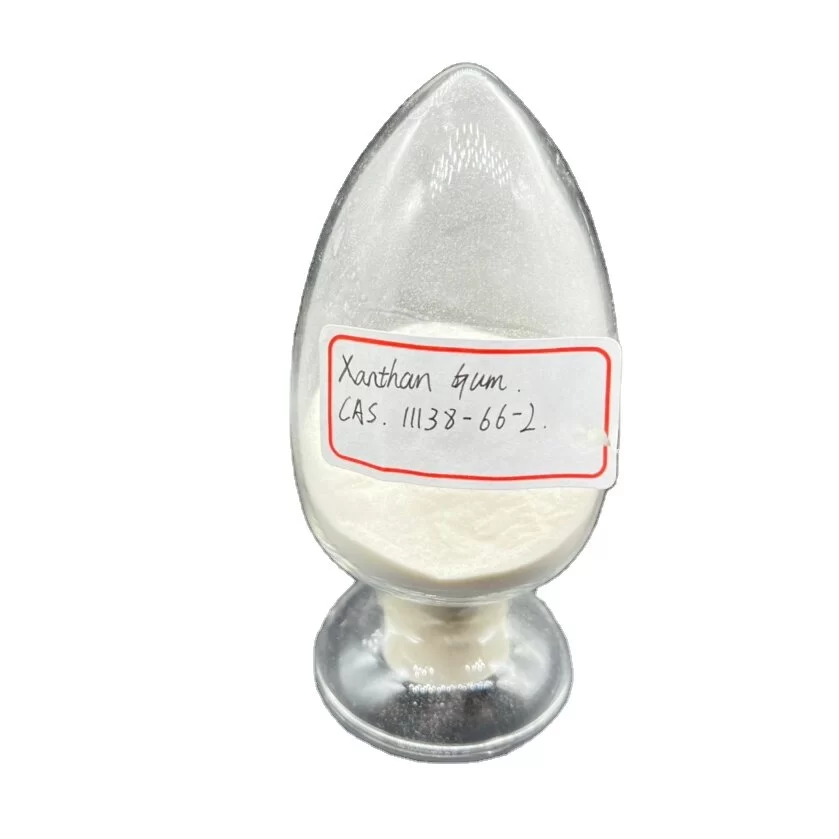
The integration of digital technologies, such as process automation, data analytics, and artificial intelligence, will optimize production processes, improve quality control, and reduce costs. xanthan gum production processes can be drastically improved through automation.

Industry Trends and Future Prospects for Inorganic Salts in India

Exploring the emerging trends and potential growth opportunities in the Indian inorganic salt market.

Growing Water Treatment Demand
Increasing urbanization and industrialization are driving the demand for efficient water treatment solutions, boosting the demand for calcium hypochlorite and aluminum sulfate.
Pharmaceutical Industry Expansion
The expanding pharmaceutical sector in India is creating a greater need for high-purity inorganic salts, serving as key ingredients in drug formulations.
Textile Industry Applications
Inorganic salts are widely used in the textile industry for dyeing, bleaching, and finishing processes, contributing to the sector's growth.
Focus on Sustainability
Growing environmental awareness and stricter regulations are pushing manufacturers to adopt sustainable production processes and reduce their carbon footprint.

Industry Outlook

The Indian inorganic salt market is poised for continued growth in the coming years, driven by rising domestic demand and increasing export opportunities. Manufacturers who invest in innovation, sustainability, and quality control will be best positioned to succeed.

The government’s ‘Make in India’ initiative and infrastructure development projects are expected to further stimulate demand for inorganic salts across various sectors.

Local Application Scenarios for Inorganic Salts in India

Exploring the diverse applications of inorganic salts in various industries across India.

1. Rural Water Purification Systems

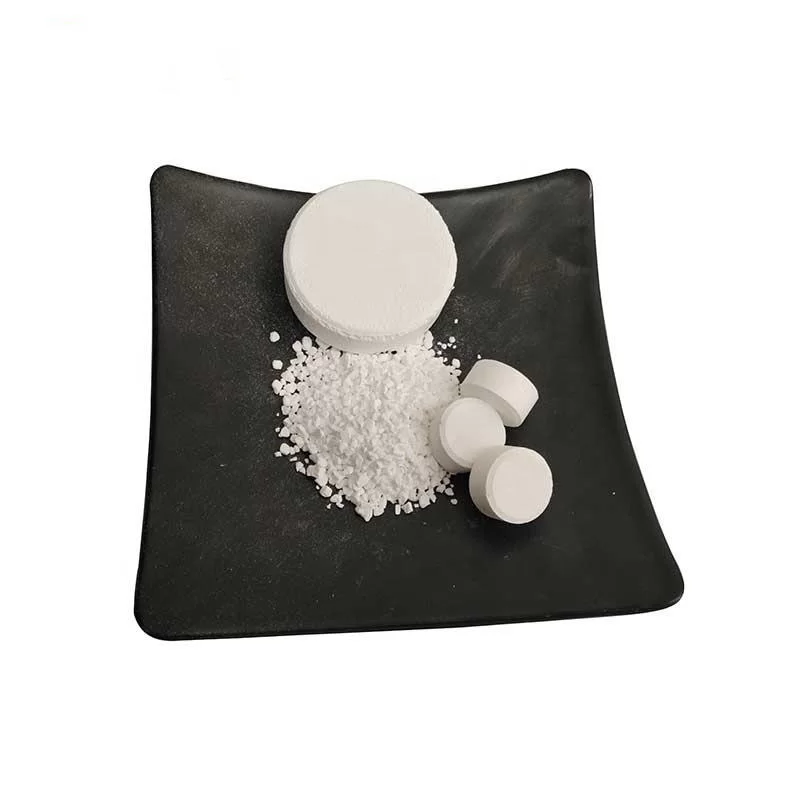
Calcium hypochlorite is widely used in rural areas of India for disinfecting drinking water sources, providing a cost-effective and reliable solution for public health.

2. Textile Dyeing in Gujarat

Gujarat, a major textile hub in India, utilizes significant quantities of aluminum sulfate for mordanting and dyeing processes, enhancing the colorfastness and quality of fabrics.

3. Paper Manufacturing in Andhra Pradesh

The paper industry in Andhra Pradesh relies on inorganic salts, including aluminum sulfate, for bleaching and sizing processes, contributing to the production of high-quality paper products.

4. Food Preservation in Kerala

Benzoic acid is used as a preservative in food products in Kerala, helping to extend shelf life and maintain product quality, especially in tropical climate conditions.

5. Oil Drilling Applications in Assam

Xanthan gum is crucial in oil drilling operations in Assam, acting as a viscosity modifier to enhance drilling efficiency and well stability.

Brand Story

Shandong Jiuzhou Chemical Co., Ltd.'s global development journey

Foundation and Commitment to Quality

Established in 2005, Shandong Jiuzhou Chemical Co., Ltd. began with a core mission to deliver high-quality inorganic salts to global industries.

Expansion into International Markets

In 2010, we expanded our reach to international markets, focusing on providing tailored solutions to meet diverse customer needs.

Investment in R&D

2015 marked a significant investment in research and development, enabling us to innovate and improve our product offerings.

Sustainability Initiatives

We launched our sustainability program in 2018, committing to environmentally responsible manufacturing practices.

Strategic Partnerships in India

In 2020, we established strategic partnerships in India to better serve the growing demand for our products in the region.

Frequently Asked Questions About Inorganic Salts in India

Addressing common queries regarding the application and sourcing of inorganic salts in the Indian market.

What is the optimal dosage of calcium hypochlorite for effective water disinfection in Indian rural settings?

The optimal dosage depends on the water quality and contaminant levels, but generally ranges from 1-2 ppm. Regular testing is recommended to ensure effectiveness.

What are the environmental considerations when using aluminum sulfate in textile dyeing processes in Gujarat?

Proper wastewater treatment is crucial to remove aluminum residues and minimize environmental impact. Closed-loop systems and recycling technologies are recommended.

How does the purity level of benzoic acid affect its performance as a food preservative in Kerala?

Higher purity levels ensure greater effectiveness and minimize the risk of off-flavors or unwanted reactions in food products.

What is the role of xanthan gum in enhancing oil recovery rates in Assam's oil fields?

Xanthan gum increases the viscosity of drilling fluids, improving their ability to suspend and transport cuttings, and preventing formation damage.

What quality certifications should I look for when sourcing inorganic salts from suppliers in India?

Look for ISO 9001, ISO 14001, and relevant industry-specific certifications to ensure quality and compliance with international standards.

What are the key factors influencing the price of activated carbon in the Indian market?

The price is influenced by the raw material source, production process, activation method, particle size, and demand-supply dynamics.

Let's Discuss Your Inorganic Salt Needs

We are dedicated to providing reliable and high-quality inorganic salt solutions to industries across India. Contact us today to learn more.

Contact Us Now

If you are interested in our products, you can choose to leave your information here, and we will be in touch with you shortly.