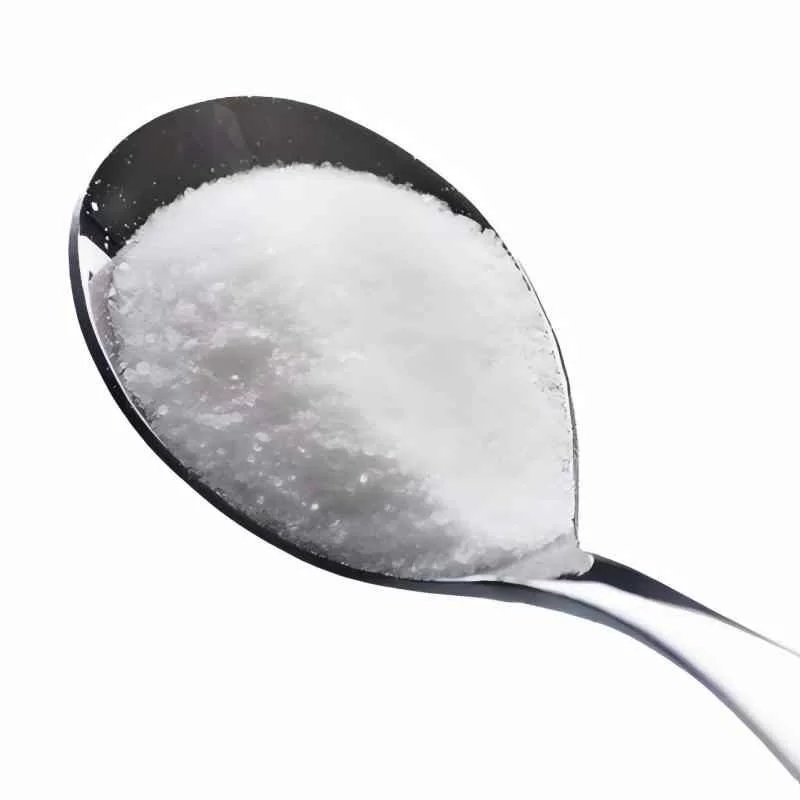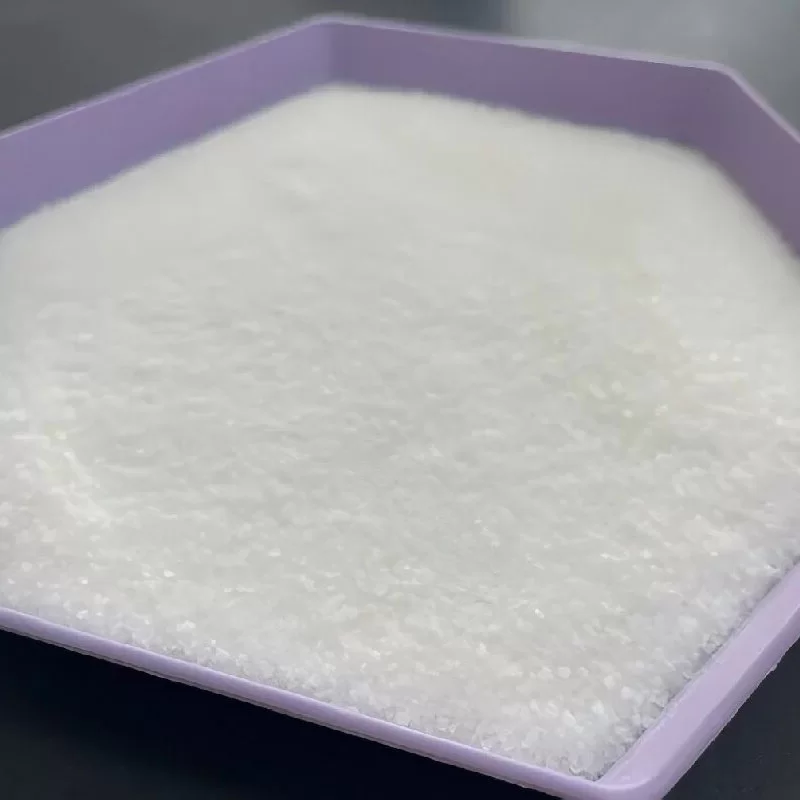
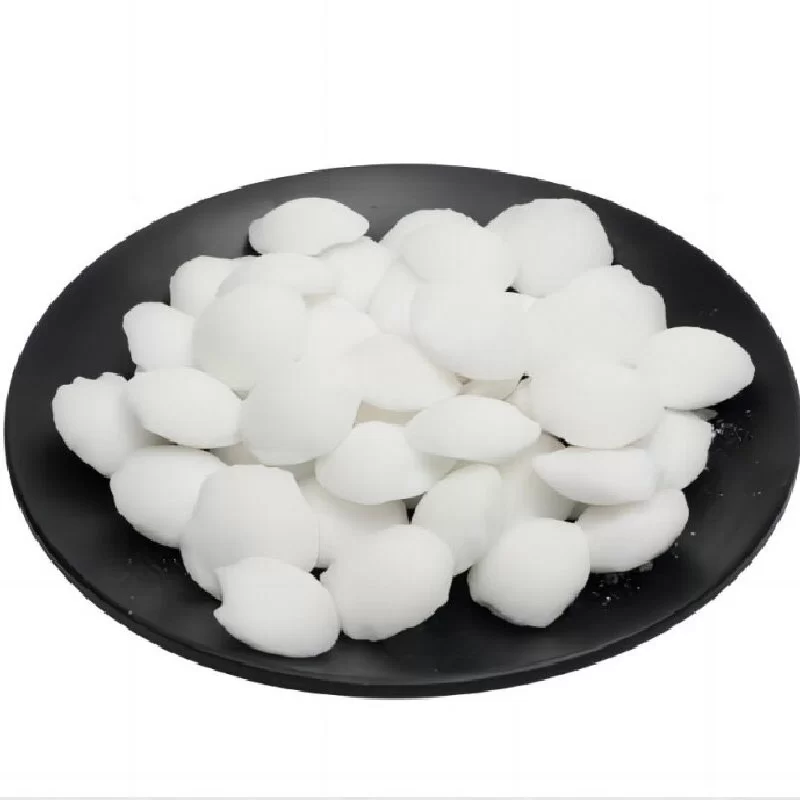
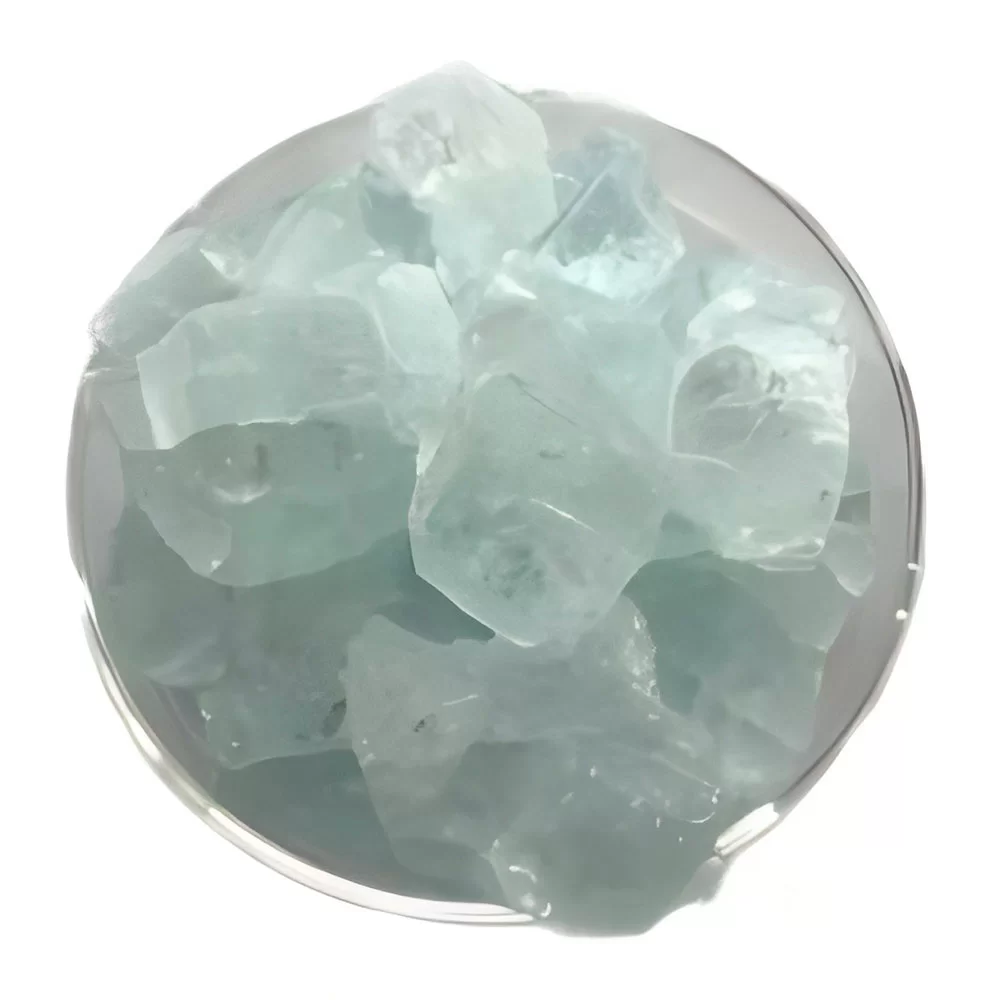
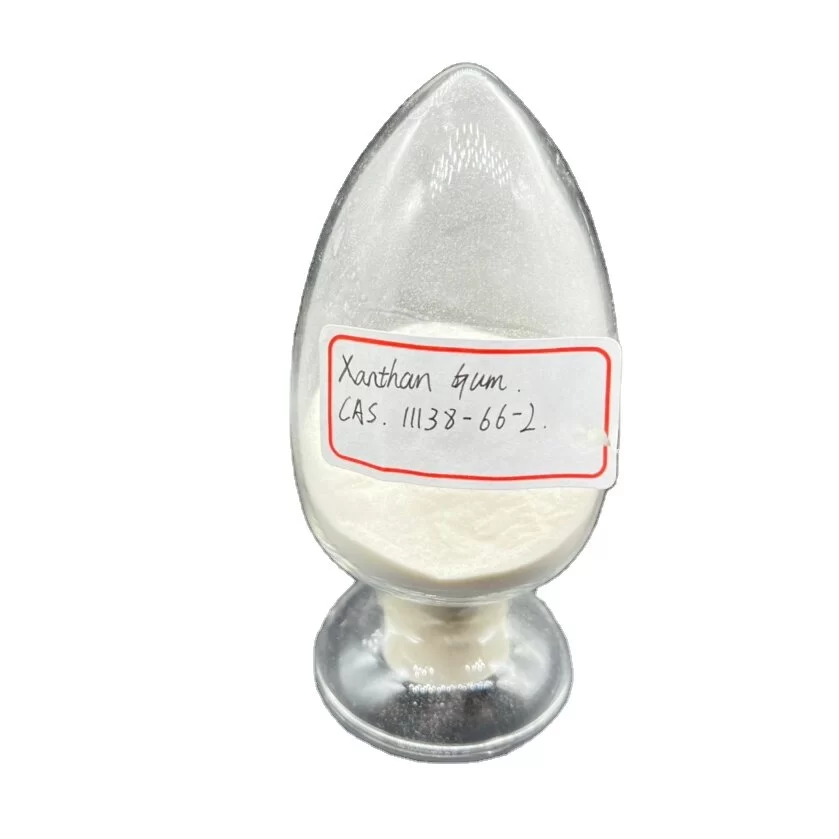
Product keywords : Sodium cyanide Activated carbon Silver Mercury

Calcium Hypochlorite Solutions for Bangladesh Industries

Providing high-quality inorganic salts to support industrial growth in Bangladesh.

Current Landscape of Inorganic Salt Manufacturing in Bangladesh

Analyzing the challenges and opportunities in the Bangladeshi inorganic salt market.

Bangladesh, a nation with a rapidly growing textile, pharmaceutical, and agricultural sector, exhibits a strong demand for inorganic salts. However, local production often struggles to meet this demand, resulting in significant import reliance. The country's humid climate presents challenges in storage and handling of hygroscopic salts like calcium hypochlorite, necessitating specialized infrastructure and logistics.

The availability of raw materials and energy costs play a crucial role in the competitiveness of local manufacturers. Fluctuations in global chemical prices directly impact the cost of imported materials, influencing the overall price structure within Bangladesh. Many smaller facilities operate with older technologies impacting product quality and efficiency.

Environmental regulations are becoming increasingly stringent, placing a focus on sustainable manufacturing practices and waste management, particularly regarding by-products from aluminum sulfate production. This is driving the need for investment in cleaner production technologies.
Evolution of Inorganic Salt Manufacturing in Bangladesh

Tracing the development of the industry from traditional methods to modern technologies.

Market Development History

Historically, inorganic salt production in Bangladesh was largely limited to basic salt production using solar evaporation techniques. In the 1980s, the growing textile industry spurred demand for chemicals like aluminum sulfate for water treatment and dyeing processes, leading to the establishment of smaller-scale manufacturing units.

The 2000s saw the rise of the pharmaceutical sector, creating demand for higher purity chemicals, including benzoic acid, demanding the import of high-quality materials. This era also witnessed initial attempts at importing more advanced manufacturing technologies.

From 2010 onwards, increasing environmental awareness and tighter regulations pushed manufacturers to invest in cleaner production technologies and better waste management systems. There's a growing trend towards the adoption of automated control systems to improve product quality and reduce operational costs.

Future Development Trends

Process Optimization & Automation

Automation of production processes will become increasingly prevalent to improve efficiency, reduce human error, and enhance product consistency.

Sustainable Manufacturing Practices

Focus on minimizing environmental impact through waste reduction, recycling, and the adoption of environmentally friendly production methods.

Specialty Chemical Production

Diversification into the production of more specialized inorganic salts to cater to niche markets and high-value applications, like using xanthan gum in food industry.

Industry Trends and Future Outlook for Inorganic Salts in Bangladesh

Exploring emerging trends and forecasting future growth in the Bangladeshi inorganic salt market.

Growing Demand from Textile Industry
The thriving textile sector will continue to drive demand for chemicals like aluminum sulfate and other process chemicals.
Increasing Pharmaceutical Production
Expansion in the pharmaceutical industry will fuel demand for high-purity inorganic salts like benzoic acid.
Water Treatment Demand
Growing urbanization and industrial activity will increase the need for effective water treatment solutions utilizing chemicals like calcium hypochlorite.
Agricultural Sector Growth
Expanding agricultural practices will drive the demand for fertilizers and soil conditioners utilizing inorganic salts.

Industry Outlook

The inorganic salt market in Bangladesh is projected to experience steady growth in the next 3-5 years, driven by the factors mentioned above. Investment in technology and sustainable practices will be crucial for local manufacturers to compete effectively.

Google Trends data indicates a consistent search interest in keywords related to inorganic salts, particularly activated carbon, aluminum sulfate, and water treatment chemicals, signifying continued demand in the market.

Local Applications of Inorganic Salts in Bangladesh

Exploring diverse applications across key industries in Bangladesh.

1. Textile Industry Wastewater Treatment

Bangladeshi textile mills utilize aluminum sulfate extensively as a coagulant in wastewater treatment plants to remove dyes and pollutants before discharge.

2. Drinking Water Purification

Calcium hypochlorite is commonly used for disinfection of drinking water in rural areas and smaller municipalities across Bangladesh, ensuring safe water supply.

3. Pharmaceutical Production

The pharmaceutical industry uses high-purity benzoic acid as a preservative and intermediate in the synthesis of various drugs and pharmaceutical products.

4. Food Processing and Preservation

Xanthan gum is a crucial ingredient in the food processing industry, utilized as a thickening and stabilizing agent in a wide range of food products.

5. Leather Tanning

Aluminum sulfate is widely used in the leather tanning process in Bangladesh to treat hides and prepare them for further processing.

Brand Story

Shandong Jiuzhou Chemical Co., Ltd.'s global development journey

Established Foundation (2005-2010)

Founded in 2005, Shandong Jiuzhou Chemical Co., Ltd. began as a regional supplier of basic inorganic salts, focusing on serving the domestic Chinese market.

Expanding Production Capacity (2011-2015)

Invested in expanding production facilities and upgrading technology to meet growing demand and improve product quality.

International Market Entry (2016-2018)

Began exploring international markets, establishing partnerships with distributors in Southeast Asia and the Middle East.

Focus on Quality and Sustainability (2019-Present)

Committed to sustainable manufacturing practices and achieving ISO 9001 certification for quality management.

Tailored Solutions for Emerging Markets

Dedicated to providing customized inorganic salt solutions to address the specific needs of emerging markets like Bangladesh.

Frequently Asked Questions – Local Market

Addressing common inquiries from our clients in Bangladesh.

What is the lead time for delivering calcium hypochlorite to Dhaka, Bangladesh?

Typically, the lead time for delivery to Dhaka is 2-4 weeks, depending on order volume and shipping availability. We offer various shipping options to meet your specific needs.

Do you provide technical data sheets (TDS) and safety data sheets (SDS) for your products?

Yes, we provide comprehensive TDS and SDS documentation for all our inorganic salts, including aluminum sulfate, benzoic acid, and calcium hypochlorite.

What are your accepted payment terms for international orders?

We typically accept Letter of Credit (L/C) or Telegraphic Transfer (T/T) for international orders. Specific terms can be discussed on a case-by-case basis.

What is the minimum order quantity (MOQ) for xanthan gum?

The MOQ for xanthan gum is 1 metric ton. We can discuss smaller quantities for sample orders.

Are your products compliant with Bangladeshi import regulations?

Yes, our products meet the required quality standards and are compliant with Bangladeshi import regulations. We provide all necessary documentation to facilitate smooth customs clearance.

Can you provide customized packaging options for your inorganic salts?

Yes, we offer a range of packaging options, including various bag sizes and materials, to meet your specific requirements. We can also accommodate custom labeling requests.

Get in Touch with Us

We are your trusted partner for high-quality inorganic salts in Bangladesh. Contact us today to discuss your specific requirements.

Contact Us Now

If you are interested in our products, you can choose to leave your information here, and we will be in touch with you shortly.