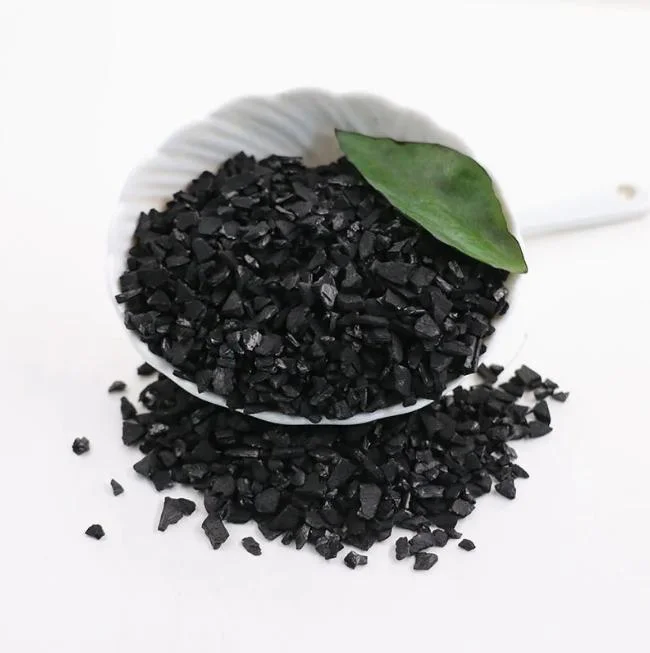
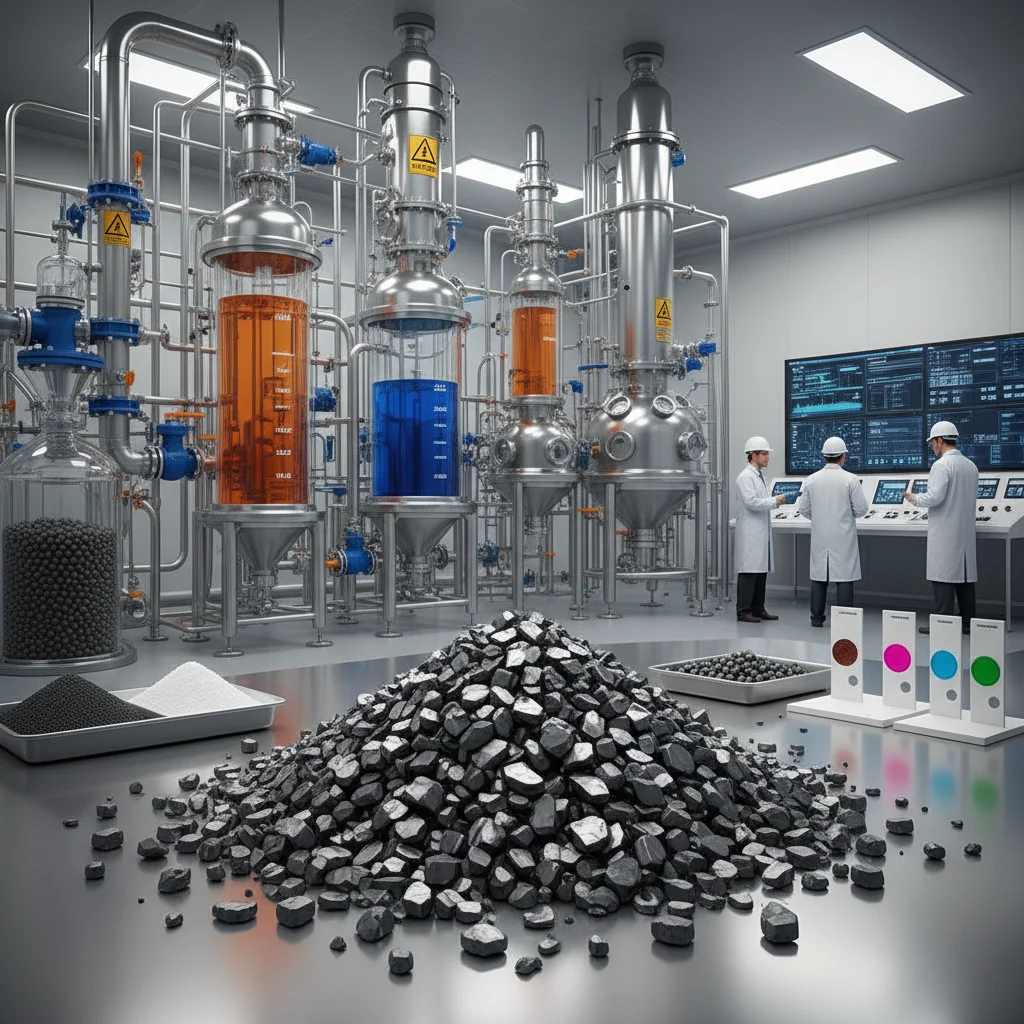
Activated carbon charcoal has emerged as a cornerstone of modern industrial purification, serving as a high-efficiency adsorbent essential for removing impurities from gases and liquids. From the critical purification of pharmaceutical ingredients to the large-scale treatment of municipal wastewater, its unique porous structure allows it to trap organic contaminants and toxins with unmatched precision. As global environmental regulations tighten, the demand for high-purity adsorption media has never been higher.
The effectiveness of this material is rooted in its immense surface area, created through a process called activation which opens up billions of microscopic pores. In the chemical manufacturing sector, specifically within inorganic salt production and mineral processing, the choice of raw material—such as coconut shells—significantly impacts the final adsorption capacity and structural integrity. This makes the selection of a premium grade material vital for maintaining operational efficiency.
For industries seeking to optimize their decontamination processes, utilizing high-activity activated carbon charcoal ensures that volatile organic compounds (VOCs) and heavy metals are removed effectively. By implementing acid-washed, high-iodine value adsorbents, companies can reduce their total cost of ownership while adhering to rigorous global quality standards.

The Industrial Significance of Activated Carbon Charcoal
In the realm of chemical manufacturing, activated carbon charcoal acts as a critical filter that ensures product purity and environmental safety. Its primary role is to remove impurities through adsorption, a process where molecules of gas or liquid adhere to the surface of the carbon. This is particularly vital in the production of inorganic salts and specialized chemicals where even trace amounts of contaminants can compromise the entire batch.
Beyond simple filtration, this material is engineered to handle extreme industrial conditions. The use of steam activation on selected coconut shells creates a highly developed macroporosity, allowing for rapid kinetic movement of toxins into the internal pore structure. This makes it an indispensable tool for industries ranging from gold extraction to biogas desulfurization, ensuring that output meets rigorous international standards.
Core Components and Technical Parameters
The efficacy of activated carbon charcoal is measured by several key technical parameters, with the Iodine Value being the most prominent. An iodine value between 850-1100 mg/g indicates a high density of micropores, which directly correlates to a superior ability to adsorb small organic molecules and VOCs. This high activity is what separates industrial-grade adsorbents from standard charcoal.
Structural strength is another critical factor, especially in systems involving high pressure or frequent cycling. With a strength rating exceeding 90%, our premium carbon minimizes attrition and dust formation. This prevents the clogging of industrial vessels and reduces the frequency of media replacement, leading to a more stable and cost-effective operational cycle.
Finally, chemical purity is ensured through an acid-washed process. This removes residual ash (kept below 10%) and other inorganic impurities that could otherwise leach into the purified stream. Combined with a controlled moisture level of less than 8%, the material provides an ultra-clean medium suitable for the most sensitive chemical purification tasks.
Key Advantages of Coconut Shell Adsorbents
Choosing coconut shell-based activated carbon charcoal offers distinct advantages over coal or wood-based alternatives. The natural density of the coconut shell results in a harder granule with superior structural integrity, which is essential for high-pressure environments like Pressure Swing Adsorption (PSA) systems.
One of the most significant benefits of utilizing this activated carbon charcoal is its optimized porosity. The developed macroporous structure allows for deep-layer decontamination, ensuring that pollutants are not just trapped on the surface but are adsorbed throughout the entire volume of the carbon bed.
Furthermore, the sustainability aspect cannot be overlooked. By utilizing renewable coconut shells and an eco-friendly steam activation process, manufacturers can reduce their carbon footprint. This aligns industrial purification needs with global green energy and sustainability goals without sacrificing performance.
Performance Metrics in PSA Nitrogen Production
Pressure Swing Adsorption (PSA) relies heavily on the kinetic efficiency of the adsorbent. In nitrogen production, activated carbon charcoal is used to remove oxygen and other impurities from the air stream. The success of this process depends on the material's ability to rapidly adsorb and desorb gases under changing pressure cycles.
When comparing premium coconut shell carbon to standard grades, the difference in operational cost becomes evident. High-strength carbon reduces the "dusting" effect, which means fewer filter replacements and less downtime for the PSA system, directly impacting the bottom line of the manufacturing facility.
Adsorption Performance Comparison for Activated Carbon Charcoal
Global Applications and Diverse Use Cases
The versatility of activated carbon charcoal allows it to be deployed across wildly different sectors. In gold mining, it is used for the recovery of gold from cyanide leach solutions, where its high surface area captures gold complexes. Similarly, in the food and beverage industry, it is the gold standard for the decolorization of sugar syrups and the purification of drinking water.
In environmental engineering, specifically for wastewater treatment, this material removes toxic organic compounds and heavy metals that conventional biological treatments cannot handle. From biogas desulfurization in remote energy plants to air purification in urban industrial zones, the ability to customize mesh sizes (from 6 to 50) ensures it fits any vessel or filter requirement perfectly.
Future Trends in Sustainable Adsorption
The future of activated carbon charcoal is moving toward "smart" adsorbents and circular economy models. Innovations in chemical activation are allowing for even more precise pore-size tailoring, meaning carbon can be designed to target one specific molecule while ignoring others, greatly increasing the efficiency of chemical purification.
Digital transformation is also playing a role, with sensors now being integrated into adsorption beds to monitor the "breakthrough point" in real-time. This prevents the premature replacement of carbon and ensures that no contaminants escape the system, optimizing the lifecycle of the activated carbon charcoal used in the plant.
Furthermore, the industry is shifting toward more sustainable regeneration techniques. Rather than disposing of spent carbon, advanced thermal reactivation processes are being refined to restore the carbon's activity, reducing raw material consumption and minimizing the environmental impact of inorganic salt manufacturing.
Overcoming Challenges in Industrial Purification
One of the primary challenges in using activated carbon charcoal is the risk of pore clogging or "fouling" by large molecules. To combat this, the industry has moved toward columnar structures with a balanced distribution of macropores and micropores, ensuring that larger molecules are trapped on the periphery while smaller toxins penetrate deep into the core.
Another common issue is the generation of fines or dust during high-pressure cycles. By strictly controlling the strength rating (maintaining it above 90%) and utilizing coconut shell raw materials, manufacturers can significantly reduce attrition. This ensures that the flow rate remains constant and the downstream equipment remains protected from particulate contamination.
Lastly, the variance in raw material quality can lead to inconsistent performance. The solution lies in rigorous quality control and adherence to inorganic salt manufacturing standards. By implementing strict sourcing protocols for coconut shells and standardized steam activation, a consistent iodine value and pH range (4.5-8) can be guaranteed for every shipment.
Comparative Analysis of Adsorption Solutions for Industrial Purification
| Material Type |
Adsorption Capacity |
Structural Strength |
Replacement Cycle |
| Standard Charcoal |
Low (4-5) |
Moderate (6) |
Frequent |
| Coal-Based Carbon |
Medium (6-7) |
High (7) |
Standard |
| Wood-Based Carbon |
Medium (5-6) |
Low (4) |
Frequent |
| Coconut Shell Carbon |
High (8-9) |
Very High (9) |
Extended |
| Acid-Washed Premium |
Ultra-High (10) |
Extreme (10) |
Optimized |
| Synthetic Resin |
Specific (7-8) |
Moderate (7) |
Moderate |
FAQS
Coconut shell carbon is superior because it possesses a high density of micropores, which are specifically sized to trap small gas molecules and VOCs. Unlike coal or wood, the coconut shell structure is naturally denser, resulting in higher mechanical strength and a higher Iodine Value, which ensures a more thorough purification of the air stream with less material loss.
In PSA systems, activated carbon charcoal is used as the primary adsorbent bed. It traps impurities from the incoming air under high pressure. When the pressure is subsequently lowered (the "swing"), the impurities are released (desorbed) and vented, regenerating the carbon. High-strength carbon is essential here to withstand these constant pressure fluctuations without breaking down into dust.
Yes, our acid-washed columnar activated carbon is ideal for food and beverage applications. The acid-washing process removes ash and impurities, ensuring the carbon itself does not contaminate the product. Its high activity allows for the efficient removal of pigments and organic odors from syrups and oils, meeting food-grade purity standards.
Absolutely. We offer customizable mesh sizes ranging from 6 to 50. Depending on your vessel dimensions and the required flow rate, we can precision-tailor the granule size to balance the trade-off between adsorption contact time and pressure drop across the filter bed.
The Iodine Value (850-1100 mg/g) is a standardized measure of the carbon's microporosity. A higher value indicates a larger internal surface area available for adsorption. For industrial users, a high iodine value means the carbon can hold more contaminants per gram, leading to longer cycles between replacements and higher purity outputs.
Our products are primarily used in gold mining for gold recovery, chemical plants for the production of inorganic salts, biogas plants for desulfurization, and municipal wastewater facilities for toxin removal. We also serve the pharmaceutical and food processing sectors for high-purity decolorization and solvent recovery.
Conclusion
Activated carbon charcoal remains an indispensable asset in the global industrial toolkit, providing a highly efficient, sustainable, and versatile solution for purification. From its exceptional iodine value and structural strength to its wide-ranging applications in PSA nitrogen production and gold recovery, the premium coconut shell variety offers a superior balance of performance and longevity. By focusing on high purity and optimized porosity, industries can achieve ultra-high purification rates while significantly reducing their operational costs and environmental impact.
Looking forward, the integration of smarter monitoring and sustainable regeneration will only enhance the value of these adsorbents. For companies aiming to upgrade their chemical purification systems or meet stricter environmental mandates, investing in high-activity, acid-washed carbon is a strategic move toward operational excellence. To find the perfect grade for your specific industrial needs, visit our website: www.sdjz-chem.com