Best Powdered Activated Carbon Suppliers for Industrial Purification
Finding the Right Powdered Activated Carbon Suppliers for Your Industry
In the modern industrial landscape, the demand for high-efficiency filtration and purification has never been higher. Whether you are managing municipal water treatment or refining complex chemicals, partnering with reliable powdered activated carbon suppliers is the cornerstone of operational success. Powdered Activated Carbon (PAC) offers a rapid adsorption rate and versatility that granular forms cannot match, making it indispensable for removing organic contaminants, odors, and toxins. However, not all suppliers provide the same grade of purity or pore structure. Selecting a partner who understands the nuances of surface area and iodine values can mean the difference between a costly failure and a streamlined, sustainable process.

The Role of Powdered Activated Carbon in Environmental Protection
Powdered activated carbon is primarily used for its exceptional ability to adsorb impurities from liquids and gases. Unlike granular carbon, the smaller particle size of PAC provides a significantly larger external surface area, allowing for near-instantaneous adsorption. This makes it the ideal choice for "shock" treatment, where sudden spikes in pollutant levels occur. Top-tier powdered activated carbon suppliers ensure that their products are activated through precise thermal or chemical processes to maximize the micropore volume. This precision is critical for removing micro-pollutants such as pesticides, pharmaceuticals, and industrial solvents from our water systems, ensuring safety and compliance with global environmental standards.
Comparing Types of Powdered Activated Carbon
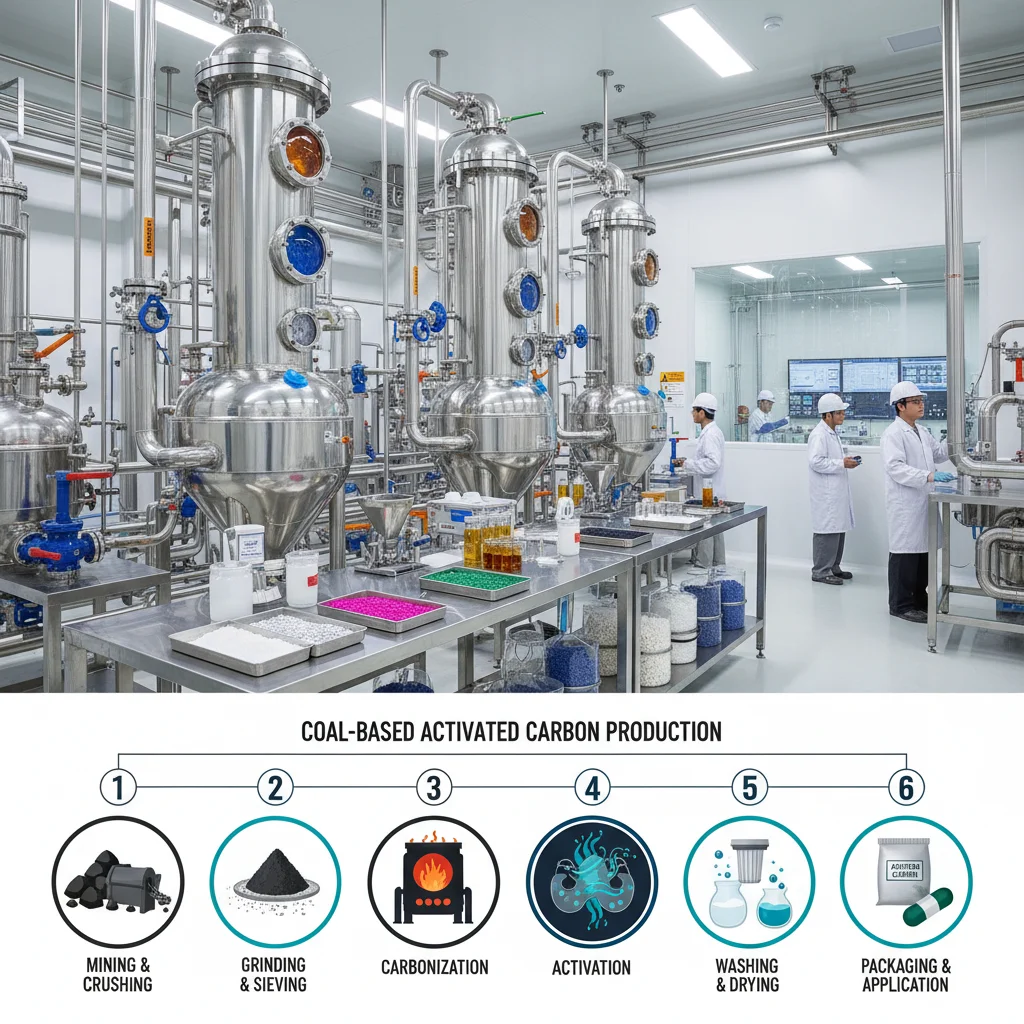
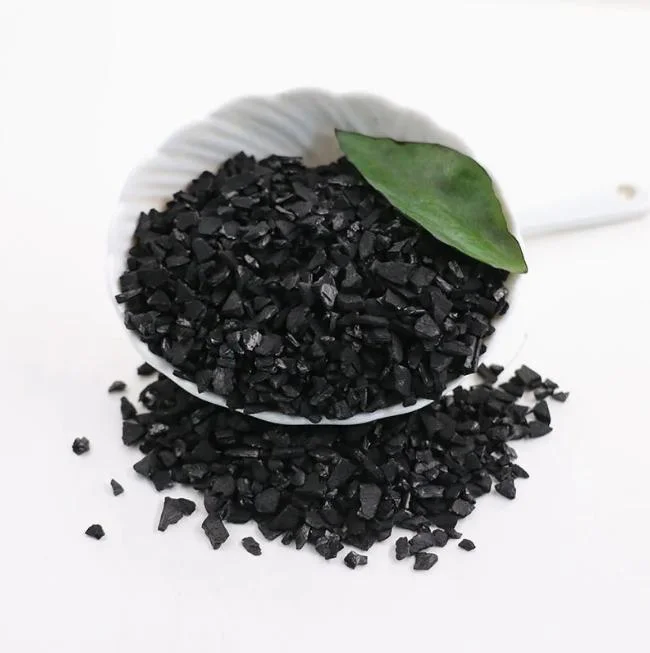
When sourcing from powdered activated carbon suppliers, it is essential to distinguish between the raw materials used for activation. Depending on the precursor—such as coconut shells, coal, or wood—the carbon will possess different pore distributions. For instance, coconut-shell based PAC is renowned for its high density of micropores, making it superior for gas-phase applications and small-molecule removal. In contrast, coal-based carbon often provides a wider range of pore sizes, which is more effective for larger organic molecules. Understanding these differences allows engineers to optimize their dosage and reduce overall waste.
Quality Metrics for Selecting Powdered Activated Carbon Suppliers
When evaluating potential powdered activated carbon suppliers, you must look beyond the price tag. The true value lies in the technical specifications. The Iodine Value is the most common metric for measuring the micropore capacity; a higher value typically indicates a greater surface area for adsorption. Additionally, the Ash Content should be kept low to prevent leaching of minerals back into the treated liquid. A professional supplier will provide a detailed Certificate of Analysis (CoA) for every batch, ensuring that the product meets the exact requirements of your specific application, whether it be food-grade or industrial-grade.
Key Applications of PAC Across Diverse Industries
The versatility of the product provided by powdered activated carbon suppliers allows it to be used in an array of sectors. In the pharmaceutical industry, it is used to remove impurities from active ingredients. In the food and beverage sector, it is essential for decolorizing sugars and removing off-flavors from oils. Most notably, in municipal water treatment, PAC is added directly to the water to remove taste and odor compounds caused by algae blooms. This adaptability ensures that regardless of the contaminant, there is a specific grade of PAC tailored to eliminate it efficiently.

Technical Specifications of Premium Powdered Activated Carbon
To help procurement managers make an informed decision, it is helpful to examine the standard specifications provided by industry-leading powdered activated carbon suppliers. The physical and chemical properties must be balanced to achieve the desired adsorption kinetics. Below is a typical specification table for high-grade coconut-shell PAC used in water treatment:
Conclusion: Maximizing Efficiency with the Right PAC Partnership
Selecting the optimal powdered activated carbon suppliers is not merely a procurement task, but a strategic decision that impacts your entire production chain. By focusing on raw material quality, rigorous technical specifications, and a deep understanding of adsorption kinetics, businesses can significantly enhance their purification efficiency while reducing operational costs. Whether your goal is environmental compliance or product purity, the right carbon solution is the key to sustainable growth. Invest in quality, prioritize technical transparency, and choose a partner committed to excellence.
Frequently Asked Questions (FAQs)
How do I choose between different powdered activated carbon suppliers?
Choosing the right supplier requires a balance of technical capability and reliability. First, evaluate the raw materials they use (coconut shell, coal, etc.) to ensure they match your target pollutant. Second, request a detailed CoA to verify the Iodine Value and Ash Content. Third, check their quality control certifications (such as ISO) to ensure batch-to-batch consistency. Finally, consider their logistics capabilities and ability to provide technical support for dosage optimization. A supplier who offers sample testing and application guidance is typically a more valuable long-term partner than one who competes solely on price.
What is the difference between PAC and GAC?
Powdered Activated Carbon (PAC) consists of very fine particles, typically under 0.18mm, whereas Granular Activated Carbon (GAC) consists of larger grains. The primary difference is the adsorption rate. Because PAC has a much higher external surface area, it works almost instantly and is often used in batch processes or as a temporary additive in water treatment. GAC is typically used in fixed-bed filters where water flows through a column of carbon over a long period. While GAC can be regenerated, PAC is usually disposed of after a single use, making it ideal for handling unpredictable spikes in contamination.
How is the "Iodine Value" calculated and why does it matter?
The Iodine Value is a standardized measure of the carbon's adsorption capacity, specifically for small molecules. It is determined by measuring the amount of iodine from a standard solution that is adsorbed by a specific mass of carbon. A higher iodine number indicates a larger volume of micropores and a greater internal surface area. For those sourcing from powdered activated carbon suppliers, this value is the most reliable indicator of how effectively the carbon will remove small organic molecules, such as those causing odors or tastes in drinking water.
Can PAC be reused after the filtration process?
Generally, PAC is not reused in the same way that GAC is. Due to its fine powder form, recovering PAC from a liquid stream requires expensive centrifugation or membrane filtration, which often outweighs the cost of simply buying new material. Most industrial processes treat PAC as a consumable that is removed along with the sludge during the coagulation and sedimentation phase. However, in some specialized chemical recoveries, advanced separation techniques are used to reclaim the carbon. For the vast majority of applications, the efficiency and speed of PAC make the single-use model the most cost-effective approach.