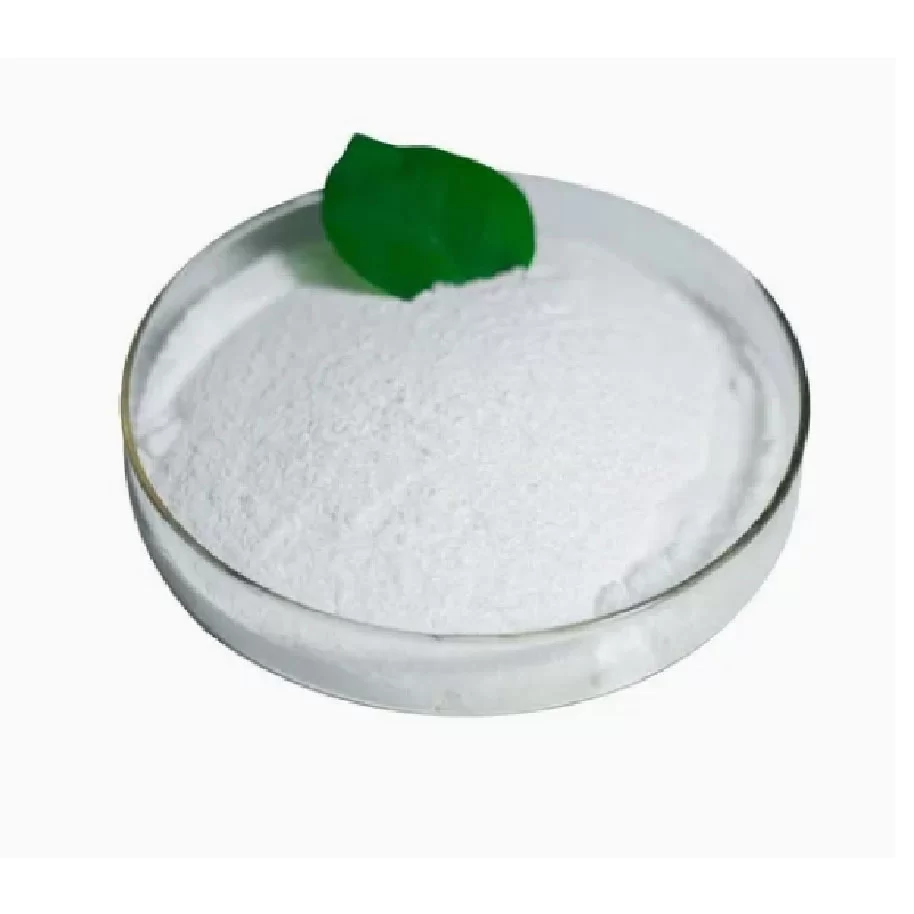
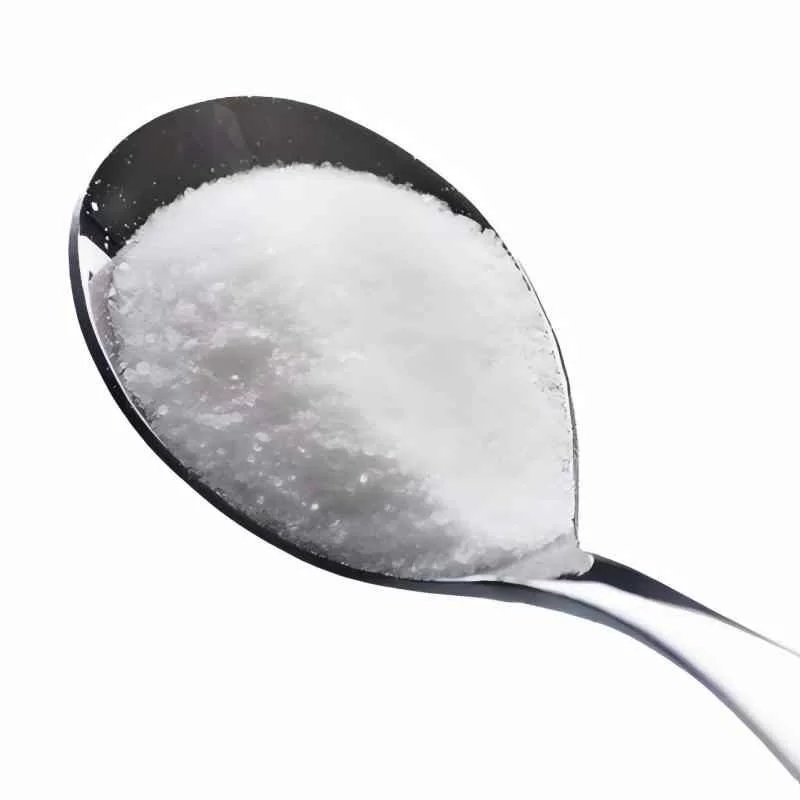
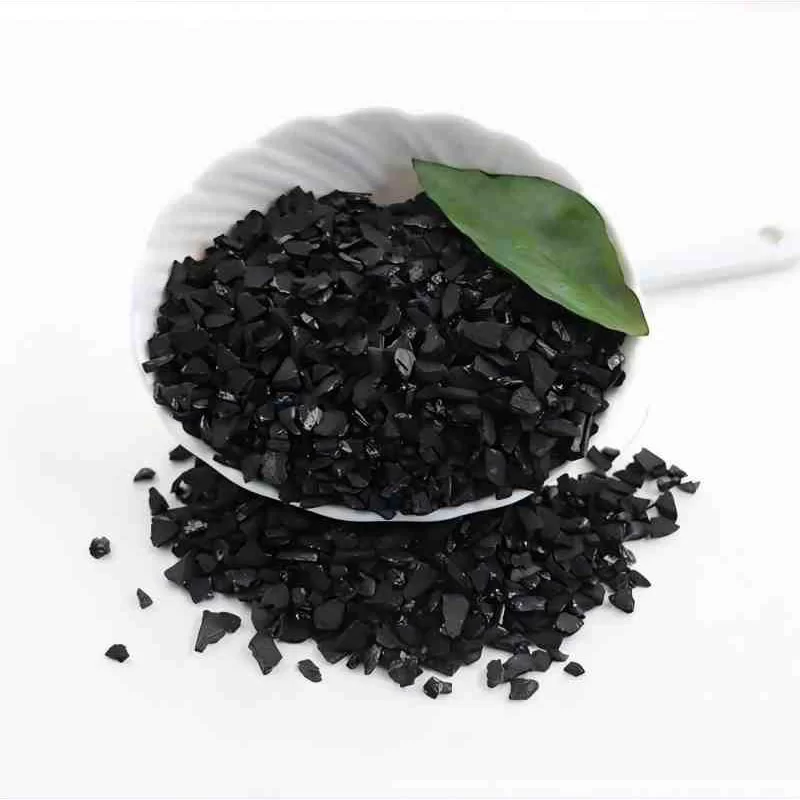
Product keywords : Sodium cyanide Activated carbon Silver Mercury

Myanmar's Premier Aluminum Sulfate Solutions

Providing high-quality chemical raw materials for diverse industrial applications across Myanmar.

Current State of the Inorganic Salt Industry in Myanmar

An overview of the challenges and opportunities in Myanmar's chemical raw material market.

Myanmar's inorganic salt manufacturing sector is currently experiencing a period of growth, driven by increased demand from the textile, water treatment, and agricultural industries. The country's strategic location and abundant natural resources provide a foundation for local production, but reliance on imports for specialized chemicals remains a significant challenge. The demand for aluminum sulfate in water purification is particularly high due to increasing urbanization and concerns over water quality.

Geographically, the majority of chemical manufacturing is concentrated around Yangon and Mandalay, leveraging existing infrastructure and access to transportation networks. However, logistical bottlenecks and inconsistent power supply hinder efficiency. The tropical climate also presents challenges for storage and handling of sensitive chemicals like benzoic acid, requiring specialized facilities and expertise.

Economically, Myanmar's recent political and economic reforms have opened up the market to foreign investment, leading to increased competition and the introduction of new technologies. However, navigating the regulatory landscape and addressing concerns over environmental sustainability are crucial for long-term growth. The need for locally sourced activated carbon is growing alongside increasing environmental awareness.
Historical Development and Evolution of Inorganic Salt Manufacturing in Myanmar

Tracing the industry’s progress from traditional methods to modern techniques.

Market Development History

Prior to the 1990s, Myanmar's chemical industry was largely state-controlled and focused on basic commodity chemicals. Production methods were often outdated and inefficient, relying heavily on manual labor. Limited access to foreign technology and investment constrained growth. The early stages of calcium hypochlorite production were primarily for disinfection purposes.

The liberalization of the economy in the 2000s brought about gradual reforms, attracting foreign investment and facilitating the adoption of more advanced manufacturing processes. Small-scale private enterprises began to emerge, specializing in the production of specific inorganic salts. Improvements in infrastructure and logistics also contributed to increased efficiency.

In the 2010s, the demand for specialized chemicals, such as xanthan gum for the food and pharmaceutical industries, began to rise. This led to further investment in research and development, as well as collaborations with international suppliers. The adoption of automated control systems and quality control measures improved product consistency and reliability.

Future Development Trends

Advanced Purification Technologies

The future will see a focus on advanced purification technologies to produce high-purity inorganic salts for specialized applications. This includes membrane filtration, ion exchange, and crystallization techniques.

Sustainable Production Practices

Growing environmental concerns will drive the adoption of sustainable production practices, such as waste recycling, water conservation, and the use of renewable energy sources.

Digitalization and Automation

Digitalization and automation will play an increasingly important role in optimizing production processes, improving efficiency, and reducing costs. This includes the implementation of smart sensors, data analytics, and artificial intelligence.

Industry Trends and Future Outlook for Inorganic Salts in Myanmar

Predicting the direction of the industry over the next 3-5 years.

Growing Water Treatment Demand
Increased urbanization and industrialization will drive demand for water treatment chemicals like aluminum sulfate and calcium hypochlorite, supported by government initiatives to improve water quality.
Expansion of the Textile Industry
Myanmar’s textile industry is expanding rapidly, creating increased demand for chemicals like benzoic acid used in dyeing and finishing processes.
Agricultural Sector Growth
Increased agricultural production will drive demand for chemicals used in fertilizers and pesticides, impacting the need for specific inorganic salts.
Rising Demand for Food Additives
The expanding food processing industry will lead to increased demand for food-grade chemicals like xanthan gum, used as a thickening and stabilizing agent.

Industry Outlook

Over the next 3-5 years, Myanmar's inorganic salt industry is expected to experience sustained growth, driven by economic development and increasing demand from various sectors. The key trends will be a focus on higher-quality products, sustainable production practices, and the adoption of advanced technologies.

Google Trends data indicates a rising search volume for terms related to water treatment chemicals and industrial raw materials in Myanmar, confirming the growing demand and indicating significant market opportunities for suppliers.

Local Applications of Inorganic Salts in Myanmar

Exploring the diverse applications of these chemicals within the Myanmar context.

1. Water Purification in Yangon

Aluminum sulfate is extensively used in Yangon's municipal water treatment plants to remove impurities and provide clean drinking water to the city’s growing population.

2. Textile Dyeing in Mandalay

Benzoic acid serves as a crucial component in the dyeing process within Mandalay’s thriving textile industry, ensuring vibrant and long-lasting colors.

3. Agricultural Soil Treatment in the Irrawaddy Delta

Calcium hypochlorite is employed by farmers in the Irrawaddy Delta to disinfect irrigation water and prevent the spread of plant diseases, boosting crop yields.

4. Food Processing in Naypyidaw

Xanthan gum is increasingly utilized in food processing facilities in Naypyidaw as a thickening agent and stabilizer in various food products, improving texture and shelf life.

5. Paper and Pulp Industry in Bago Region

Activated carbon is utilized in the paper and pulp manufacturing within the Bago Region to decolorize and purify pulp, improving the quality of the final paper product.

Brand Story

Shandong Jiuzhou Chemical Co., Ltd.'s Global Development Journey

Foundation and Commitment to Quality

Established in 2005, Shandong Jiuzhou Chemical Co., Ltd. began with a core commitment to providing high-quality inorganic salts to meet the growing needs of diverse industries.

Expansion into International Markets

In 2010, we expanded our reach beyond domestic markets, establishing partnerships with distributors in Southeast Asia, including initial exploration of the Myanmar market.

Investment in R&D

2015 saw significant investment in research and development, allowing us to enhance product quality and develop innovative solutions tailored to specific customer needs.

Sustainable Practices Implementation

We implemented sustainable manufacturing practices in 2018, reducing our environmental impact and ensuring responsible sourcing of raw materials.

Dedicated Myanmar Market Focus

In 2020, we began a focused strategy to serve the unique needs of the Myanmar market, establishing local partnerships and adapting our products to local requirements.

Frequently Asked Questions - Myanmar Market

Addressing common inquiries from our customers in Myanmar.

What is the typical lead time for delivering aluminum sulfate to Yangon?

Typical lead times vary depending on order volume and shipping conditions, but generally range from 2-4 weeks from the date of order confirmation.

Do you offer customized packaging options for benzoic acid shipments to Myanmar?

Yes, we provide flexible packaging options to meet specific customer requirements, including different bag sizes and materials. We will work with you on the details.

What are the import regulations for calcium hypochlorite in Myanmar?

Calcium hypochlorite is subject to import permits and compliance with safety regulations. We can provide guidance and support to ensure a smooth import process.

Is your xanthan gum certified for food-grade applications in Myanmar?

Yes, our xanthan gum meets international food-grade standards and is suitable for use in food processing applications within Myanmar.

Can you provide technical data sheets (TDS) and safety data sheets (SDS) for your activated carbon products?

Absolutely. We provide comprehensive TDS and SDS documentation for all our products, readily available upon request.

What payment methods do you accept for orders from Myanmar?

We accept Telegraphic Transfer (T/T) and Letter of Credit (L/C) for international orders, including those from Myanmar.

Get in Touch with Us

We are dedicated to providing high-quality chemical solutions to businesses across Myanmar. Contact us today to discuss your specific needs.

Contact Us Now

If you are interested in our products, you can choose to leave your information here, and we will be in touch with you shortly.