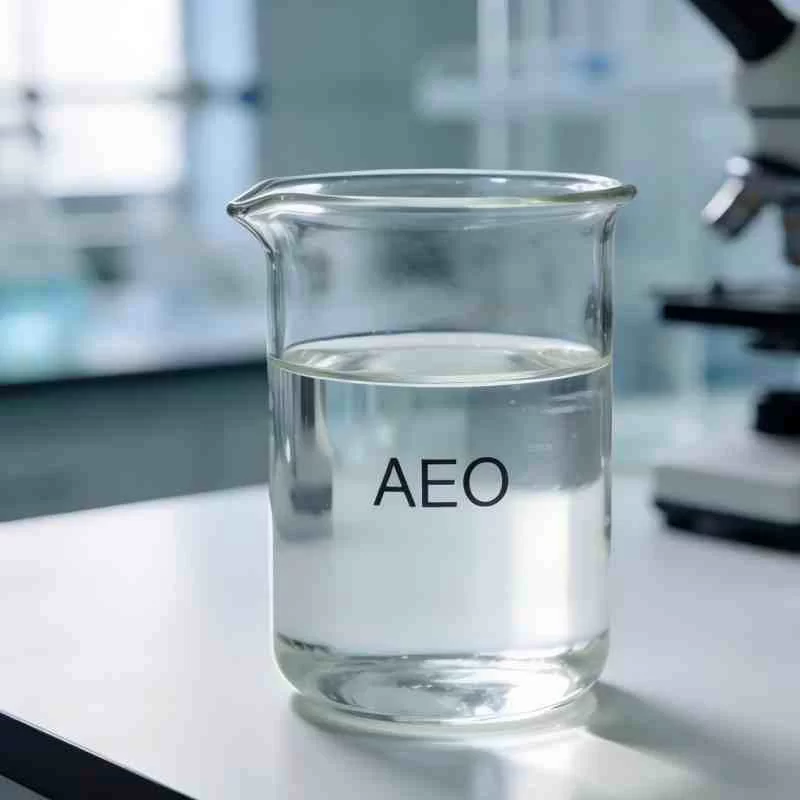
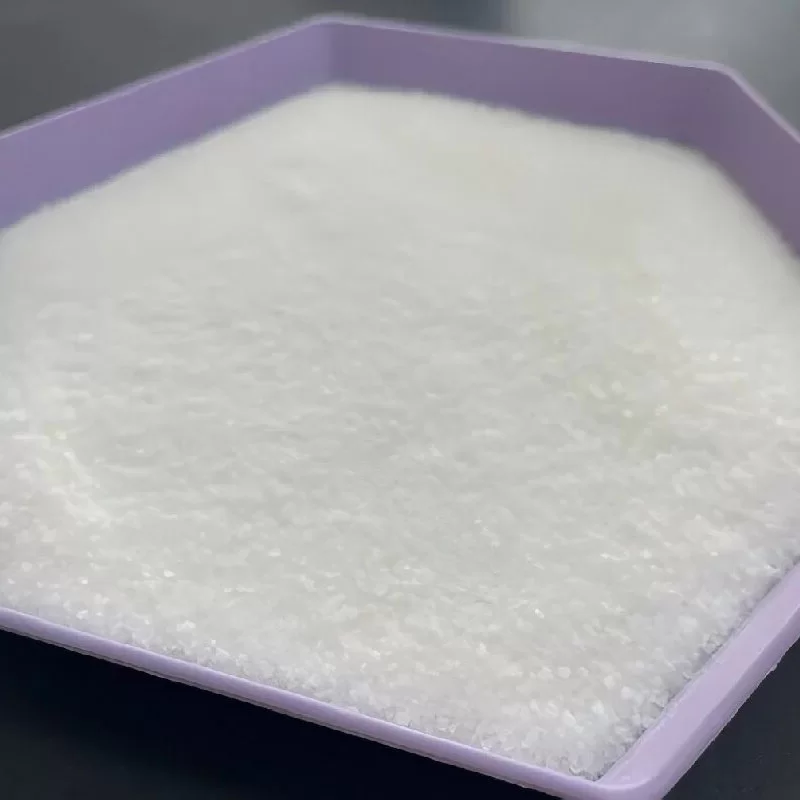
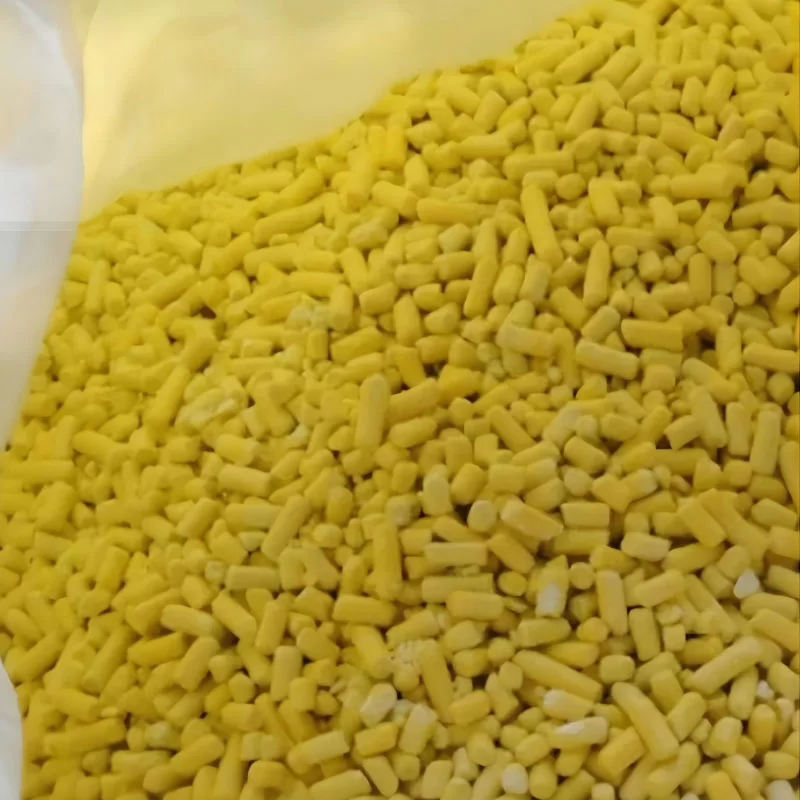
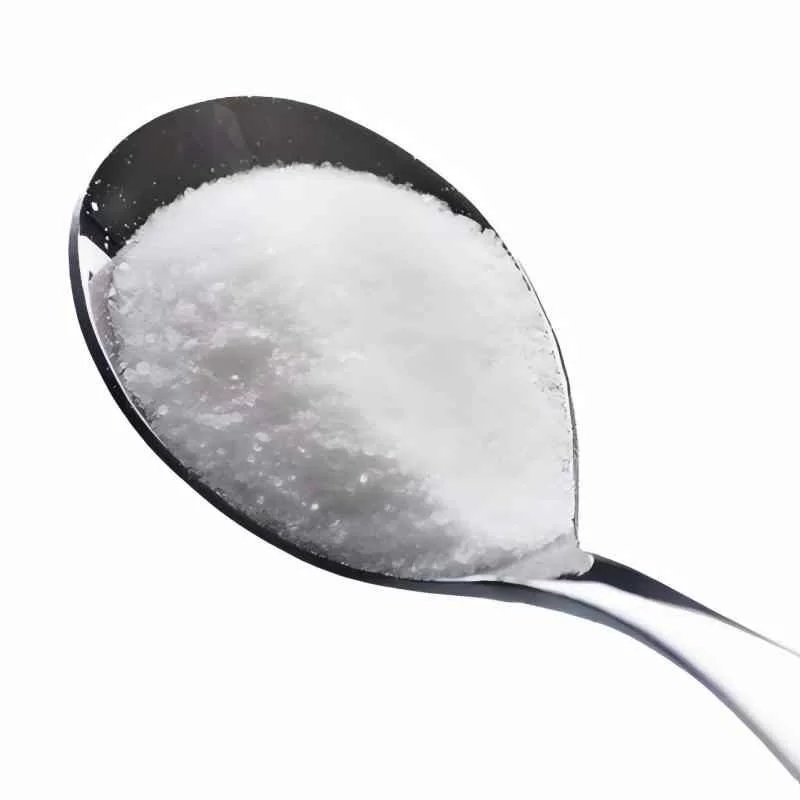
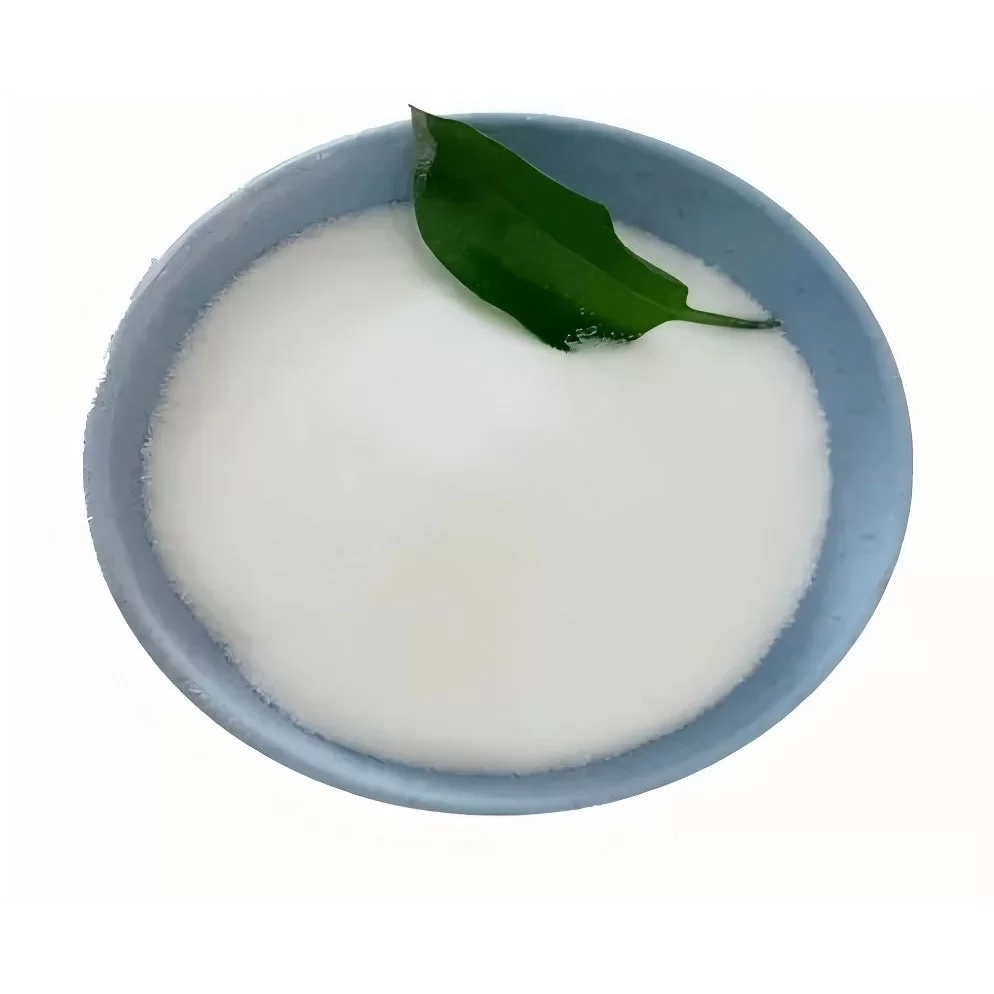
Product keywords : Sodium cyanide Activated carbon Silver Mercury

Calcium Hypochlorite Solutions for Sri Lankan Industries

Providing high-quality inorganic salts for diverse applications across Sri Lanka.

Current Landscape of Inorganic Salt Manufacturing in Sri Lanka

An overview of the challenges and opportunities in the Sri Lankan inorganic salt market.

Sri Lanka's inorganic salt manufacturing sector is heavily reliant on imports, particularly for specialized chemicals like aluminum sulfate and xanthan gum. The island nation's limited domestic raw material availability and relatively small-scale production capacity contribute to this dependence. Demand is driven by water treatment, agriculture, and textile industries.

Geographically, the coastal regions of Sri Lanka are key consumers due to the concentration of industries requiring water purification and bleaching agents. The climate, characterized by high humidity and rainfall, necessitates efficient water treatment solutions, increasing the demand for chemicals like calcium hypochlorite. Economic factors, including fluctuating exchange rates and import duties, significantly impact the cost and availability of these materials.

The industry faces challenges related to stringent environmental regulations and the need for sustainable production practices. There is a growing emphasis on eco-friendly alternatives and responsible chemical handling, creating a demand for suppliers committed to environmental stewardship. The competitive landscape involves both local distributors and direct imports from countries like India and China.
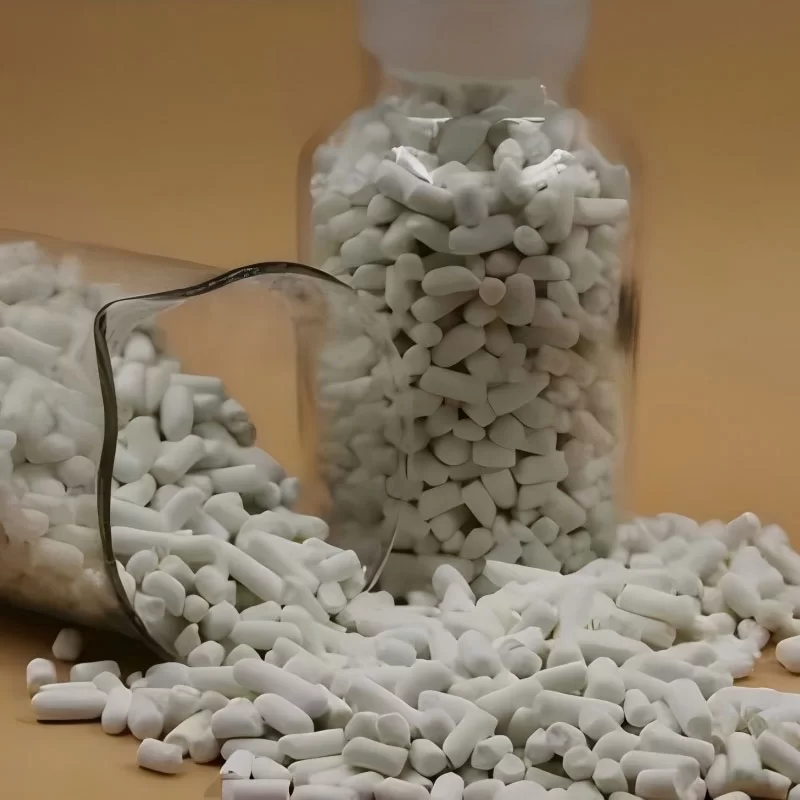
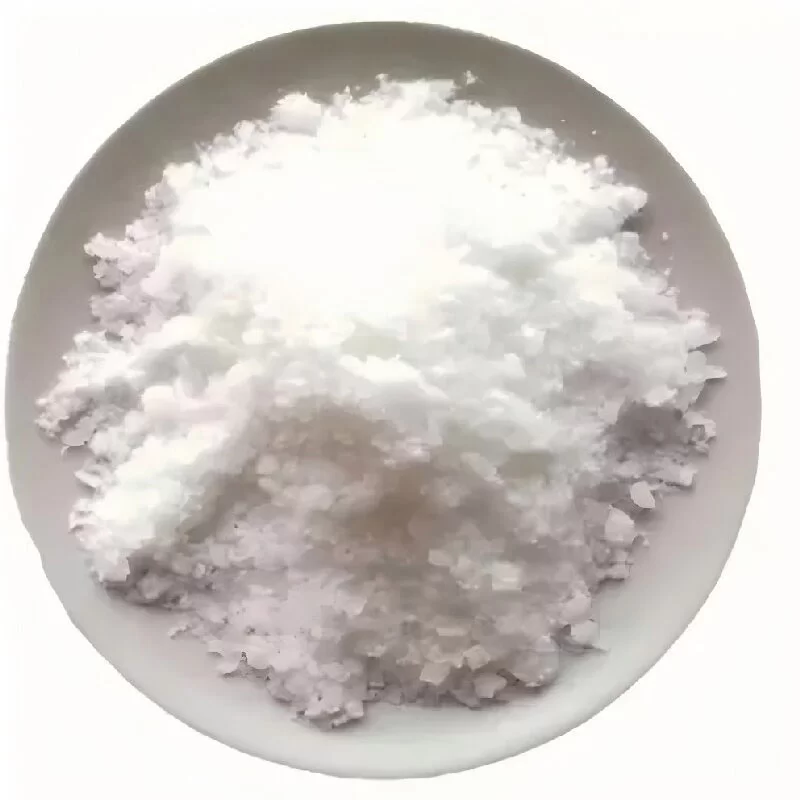
Historical Development and Evolution of Inorganic Salt Production in Sri Lanka

Tracing the evolution of inorganic salt manufacturing from traditional methods to modern technologies.

Market Development History

Historically, inorganic salt production in Sri Lanka was limited to basic salt extraction from seawater using traditional evaporation techniques. Prior to the 1980s, the majority of specialized inorganic salts were imported. The liberalization of the Sri Lankan economy in the late 1970s and early 1980s spurred investment in basic chemical manufacturing.

The 1990s witnessed the establishment of small-scale production facilities for chemicals like benzoic acid, primarily serving the food and beverage industry. However, these facilities often relied on imported raw materials. The early 2000s saw increased demand for water treatment chemicals, particularly calcium hypochlorite, driven by growing urbanization and industrialization.

More recently, there's been a shift towards seeking higher-purity chemicals and specialized formulations. Technological advancements in purification and synthesis processes have become crucial, driving demand for expertise and advanced equipment. The need for environmentally sustainable practices is also shaping the market.

Future Development Trends

Enhanced Purification Technologies

The future will see a growing emphasis on advanced purification technologies, such as membrane filtration and ion exchange, to produce higher-purity inorganic salts. This trend is driven by the increasing demands of sensitive applications in pharmaceuticals and electronics.

Sustainable Production Processes

Green chemistry principles and sustainable production methods will become increasingly important. This includes minimizing waste generation, reducing energy consumption, and utilizing renewable resources. Companies adopting these practices will gain a competitive advantage.

Localized Production and Supply Chains

There's a potential for increased localized production of certain inorganic salts to reduce reliance on imports and shorten supply chains. This could involve partnerships between local manufacturers and international technology providers.

Industry Trends and Future Outlook for Inorganic Salts in Sri Lanka

Analyzing emerging trends and forecasting future developments in the Sri Lankan inorganic salt market.

Growing Demand for Water Treatment Chemicals
Increased urbanization and industrial activity in Sri Lanka are driving demand for efficient water treatment solutions, benefiting chemicals like calcium hypochlorite.
Rising Adoption of Sustainable Practices
Companies are increasingly adopting eco-friendly production methods and seeking sustainable alternatives to traditional inorganic salts.
Increased Focus on Product Purity
Demand for high-purity inorganic salts is growing, particularly in sectors like pharmaceuticals and food processing.
Expansion of Agricultural Applications
Increasing use of inorganic salts in fertilizers and soil conditioning is driving demand in the agricultural sector.

Industry Outlook

The Sri Lankan inorganic salt market is expected to experience moderate growth in the coming years, driven by increasing demand from water treatment, agriculture, and industrial sectors. The key to success will be adopting sustainable practices, ensuring product quality, and offering competitive pricing.

Opportunities exist for local manufacturers to expand their production capacity and reduce reliance on imports. Collaborations with international technology providers can help facilitate this transition and introduce advanced manufacturing techniques. Focusing on niche applications and specialized formulations can also create a competitive edge.

Localized Applications of Inorganic Salts in Sri Lanka

Exploring specific application scenarios relevant to the Sri Lankan context.

1. Water Purification in Coastal Communities

Coastal communities in Sri Lanka often face challenges with saline water contamination. Calcium hypochlorite is widely used for disinfecting drinking water sources and ensuring access to safe water in these areas.

2. Tea Plantation Soil Amendment

Sri Lanka's tea industry relies on maintaining optimal soil pH levels. Aluminum sulfate is used to lower the pH of alkaline soils, improving nutrient availability and enhancing tea leaf quality.

3. Textile Bleaching in Export-Oriented Factories

The textile industry in Sri Lanka, focused on export markets, utilizes calcium hypochlorite for bleaching cotton and other fabrics, preparing them for dyeing and finishing processes.

4. Rubber Processing Aid

Xanthan gum is used as a stabilizer and thickener in rubber processing for various industrial applications in Sri Lanka, enhancing the quality and consistency of the final products.

5. Food Preservation in Local Industries

Benzoic acid is used as a preservative in the local food and beverage industry, extending the shelf life of products and maintaining quality standards.

Brand Story

Shandong Jiuzhou Chemical Co., Ltd.'s Global Development Journey

Commitment to Quality and Reliability

Since our inception, Shandong Jiuzhou Chemical has been dedicated to providing high-quality inorganic salts to meet the evolving needs of industries worldwide. We prioritize rigorous quality control and consistent product performance.

Expanding Global Reach

Over the years, we've expanded our global footprint, serving customers in diverse markets. Our commitment to customer satisfaction and timely delivery has fueled our growth.

Sustainability and Innovation

We are dedicated to sustainable manufacturing practices and continuous innovation. We strive to minimize our environmental impact and develop cutting-edge solutions for our customers.

Partnering for Success

We believe in building long-term partnerships with our customers, providing technical support and customized solutions to help them achieve their business goals.

Addressing the Sri Lankan Market

We are committed to providing reliable and high-quality inorganic salt solutions to Sri Lankan industries, supporting their growth and development.

Frequently Asked Questions – Local Market

Addressing common inquiries about our products and services in Sri Lanka.

What is the typical lead time for calcium hypochlorite deliveries to Colombo, Sri Lanka?

Lead times to Colombo typically range from 2-4 weeks, depending on order volume and shipping availability. We work with reliable logistics partners to ensure timely delivery.

Do you offer aluminum sulfate grades specifically designed for tea plantation soil pH adjustment?

Yes, we provide specialized aluminum sulfate formulations optimized for tea plantation soil amendment, ensuring effective pH control and nutrient uptake.

What certifications do you hold that demonstrate your commitment to quality and environmental responsibility?

We are ISO 9001 certified for quality management and ISO 14001 certified for environmental management, demonstrating our commitment to responsible manufacturing practices.

Can you provide technical data sheets and safety data sheets (SDS) for your benzoic acid products?

Yes, we readily provide detailed technical data sheets (TDS) and safety data sheets (SDS) for all our products, ensuring you have the information needed for safe and effective use.

What are the payment terms for orders from Sri Lankan customers?

We typically offer payment terms of 30% upfront and 70% upon shipment. We can discuss alternative arrangements based on established creditworthiness.

How can I request a custom formulation of xanthan gum tailored to my specific application?

Please contact our technical support team with details of your application requirements, and we will work with you to develop a custom xanthan gum formulation.

Get in Touch with Us

We are dedicated to serving industries in Asia - Sri Lanka with premium inorganic salt solutions.

Contact Us Now

If you are interested in our products, you can choose to leave your information here, and we will be in touch with you shortly.