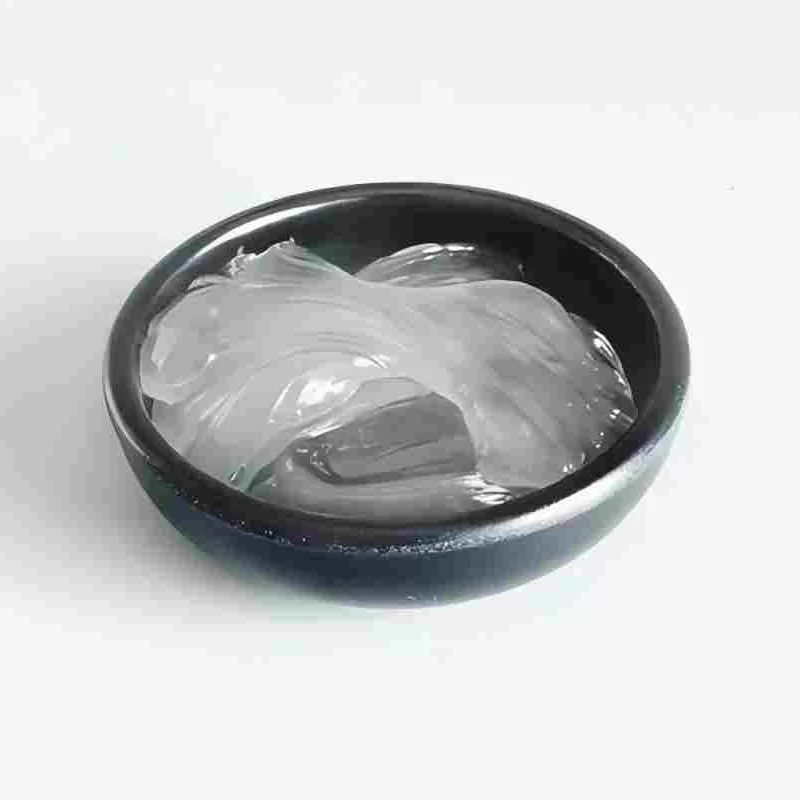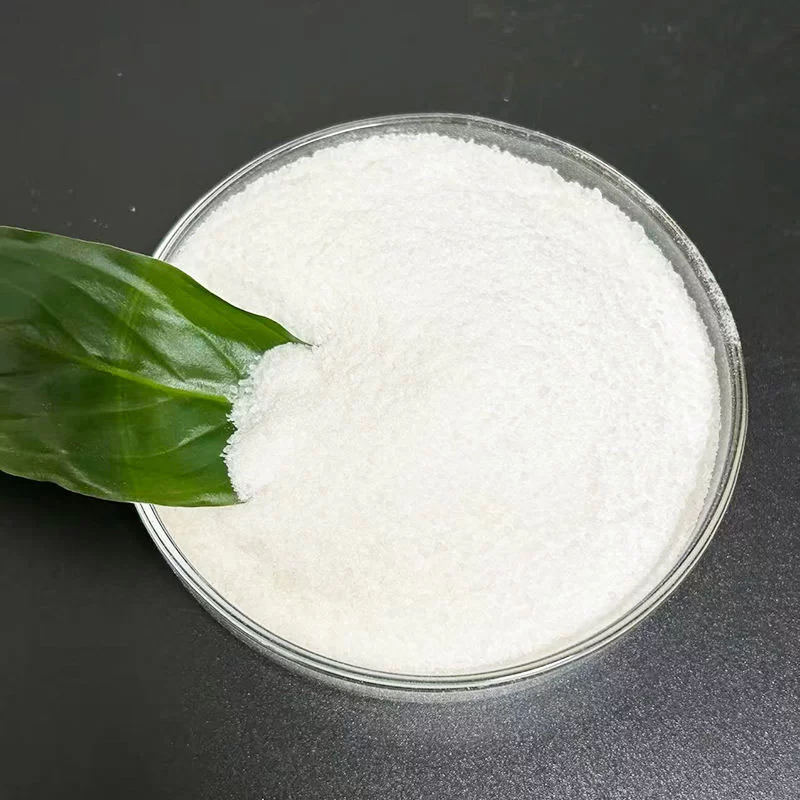
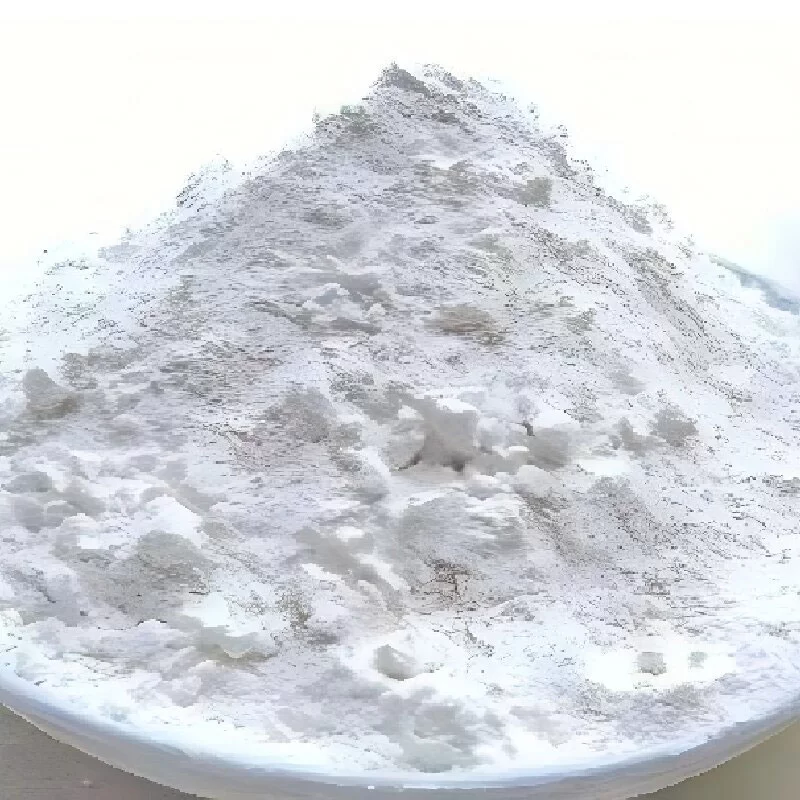
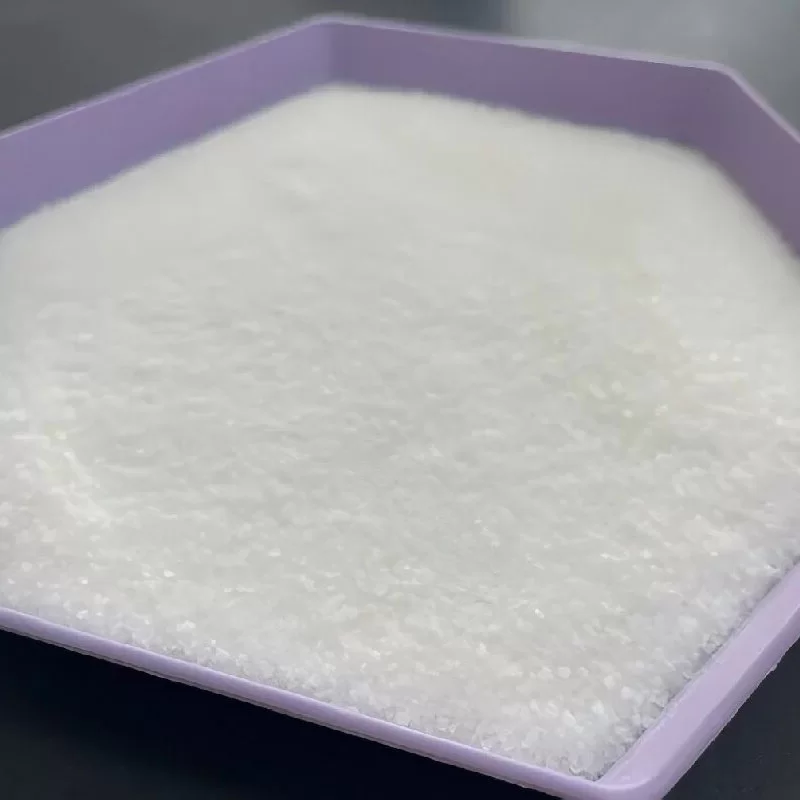
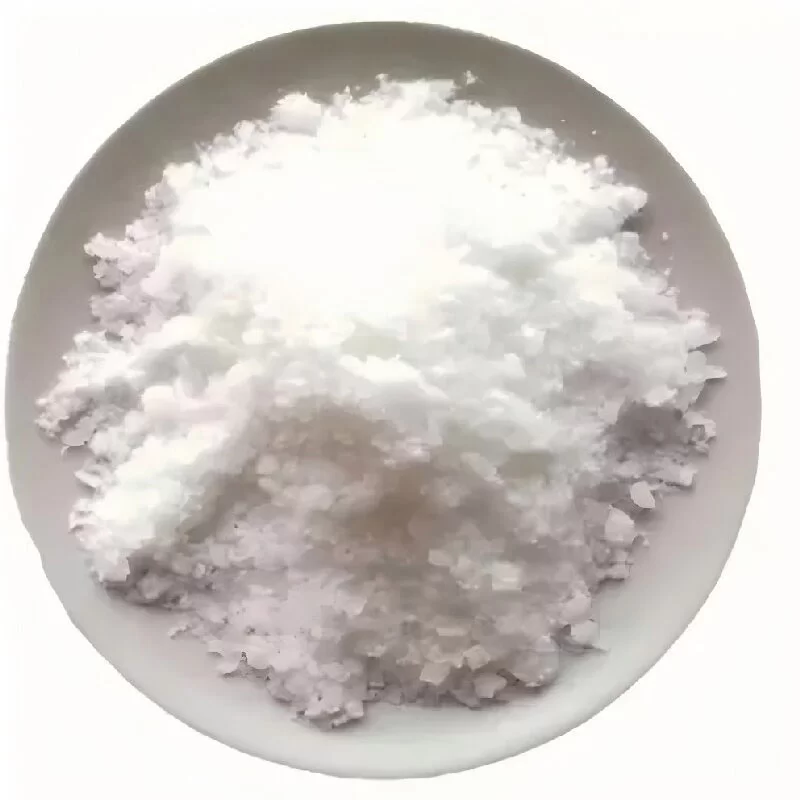
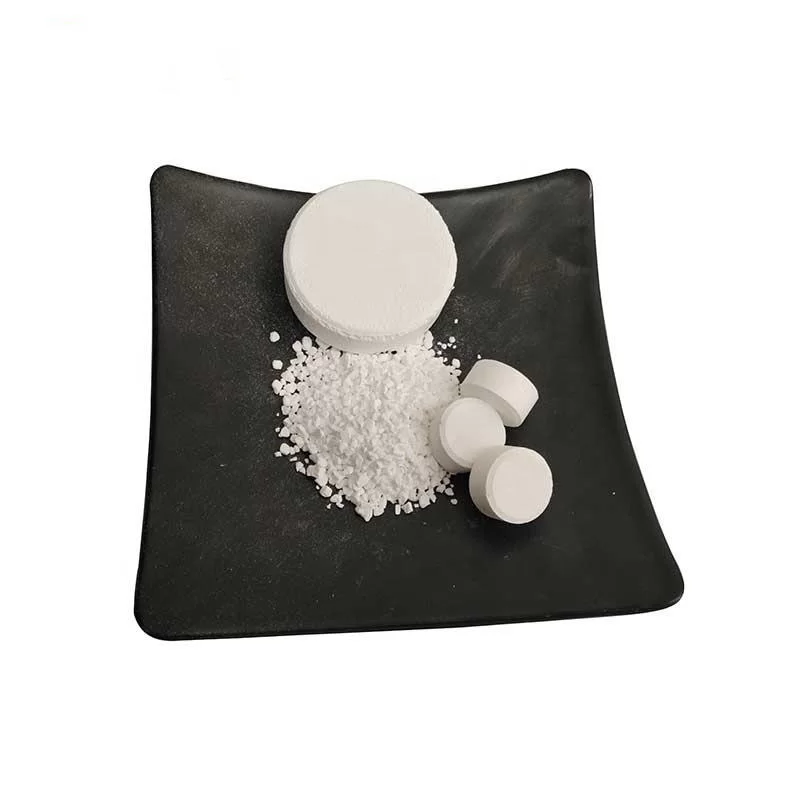
Product keywords : Sodium cyanide Activated carbon Silver Mercury

Calcium Hypochlorite Solutions for Norway’s Industrial Needs

Providing high-quality chemical products to support Norway's manufacturing sector.

Current State of Inorganic Salt Manufacturing in Norway

Analyzing the landscape of inorganic salt production and demand within the Norwegian market.

Norway’s inorganic salt manufacturing sector is characterized by a strong focus on sustainability and environmental responsibility, aligning with the country's stringent regulations and commitment to green practices. The demand is driven primarily by the pulp and paper industry, water treatment facilities, and the burgeoning aquaculture sector, all of which rely heavily on chemicals like calcium hypochlorite and aluminum sulfate. The geographic constraints and high operational costs in Norway necessitate efficient supply chain management and often favor imports.

The market is relatively small compared to larger European counterparts, which necessitates specialization and a focus on high-value products. Norwegian manufacturers often prioritize niche applications and customized solutions, rather than competing on volume. The emphasis on quality control and adherence to international standards (ISO, REACH) is paramount. Demand for activated carbon in water purification is increasing due to heightened environmental concerns.

The region’s climate, with its long winters and reliance on heating and infrastructure maintenance, drives consistent demand for de-icing salts and corrosion inhibitors, utilizing inorganic salt compounds. Furthermore, the growing emphasis on sustainable aquaculture practices is creating demand for environmentally friendly water treatment solutions involving chemicals like benzoic acid for preservation.

Historical Development and Trajectory of Inorganic Salt Manufacturing

Tracing the evolution of inorganic salt production techniques and their impact on the Norwegian market.

Market Development History

Historically, inorganic salt production in Norway was largely centered around resource extraction and basic chemical processing, primarily serving the local fishing and agricultural industries. Before the 1980s, methods were rudimentary, relying on natural brines and mineral deposits. The 1980s and 90s saw a shift towards more industrialized processes, with the adoption of advanced electrolysis and chemical synthesis techniques.

The 2000s brought increased focus on environmental regulations, forcing manufacturers to invest in cleaner production technologies and waste management systems. This period also witnessed the rise of specialized chemical suppliers catering to the growing aquaculture and oil & gas sectors. The demand for xanthan gum began to grow within the food processing industry.

From 2010 to the present, digitalization and automation have become increasingly prominent. The adoption of advanced process control systems and data analytics is improving efficiency and quality control. Sustainable sourcing and circular economy principles are driving innovation in raw material procurement and waste reduction.

Future Development Trends

Green Chemistry & Sustainable Production

The future will see a stronger emphasis on green chemistry principles, utilizing renewable resources and minimizing waste generation. Expect increased adoption of bio-based raw materials and energy-efficient production processes.

Digitalization & Smart Manufacturing

Further integration of Industry 4.0 technologies, including IoT sensors, AI-powered process optimization, and predictive maintenance, will drive efficiency and reduce costs.

Specialization & Niche Markets

Norwegian manufacturers will increasingly focus on specialized products and customized solutions, catering to niche markets with high-value applications. The quality control of aluminum sulfate will become more and more important.

Industry Trends and Future Outlook

Exploring the future direction of inorganic salt manufacturing in Norway.

Increased Demand for Water Treatment Chemicals
Growing environmental regulations and increased industrial activity will drive demand for high-quality water treatment chemicals, including calcium hypochlorite and activated carbon.
Rise of Sustainable Aquaculture Solutions
The expanding Norwegian aquaculture industry will necessitate environmentally friendly chemical solutions for water purification, disease control, and feed preservation, increasing demand for benzoic acid and other specialized chemicals.
Increased Focus on Circular Economy
The adoption of circular economy principles will drive demand for chemical recycling technologies and sustainable sourcing practices, impacting the entire value chain.
Technological Advancements in Production
Continuous improvements in chemical engineering and process automation will lead to more efficient and sustainable manufacturing processes.

Industry Outlook

The Norwegian inorganic salt market is expected to grow steadily in the coming years, driven by the increasing demand from key industries and the country's commitment to sustainability. The market will favor suppliers who can provide high-quality products, customized solutions, and demonstrate a strong commitment to environmental responsibility.

Investment in research and development will be crucial for driving innovation and maintaining a competitive edge. Collaboration between manufacturers, research institutions, and government agencies will be essential for addressing the challenges and opportunities facing the industry.

Local Application Scenarios

Exploring real-world applications of inorganic salts in various Norwegian industries.

1. Pulp and Paper Industry

Norwegian pulp and paper mills utilize significant quantities of aluminum sulfate for pH control and fiber processing, ensuring high-quality paper production. The unique climatic conditions of Norway demand specialized chemical formulations to withstand harsh winters and maintain consistent performance.

2. Water Treatment Facilities

Municipal water treatment plants across Norway rely on calcium hypochlorite for disinfection, ensuring safe and clean drinking water for residents. The stringent quality standards and environmental regulations require highly effective and reliable disinfection solutions.

3. Aquaculture Operations

Norwegian salmon farms utilize benzoic acid as a preservative in fish feed, maintaining its nutritional value and preventing spoilage during storage and transportation. This is crucial for ensuring the quality and safety of exported salmon products.

4. De-icing & Road Maintenance

During the long Norwegian winters, inorganic salts are crucial for de-icing roads and maintaining safe transportation networks. Environmentally friendly alternatives are gaining traction, driving innovation in salt formulations.

5. Oil & Gas Industry

The oil and gas sector in Norway leverages specialized inorganic salts for drilling fluids, corrosion inhibition, and other critical applications. Strict safety standards and environmental regulations drive the demand for high-performance and eco-friendly solutions.

Brand Story

Shandong Jiuzhou Chemical Co., Ltd.'s Global Development Journey

Foundational Commitment to Quality

Established in 2005, Shandong Jiuzhou Chemical Co., Ltd. began with a steadfast commitment to delivering high-quality chemical raw materials.

Expansion into International Markets

By 2010, we expanded our reach into international markets, providing solutions to diverse industries globally.

Focus on Sustainable Practices

In 2015, we prioritized sustainable manufacturing practices and environmental responsibility.

Technological Advancement & Innovation

From 2020 onwards, we have invested heavily in R&D to develop innovative chemical solutions and enhance our production capabilities.

Partnering for Success

We aim to build lasting partnerships with our clients, providing them with reliable, cost-effective, and environmentally sound chemical solutions.

Local FAQs

Addressing common questions about our products and services in Norway.

What are the typical lead times for calcium hypochlorite delivery to Norway?

Lead times vary depending on order volume and current shipping schedules, but generally range from 7-14 business days.

Do you provide technical data sheets (TDS) and safety data sheets (SDS) for your products?

Yes, comprehensive TDS and SDS documents are available for all our products, ensuring compliance with Norwegian regulations.

What quality certifications does your company hold?

We are ISO 9001:2015 certified and adhere to REACH regulations, guaranteeing the highest quality standards.

Can you accommodate customized packaging requirements for bulk orders?

Yes, we offer flexible packaging options to meet specific customer needs, including different container sizes and labeling requirements.

What are your payment terms for international orders to Norway?

We typically offer payment terms of Letter of Credit (L/C) or Telegraphic Transfer (T/T). Specific terms can be negotiated.

Do you offer support with navigating Norwegian import regulations for chemical products?

We have a dedicated team that can assist with documentation and ensure compliance with Norwegian import regulations.

Get in Touch with Us

We are dedicated to providing reliable chemical solutions to industries across Europe - Norway.

Contact Us Now

If you are interested in our products, you can choose to leave your information here, and we will be in touch with you shortly.