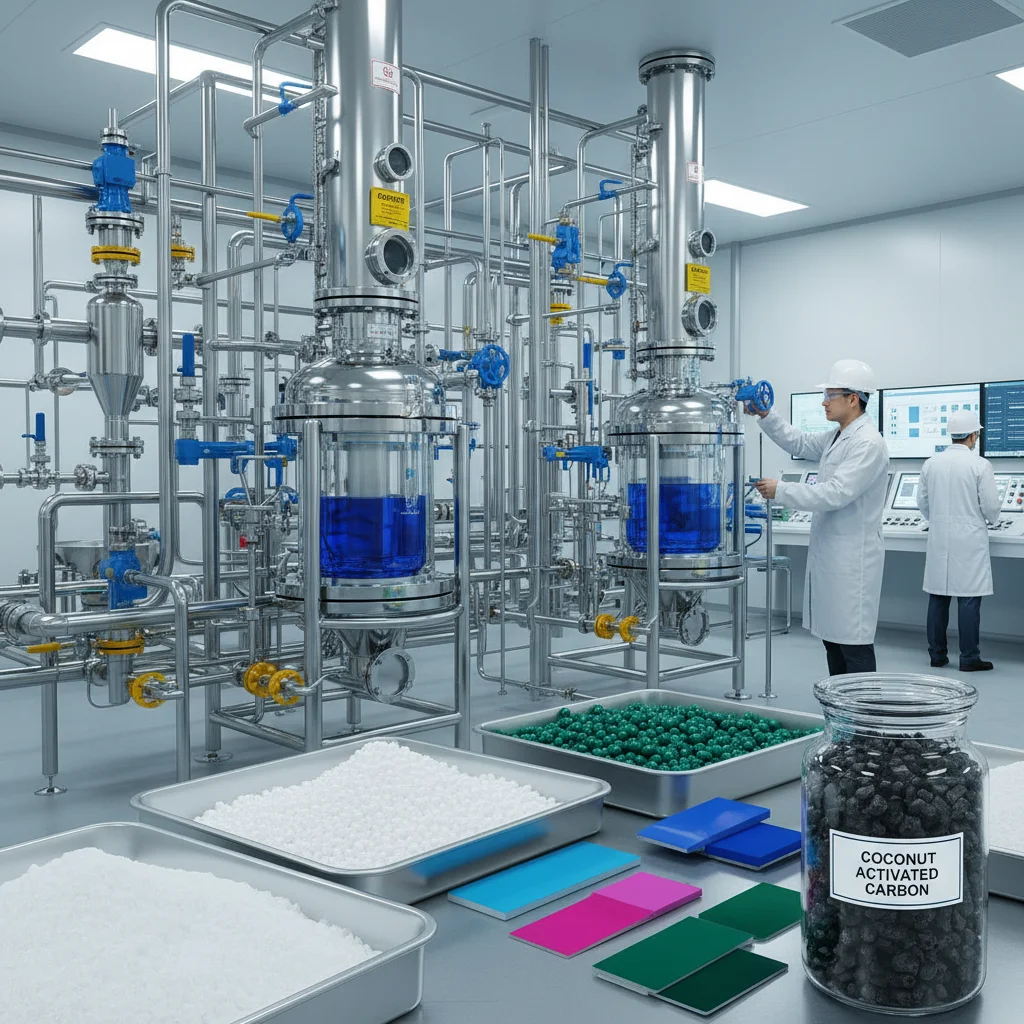
In the evolving landscape of industrial filtration and chemical purification, super activated carbon stands as a pinnacle of material engineering. This high-performance adsorbent is engineered to provide an unprecedented surface area and pore structure, allowing it to capture microscopic contaminants that standard carbon products often miss. For industries ranging from pharmaceutical synthesis to advanced wastewater treatment, integrating such a potent medium is no longer a luxury but a necessity for maintaining stringent purity standards.
Globally, the demand for high-efficiency purification is surging as environmental regulations become more rigorous and the need for ultra-pure raw materials grows. The adoption of super activated carbon allows facilities to reduce their chemical footprint, lower energy consumption during regeneration cycles, and achieve a level of molecular precision in filtration that was previously unattainable. Its role is critical in bridging the gap between standard industrial processing and the high-fidelity requirements of the modern green economy.
Understanding the technical nuances of this material is essential for engineers and procurement specialists alike. By optimizing the pore size distribution and surface chemistry, super activated carbon ensures maximum adsorption capacity and kinetic efficiency. This comprehensive guide explores the global context, technical specifications, and future trajectories of this essential inorganic salt and carbon derivative, providing a roadmap for its successful implementation in diverse industrial ecosystems.
Global Relevance of Super Activated Carbon
On a global scale, the push toward "Zero Liquid Discharge" (ZLD) and the strict adherence to ISO 14001 environmental management standards have placed super activated carbon at the forefront of chemical engineering. With industrialization accelerating in emerging economies, the challenge of treating complex wastewater streams—containing a mix of heavy metals and organic pollutants—has intensified. Statistics from environmental agencies suggest that advanced adsorption techniques can reduce pollutant concentrations by up to 99.9%, far exceeding the capabilities of conventional charcoal.
The relevance of this material extends beyond mere filtration; it is a cornerstone of sustainability. By enabling the recovery of precious catalysts and the removal of micropollutants from drinking water, super activated carbon addresses the urgent global crisis of water scarcity and chemical contamination. As industries move toward a circular economy, the ability to efficiently capture and isolate specific molecules makes this material indispensable for the next generation of chemical manufacturing.
Defining the Mechanics of Super Activated Carbon
In simple terms, super activated carbon is a highly porous form of carbon processed to have an extremely high surface area, often exceeding 2000 m²/g. Unlike standard activated carbon, the "super" designation refers to the optimized distribution of micropores (less than 2nm) and mesopores (2-50nm), which allows it to act as a molecular sieve, trapping specific contaminant molecules while allowing the solvent to pass through effortlessly.
This mechanical precision connects directly to modern humanitarian and industrial needs. In the pharmaceutical industry, for instance, the removal of trace impurities from active pharmaceutical ingredients (APIs) is a critical safety requirement. The high affinity of super activated carbon for organic impurities ensures that medication reaches the consumer with the highest possible purity, reducing side effects and improving therapeutic efficacy.
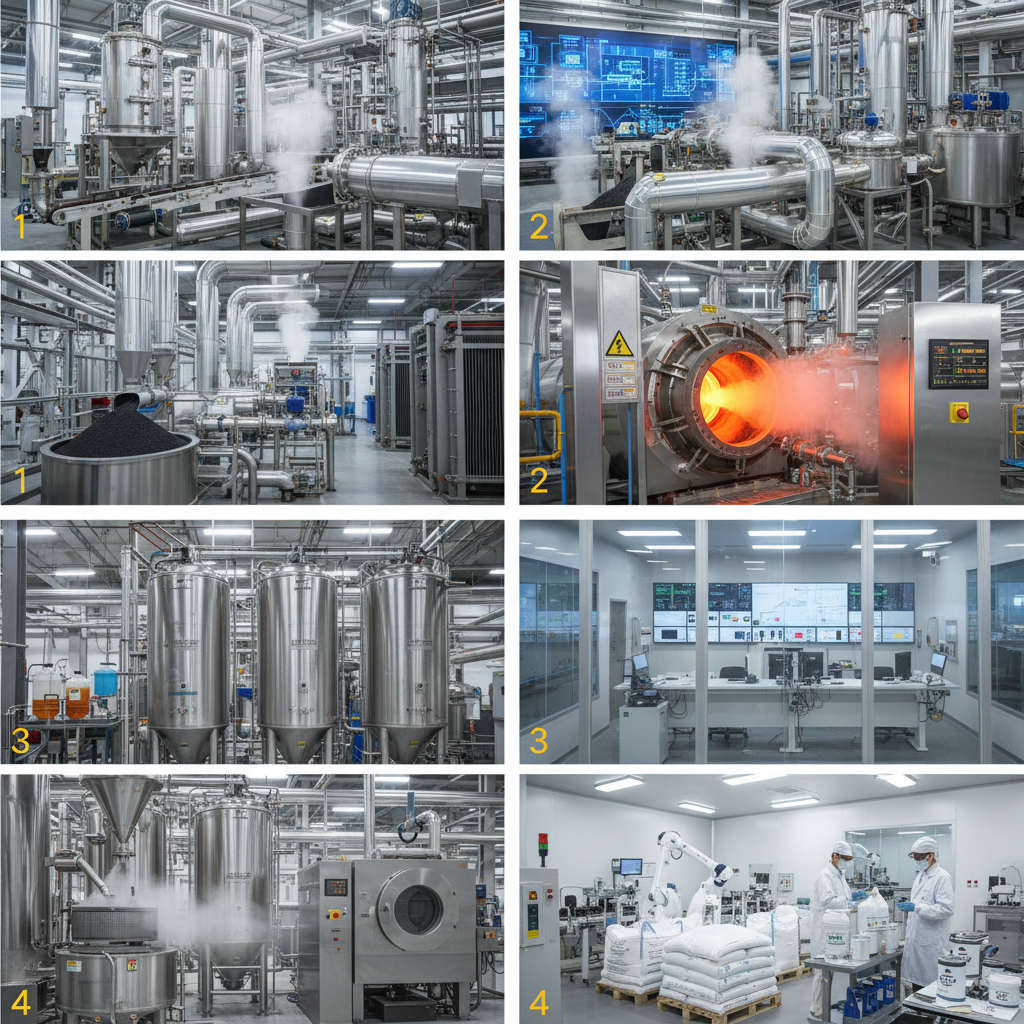
Furthermore, the production of this material involves advanced activation processes—either chemical or steam activation—that strip away unstable carbon atoms to create a vast network of internal voids. This structural sophistication transforms a simple piece of carbon into a powerful chemical tool capable of addressing the most challenging separation tasks in the inorganic salt and chemical manufacturing sectors.
Core Components and Performance Factors
The effectiveness of super activated carbon is primarily driven by its Pore Volume and Surface Area. A higher internal surface area provides more "docking sites" for pollutants to adhere to via Van der Waals forces. When selecting a grade, engineers must balance the ratio of micropores to mesopores to match the molecular size of the target contaminant.
Another critical factor is Surface Chemistry. By modulating the functional groups (such as hydroxyl or carboxyl groups) on the surface of super activated carbon, the material can be tailored to be more hydrophobic or hydrophilic. This allows for the selective adsorption of polar or non-polar molecules, making the process far more efficient than generic filtration.
Finally, Mechanical Strength and Attrition Resistance are vital for practical application. In high-pressure fluidized bed reactors, super activated carbon must resist crumbling into fines, which would otherwise clog the system and contaminate the final product. High hardness ratings ensure a longer lifecycle and reduced replacement frequency.
Industrial Applications and Use Cases
The versatility of super activated carbon allows it to be deployed across a spectrum of high-stakes environments. In the Gold Mining Chemicals sector, it is used for the recovery of gold from cyanide leach solutions, where its high selectivity ensures maximum yield. Similarly, in Water Treatment Chemicals, it is the primary defense against PFAS "forever chemicals" and other endocrine disruptors that plague urban water supplies.
Real-world examples can be seen in remote industrial zones in Southeast Asia, where modular filtration units using super activated carbon provide clean process water for manufacturing plants in areas with poor municipal infrastructure. In post-disaster relief operations, portable carbon filters are deployed to rapidly purify contaminated groundwater, providing life-saving hydration to displaced populations.
Comparative Adsorption Efficiency of Carbon Grades
Tangible Advantages and Long-Term Value
The primary advantage of investing in super activated carbon is the drastic reduction in operational expenditure (OPEX). While the initial purchase cost may be higher than standard carbon, its vastly superior adsorption capacity means that the medium needs to be replaced or regenerated far less frequently. This reduces downtime and lowers the cost per liter of treated fluid.
Beyond the logical financial gains, there is a significant emotional and social value: trust and safety. For companies providing Water Treatment Chemicals or Food Additives, using a "super" grade carbon ensures that no toxic residues reach the end consumer. This commitment to innovation and reliability builds brand dignity and ensures compliance with the most stringent global health standards, safeguarding the company against legal risks and environmental scandals.
Future Trends in Adsorption Technology
The future of super activated carbon is inextricably linked to the rise of "Green Chemistry." We are seeing a shift toward the use of sustainable precursors—such as coconut shells and agricultural waste—to create these high-performance carbons. This transition reduces the carbon footprint of the production process itself, aligning industrial purity with planetary health.
Digital transformation is also playing a role. The integration of IoT sensors into filtration columns allows for real-time monitoring of the "breakthrough point" of super activated carbon. Instead of replacing the carbon on a fixed schedule, automation allows for replacement based on actual saturation levels, maximizing the utility of every gram of material.
Furthermore, research into nano-composite carbons—where silver or graphene is infused into the super activated carbon matrix—is opening doors to antimicrobial filtration. This hybrid approach will allow for the simultaneous removal of chemical toxins and biological pathogens, creating a comprehensive sterilization solution for the healthcare and food industries.
Overcoming Implementation Challenges
Despite its benefits, the deployment of super activated carbon can face challenges, most notably the risk of "pore plugging." This occurs when larger organic molecules block the entrances to the micropores, preventing smaller contaminants from being adsorbed. To solve this, expert engineers recommend a multi-stage filtration approach, using a coarse pre-filter to remove macro-particles before the fluid reaches the super-activated stage.
Another common limitation is the complexity of regeneration. Thermal regeneration of high-grade carbon can sometimes collapse the delicate micropore structure. The industry is moving toward chemical regeneration and supercritical CO2 extraction, which can strip the adsorbed pollutants without damaging the carbon framework, thus preserving the "super" properties of the material over many cycles.
Finally, the challenge of selection—knowing which specific grade of super activated carbon is right for a particular molecule—can be daunting. The solution lies in pilot-scale testing and the use of adsorption isotherms (such as the Langmuir or Freundlich models) to mathematically predict performance before full-scale implementation.
Analysis of Super Activated Carbon Performance Across Industrial Dimensions
| Application Sector |
Critical Metric |
Efficiency Score (1-10) |
Primary Benefit |
| Water Treatment |
Micropollutant Removal |
9.8 |
PFAS Elimination |
| Gold Mining |
Gold Recovery Rate |
9.5 |
Increased Yield |
| Pharmaceuticals |
API Purity |
9.9 |
Trace Impurity Removal |
| Food Additives |
Decolorization |
9.2 |
Visual Clarity |
| Chemical Mfg |
Solvent Recovery |
8.7 |
Waste Reduction |
| Gas Purification |
VOC Capture |
9.0 |
Air Quality Compliance |
FAQS
The primary difference lies in the pore architecture and surface area. While standard carbon is effective for general filtration, super activated carbon undergoes a more intense activation process to create a higher density of micropores. This allows it to capture much smaller molecules and increases its total adsorption capacity per gram, leading to longer filter life and higher purity levels in the treated medium.
Replacement frequency depends on the contaminant load and flow rate. However, because of its enhanced capacity, super activated carbon typically lasts 2 to 5 times longer than standard grades. We recommend using breakthrough monitoring or periodic lab analysis to determine the exact moment of saturation to ensure maximum efficiency and cost-effectiveness.
Yes, especially when derived from renewable precursors like coconut shells or bamboo. Its high efficiency reduces the volume of waste generated during the filtration process. Furthermore, the ability to regenerate super activated carbon through advanced chemical or thermal means prevents it from becoming landfill waste, supporting a circular industrial economy.
Yes, although its primary strength is organic adsorption, super activated carbon can be chemically modified (impregnated) to specifically target heavy metals like lead, mercury, and arsenic. By adding specific functional groups to the carbon surface, it creates a strong chemical bond with metal ions, making it an excellent choice for industrial wastewater treatment.
The best practice is to implement "graded filtration." Use a sand filter or a lower-grade activated carbon pre-filter to remove large suspended solids and macro-organics. This ensures that the expensive super activated carbon is only tasked with removing the finest molecular contaminants, thereby extending its operational lifespan significantly.
Importing requires a focus on quality certifications (such as ISO or ASTM standards) and proper logistics. We recommend partnering with a supplier that provides detailed Technical Data Sheets (TDS) and Certificates of Analysis (CoA). Ensure that the packaging is moisture-proof to maintain the pore structure during transit across different climatic zones.
Conclusion
In summary, super activated carbon represents a critical evolution in adsorbent technology, offering unparalleled efficiency in the removal of micropollutants and the purification of industrial chemicals. From its optimized pore structure to its ability to be tailored for specific molecular targets, it provides a high-value solution that balances operational cost-efficiency with an uncompromising commitment to purity and environmental safety.
Looking ahead, the integration of sustainable sourcing and digital monitoring will further solidify the role of this material in the global industrial landscape. For companies striving for excellence in the manufacturing of inorganic salts and chemical products, adopting these advanced filtration standards is a strategic move toward future-proofing their operations. We invite you to explore the full potential of high-performance adsorption for your facility. Visit our website: www.sdjz-chem.com