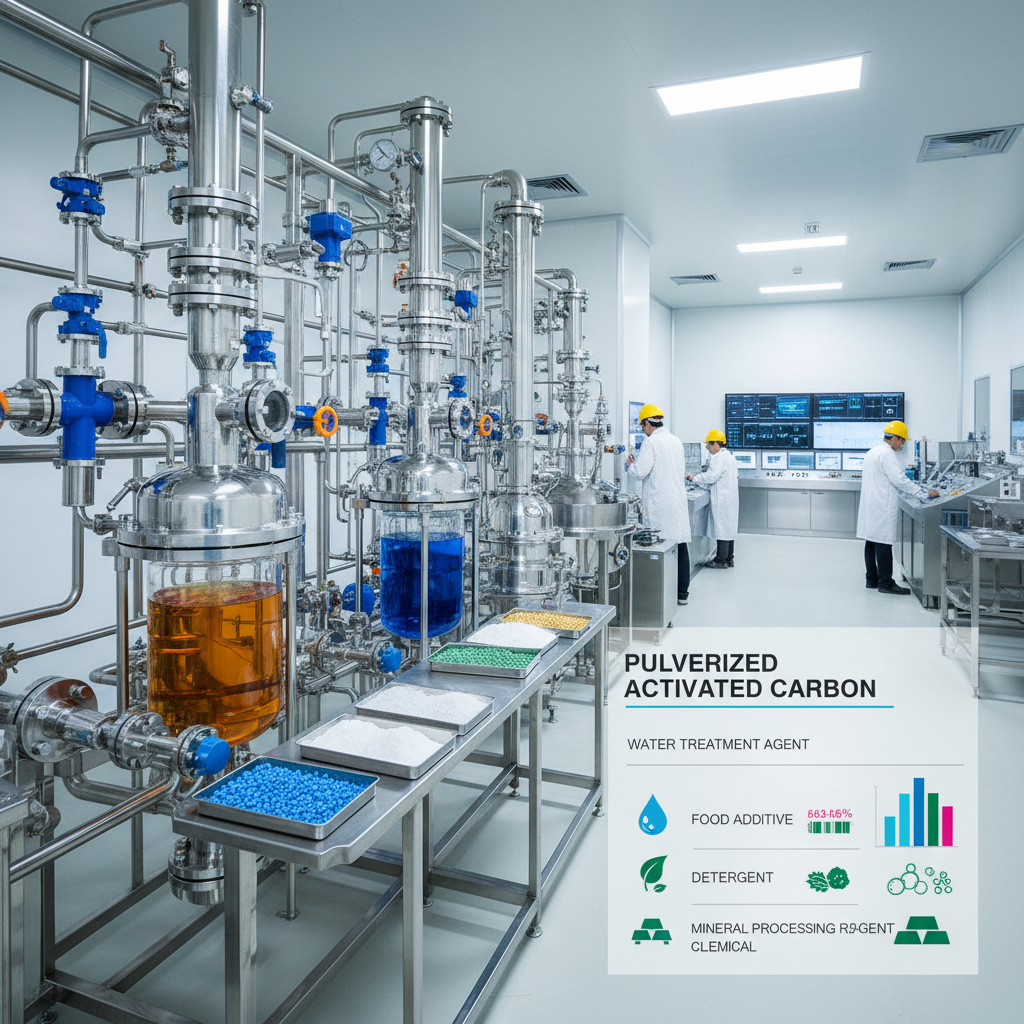
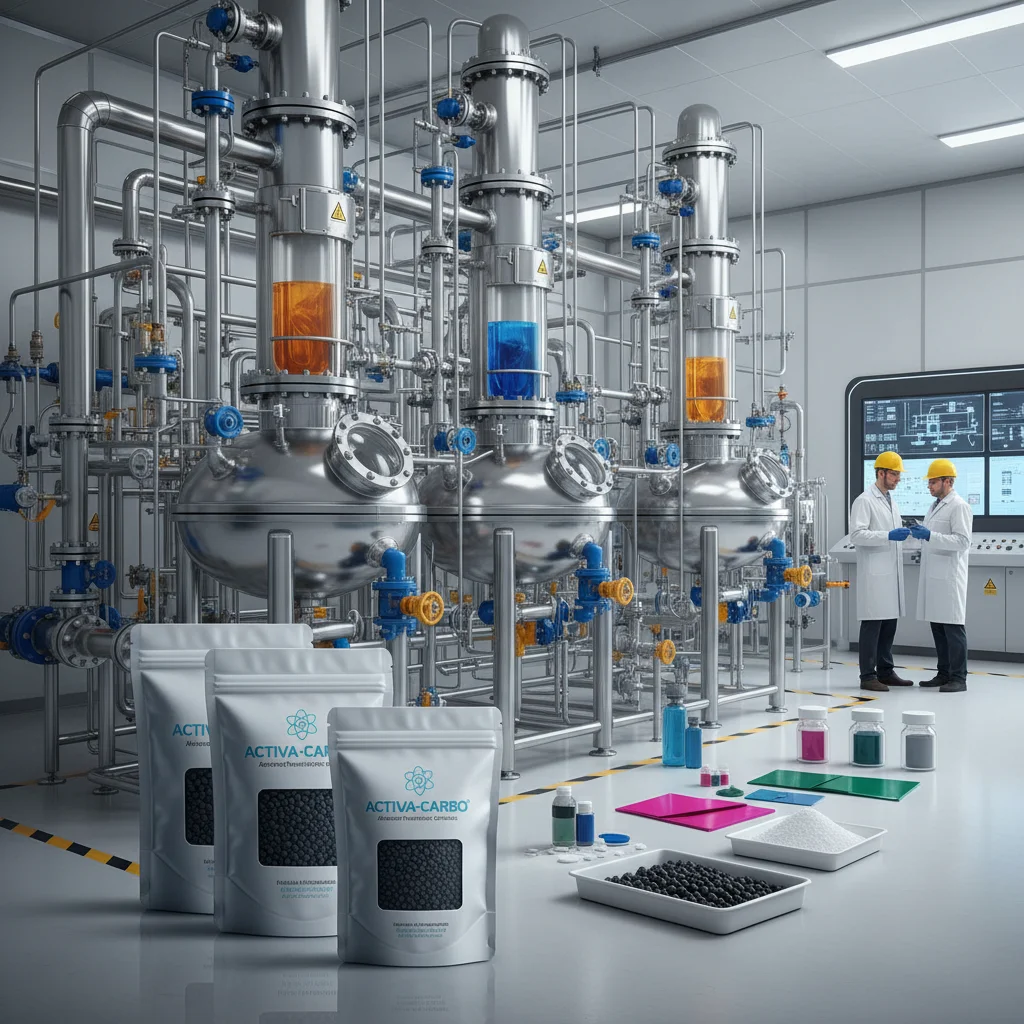
In the complex landscape of industrial filtration and chemical purification, pulverized activated carbon stands as a critical component for ensuring environmental compliance and product purity. As global regulations on wastewater discharge and air emissions tighten, the demand for high-surface-area adsorbents has surged, making the precision of powder-form carbon essential for rapid kinetics and efficient contaminant removal.
Understanding the nuances of pulverized activated carbon is not merely a technical requirement but a strategic advantage for industries ranging from municipal water treatment to specialty chemical manufacturing. By optimizing the particle size and pore structure, operators can significantly reduce the contact time required to strip organic pollutants, odors, and toxins from aqueous streams, thereby enhancing operational throughput.
Beyond its immediate utility, the integration of pulverized activated carbon reflects a broader commitment to sustainability. As industries transition toward "green chemistry," the ability to effectively capture and remove hazardous micro-pollutants ensures that industrial growth does not come at the expense of ecological integrity, providing a reliable bridge between production efficiency and environmental stewardship.
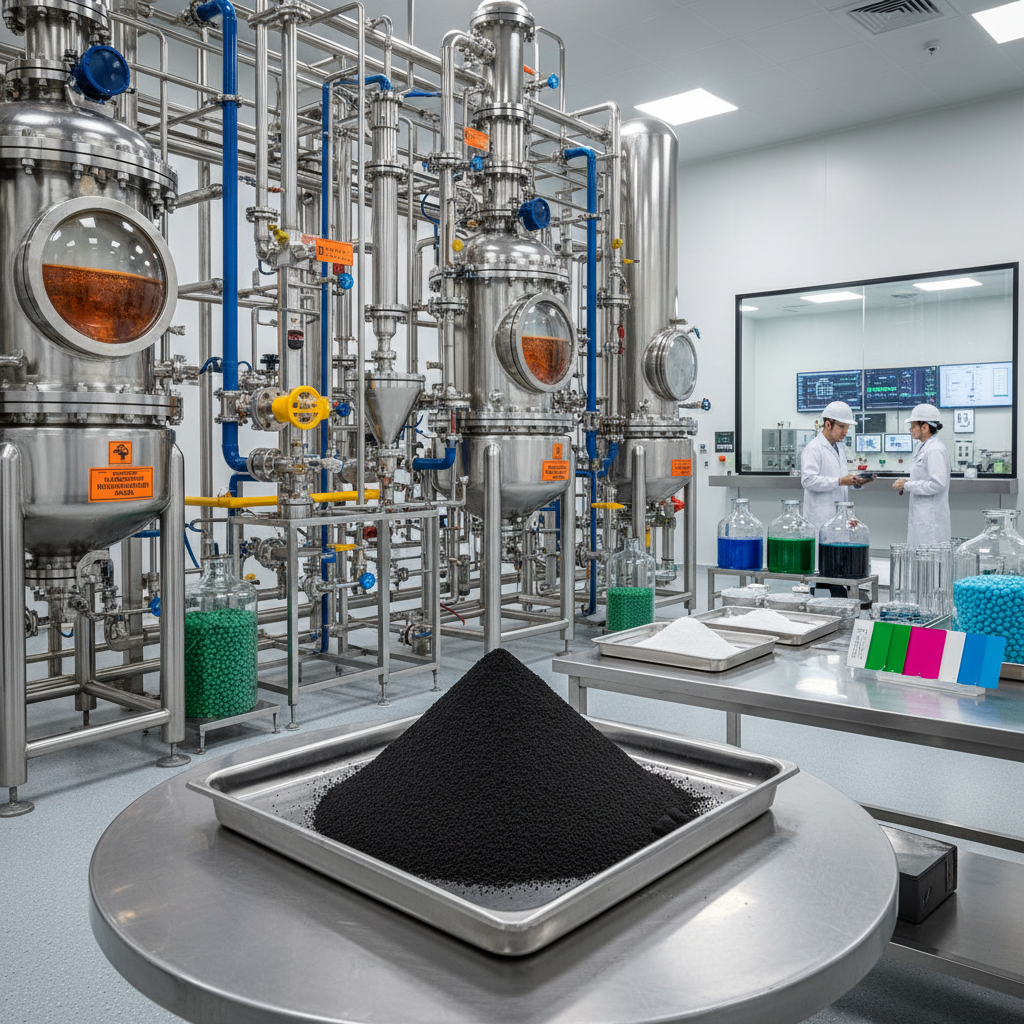
Global Industry Context of Pulverized Activated Carbon
On a global scale, the application of pulverized activated carbon (PAC) is driven by the urgent need for advanced water remediation and chemical refining. According to environmental guidelines aligned with ISO 14001 standards, the removal of endocrine disruptors and synthetic organic compounds has become a priority for municipal plants. The agility of PAC allows for "seasonal dosing," where plants can increase treatment intensity during peak pollution events without investing in permanent, massive infrastructure.
However, the industry faces a significant challenge: the balance between adsorption capacity and the difficulty of subsequent separation. While the fine powder provides an immense surface area for rapid contaminant capture, the resulting "carbon fines" can complicate filtration processes. This tension has led to a global push for more precise particle size distribution and the development of hybrid filtration systems that can handle high loads of carbon powder while maintaining water clarity.
Definition and Technical Meaning
In simple technical terms, pulverized activated carbon is a highly porous form of carbon that has been processed to have a massive internal surface area, then ground into a fine powder. Unlike granular activated carbon (GAC), which is used in fixed beds, PAC is typically dispersed directly into a liquid, allowing for a near-instantaneous interaction between the adsorbent and the pollutant.
This material is essentially a "molecular sponge." Its structure consists of a network of micropores and mesopores that trap impurities through a process called adsorption, where molecules of gas or liquid adhere to the surface of the carbon. This distinction is vital in modern industry, as it allows for the treatment of contaminants that are too dilute for GAC to handle efficiently but too toxic to be left in the effluent.
From a humanitarian and environmental perspective, PAC is often the first line of defense in emergency water purification. Its ability to be rapidly deployed and mixed into water sources makes it indispensable for removing chemical spills or toxic algae blooms (cyanotoxins) from drinking water supplies in remote or crisis-stricken regions.
Key Factors Influencing Adsorption Performance
The effectiveness of pulverized activated carbon is primarily governed by its pore size distribution. To maximize efficiency, the carbon must possess a balanced ratio of micropores (for small molecules) and mesopores (for larger organic chains), ensuring that the target pollutants can actually reach the interior binding sites.
Surface chemistry plays an equally critical role. Depending on the activation method—whether steam, chemical, or biological—the surface of pulverized activated carbon can be tailored to be more hydrophobic or hydrophilic. This customization allows the material to specifically target either non-polar organic solvents or polar inorganic salts, depending on the industrial requirement.
Finally, the particle size and contact time determine the kinetic speed of the process. Because the distance the pollutant must travel to reach the center of the particle is minimized in the pulverized form, the reaction happens in minutes rather than hours. This scalability makes it a preferred choice for high-flow industrial processes where downtime is costly.
Global Applications and Use Cases
In the realm of water treatment chemicals, pulverized activated carbon is extensively used in the "powdered carbon adsorption" (PCA) process. This is particularly prevalent in Northern Europe and North America, where municipal water authorities use it to remove taste and odor compounds caused by algae, ensuring that urban populations have access to palatable drinking water.
Beyond municipal use, the gold mining and mineral processing industries utilize PAC for the recovery of precious metals and the removal of organic reagents from process water. In remote industrial zones, such as the mining regions of Western Australia or the Andes, the ease of transporting powder and adding it to existing tanks makes it more viable than installing massive GAC columns.
Adsorption Efficiency Comparison of PAC Variants
Tangible Advantages and Long-Term Value
The primary logical advantage of using pulverized activated carbon is the extreme cost-efficiency during fluctuating load conditions. Unlike fixed-bed systems that must be sized for the worst-case scenario, PAC can be dosed precisely to the level of contamination present, reducing chemical waste and lowering operational expenditure.
From an emotional and trust-based perspective, the reliability of PAC provides peace of mind to plant managers and regulatory bodies. The certainty that a sudden spike in toxicity can be neutralized instantly—without the risk of "breakthrough" common in GAC filters—ensures the safety of downstream environments and the dignity of the communities relying on those water sources.
Future Trends and Innovations in Carbon Media
The future of pulverized activated carbon is leaning heavily toward "designer carbons." Through the use of nanotechnology, researchers are developing carbon powders with surface-functionalized groups that can selectively bind to specific heavy metals or pharmaceuticals, drastically increasing the efficiency per gram of material used.
Sustainability is also driving the shift toward bio-based precursors. Instead of relying on coal or coconut shells, the industry is exploring the pyrolysis of agricultural waste to create high-performance carbon powders. This not only reduces the carbon footprint of the production process but also transforms waste streams into value-added environmental tools.
Furthermore, the integration of digital transformation is bringing "smart dosing" to the forefront. By combining real-time sensors for Total Organic Carbon (TOC) with automated feeding systems, the application of pulverized activated carbon is becoming a precision operation, minimizing over-dosage and optimizing the cost-to-benefit ratio in real-time.
Challenges and Expert Solutions
One of the most persistent challenges with pulverized activated carbon is the "sludge problem." Because the carbon is added as a powder, it must be removed via sedimentation or filtration, often leading to large volumes of carbon-rich sludge that require disposal or expensive regeneration.
Expert insights suggest a transition toward hybrid flocculation. By adding specific polymer coagulants alongside the carbon, operators can create larger, heavier "flocs" that settle more rapidly. This not only improves the clarity of the treated water but also simplifies the recovery of the carbon, making the process more sustainable.
Another limitation is the potential for carbon fines to escape into the final effluent. To solve this, the implementation of membrane ultrafiltration (UF) as a polishing step has proven highly effective. The UF membranes act as an absolute barrier, ensuring that 100% of the pulverized activated carbon is captured, thereby preventing secondary pollution and ensuring compliance with the strictest global purity standards.
Analysis of PAC Material Performance and Operational Trade-offs
| Material Source |
Kinetics Speed |
Adsorption Capacity |
Cost-Effectiveness |
| Steam-Activated Coal |
High |
Very High |
Moderate |
| Coconut Shell |
Medium |
High |
High |
| Wood-based |
Very High |
Moderate |
Moderate |
| Modified PAC |
High |
Extreme |
Low |
| Agricultural Bio-char |
Medium |
Low-Moderate |
Very High |
| Industrial Lignite |
High |
High |
High |
FAQS
The primary advantage is the kinetics of adsorption. Because PAC has a much smaller particle size, it provides an almost immediate surface contact with pollutants. In emergency scenarios, such as a chemical spill, there is no time to build or pump water through massive GAC beds; PAC can be simply stirred into the water, providing rapid decontamination in a fraction of the time.
Dosage is typically determined through "Jar Testing," where varying amounts of PAC are added to samples of the contaminated water. By measuring the remaining pollutant concentration using HPLC or TOC analyzers, operators can find the "isotherm" point where the most pollutant is removed using the least amount of carbon, ensuring cost-efficiency without compromising purity.
Yes, especially when compared to chemical oxidation methods. PAC is physically removing pollutants rather than transforming them into potentially toxic by-products. While the initial purchase is a cost, the ability to dose precisely based on current needs prevents waste. Furthermore, the shift toward bio-based PACs is making the production cycle carbon-neutral.
Standard PAC is primarily designed for organic molecules. However, "chemically modified" pulverized activated carbon is specifically engineered with functional groups (like sulfur or nitrogen) that have a high affinity for heavy metals such as mercury, lead, and cadmium, making it an excellent choice for industrial detoxification.
Removal is typically achieved through coagulation and flocculation. By adding a coagulant, the fine carbon particles clump together into larger masses that settle by gravity in a sedimentation tank. For higher purity requirements, sand filtration or membrane ultrafiltration (UF) is used to capture any remaining microscopic particles.
Industrial plants should seek suppliers who provide comprehensive Material Safety Data Sheets (MSDS) and Certificates of Analysis (CoA) proving the iodine number and pore volume. Working with specialized chemical exporters ensures that the product is packaged in moisture-proof containers to prevent premature pore clogging during transit.
Conclusion
In summary, pulverized activated carbon serves as a versatile and powerful tool in the modern industrial arsenal, bridging the gap between rapid-response purification and long-term environmental sustainability. From its immense surface area and rapid adsorption kinetics to its flexibility in dosing and variety of material sources, it provides a scalable solution for the removal of complex organic and inorganic pollutants across the globe.
Looking forward, the evolution of "designer" carbons and the integration of AI-driven dosing systems will only enhance the efficiency of this critical material. For companies aiming to optimize their water treatment or chemical processing, investing in high-purity PAC is not just a regulatory necessity but a strategic move toward operational excellence and ecological responsibility. Visit our website for more professional solutions: www.sdjz-chem.com