
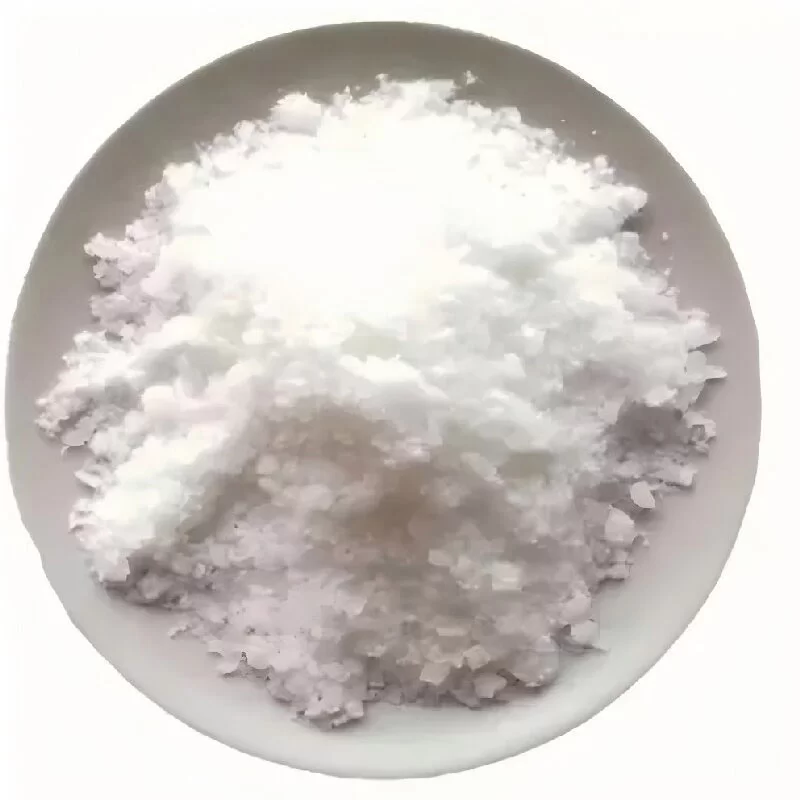

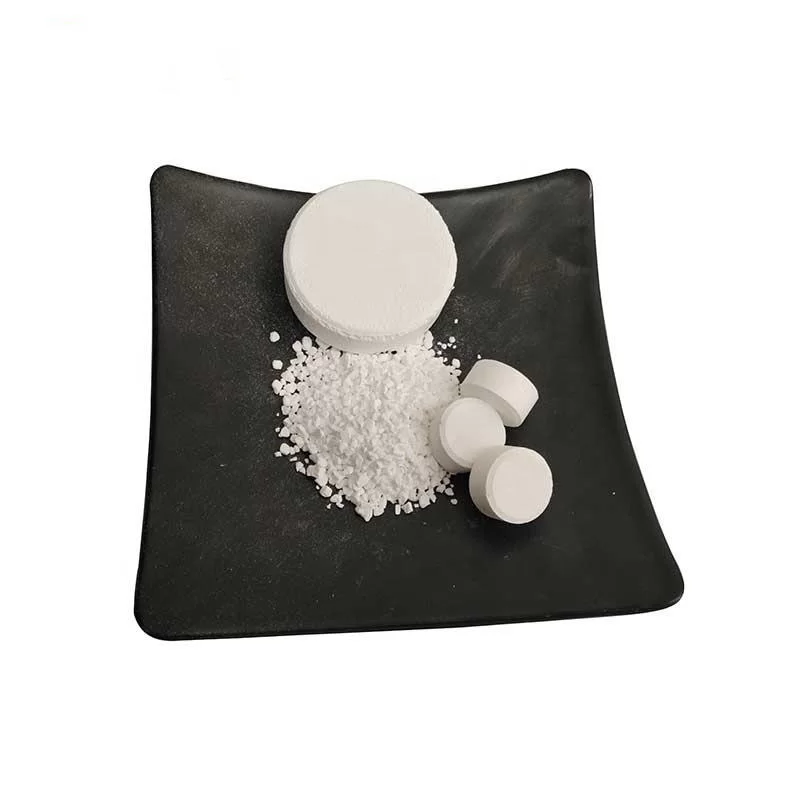
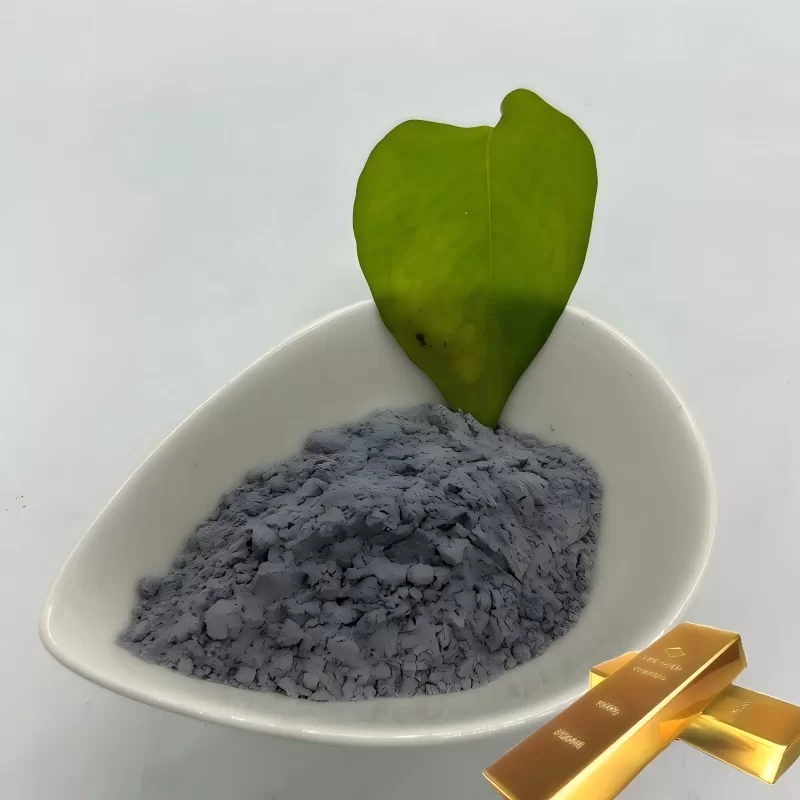
Product keywords : Sodium cyanide Activated carbon Silver Mercury

Bulgaria's Premier Calcium Hypochlorite Solutions

Providing high-quality chemical products for diverse industrial applications across Europe.

The Inorganic Salt Manufacturing Landscape in Bulgaria

An overview of the current state and challenges of the chemical industry in Bulgaria.

Bulgaria's inorganic salt manufacturing sector is currently experiencing a period of moderate growth, driven by increasing demand from the water treatment, agricultural, and pharmaceutical industries. The country's strategic location within Europe provides access to key markets, but faces competition from larger producers in Western Europe. The demand for products like activated carbon and calcium hypochlorite is particularly strong.

The Bulgarian economy, while growing, presents challenges such as fluctuating energy costs and evolving environmental regulations. This impacts the production costs and necessitates continuous investment in sustainable manufacturing practices. Companies are increasingly focusing on quality control and compliance with EU standards to maintain competitiveness. The application of aluminum sulfate is closely monitored.

Geographically, the majority of chemical manufacturing facilities are concentrated around major industrial hubs like Sofia, Plovdiv, and Varna, benefiting from developed infrastructure and access to skilled labor. However, logistical challenges remain in transporting materials efficiently across the country and to neighboring markets. Bulgaria's climate also allows for specific production advantages.
Historical Development and Technological Advancements

Tracing the evolution of inorganic salt production in Bulgaria and Europe.

Market Development History

Historically, Bulgaria's inorganic salt industry was heavily reliant on traditional production methods, primarily focused on basic chemicals like sodium chloride and sulfuric acid. During the socialist era (pre-1989), production was largely state-controlled and geared towards fulfilling domestic needs. There was limited investment in research and development, resulting in outdated technologies.

The transition to a market economy in the 1990s brought significant challenges, including privatization, restructuring, and competition from international players. The early 2000s saw a gradual modernization of production facilities, with the introduction of more efficient processes and improved quality control measures. The use of benzoic acid began to increase in certain applications.

In recent years, there's been a growing emphasis on sustainable chemistry and the development of environmentally friendly products. Companies are investing in technologies to reduce waste, minimize emissions, and enhance resource efficiency. This includes exploring alternative raw materials and adopting circular economy principles.

Future Development Trends

Green Chemistry & Sustainable Production

The future of inorganic salt manufacturing will be heavily influenced by the principles of green chemistry. This involves developing cleaner, more efficient production processes that minimize environmental impact and reduce reliance on fossil fuels.

Digitalization & Automation

The adoption of digital technologies, such as automation, data analytics, and artificial intelligence, will play a crucial role in optimizing production processes, improving quality control, and reducing costs. This trend aligns with Industry 4.0 principles.

Specialization & High-Value Products

Companies will increasingly focus on producing specialized, high-value products tailored to specific customer needs. This will require investments in research and development and a deeper understanding of market trends.

Industry Trends and Future Outlook for Bulgaria

Analyzing the emerging trends and potential growth opportunities in the Bulgarian chemical market.

Growing Water Treatment Demand
Increased urbanization and stricter environmental regulations are driving demand for water treatment chemicals like calcium hypochlorite across Bulgaria.
Agricultural Sector Growth
Bulgaria's agricultural sector relies heavily on inorganic salts like aluminum sulfate for soil conditioning and crop protection, presenting a stable market opportunity.
Pharmaceutical Industry Expansion
The growing pharmaceutical industry in Bulgaria requires high-purity inorganic salts as raw materials, driving demand for specialized chemical products.
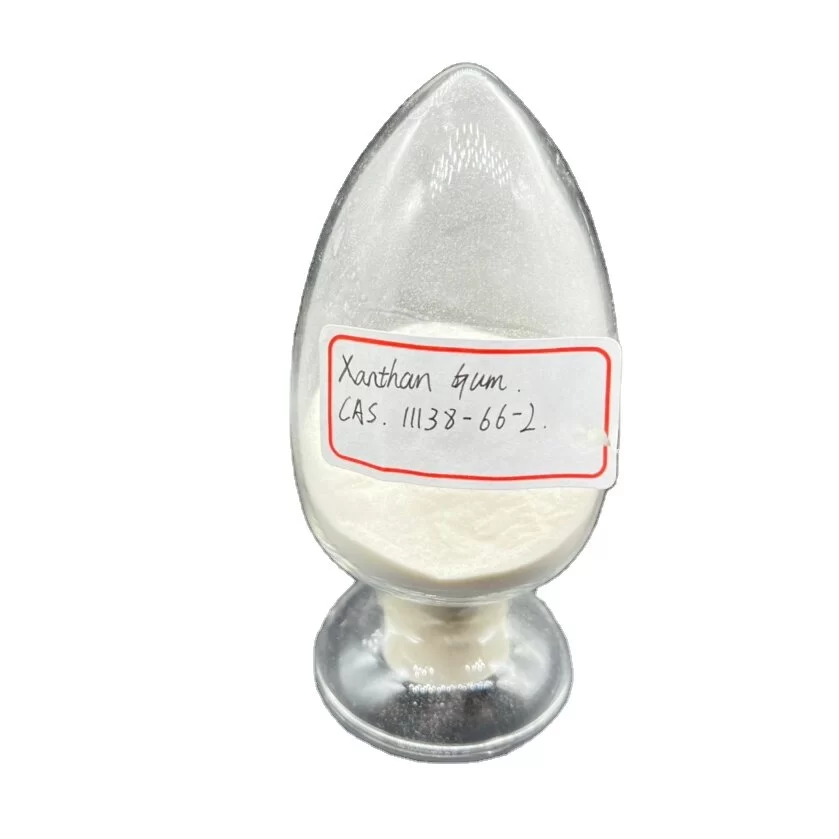
Increasing Demand for Xanthan Gum
The food and beverage industry, along with oil drilling applications, are driving a rise in demand for xanthan gum in Bulgaria.

Industry Outlook

The Bulgarian inorganic salt manufacturing industry is poised for continued growth in the coming years, driven by increasing demand from key sectors and a favorable regulatory environment. Companies that invest in innovation, sustainability, and quality control will be best positioned to succeed. Google Trends data shows a steady increase in searches for "calcium hypochlorite Bulgaria" and "aluminum sulfate suppliers Bulgaria," indicating growing market interest.

However, challenges remain, including competition from international players, fluctuating energy costs, and the need to comply with increasingly stringent environmental regulations. Collaborative efforts between industry stakeholders and government agencies will be crucial to address these challenges and unlock the full potential of the Bulgarian chemical industry.

Local Application Scenarios in Bulgaria

Illustrative applications of inorganic salts in various Bulgarian industries.

1. Municipal Water Treatment Plants

Calcium hypochlorite is widely used in municipal water treatment plants throughout Bulgaria to disinfect drinking water and wastewater, ensuring public health and safety. This is particularly critical in regions with limited access to advanced water purification technologies.

2. Agricultural Soil Conditioning in the Danube Valley

Aluminum sulfate is employed by farmers in the fertile Danube Valley region to improve soil pH and enhance nutrient uptake, leading to higher crop yields and improved agricultural productivity.

3. Food Production and Stabilization

Xanthan gum is extensively utilized in the Bulgarian food processing industry as a thickening agent, stabilizer, and emulsifier in a wide range of products, including dairy products, sauces, and baked goods.

4. Oil & Gas Exploration in the Black Sea

Xanthan gum is used in the oil and gas exploration sector in the Black Sea region as a drilling fluid additive, enhancing viscosity and improving drilling efficiency.

5. Pulp and Paper Industry in Southern Bulgaria

Benzoic acid is used as a preservative and pH adjuster in the pulp and paper industry in Southern Bulgaria to prevent microbial growth and maintain product quality.

Brand Story

The Global Development Journey of Shandong Jiuzhou Chemical Co., Ltd.

Foundational Commitment to Quality

Established in 2005, Shandong Jiuzhou Chemical Co., Ltd. embarked on a mission to deliver consistently high-quality inorganic salts to a global clientele.

Expansion into European Markets

In 2012, we strategically expanded our operations into the European market, recognizing the growing demand for reliable chemical suppliers.

Focus on Sustainable Practices

By 2018, sustainability became a core tenet of our business, driving investments in eco-friendly production methods and waste reduction initiatives.

Dedicated Bulgarian Partnership

In 2020, we established a dedicated partnership network in Bulgaria to provide localized support and responsive service to our clients.

Commitment to Innovation

Today, we continue to invest in research and development, striving to deliver innovative chemical solutions that address the evolving needs of industries worldwide.

Frequently Asked Questions - Bulgaria

Addressing common inquiries from our Bulgarian customers.

What are the typical lead times for calcium hypochlorite delivery to Sofia, Bulgaria?

Typical lead times for calcium hypochlorite deliveries to Sofia, Bulgaria are 7-10 business days, depending on order volume and current shipping conditions.

Do you offer aluminum sulfate products that comply with Bulgarian agricultural standards?

Yes, our aluminum sulfate products are rigorously tested to ensure compliance with all relevant Bulgarian agricultural standards and regulations.

What is the minimum order quantity for benzoic acid for pharmaceutical applications in Bulgaria?

The minimum order quantity for benzoic acid intended for pharmaceutical applications in Bulgaria is 25 kilograms, due to stringent quality control procedures.

Can you provide technical data sheets (TDS) for your xanthan gum products in Bulgarian?

Yes, we can provide technical data sheets (TDS) for all our xanthan gum products translated into Bulgarian upon request.

What certifications do you hold related to the manufacturing of inorganic salts?

We are ISO 9001:2015 certified, demonstrating our commitment to quality management, and comply with REACH regulations for chemical safety.

Do you offer customized packaging options for bulk orders of activated carbon for Bulgarian water treatment facilities?

Yes, we offer customized packaging options, including different bag sizes and materials, for bulk orders of activated carbon to meet the specific requirements of Bulgarian water treatment facilities.

Get in Touch with Us

We're dedicated to providing high-quality chemical solutions to businesses throughout Bulgaria and Europe.

Contact Us Now

If you are interested in our products, you can choose to leave your information here, and we will be in touch with you shortly.