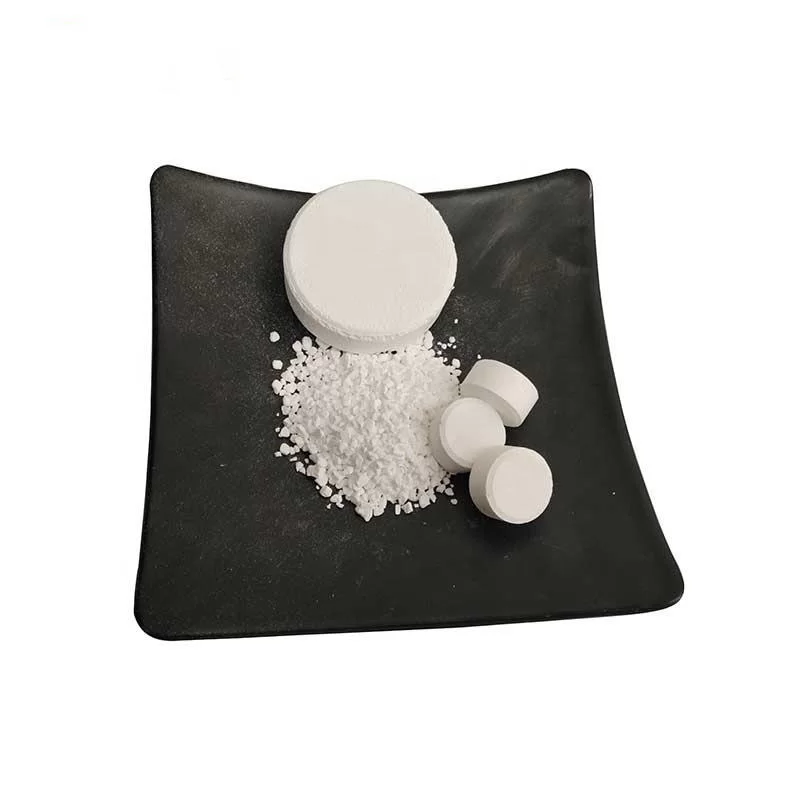

Bulgaria's inorganic salt manufacturing sector is currently experiencing a period of moderate growth, driven by increasing demand from the water treatment, agricultural, and pharmaceutical industries. The country's strategic location within Europe provides access to key markets, but faces competition from larger producers in Western Europe. The demand for products like activated carbon and calcium hypochlorite is particularly strong.
The Bulgarian economy, while growing, presents challenges such as fluctuating energy costs and evolving environmental regulations. This impacts the production costs and necessitates continuous investment in sustainable manufacturing practices. Companies are increasingly focusing on quality control and compliance with EU standards to maintain competitiveness. The application of aluminum sulfate is closely monitored.
Geographically, the majority of chemical manufacturing facilities are concentrated around major industrial hubs like Sofia, Plovdiv, and Varna, benefiting from developed infrastructure and access to skilled labor. However, logistical challenges remain in transporting materials efficiently across the country and to neighboring markets. Bulgaria's climate also allows for specific production advantages.