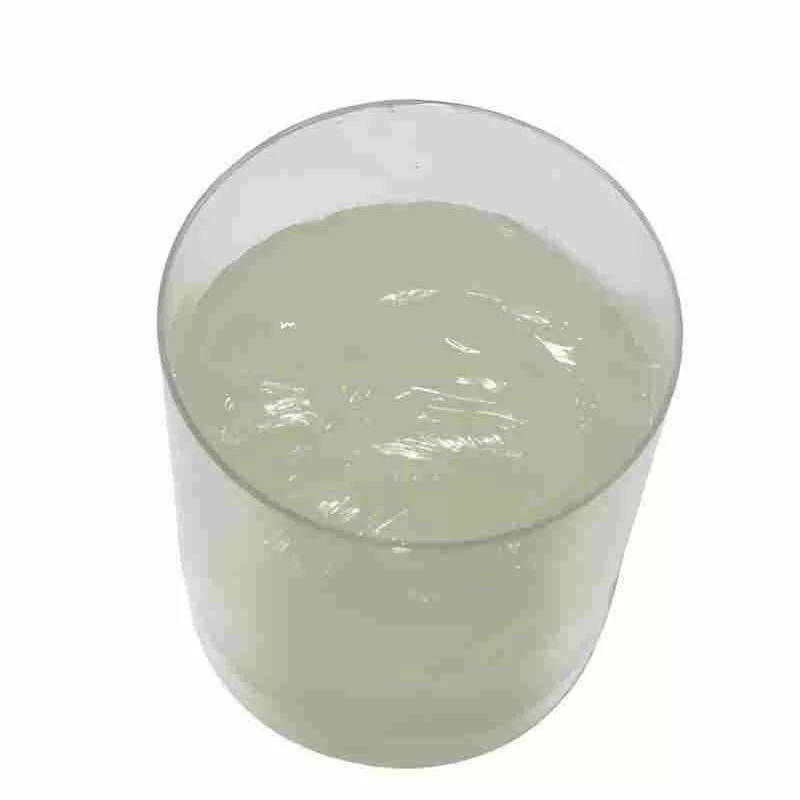
Product keywords : Sodium cyanide Activated carbon Silver Mercury
  • Home
  • Global Service
  • Calcium Hypochlorite Solutions for Industrial Applications in the Netherlands

Calcium Hypochlorite Solutions for Industrial Applications in the Netherlands

Providing high-quality inorganic salts and chemical products to businesses across Europe.

The Current State of Inorganic Salt Manufacturing in the Netherlands

Understanding the Dutch chemical landscape and its impact on inorganic salt production.

The Netherlands boasts a strategically important position within the European chemical industry, serving as a crucial logistics hub and benefiting from a highly developed infrastructure. Demand for calcium hypochlorite and other inorganic salts is driven by sectors like water treatment, agriculture, and industrial cleaning. However, rising energy costs and stringent environmental regulations pose ongoing challenges to manufacturers.

The Dutch economy's focus on sustainability is shaping the demand for more eco-friendly chemical solutions. There's a growing need for high-purity chemicals, pushing manufacturers to invest in advanced production technologies. The proximity to major ports like Rotterdam facilitates the import of raw materials and the export of finished products, making the Netherlands a key player in the European supply chain.

Competition within the Dutch inorganic salt market is substantial, with both domestic and international companies vying for market share. Companies must prioritize innovation and cost efficiency to remain competitive, while adhering to strict quality control standards and regulatory compliance. The strong emphasis on research and development within the Netherlands also fosters a continuous stream of technological advancements in the industry.
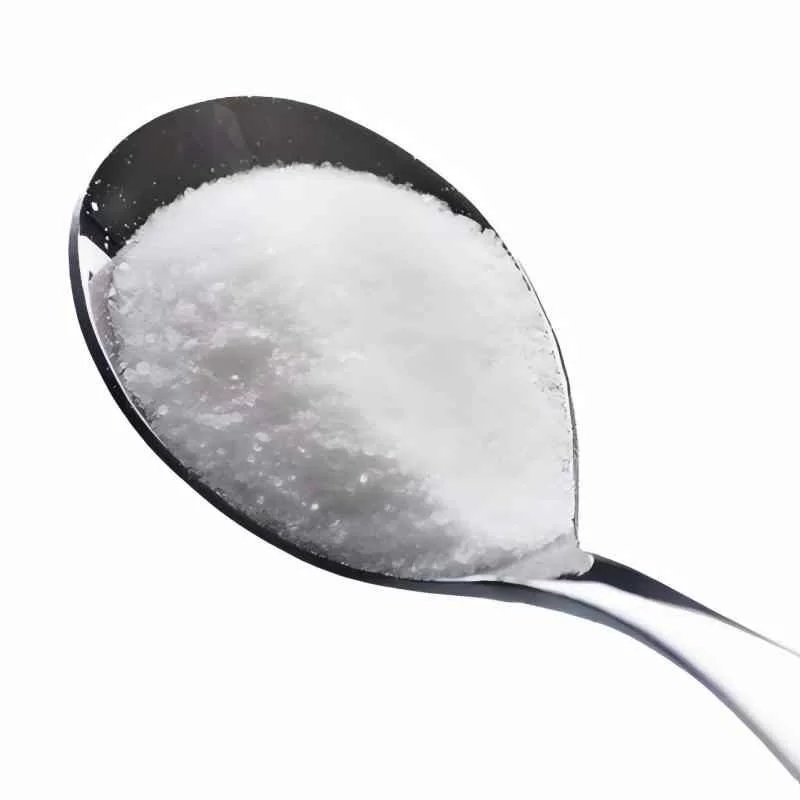
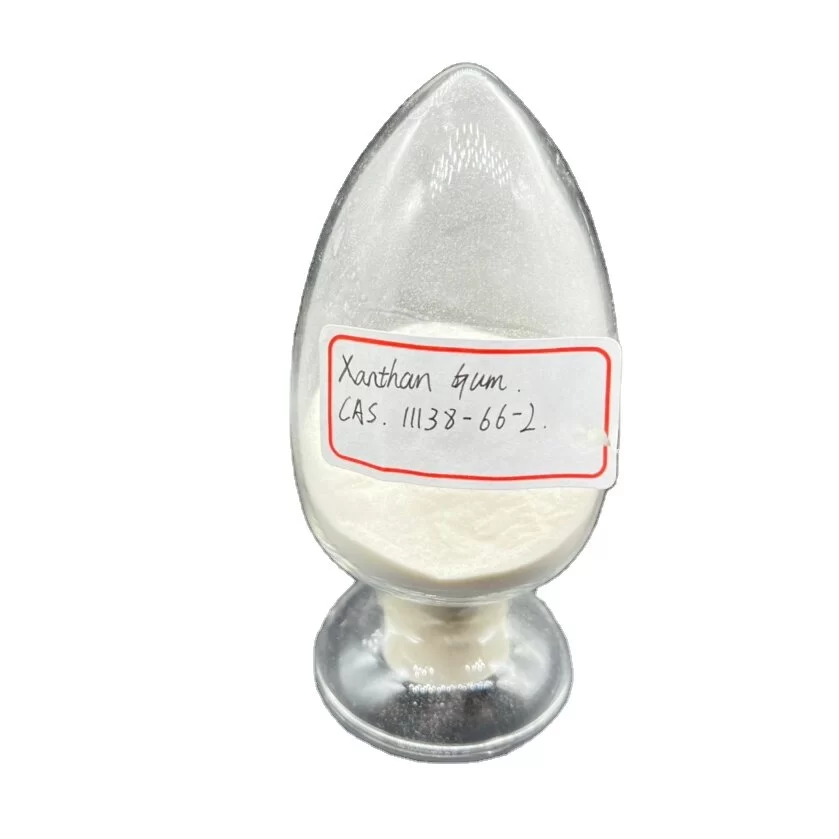
Historical Development and Trajectory of Inorganic Salt Production in the Netherlands

Tracing the evolution of inorganic salt manufacturing from traditional methods to modern techniques.

Market Development History

Historically, inorganic salt production in the Netherlands was largely based on the extraction of naturally occurring salts. In the early 20th century, the Solvay process revolutionized soda ash production, influencing broader inorganic chemical manufacturing. Demand increased post-WWII due to industrial growth and agricultural intensification.

The 1970s and 80s saw the introduction of more advanced chemical synthesis methods, improving efficiency and product purity. Environmental concerns started gaining prominence, leading to investments in cleaner production technologies. The focus shifted from bulk production to specialized, high-value chemical compounds.

In the late 20th and early 21st centuries, digitalization and automation transformed the industry. Advanced process control systems, data analytics, and supply chain optimization became integral to maintaining competitiveness. Sustainability and circular economy principles are now driving innovation and investment.

Future Development Trends

Enhanced Process Efficiency

Expect advancements in catalytic processes and membrane technologies to minimize waste and reduce energy consumption. These innovations will directly impact the cost-effectiveness of aluminum sulfate production.

Sustainable Sourcing of Raw Materials

A growing trend is the exploration of alternative, renewable feedstock sources, reducing reliance on traditional mining and fossil fuels. This will align with the Netherlands’ circular economy goals.

Digitalization and AI Integration

Artificial intelligence (AI) and machine learning (ML) will play a significant role in optimizing production processes, predicting equipment failures, and improving quality control. Google Trends data shows a consistent increase in searches for "AI in chemical manufacturing" within the Netherlands.

Industry Trends and Future Outlook for Inorganic Salts in the Netherlands

Analyzing emerging trends and predicting the future direction of the industry.

Green Chemistry Adoption
The Netherlands is a frontrunner in green chemistry. Expect increased demand for sustainably produced benzoic acid and other chemicals, minimizing environmental impact.
Water Treatment Innovations
Growing concerns about water quality are driving demand for advanced water treatment chemicals, including calcium hypochlorite and specialized filtration solutions.
Agricultural Chemical Optimization
Precision agriculture and the need for sustainable farming practices are driving demand for specialized fertilizers and soil conditioners, including chemicals utilizing aluminum sulfate.
Specialty Polymers & Additives
Demand for specialized polymers and additives, including xanthan gum, is increasing across various industries, requiring tailored chemical solutions.

Industry Outlook

The Dutch inorganic salt market is expected to grow steadily in the coming years, driven by increasing demand from end-use industries and a focus on sustainable solutions. Companies that prioritize innovation, efficiency, and environmental responsibility will be best positioned for success.

The industry will see continued consolidation, with larger players acquiring smaller companies to expand their product portfolios and geographic reach. Collaboration between chemical manufacturers and research institutions will be crucial for developing cutting-edge technologies and addressing emerging challenges.

Localized Application Scenarios in the Netherlands

Exploring specific applications of inorganic salts within the Dutch context.

1. Water Purification in Dutch Canals

The Netherlands' extensive canal system requires continuous water purification. Calcium hypochlorite is a key component in disinfecting canal water, ensuring its quality for recreational use and ecological balance.

2. Soil Conditioning for Dutch Horticulture

The Dutch horticultural sector, renowned globally, utilizes aluminum sulfate to adjust soil pH levels, optimizing conditions for growing flowers, vegetables, and other crops.

3. Industrial Cleaning in Dutch Food Processing

The robust Dutch food processing industry requires stringent hygiene standards. Benzoic acid is used as a preservative and cleaning agent to maintain food safety throughout the production process.

4. Enhanced Oil Recovery in Dutch North Sea Fields

Despite declining reserves, the Netherlands continues to extract oil from the North Sea. Xanthan gum is utilized in enhanced oil recovery (EOR) techniques to improve oil extraction efficiency.

5. Wastewater Treatment in Dutch Chemical Plants

Dutch chemical plants utilize activated carbon in their wastewater treatment processes, effectively removing pollutants and ensuring compliance with environmental regulations.

Brand Story

Shandong Jiuzhou Chemical Co., Ltd.'s global development journey

Established Expertise

For over two decades, Shandong Jiuzhou Chemical Co., Ltd. has been a trusted supplier of high-quality inorganic salts, committed to exceeding customer expectations.

Innovation-Driven Approach

We continually invest in research and development to create innovative chemical solutions that address the evolving needs of our clients.

Commitment to Sustainability

We prioritize environmentally responsible manufacturing practices, minimizing our carbon footprint and promoting a circular economy.

Global Reach, Local Service

We serve a diverse customer base worldwide, providing personalized support and timely delivery to meet their specific requirements.

Quality Assurance

Our rigorous quality control procedures ensure that every product meets the highest standards of purity, consistency, and performance.

Frequently Asked Questions - Netherlands

Addressing common inquiries about our products and services in the Dutch market.

What is the typical lead time for delivery of calcium hypochlorite to the Netherlands?

Typical lead times vary based on order volume and shipping destination within the Netherlands, but generally range from 7-14 business days.

Do you offer customized packaging options for benzoic acid orders in the Netherlands?

Yes, we provide a range of customized packaging options to meet specific client requirements in the Netherlands, including different bag sizes and pallet configurations.

What certifications do you hold that demonstrate your commitment to quality and safety for aluminum sulfate production?

We are ISO 9001:2015 certified, ensuring rigorous quality management systems. We also comply with all relevant European REACH regulations.

Can you provide Material Safety Data Sheets (MSDS) for all of your products, including xanthan gum, in Dutch?

Yes, we provide comprehensive MSDS documents in multiple languages, including Dutch, for all our products, readily available for download from our website.

What are the specific import regulations for activated carbon into the Netherlands from China?

Import regulations involve compliance with REACH, customs duties, and potentially specific restrictions depending on the end-use application. We can provide guidance on navigating these requirements.

Do you offer technical support for the application of your chemical products in industrial processes within the Netherlands?

Yes, our team of experienced chemical engineers provides comprehensive technical support to assist clients in optimizing the application of our products.

Get in Touch with Us

We're here to answer your questions and provide solutions tailored to your chemical needs in Europe - Netherlands.

Contact Us Now

If you are interested in our products, you can choose to leave your information here, and we will be in touch with you shortly.