
Turkmenistan's inorganic salt manufacturing sector is currently undergoing a period of moderate growth, driven primarily by demand from the country's expanding agricultural and water treatment industries. The nation’s arid climate necessitates robust water purification systems, creating a consistent need for chemicals like calcium hypochlorite and aluminum sulfate. However, the industry faces challenges related to import reliance for certain raw materials and the need for technological upgrades.
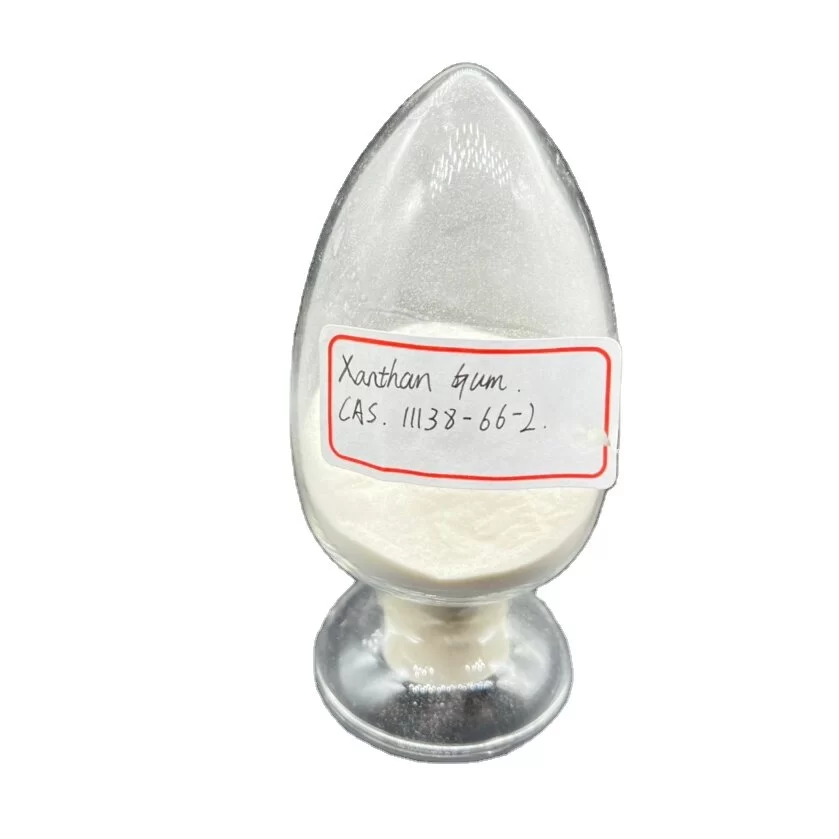
The geographical location of Turkmenistan, bordering the Caspian Sea, presents unique logistical advantages and disadvantages. Access to regional trade routes is beneficial, yet transportation costs can be elevated due to the landlocked nature of the country. This impacts the pricing of products like benzoic acid and xanthan gum which are heavily dependent on efficient supply chains.
Government initiatives aimed at diversifying the economy and promoting domestic manufacturing are slowly fostering a more conducive environment for local inorganic salt producers. Investment in modern production facilities and the development of skilled labor are crucial for strengthening the industry’s competitiveness within the Central Asian region.