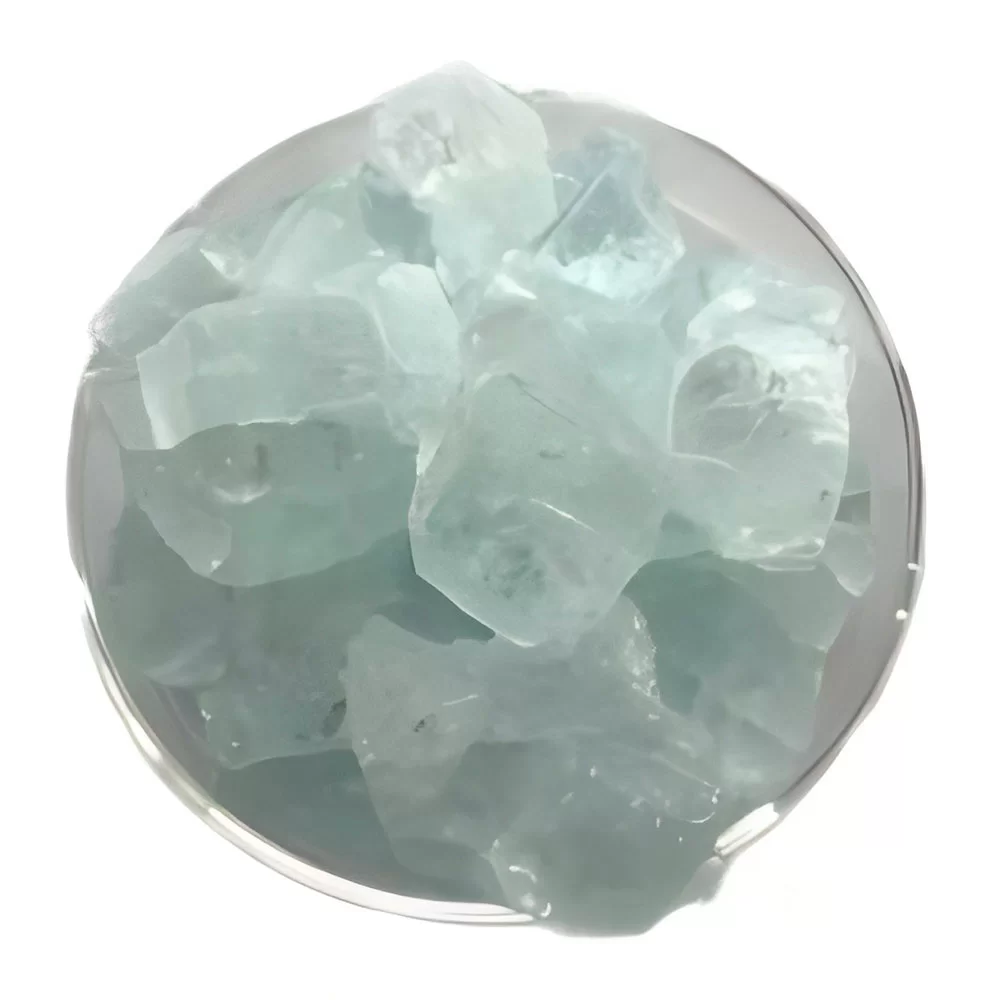
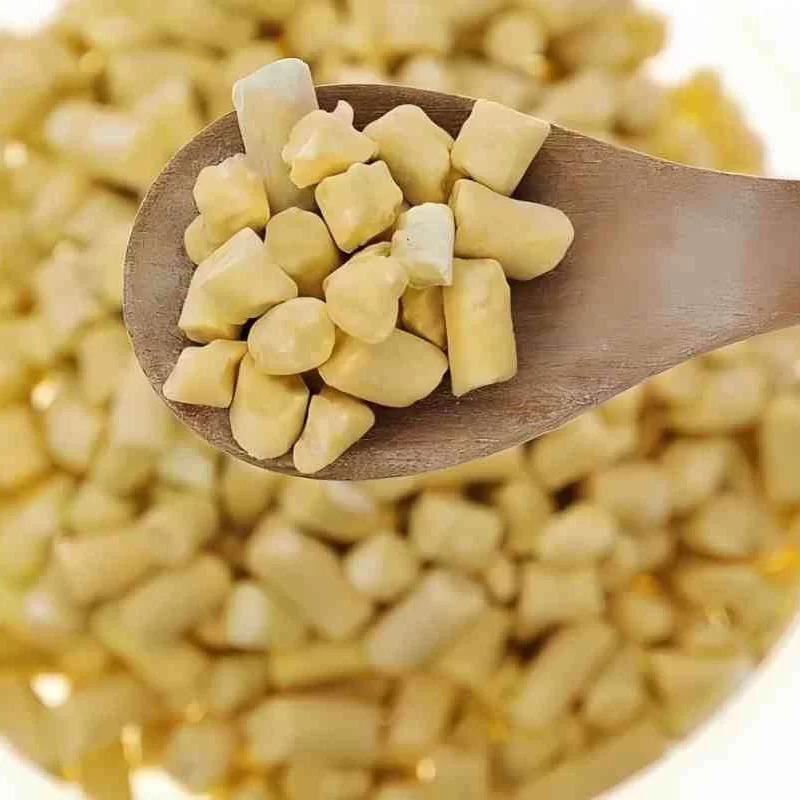
Product keywords : Sodium cyanide Activated carbon Silver Mercury

South Sudan's Premier Aluminum Sulfate Solutions

Providing high-quality chemical raw materials for industrial applications across South Sudan.

Current State of Inorganic Salt Manufacturing in South Sudan

Challenges and Opportunities in a Developing Market

South Sudan, being a newly independent nation, faces significant infrastructure challenges impacting the chemical manufacturing sector. The reliance on imports for most inorganic salts, including calcium hypochlorite, creates supply chain vulnerabilities and elevated costs. The limited local production capacity is further exacerbated by security concerns and logistical difficulties associated with transportation within the country.

The demand for inorganic salts is primarily driven by water treatment, agriculture, and the oil industry. Water purification, particularly crucial due to limited access to clean water, necessitates the use of chemicals like calcium hypochlorite. Agricultural development requires fertilizers and soil treatment agents where aluminum sulfate can play a role, but this sector remains underdeveloped.

Despite these challenges, the potential for growth is substantial. Investment in local production facilities, particularly focusing on essential inorganic salts, could reduce dependence on imports and create employment opportunities. The discovery and development of natural resources could also stimulate demand for specialized chemicals like xanthan gum for oil extraction processes.
Historical Development and Trajectory of the Industry

From Basic Needs to Industrial Applications

Market Development History

Prior to South Sudan’s independence in 2011, the chemical supply chain was largely managed through Sudan. Post-independence, establishing independent supply routes and building local capacity became paramount. The initial phase focused on securing essential imports, especially for water treatment chemicals like calcium hypochlorite, to address urgent public health needs.

The 2010s saw a gradual increase in demand from the nascent oil industry, requiring chemicals for drilling and refining processes. This drove demand for specialized chemicals, including polymers and additives. Simultaneously, limited agricultural initiatives started to require basic inorganic salts for soil management and fertilizer production.

In recent years, the focus has shifted towards promoting local content and attracting foreign investment in the chemical manufacturing sector. While large-scale production remains limited, several small-scale blending and packaging facilities have emerged, primarily focused on repackaging imported materials. The growth in demand for activated carbon is linked with increasing industrial water treatment requirement.

Future Development Trends

Growing Demand for Water Treatment Chemicals

As South Sudan’s population grows and access to clean water remains limited, the demand for water treatment chemicals like calcium hypochlorite is expected to increase significantly.

Expansion of Agricultural Sector

Increased investment in agriculture, driven by efforts to improve food security, will drive demand for fertilizers and soil conditioners utilizing materials such as aluminum sulfate.

Development of Oil Industry Infrastructure

Continued exploration and development of oil reserves will create demand for specialized chemicals used in extraction, refining, and pipeline maintenance, including advanced polymers and additives.

Industry Trends and Future Outlook

Navigating the Path Forward

Localized Production Initiatives
The South Sudanese government is actively seeking to incentivize local production of essential chemicals to reduce import dependence and foster economic growth.
Focus on Sustainable Solutions
Increasing awareness of environmental concerns is driving demand for eco-friendly chemicals and sustainable manufacturing practices.
Technological Advancements
Adoption of new technologies, such as advanced water purification systems and efficient fertilizer production techniques, will enhance the sector's capabilities.
Regional Integration
Enhanced regional trade and cooperation with neighboring countries will facilitate the flow of goods and services.

Industry Outlook

Over the next 3-5 years, the South Sudanese chemical industry is poised for significant growth, driven by increasing domestic demand and strategic investments. The key will be attracting international expertise and capital to establish sustainable and efficient production facilities.

The demand for benzoic acid in the food preservation industry is also expected to rise along with increasing processing capacity. The growth of the chemical industry will also necessitate skilled labor and training programs to ensure a competent workforce.

Local Application Scenarios

Tailored Solutions for South Sudan's Unique Challenges

1. Water Purification in Rural Communities

Providing affordable and effective water purification solutions using calcium hypochlorite to combat waterborne diseases in remote areas lacking access to centralized water treatment facilities.

2. Soil Amendment for Agricultural Improvement

Utilizing aluminum sulfate to adjust soil pH and improve nutrient availability for increased crop yields in South Sudan's agricultural regions.

3. Oilfield Applications for Enhanced Recovery

Supplying xanthan gum and other specialized polymers for use in oil drilling and enhanced oil recovery operations, optimizing production efficiency.

4. Food Preservation for Extended Shelf Life

Offering benzoic acid for use in food processing and preservation, extending shelf life and reducing food waste in a region with limited refrigeration infrastructure.

Brand Story

Shandong Jiuzhou Chemical Co., Ltd.'s Global Development Journey

Commitment to Quality

We are dedicated to providing the highest quality chemical raw materials, ensuring reliability and consistency for our customers in South Sudan.

Addressing Supply Chain Challenges

We specialize in navigating complex logistics to deliver timely and efficient chemical supplies to even the most remote areas of South Sudan.

Supporting Local Development

We are committed to fostering local economic growth by investing in sustainable practices and creating employment opportunities.

Technical Expertise and Support

Our team of experts provides comprehensive technical support and guidance to ensure our customers can optimize their chemical applications.

Reliable Partnerships

We build long-term relationships based on trust, integrity, and a shared commitment to success.

Frequently Asked Questions - South Sudan

Answers to Common Inquiries

What is the shelf life of calcium hypochlorite in South Sudan's climate?

The shelf life of calcium hypochlorite is significantly impacted by humidity and temperature. In South Sudan's climate, it's recommended to store it in a cool, dry place, sealed tightly, and use it within six months of purchase for optimal effectiveness.

How can aluminum sulfate be used to improve soil quality for agricultural purposes in South Sudan?

Aluminum sulfate can be used to lower the pH of alkaline soils, making essential nutrients more accessible to plants. It’s particularly beneficial for crops that prefer acidic soil conditions, such as tea and coffee. Proper soil testing is recommended before application to determine the appropriate dosage.

What safety precautions should be taken when handling benzoic acid for food preservation?

Benzoic acid should be handled with gloves and eye protection, avoiding inhalation of dust. It should be stored in a cool, dry place, away from incompatible materials. Always follow proper food safety guidelines when using benzoic acid for preservation.

What are the key applications of activated carbon in industrial water treatment within South Sudan?

Activated carbon is primarily used to remove organic contaminants, chlorine, and odors from industrial wastewater. It's crucial for meeting environmental regulations and ensuring the safe discharge of treated water.

How does xanthan gum contribute to enhanced oil recovery operations in South Sudan's oilfields?

Xanthan gum is used as a viscosity modifier in drilling fluids, improving their ability to carry cuttings and stabilize boreholes. It also enhances oil recovery by increasing the sweep efficiency of waterflooding operations.

What is the typical lead time for chemical deliveries to South Sudan from Shandong Jiuzhou Chemical?

Lead times vary depending on the specific product and destination within South Sudan. Generally, deliveries take 4-8 weeks, considering logistical complexities and customs clearance procedures. We provide detailed tracking information throughout the shipping process.

Get in Touch with Us

We are your trusted chemical partner in South Sudan. Contact us today to discuss your specific requirements.

Contact Us Now

If you are interested in our products, you can choose to leave your information here, and we will be in touch with you shortly.