Morocco's chemical industry, particularly the inorganic salt sector, is experiencing steady growth fueled by demand from agriculture, water treatment, and various manufacturing processes. The country's strategic location provides access to European and African markets, making it a key regional hub. However, the industry faces challenges such as reliance on imported raw materials and the need for modernization to meet international standards, specifically regarding aluminum sulfate production.
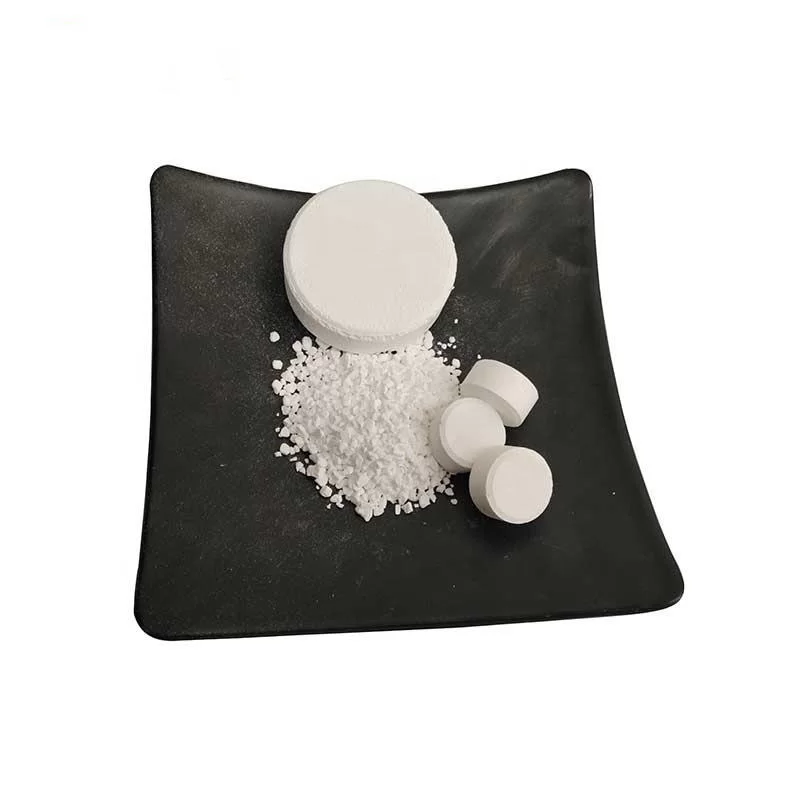
The availability of phosphate rock, a crucial component in many inorganic salts, gives Morocco a competitive advantage. However, efficient processing and value-added production are essential for maximizing this potential. The growing focus on sustainable practices and environmental regulations is also shaping the industry landscape, requiring companies to invest in cleaner production technologies and responsible waste management, impacting the demand for products like calcium hypochlorite.
The Moroccan government is actively promoting industrial development through incentives and investment in infrastructure. This support, coupled with a skilled workforce, creates a favorable environment for both domestic and foreign companies operating in the inorganic salt manufacturing sector. The water scarcity issue in Morocco is also driving demand for efficient water treatment chemicals such as activated carbon.