
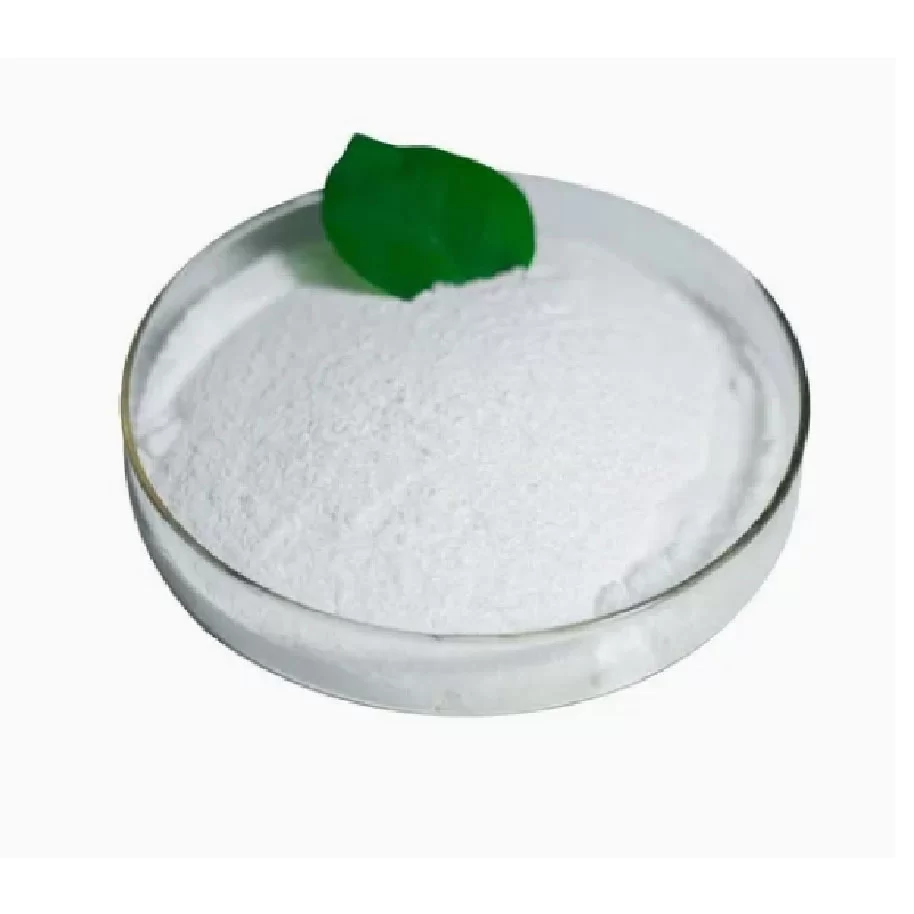
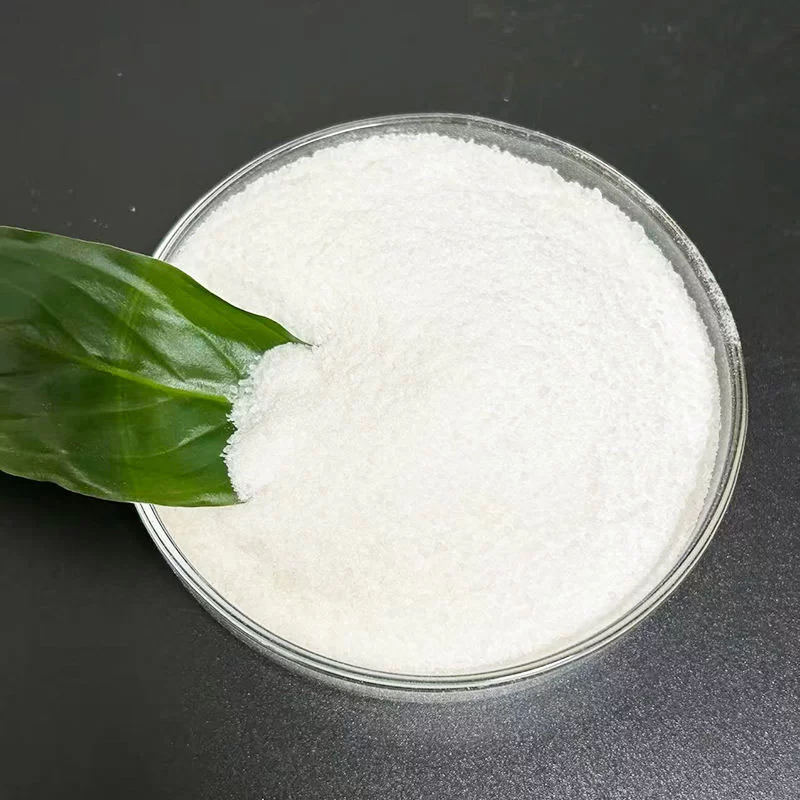
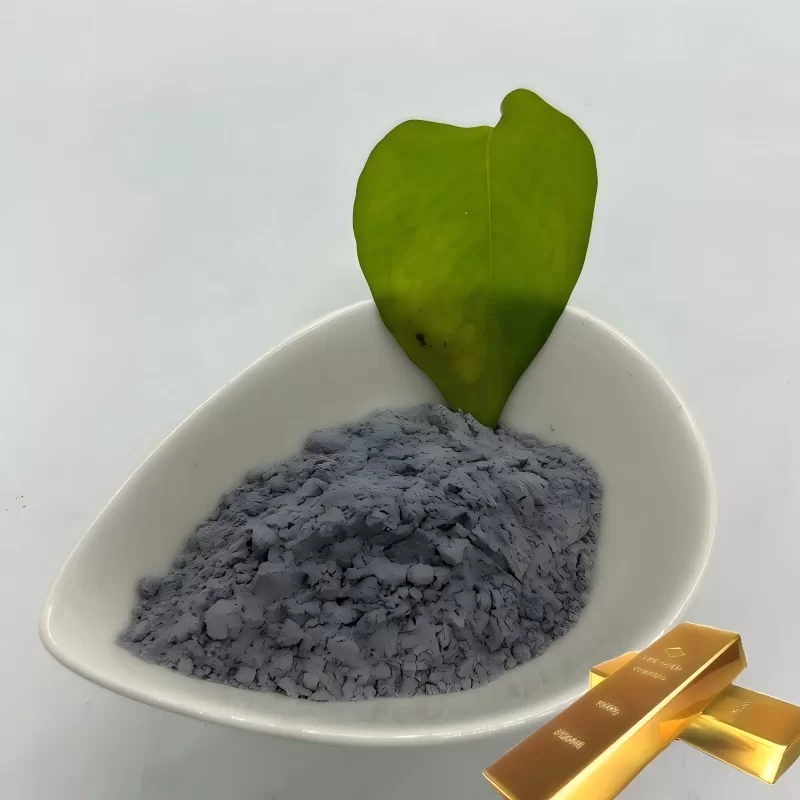
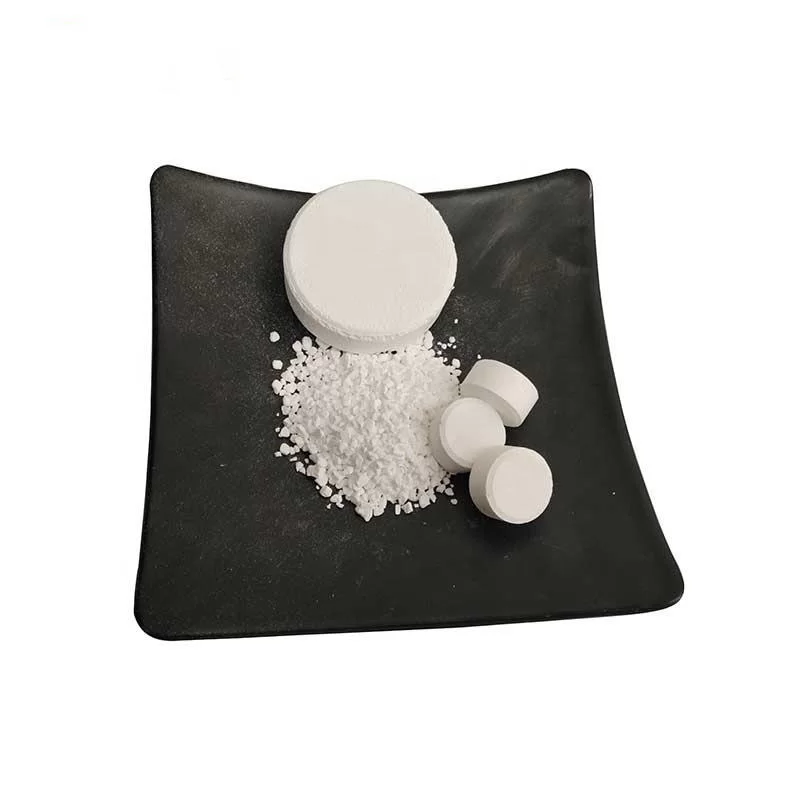
Product keywords : Sodium cyanide Activated carbon Silver Mercury

Moroccan Activated Carbon Solutions for Industrial Applications

Supplying high-quality chemical raw materials to industries across Morocco, including benzoic acid, calcium hypochlorite, aluminum sulfate, and xanthan gum.

The Current State of Inorganic Salt Manufacturing in Morocco

A look at the challenges and opportunities within Morocco's chemical industry.

Morocco's chemical industry, particularly the inorganic salt sector, is experiencing steady growth fueled by demand from agriculture, water treatment, and various manufacturing processes. The country's strategic location provides access to European and African markets, making it a key regional hub. However, the industry faces challenges such as reliance on imported raw materials and the need for modernization to meet international standards, specifically regarding aluminum sulfate production.

The availability of phosphate rock, a crucial component in many inorganic salts, gives Morocco a competitive advantage. However, efficient processing and value-added production are essential for maximizing this potential. The growing focus on sustainable practices and environmental regulations is also shaping the industry landscape, requiring companies to invest in cleaner production technologies and responsible waste management, impacting the demand for products like calcium hypochlorite.

The Moroccan government is actively promoting industrial development through incentives and investment in infrastructure. This support, coupled with a skilled workforce, creates a favorable environment for both domestic and foreign companies operating in the inorganic salt manufacturing sector. The water scarcity issue in Morocco is also driving demand for efficient water treatment chemicals such as activated carbon.
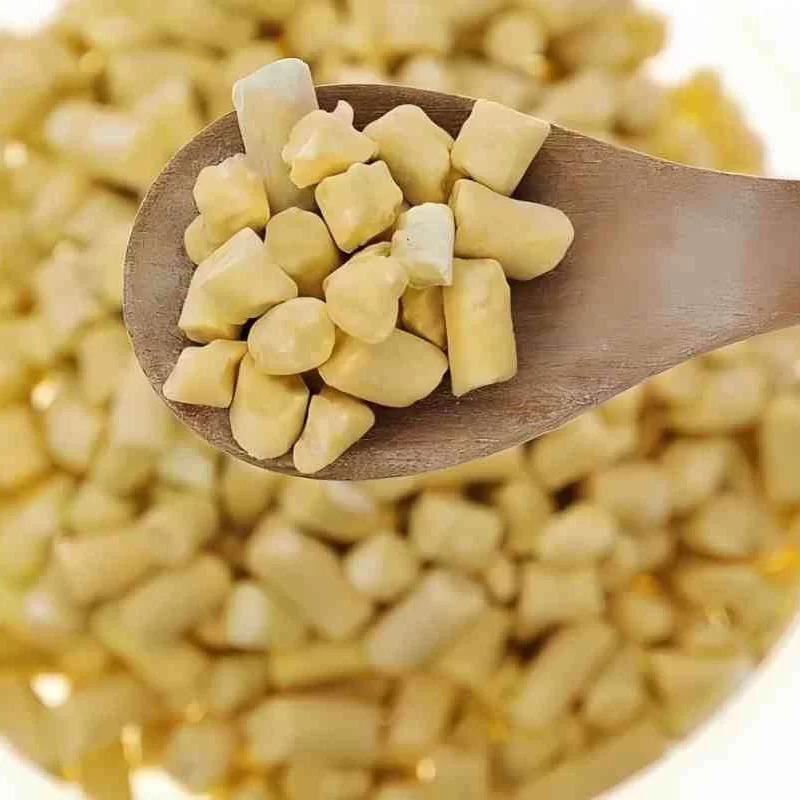
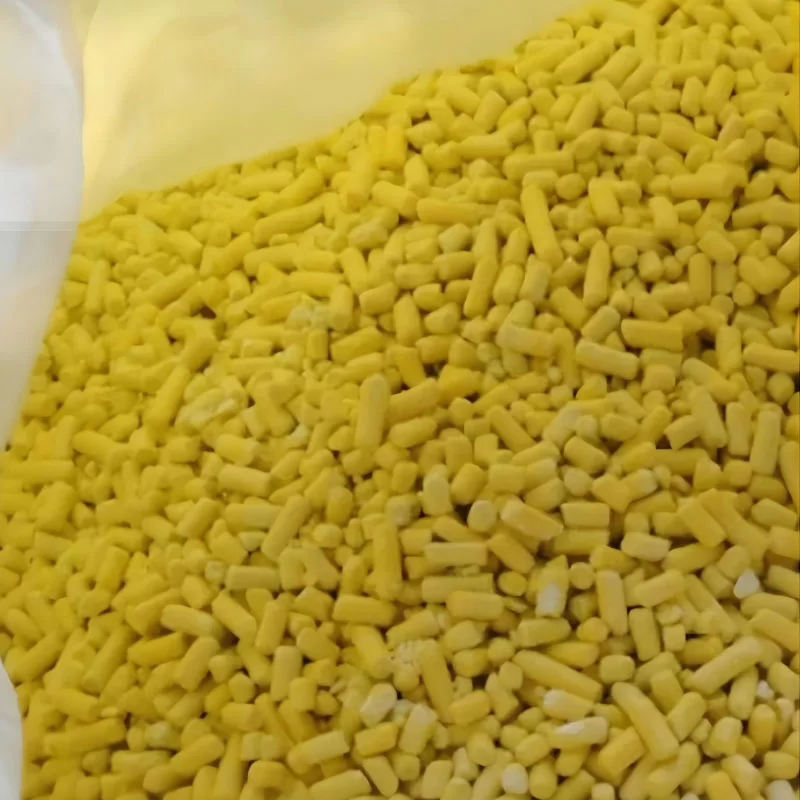
The Evolution of Inorganic Salt Manufacturing in Morocco

Tracing the development of Morocco's chemical industry from traditional methods to modern technologies.

Market Development History

Historically, Morocco's inorganic salt manufacturing was characterized by small-scale, labor-intensive production methods. Prior to the 1980s, much of the chemical demand was met through imports. The discovery and exploitation of phosphate reserves spurred the growth of local production, initially focused on basic phosphates.

The 1990s witnessed a wave of modernization, with investments in larger, more efficient production facilities. This period saw the introduction of advanced technologies for producing a wider range of inorganic salts, including those used in agriculture and industrial applications. The demand for benzoic acid as a preservative also increased with the growth of the food processing industry.

From the 2000s onwards, the focus shifted towards sustainability and environmental responsibility. Companies began adopting cleaner production processes and investing in waste treatment technologies. The rise of specialized chemicals, such as xanthan gum for oil drilling and food applications, broadened the market further.

Future Development Trends

Technological Advancements in Production Processes

The future of inorganic salt manufacturing in Morocco will be defined by technological innovation. Expect to see increased automation, the adoption of advanced control systems, and the development of more efficient production processes. This will enhance productivity, reduce costs, and minimize environmental impact.

Focus on Sustainable and Green Chemistry

Sustainability will be a key driver. Companies will increasingly prioritize the use of renewable resources, the development of eco-friendly products, and the implementation of circular economy principles.

Demand for Specialized and High-Purity Chemicals

The demand for specialized and high-purity inorganic salts will continue to grow, driven by the needs of emerging industries such as pharmaceuticals, electronics, and renewable energy.

Industry Trends and Future Outlook for Morocco's Chemical Sector

Analyzing the evolving landscape and predicting future developments in Morocco's chemical industry.

Growing Demand for Water Treatment Chemicals
Morocco faces increasing water scarcity, driving demand for efficient water treatment solutions. Chemicals like calcium hypochlorite and aluminum sulfate will see increased adoption.
Expanding Agricultural Sector Needs
Morocco's agricultural sector is a major driver of chemical demand. Increased fertilizer use and the need for crop protection will boost demand for inorganic salts.
Rise of Industrial Manufacturing
Growth in Morocco's industrial sector, including textiles, leather, and food processing, will increase demand for a range of chemical inputs, including benzoic acid.
Increased Focus on Environmental Regulations
Stricter environmental regulations will drive demand for eco-friendly chemical solutions and responsible waste management practices.

Industry Outlook

The Moroccan chemical industry is poised for continued growth in the coming years. The country's strategic location, growing economy, and supportive government policies create a favorable environment for investment and innovation. Specifically, the demand for activated carbon for purification processes is expected to rise significantly.

However, companies will need to address challenges such as reliance on imported raw materials and the need for modernization to remain competitive. Investing in sustainable technologies and developing value-added products will be crucial for success.

Local Application Scenarios in Morocco

Exploring the specific applications of chemical raw materials within the Moroccan context.

1. Water Purification in Coastal Cities

Morocco's coastal cities face challenges related to water scarcity and seawater intrusion. Activated carbon is essential in water treatment plants for removing pollutants and ensuring access to clean drinking water.

2. Agricultural Applications in the Fertile Plains

The fertile plains of Morocco rely on fertilizers to maximize crop yields. Aluminum sulfate is used in soil conditioning and as a micronutrient supplement.

3. Food Preservation in the Food Processing Industry

Morocco's growing food processing industry requires effective preservation techniques. Benzoic acid is used as a food preservative to extend shelf life and maintain product quality.

4. Textile Manufacturing in Industrial Hubs

Morocco's textile industry utilizes various chemical processes, including dyeing and finishing. Xanthan gum can be used as a thickening agent in textile printing and dyeing applications.

5. Swimming Pool Sanitation in Tourist Resorts

Morocco’s thriving tourism sector relies on maintaining hygienic swimming pools. Calcium hypochlorite is extensively utilized as a disinfectant to ensure water safety in hotels and resorts.

Brand Story

Shandong Jiuzhou Chemical Co., Ltd.'s global development journey.

Established Chemical Expertise

Founded in Shandong Province, China, we bring decades of experience in chemical manufacturing and global distribution to the Moroccan market.

Commitment to Quality

We adhere to stringent quality control standards, ensuring that our products meet the highest international benchmarks.

Sustainable Practices

We prioritize sustainable manufacturing processes and responsible environmental stewardship.

Customer-Centric Approach

We are dedicated to providing tailored solutions and exceptional customer service.

Reliable Supply Chain

We offer a dependable and efficient supply chain, ensuring timely delivery of products to our customers in Morocco.

Frequently Asked Questions – Morocco

Addressing common inquiries about our products and services in the Moroccan market.

What is the lead time for delivery of activated carbon to Casablanca?

Typical lead time to Casablanca is 10-14 business days, depending on the quantity and current shipping schedules.

Do you offer technical support for the application of aluminum sulfate in Moroccan agriculture?

Yes, we provide comprehensive technical support, including dosage recommendations and application guidance for our products.

What certifications do you hold for the production of calcium hypochlorite?

We are ISO 9001 certified and adhere to strict quality control standards throughout our manufacturing processes.

Can you provide Safety Data Sheets (SDS) for your benzoic acid products?

Yes, SDS documents are available for all our products and can be downloaded from our website or provided upon request.

What are your payment terms for orders from Morocco?

We typically offer Letter of Credit (LC) or Telegraphic Transfer (TT) payment terms.

Do you have local distributors for xanthan gum within Morocco?

We are currently establishing a network of distributors in Morocco. Please contact us for the latest information.

Get in Touch with Us

We are your trusted partner for chemical raw materials in Morocco. Contact us today to discuss your requirements.

Contact Us Now

If you are interested in our products, you can choose to leave your information here, and we will be in touch with you shortly.