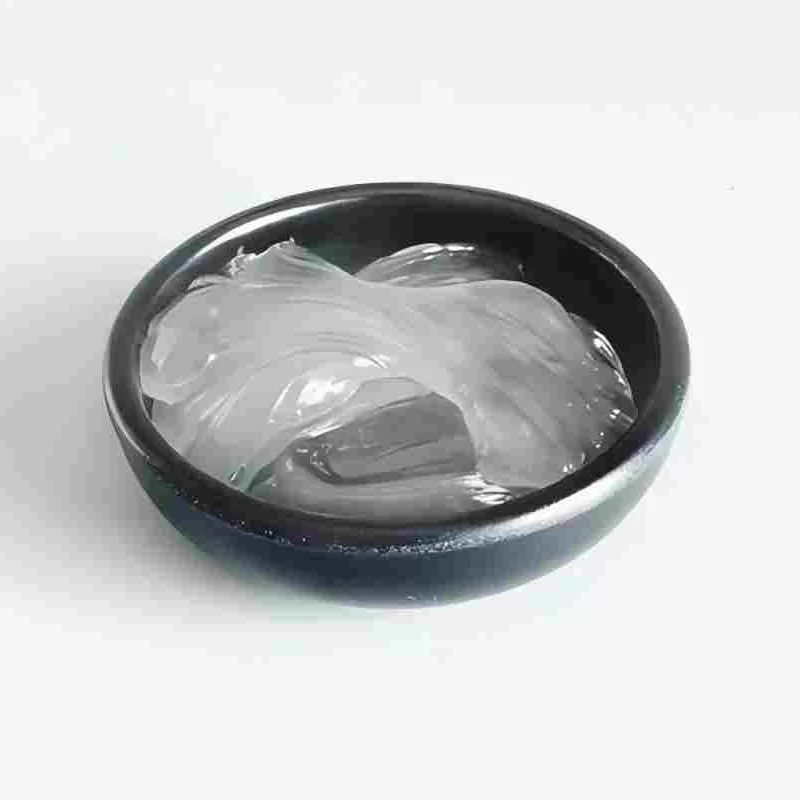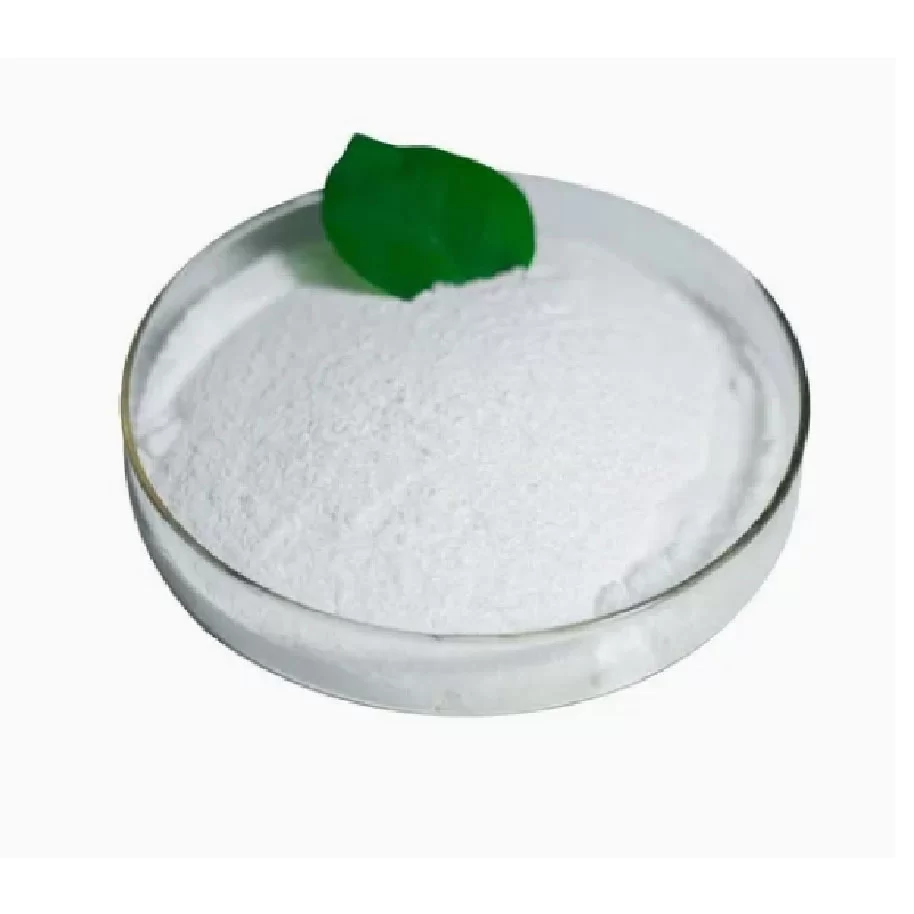
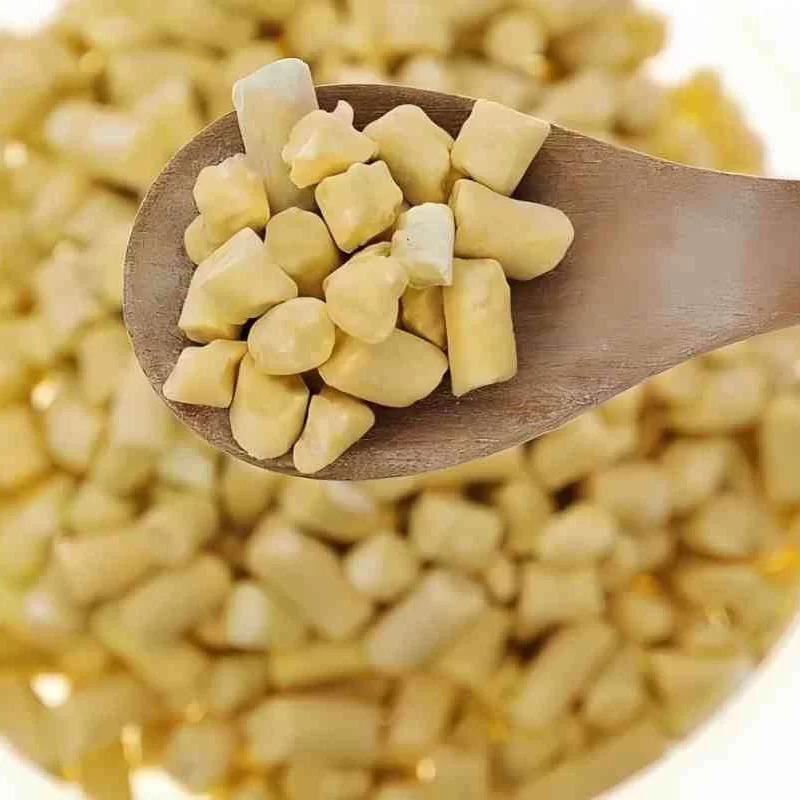
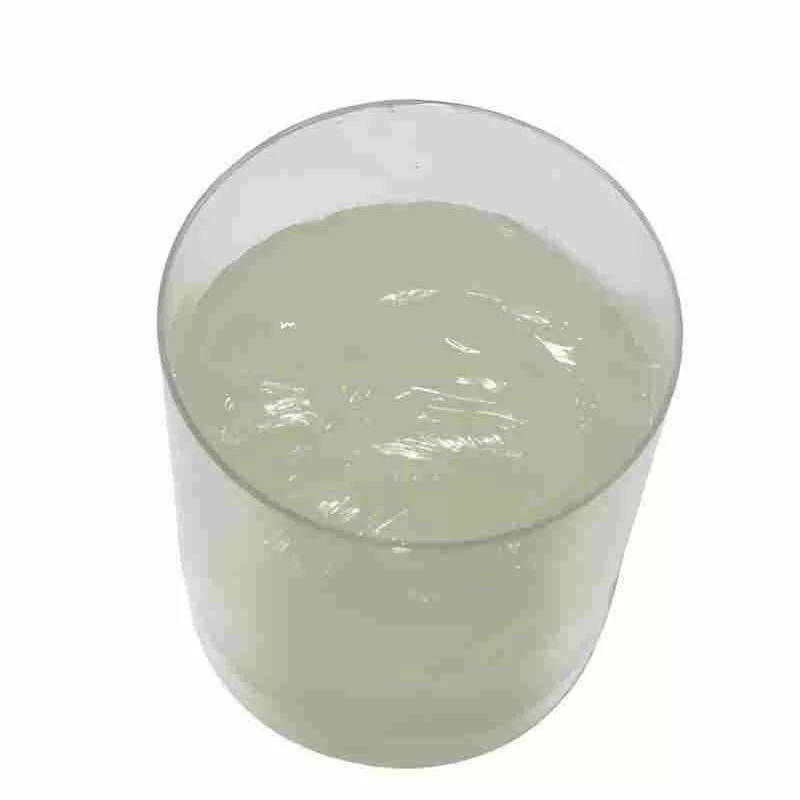
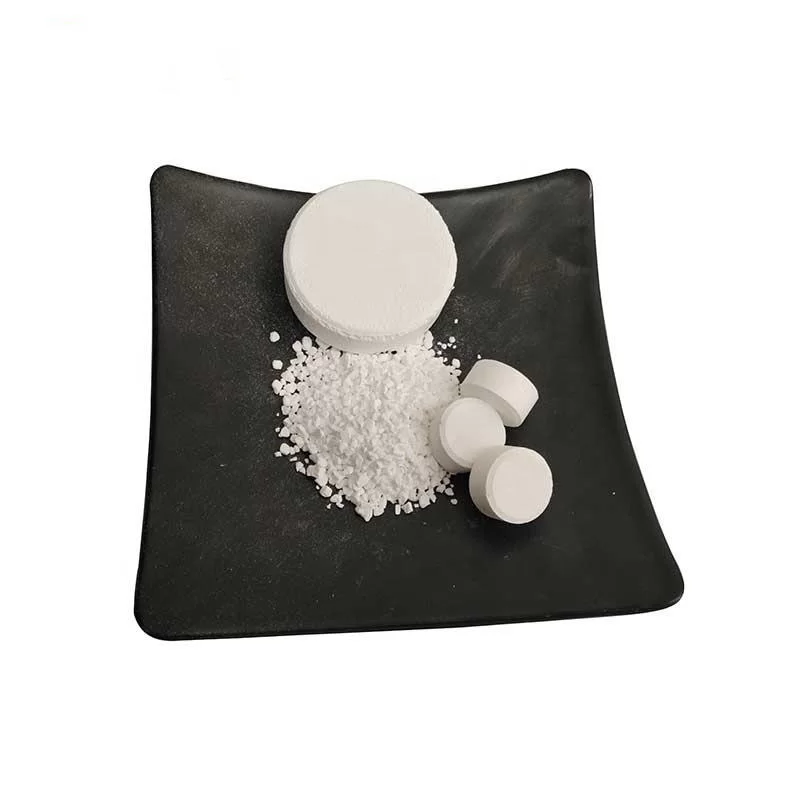
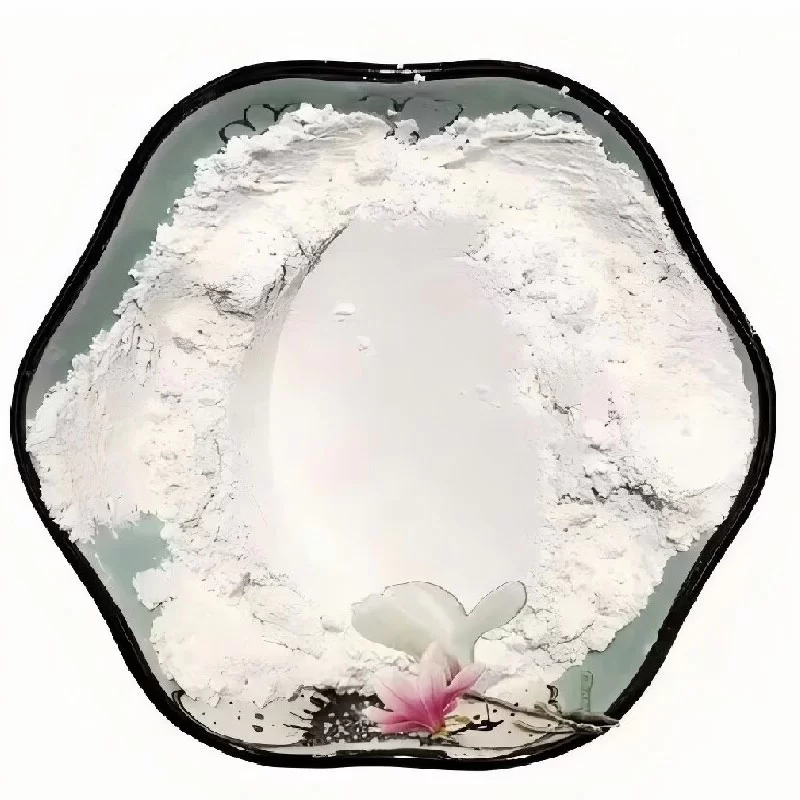
Product keywords : Sodium cyanide Activated carbon Silver Mercury

Rwanda's Premier Aluminum Sulfate Solutions

Providing high-quality chemical raw materials for diverse industrial applications in Rwanda.

Current Landscape of Inorganic Salt Manufacturing in Rwanda

Challenges and Opportunities in the Rwandan Chemical Industry.

Rwanda, a nation undergoing rapid industrialization, presents a unique landscape for inorganic salt manufacturing. The demand for chemicals like calcium hypochlorite for water treatment and aluminum sulfate for various industrial processes is steadily increasing. However, local production capacity remains limited, relying heavily on imports, which can be affected by global supply chain disruptions and fluctuating costs.

The Rwandan economy is primarily agricultural, with coffee and tea being major exports. This drives the need for chemicals such as benzoic acid in food preservation and xanthan gum in various food and beverage applications. Access to consistent, high-quality chemical supplies is crucial for maintaining export standards and fostering agricultural growth.

Rwanda's geographical location and limited natural resources pose logistical challenges for chemical manufacturing. The country is landlocked, increasing transportation costs. Furthermore, the availability of skilled labor and access to advanced technologies are crucial factors impacting the growth of the sector. Sustainability and environmental regulations are also becoming increasingly important considerations for manufacturers operating in Rwanda.
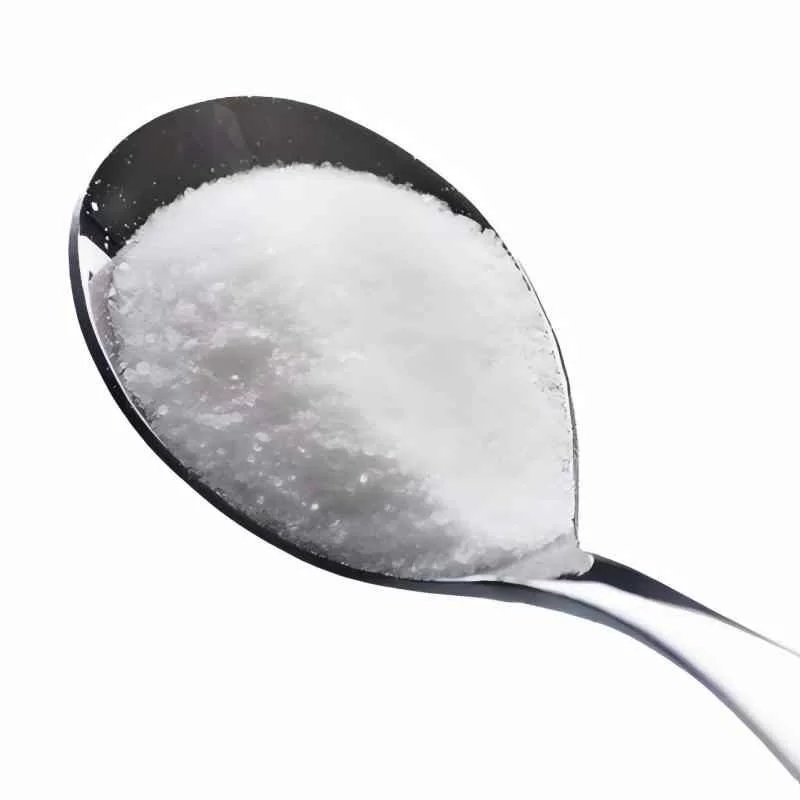
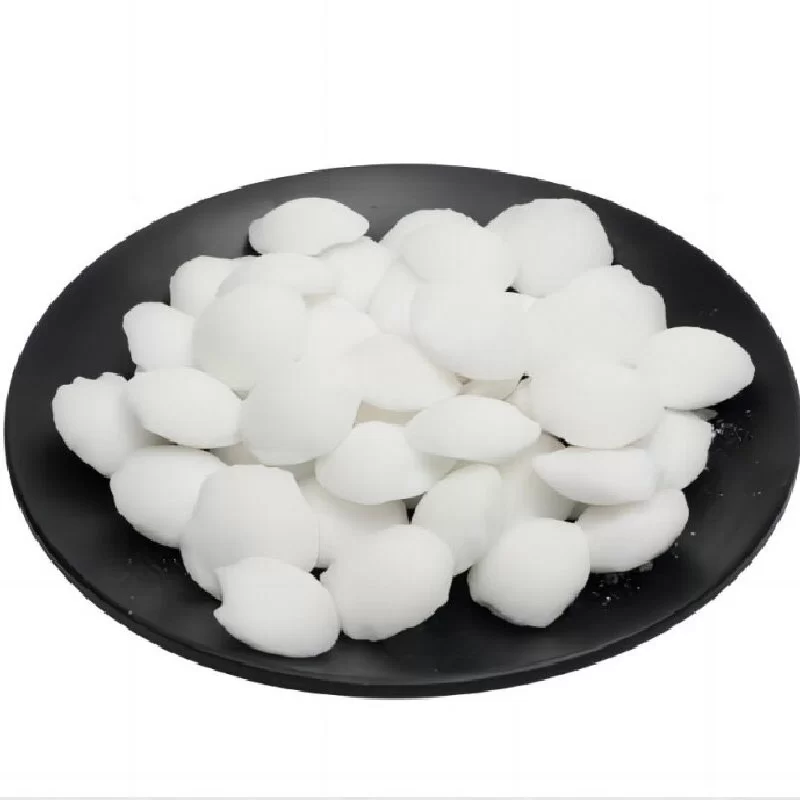
The Evolution of Inorganic Salt Manufacturing in Rwanda

From Traditional Methods to Modern Chemical Production.

Market Development History

Historically, inorganic salt production in Rwanda was limited to rudimentary methods focused on basic needs like salt for food preservation. Prior to the 1990s, most chemicals were imported or produced on a small scale. The 1994 genocide severely disrupted economic activities, including the chemical industry, hindering its development for years.

The early 2000s saw a gradual recovery and increased government focus on industrialization. Investments in infrastructure and policies aimed at attracting foreign investment began to lay the groundwork for a more developed chemical sector. The introduction of more advanced technologies, particularly in water treatment, led to increased demand for chemicals like calcium hypochlorite.

From 2010 onwards, Rwanda experienced significant economic growth, driven by sectors like tourism and construction. This growth further fueled demand for a wider range of inorganic salts for various industrial applications. The focus shifted towards sustainable practices and the adoption of environmentally friendly technologies.

Future Development Trends

Increasing Demand for Water Treatment Chemicals

With Rwanda’s population growth and increasing urbanization, the demand for effective water treatment solutions will continue to rise. This will drive the need for chemicals like calcium hypochlorite and other disinfection agents.

Focus on Sustainable Chemical Production

Growing environmental awareness and stricter regulations will incentivize manufacturers to adopt more sustainable production methods, reducing waste and minimizing environmental impact. The use of activated carbon for pollution control will become more prevalent.

Technological Advancements in Manufacturing Processes

The adoption of advanced manufacturing technologies, such as automated production lines and process control systems, will improve efficiency, reduce costs, and enhance product quality.

Industry Trends and Future Outlook for Inorganic Salts in Rwanda

Projecting Growth and Innovation in the Rwandan Chemical Sector.

Growth in Agricultural Sector Demand
Rwanda’s thriving agricultural sector will continue to drive demand for fertilizers and soil conditioners requiring inorganic salts like aluminum sulfate.
Expanding Water & Wastewater Treatment
Investments in water and wastewater treatment infrastructure will increase the need for disinfection agents like calcium hypochlorite.
Growing Food Processing Industry
The expanding food processing sector will require ingredients like benzoic acid and xanthan gum for preservation and texture enhancement.
Increased Emphasis on Industrial Effluent Treatment
Stricter environmental regulations will necessitate improved effluent treatment processes, increasing demand for chemicals like activated carbon.

Industry Outlook

The inorganic salt manufacturing sector in Rwanda is poised for substantial growth over the next 3-5 years. This growth will be driven by the country’s continued economic development, increased industrialization, and a rising awareness of environmental sustainability.

Successful players in this market will be those who can deliver high-quality products, provide reliable supply chains, and offer competitive pricing. Furthermore, companies that invest in sustainable production practices and environmental responsibility will be well-positioned to thrive in the long term.

Local Application Scenarios for Inorganic Salts in Rwanda

Specific Use Cases Tailored to the Rwandan Market.

1. Coffee Processing: Utilizing Benzoic Acid

Rwanda is a major coffee producer. Benzoic acid is used as a preservative to maintain the quality and shelf life of coffee beans during storage and export.

2. Tea Plantation Water Treatment: Implementing Calcium Hypochlorite

Tea plantations require clean water for irrigation and processing. Calcium hypochlorite is used to disinfect water sources, ensuring the production of high-quality tea leaves.

3. Industrial Wastewater Treatment: Deploying Activated Carbon

Textile and food processing industries generate significant amounts of wastewater. Activated carbon effectively removes pollutants and contaminants from industrial effluent, meeting environmental regulations.

4. Soap & Detergent Production: Employing Aluminum Sulfate

Local soap and detergent manufacturers utilize aluminum sulfate as a key ingredient in their formulations, enhancing product performance and stability.

5. Food Thickening and Stabilization: Utilizing Xanthan Gum

The burgeoning food processing sector in Rwanda leverages xanthan gum as a vital stabilizer and thickening agent in numerous food and beverage products.

Brand Story

Shandong Jiuzhou Chemical Co., Ltd.’s Global Development Journey

Pioneering Quality Chemical Solutions

Founded on a commitment to delivering high-quality chemical raw materials, Shandong Jiuzhou Chemical Co., Ltd. has rapidly become a trusted supplier to industries worldwide.

Expanding Global Reach

We expanded our operations to serve diverse markets, including Africa, focusing on providing tailored solutions to meet local needs.

Commitment to Sustainability

We embraced sustainable manufacturing practices, minimizing our environmental impact and promoting responsible chemical handling.

Partnering with Rwanda

We established strategic partnerships in Rwanda to provide efficient supply chains and localized support for our customers.

Our Mission

To empower Rwandan industries with reliable, high-quality chemical solutions, fostering sustainable growth and innovation.

Frequently Asked Questions - Rwanda

Addressing Common Inquiries About Our Products and Services.

What is the typical lead time for aluminum sulfate delivery to Kigali, Rwanda?

Lead times vary based on order volume and shipping availability, but generally range from 4-6 weeks. We prioritize efficient logistics to ensure timely delivery.

Do you offer technical support for the application of xanthan gum in food processing?

Yes, our team of technical experts provides comprehensive support, including formulation assistance and troubleshooting, to ensure optimal xanthan gum performance.

What certifications do you hold for your calcium hypochlorite products?

We adhere to stringent quality standards and hold relevant certifications, including ISO 9001, to guarantee the purity and effectiveness of our calcium hypochlorite.

What is the shelf life of benzoic acid when stored in Rwanda's climate?

When stored in a cool, dry place away from direct sunlight, benzoic acid typically has a shelf life of 2-3 years. Proper storage is essential to maintain its quality.

Can you provide Safety Data Sheets (SDS) for all your products?

Absolutely. SDS documents are readily available for all our products and can be downloaded from our website or provided upon request.

Do you offer customized packaging options for activated carbon to suit specific Rwandan industry needs?

Yes, we offer flexible packaging solutions tailored to meet the unique requirements of our customers in Rwanda, including various bag sizes and materials.

Get in Touch with Us

We are dedicated to providing exceptional service to our customers in Rwanda and across Africa.

Contact Us Now

If you are interested in our products, you can choose to leave your information here, and we will be in touch with you shortly.