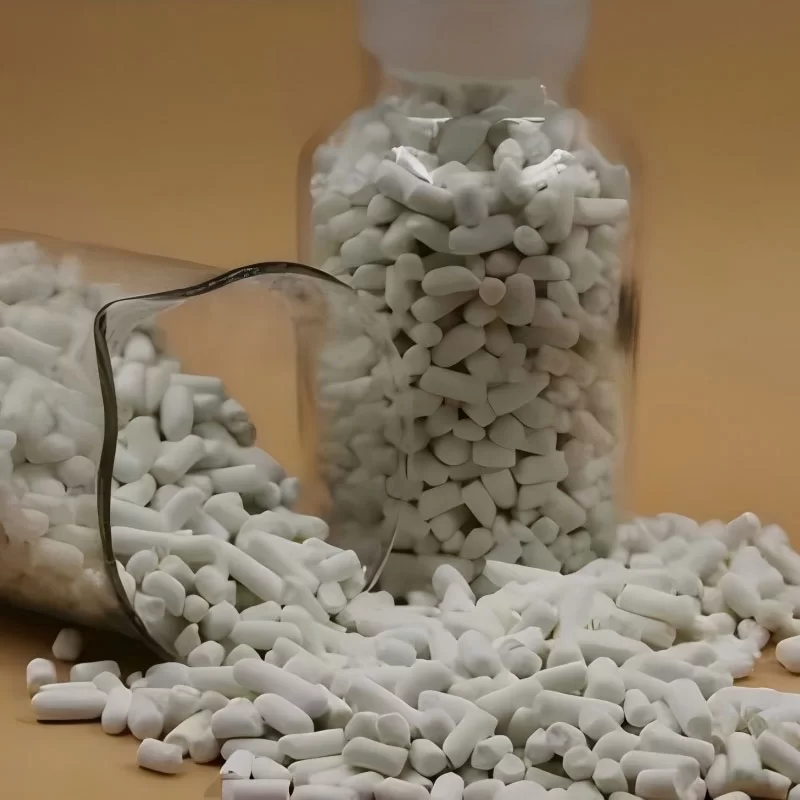
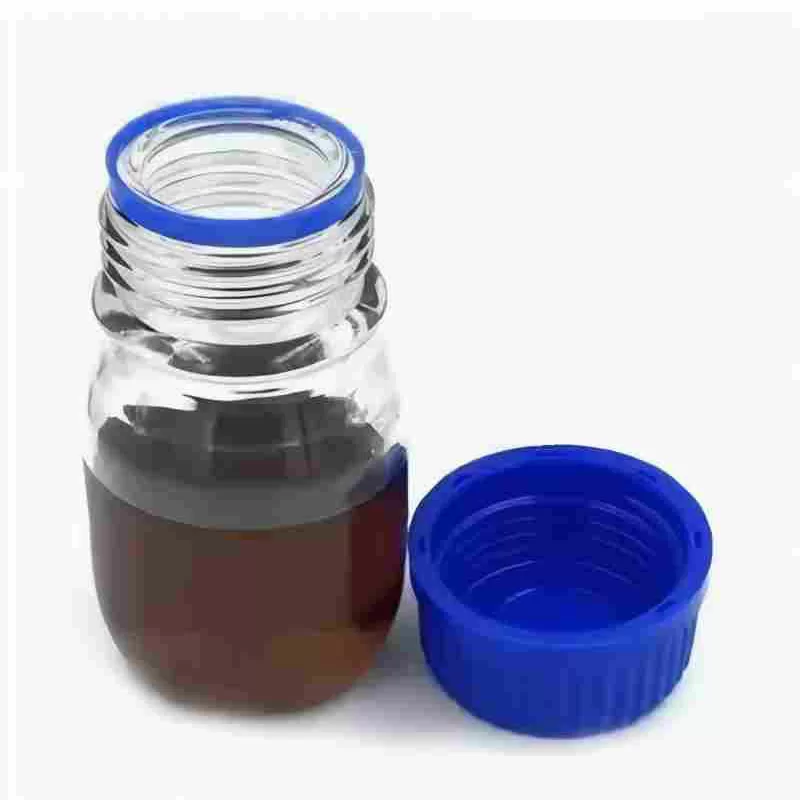
Product keywords : Sodium cyanide Activated carbon Silver Mercury

Venezuela Calcium Hypochlorite Solutions

Providing high-quality inorganic salts for various industries in Venezuela.

Current State of the Inorganic Salt Industry in Venezuela

Challenges and Opportunities in the Venezuelan Chemical Market

Venezuela's chemical industry, including inorganic salt manufacturing, faces unique challenges due to economic instability and limited access to modern technologies. The demand for essential chemicals like aluminum sulfate for water treatment and calcium hypochlorite for sanitation remains strong, but supply is often constrained. The country's reliance on imports adds to the cost and logistical complexities.

Geographically, Venezuela's diverse terrain – from the Andes Mountains to the Orinoco Delta – creates specific needs for chemical solutions in various sectors, including agriculture, mining, and water management. Climate conditions also impact storage and transportation, necessitating robust packaging and logistics solutions.

Despite these hurdles, the availability of natural resources like oil and gas provides a potential foundation for developing a more self-sufficient chemical industry. Investment in local production of key inorganic salts is critical to reduce dependence on imports and support economic recovery.
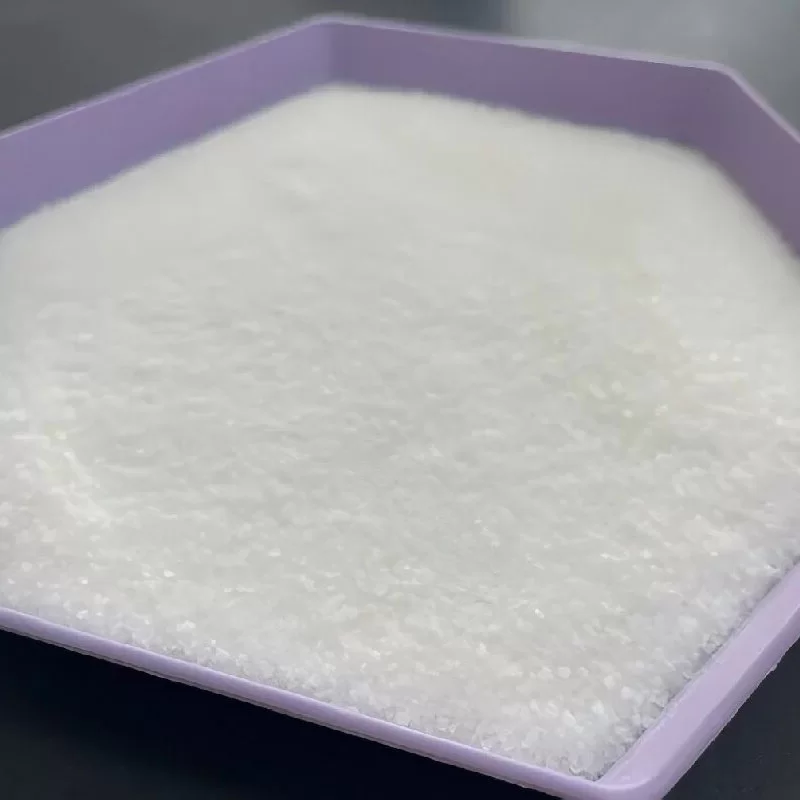
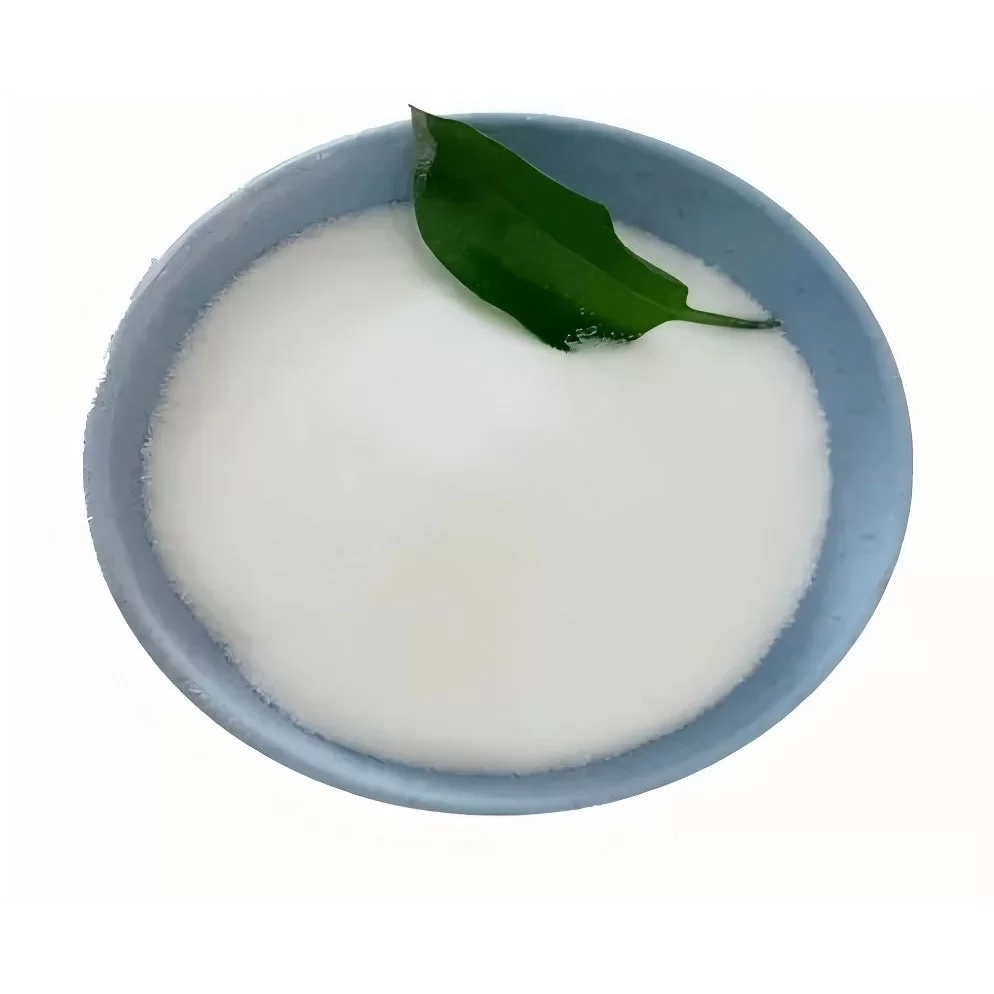
Historical Development and Evolution of Inorganic Salt Production in Venezuela

Tracing the technological advancements and market shifts.

Market Development History

Prior to the 1980s, Venezuela’s chemical industry was largely driven by oil revenues, focusing on petrochemicals. Inorganic salt production was limited, mainly serving domestic agricultural needs. The import of benzoic acid and xanthan gum was common for food preservation and industrial processes.

The 1990s saw a period of economic liberalization, encouraging some private investment in chemical production, but infrastructural challenges and political instability hampered significant growth. The focus remained on import substitution rather than large-scale export-oriented production.

The 21st century brought increased demand for water treatment chemicals like calcium hypochlorite due to deteriorating water infrastructure. However, economic downturns and currency controls hindered investment in modernizing production facilities.

Future Development Trends

Sustainable Production Methods

A growing emphasis on environmentally friendly and sustainable manufacturing processes will drive demand for greener production methods for inorganic salts. This includes reducing waste, minimizing energy consumption, and utilizing renewable resources.

Technological Integration

The adoption of advanced technologies like automation, process control systems, and data analytics will enhance efficiency, improve product quality, and reduce operational costs.

Local Sourcing and Value Addition

Shifting towards local sourcing of raw materials and adding value through downstream processing will increase self-sufficiency and boost the local economy.

Industry Trends and Future Outlook for Inorganic Salts in Venezuela

Analyzing market dynamics and forecasting future growth.

Water Treatment Demand
Growing population and industrialization increase demand for water purification chemicals such as aluminum sulfate and calcium hypochlorite.
Agricultural Needs
Venezuela's agricultural sector requires fertilizers and soil treatment chemicals, contributing to the demand for inorganic salts.
Mining Industry Growth
The mining sector utilizes chemicals for mineral processing and extraction, driving demand for inorganic compounds.
Food Processing and Preservation
The food industry relies on chemicals like benzoic acid for preservation and quality control.

Industry Outlook

The Venezuelan inorganic salt market is expected to experience moderate growth in the coming years, driven by increased investment in water infrastructure, agricultural development, and mining activities. Overcoming logistical hurdles and fostering a stable economic environment are crucial for realizing this potential.

Government policies promoting local manufacturing and attracting foreign investment will play a significant role in shaping the future of the industry. The adoption of sustainable practices and the development of innovative chemical solutions will be key to long-term success.

Localized Application Scenarios in Venezuela

Real-world examples of how inorganic salts are utilized across Venezuelan industries.

1. Water Purification in Caracas

The city of Caracas utilizes calcium hypochlorite for disinfecting drinking water, ensuring public health and safety in the metropolitan area.

2. Cocoa Bean Preservation in Sucre State

Cocoa farmers in Sucre state employ benzoic acid to prevent mold growth and preserve the quality of cocoa beans during storage and transportation.

3. Oil Extraction in the Orinoco Belt

The oil industry in the Orinoco Belt utilizes aluminum sulfate in wastewater treatment processes to remove impurities and meet environmental regulations.

4. Soil Amendment in Agricultural Regions

Farmers in Venezuela's agricultural regions leverage xanthan gum as a soil conditioner to improve water retention and enhance crop yields.

Brand Story

Shandong Jiuzhou Chemical Co., Ltd.’s Global Development Journey

Commitment to Quality

Since our inception, we have been dedicated to providing consistent, high-purity chemical solutions to meet the evolving needs of our clients.

Innovation and R&D

We invest heavily in research and development to create cutting-edge chemical formulations and improve manufacturing processes.

Global Reach and Local Expertise

We serve customers worldwide, combining global standards with local understanding to deliver tailored solutions.

Sustainable Practices

We prioritize environmental responsibility and implement sustainable manufacturing practices throughout our operations.

Customer-Centric Approach

We build long-term relationships with our customers by providing exceptional service, technical support, and reliable product delivery.

Frequently Asked Questions – Venezuela

Addressing common inquiries about inorganic salts in Venezuela.

What are the import regulations for calcium hypochlorite in Venezuela?

Import regulations for calcium hypochlorite are subject to Venezuelan customs laws and require specific permits from relevant authorities. Compliance with health and safety standards is also essential.

How does humidity affect the storage of benzoic acid in Venezuela?

Venezuela's humid climate requires careful storage of benzoic acid in sealed containers to prevent moisture absorption and maintain product quality.

What is the typical lead time for aluminum sulfate delivery to Venezuela?

Typical lead times for aluminum sulfate delivery to Venezuela vary depending on shipping routes and customs clearance procedures, generally ranging from 4 to 8 weeks.

What are the applications of xanthan gum in the Venezuelan food industry?

Xanthan gum is used as a thickening and stabilizing agent in various Venezuelan food products, including sauces, dressings, and bakery items.

What safety precautions should be taken when handling activated carbon?

Activated carbon dust can be irritating to the respiratory system. Appropriate personal protective equipment, such as masks and gloves, should be worn when handling the material.

How does Shandong Jiuzhou Chemical ensure product quality control for exports to Venezuela?

We implement rigorous quality control procedures throughout the manufacturing process, including raw material testing, in-process inspections, and final product analysis to ensure compliance with international standards and Venezuelan regulations.

Get in Touch

We are your trusted partner for high-quality inorganic salts in Venezuela. Contact us today to discuss your specific requirements.

Contact Us Now

If you are interested in our products, you can choose to leave your information here, and we will be in touch with you shortly.