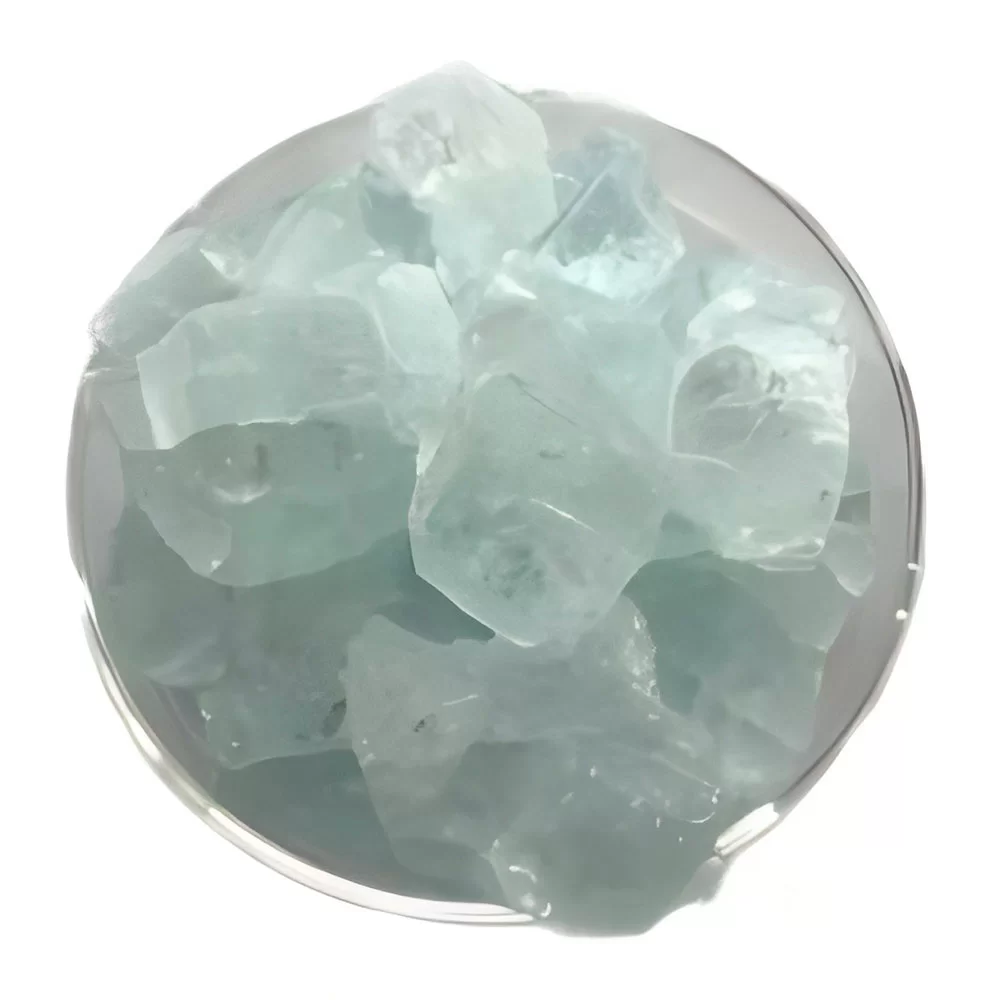
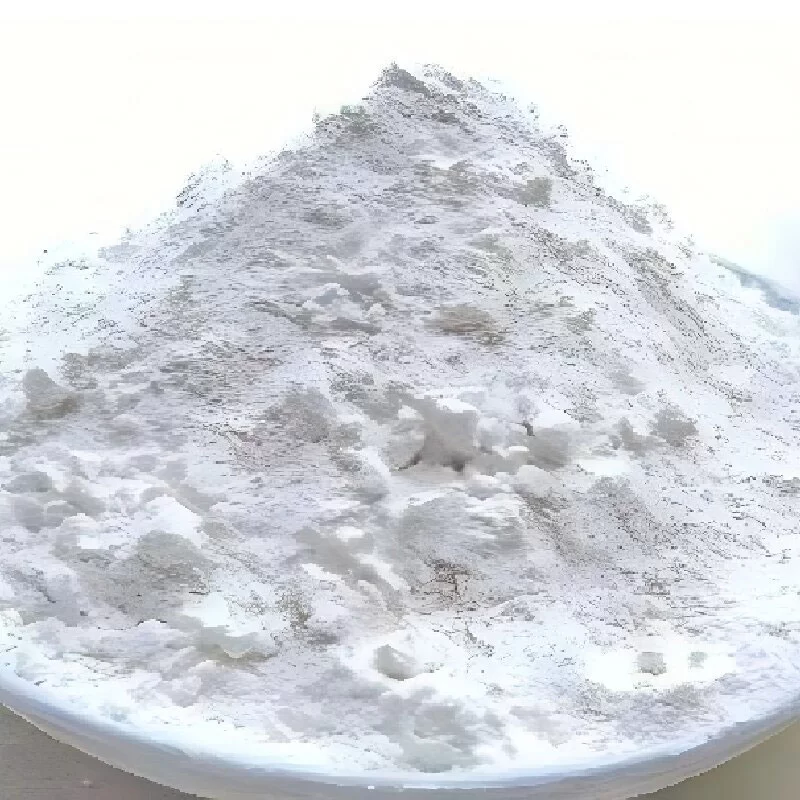
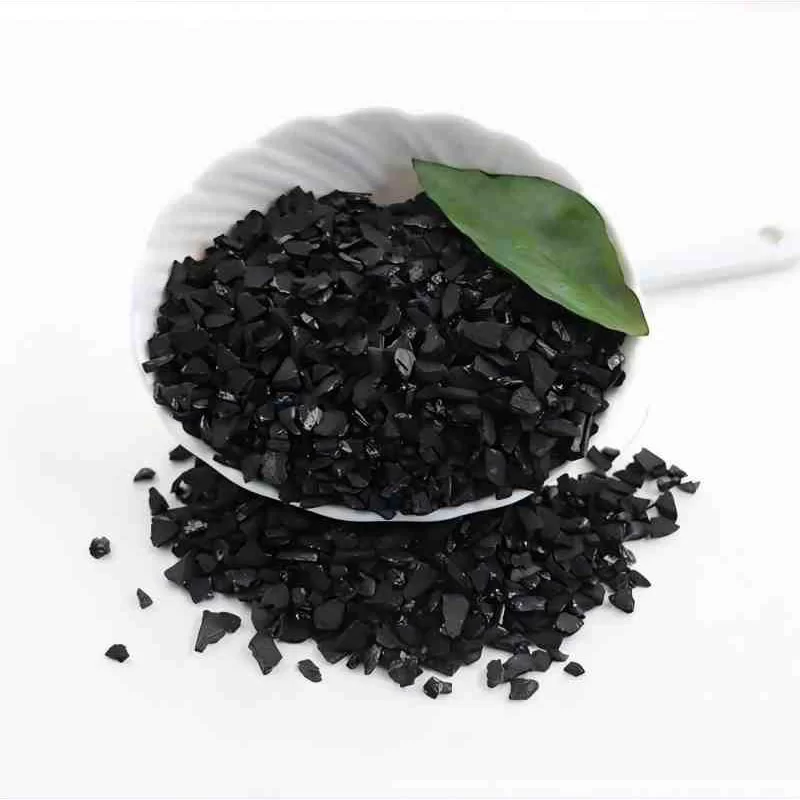
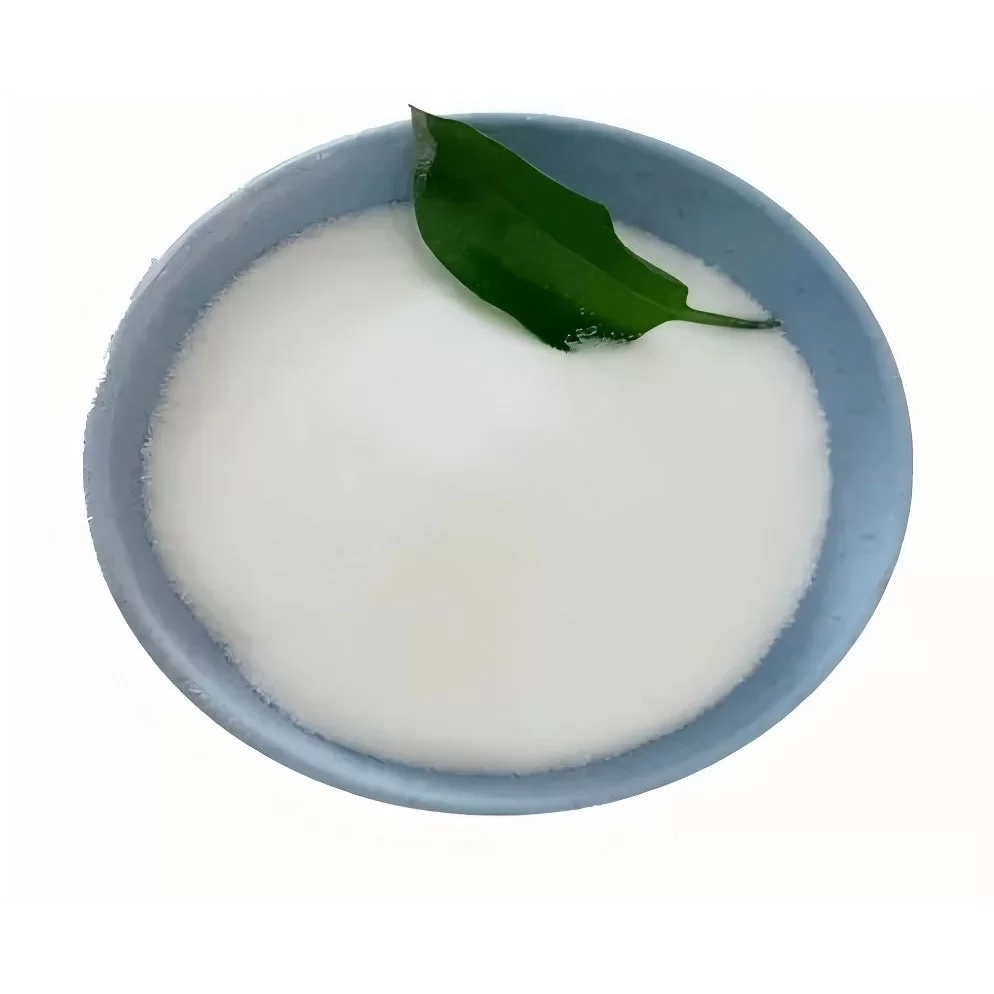
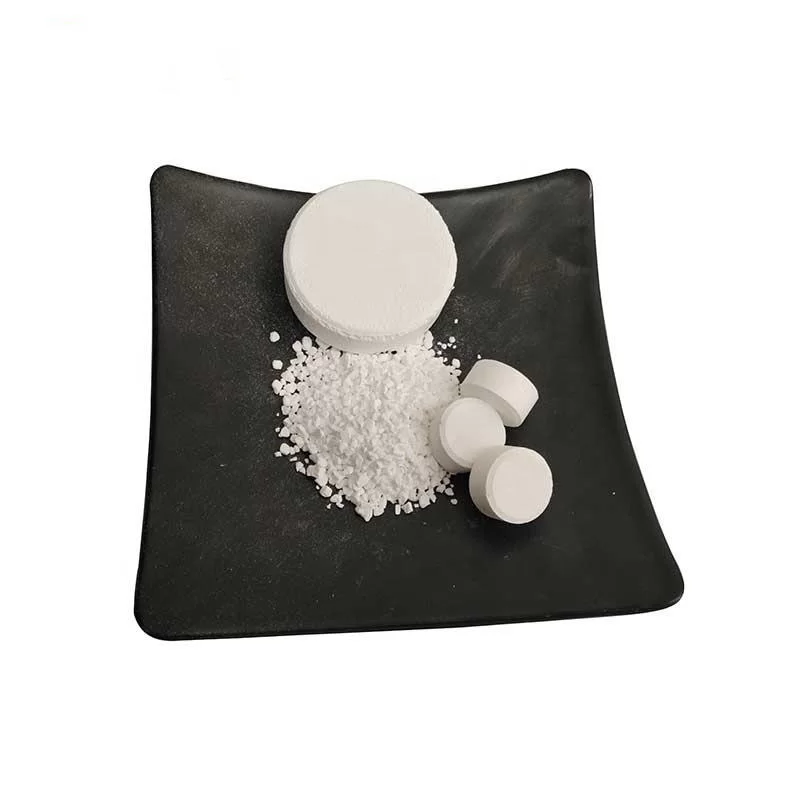
Product keywords : Sodium cyanide Activated carbon Silver Mercury

Pakistan's Premier Aluminum Sulfate Solutions

Supplying High-Quality Chemical Raw Materials to Industries Across Pakistan

Current Landscape of Inorganic Salt Manufacturing in Pakistan

An Overview of the Industry in the Pakistani Market

Pakistan's inorganic salt manufacturing sector is currently experiencing a period of growth driven by demand from the textile, leather, water treatment, and agricultural industries. The country's strategic location and access to raw materials contribute to its potential. However, challenges such as fluctuating energy costs and aging infrastructure persist.

The demand for chemicals like activated carbon for water purification is increasing due to growing environmental concerns and stricter regulations. Similarly, aluminum sulfate is vital for the textile industry. Local production capacity is expanding, but imports still fulfill a significant portion of the demand.

The Pakistani market is highly competitive, with both local manufacturers and international suppliers vying for market share. Price sensitivity is a major factor, and companies must prioritize quality and reliability to succeed. Investing in modern technologies and sustainable practices is crucial for long-term growth and competitiveness.
Historical Development and Evolution of Inorganic Salt Production in Pakistan

Tracing the Journey from Traditional Methods to Modern Technologies

Market Development History

Historically, Pakistan's inorganic salt production was largely reliant on rudimentary processes. Prior to the 1980s, production was small-scale and often focused on meeting immediate local needs. Limited investment in research and development hindered advancements.

The 1990s saw a gradual shift towards more modern techniques, spurred by economic liberalization and increased foreign investment. The textile industry’s growth fueled the demand for aluminum sulfate, prompting manufacturers to upgrade their facilities. By the early 2000s, several larger-scale plants were established.

The 2010s witnessed increased focus on environmental sustainability and the adoption of cleaner production methods. Growing awareness of water pollution and industrial effluent management led to a greater demand for chemicals like calcium hypochlorite for water treatment. Digitalization is now being integrated into many facilities.

Future Development Trends

Enhanced Purification Techniques

The future will see the adoption of more sophisticated purification techniques, leading to higher-purity inorganic salts. Membrane technology and advanced filtration systems will become increasingly prevalent.

Sustainable Production Processes

Sustainability will be a key driver, with a focus on reducing waste, minimizing energy consumption, and utilizing renewable resources. Green chemistry principles will be integrated into production processes.

Digitalization and Automation

Automation and digitalization will revolutionize the industry, enabling real-time monitoring, predictive maintenance, and improved process control. Data analytics will optimize production efficiency.

Industry Trends and Future Outlook for Inorganic Salts in Pakistan

Navigating the Evolving Chemical Landscape

Growing Demand for Water Treatment Chemicals
Increased urbanization and industrialization are driving demand for water treatment chemicals such as calcium hypochlorite, leading to a robust growth outlook.
Expansion of the Textile Industry
The expanding textile industry will continue to drive demand for aluminum sulfate and other processing chemicals.
Increasing Focus on Environmental Regulations
Stricter environmental regulations will drive demand for eco-friendly chemicals and sustainable manufacturing practices.
Rise in Agricultural Demand
The agricultural sector's need for specialized fertilizers and soil conditioners will increase demand for specific inorganic salts.

Industry Outlook

The Pakistani inorganic salt industry is poised for continued growth, driven by increasing domestic demand and export opportunities. Strategic investments in technology, sustainability, and workforce development will be crucial for capitalizing on these opportunities.

Collaboration between industry players, research institutions, and government agencies will foster innovation and promote the adoption of best practices. A focus on quality control, cost optimization, and customer satisfaction will ensure long-term success.

Local Application Scenarios for Inorganic Salts in Pakistan

Real-World Examples of Chemical Utilization

1. Textile Processing in Faisalabad

Faisalabad, a major textile hub, extensively utilizes aluminum sulfate for dyeing and finishing processes, ensuring vibrant colors and improved fabric quality.

2. Water Purification in Karachi

Karachi's municipal water supply relies on calcium hypochlorite for disinfection, safeguarding public health by eliminating harmful bacteria and viruses.

3. Leather Tanning in Lahore

Lahore's leather industry uses a combination of inorganic salts, including sulfates, in the tanning process, transforming raw hides into durable and high-quality leather products.

4. Agricultural Applications in Punjab

Farmers in Punjab utilize inorganic salts as components in fertilizers and soil conditioners to enhance crop yields and improve soil health.

5. Paper Manufacturing in Sindh

Paper mills in Sindh employ activated carbon for bleaching and decolorizing pulp, resulting in higher-quality paper products.

Brand Story

Shandong Jiuzhou Chemical Co., Ltd.'s Global Development Journey

Commitment to Quality

We adhere to rigorous quality control standards, ensuring that our products meet or exceed international benchmarks.

Customer-Centric Approach

We prioritize building long-term relationships with our clients, providing tailored solutions to meet their specific needs.

Sustainable Practices

We are committed to environmentally responsible manufacturing processes, minimizing our impact on the planet.

Innovation and R&D

We invest in research and development to continuously improve our products and processes, staying ahead of industry trends.

Reliable Supply Chain

We maintain a robust and efficient supply chain, ensuring timely delivery of products to our customers worldwide.

Frequently Asked Questions – Local Market

Addressing Common Inquiries in Pakistan

What is the typical lead time for aluminum sulfate delivery to Karachi?

Typical lead times to Karachi are 7-10 business days, depending on order volume and current shipping schedules. We offer expedited options upon request.

Do you provide technical support for the application of xanthan gum in the food industry?

Yes, our team of experienced chemists and engineers offers comprehensive technical support to assist with the proper application of our products, including xanthan gum in various food industry applications.

What is the shelf life of your calcium hypochlorite products?

Our calcium hypochlorite products typically have a shelf life of 2 years when stored in a cool, dry, and well-ventilated area, away from direct sunlight and incompatible materials.

Can you provide samples of benzoic acid for testing purposes?

Yes, we are happy to provide samples of benzoic acid for qualified customers. Please contact our sales team to discuss your specific requirements.

What certifications do you hold for your activated carbon manufacturing process?

We hold ISO 9001 certification for our quality management system, and our activated carbon products meet relevant industry standards for purity and performance.

What packaging options are available for bulk orders of inorganic salts in Pakistan?

We offer a variety of packaging options, including 25kg bags, 50kg bags, and 1000kg jumbo bags, tailored to meet the specific needs of our Pakistani customers.

Get in Touch with Us

We are your trusted partner for high-quality chemical raw materials in Pakistan. Contact us today to discuss your requirements.

Contact Us Now

If you are interested in our products, you can choose to leave your information here, and we will be in touch with you shortly.