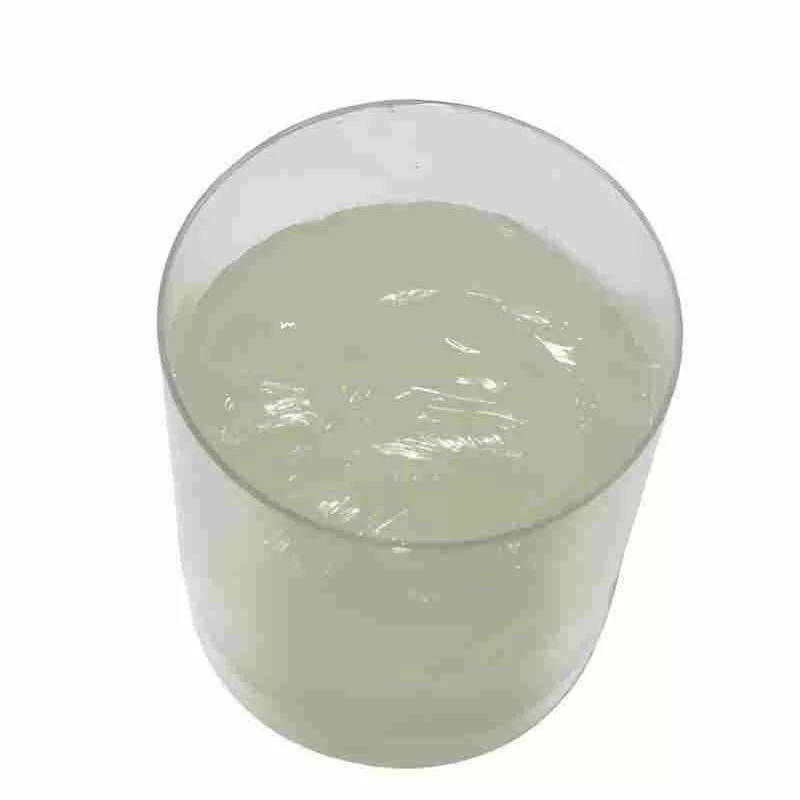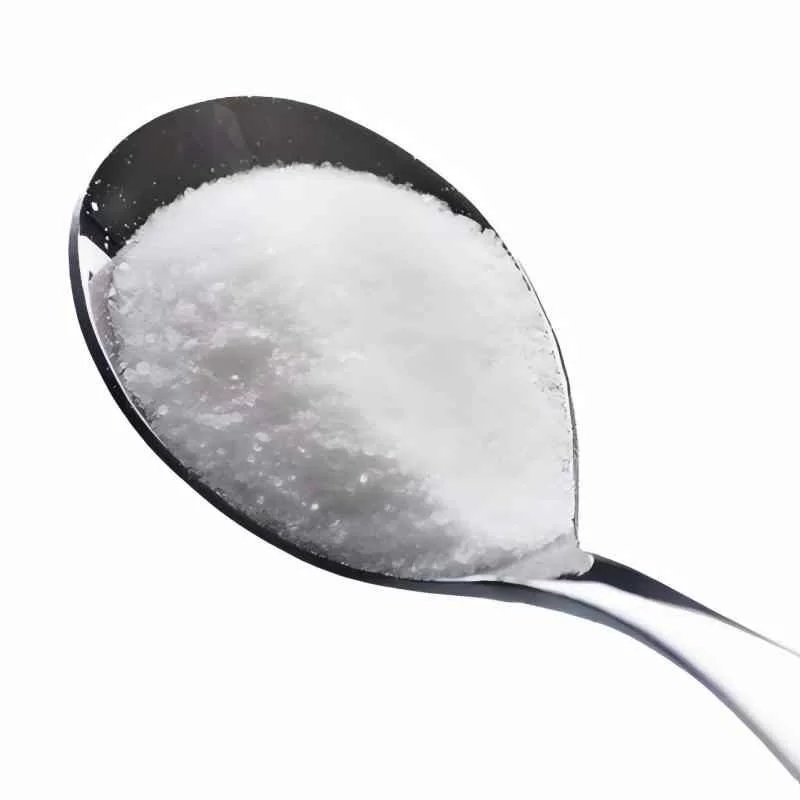
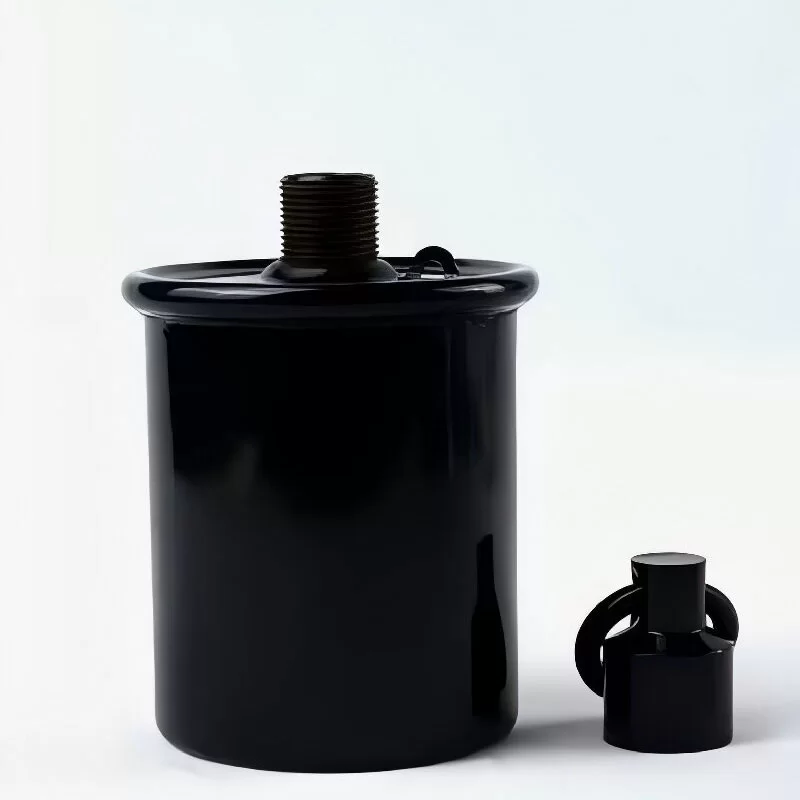
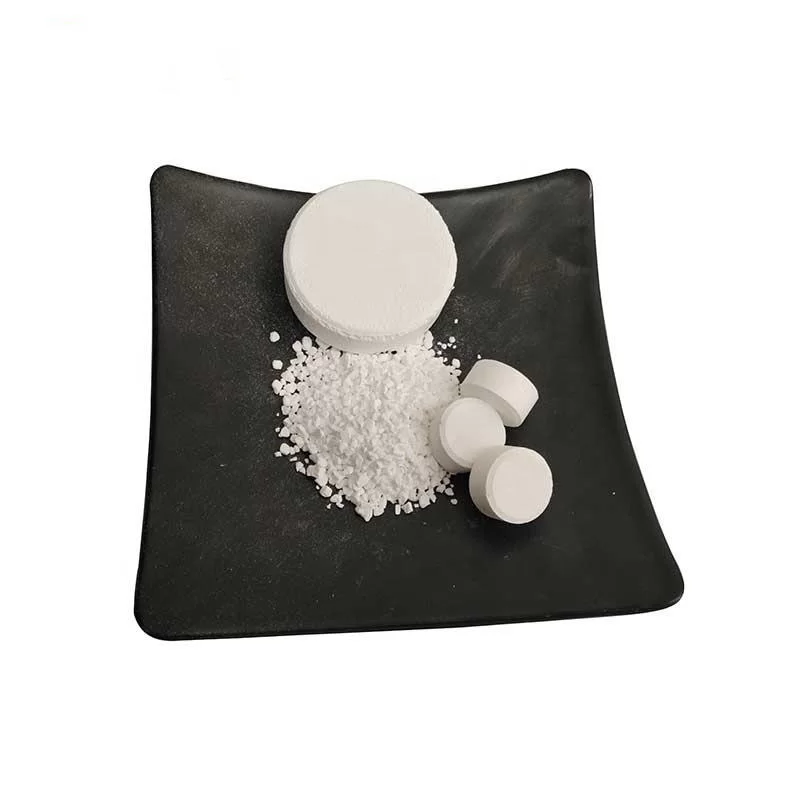
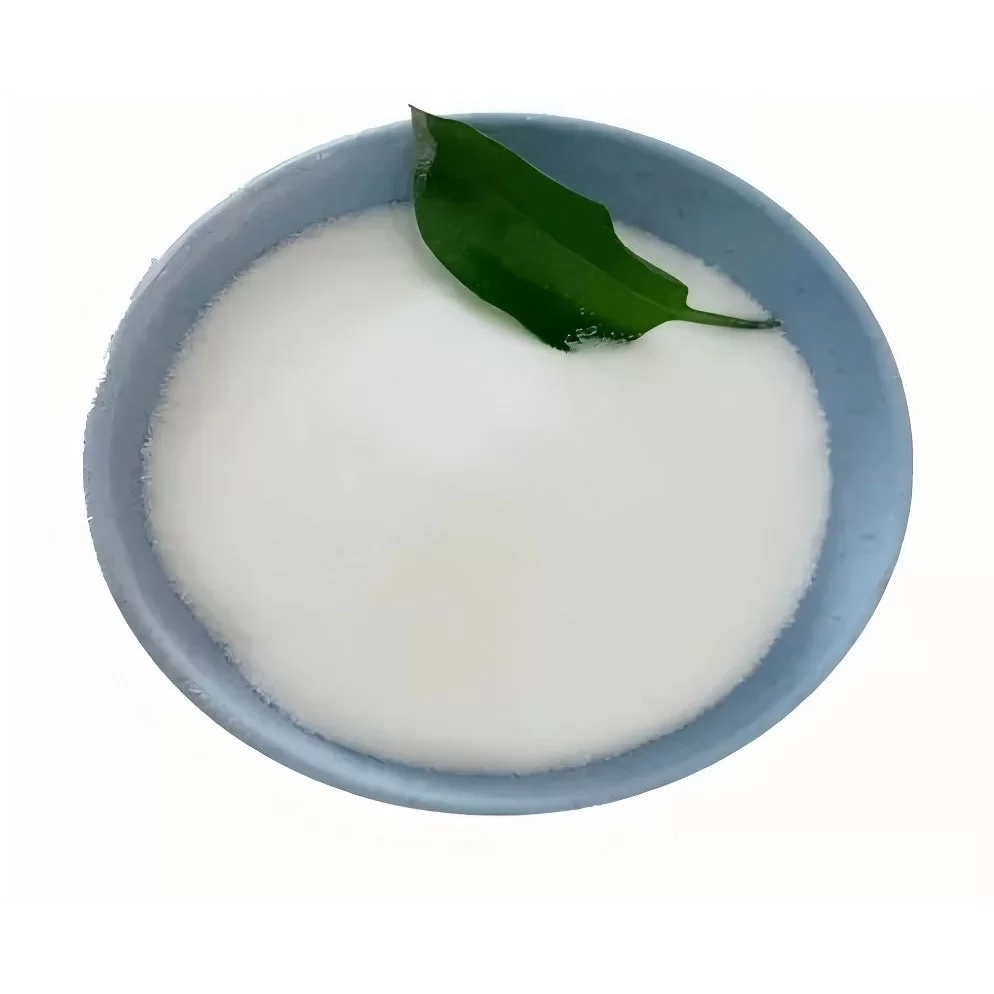
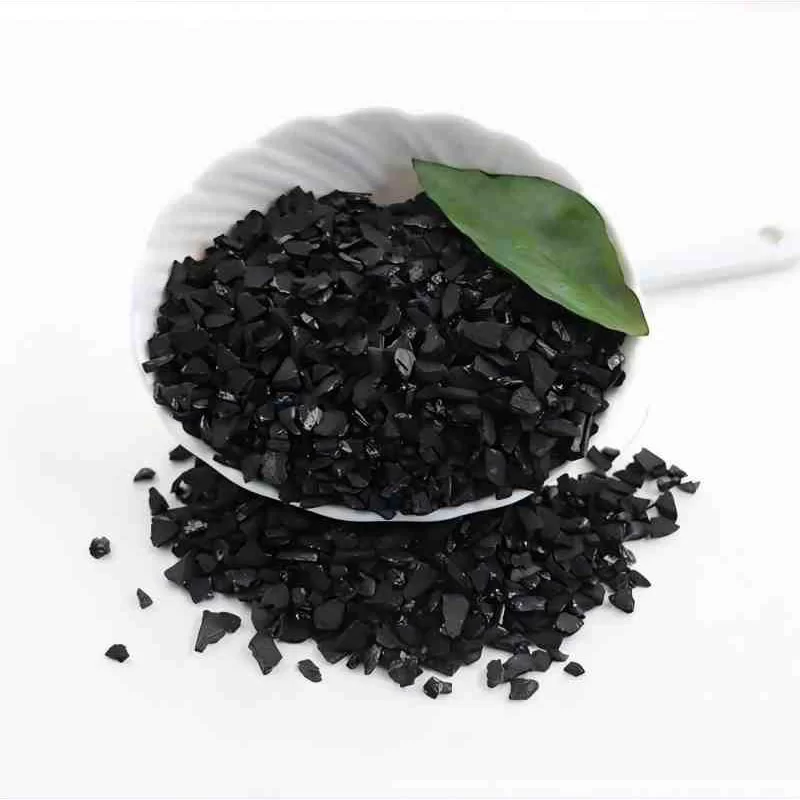
Product keywords : Sodium cyanide Activated carbon Silver Mercury

Libyan Aluminum Sulfate Solutions for Industrial Applications

Providing high-quality chemical raw materials to support Libya's manufacturing sector.

Current State of the Inorganic Salt Manufacturing Industry in Libya

Challenges and opportunities in the Libyan chemical market.

Libya's inorganic salt manufacturing sector faces unique challenges stemming from the country’s political and economic landscape. The ongoing instability impacts supply chains, infrastructure, and investment. The demand for chemicals like xanthan gum and calcium hypochlorite is driven primarily by the water treatment, oil & gas, and agricultural industries, but disruptions hinder consistent supply.

The arid climate necessitates significant water treatment, creating a consistent need for chemicals like aluminum sulfate. However, reliance on imports and a lack of local production capacity make Libya vulnerable to price fluctuations and logistical bottlenecks. The limited diversification of the economy also restricts growth in related sectors.

Despite these hurdles, Libya possesses significant potential. The abundance of natural resources, particularly oil and gas, provides a foundation for developing a robust chemical industry. Investment in infrastructure, coupled with political stability, could unlock this potential and foster sustainable growth in the inorganic salt manufacturing sector.
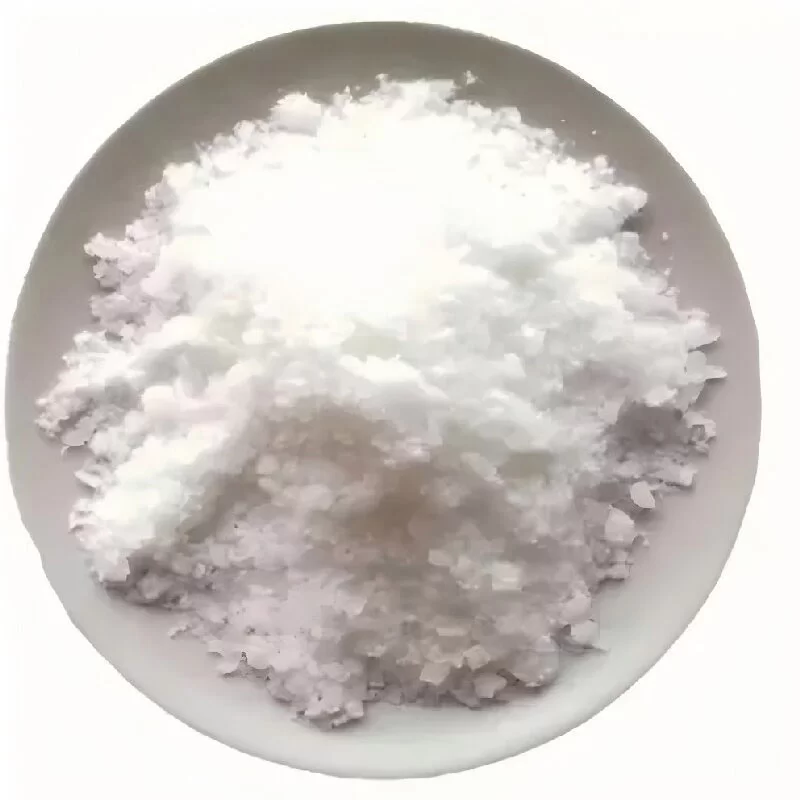
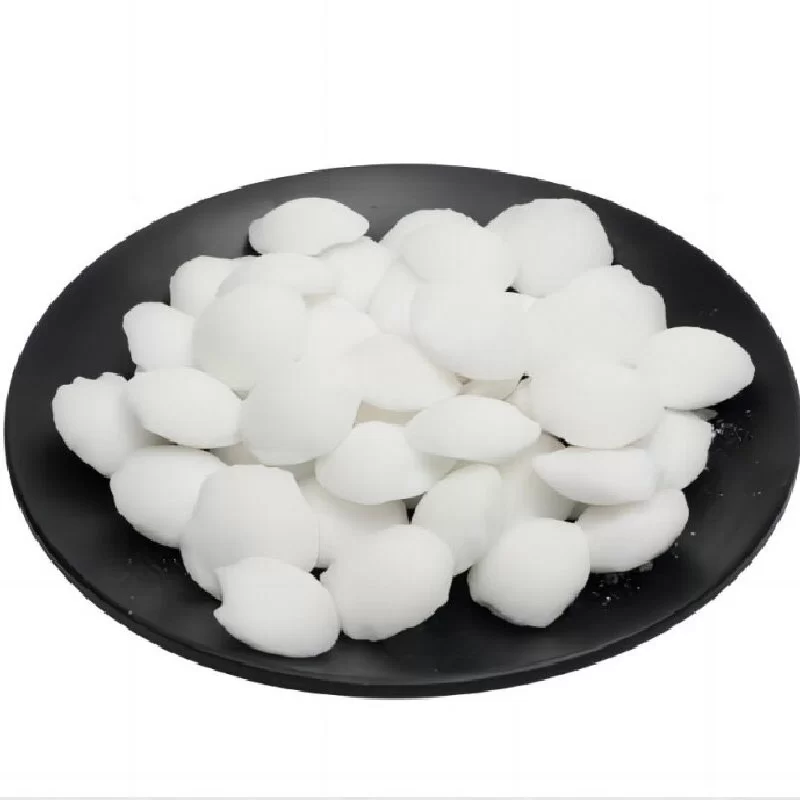
Evolution of Libya's Inorganic Salt Manufacturing Industry

From traditional methods to modern advancements.

Market Development History

Historically, Libya’s chemical industry was largely dependent on imports. In the 1970s and 80s, with increased oil revenues, some attempts were made to establish local production facilities, primarily focusing on fertilizers and basic petrochemicals. However, these efforts were limited in scope and often plagued by inefficiencies.

The 1990s and early 2000s saw a period of economic liberalization, attracting some foreign investment into the chemical sector. This led to modest improvements in production capacity and technology, including the increased use of activated carbon in water purification processes. However, the sector remained largely underdeveloped.

The post-2011 political instability significantly hampered the industry's development. Infrastructure damage, supply chain disruptions, and security concerns hindered investment and production. The reliance on imported benzoic acid and other raw materials increased, making the sector more vulnerable.

Future Development Trends

Technological Adoption & Automation

The integration of advanced technologies, such as automation and process control systems, will be crucial for improving efficiency and reducing costs in Libyan chemical plants. This includes optimizing the production of aluminum sulfate and other key inorganic salts.

Focus on Sustainable Practices

Growing environmental awareness will drive demand for more sustainable chemical production processes. This includes adopting cleaner technologies and reducing waste generation. Utilizing sustainable sources for xanthan gum production is a key aspect of this trend.

Localization of Production

Efforts to localize chemical production, reducing reliance on imports, will gain momentum. This will require investment in new facilities and the development of local expertise. Increasing the domestic production of calcium hypochlorite is a priority.

Industry Trends and Future Outlook for Inorganic Salts in Libya

Analyzing emerging trends and forecasting future growth.

Increasing Demand for Water Treatment Chemicals
Libya’s water scarcity will drive demand for chemicals like calcium hypochlorite and aluminum sulfate in desalination and wastewater treatment plants.
Growth in Oil & Gas Sector
The recovery of Libya’s oil and gas industry will increase demand for chemicals used in drilling, refining, and petrochemical production, including specialized inorganic salts.
Expanding Agricultural Sector
Increased investment in agriculture will drive demand for fertilizers and soil conditioners, requiring inorganic salts such as aluminum sulfate.
Increased Demand for Specialized Chemicals
The growth of specialized industries, like pharmaceuticals and cosmetics, will require high-purity inorganic salts, including benzoic acid.

Industry Outlook

The Libyan inorganic salt manufacturing industry is poised for growth, driven by the country’s economic recovery and increasing demand from key sectors. Over the next 3-5 years, investment in modern production facilities and the adoption of sustainable practices will be crucial for success.

Furthermore, the development of local expertise and the strengthening of supply chains will be essential to reduce reliance on imports and ensure a stable supply of high-quality chemicals to meet the growing needs of the Libyan market. The increasing need for quality control will also elevate demand for chemicals such as activated carbon.

Local Application Scenarios in Libya

Specific use cases for inorganic salts in the Libyan context.

1. Water Purification in Coastal Cities

Libya's coastal cities rely heavily on desalination plants to provide potable water. Aluminum sulfate is used as a coagulant to remove impurities, while calcium hypochlorite serves as a disinfectant to ensure water safety.

2. Oilfield Operations in the Sirte Basin

The Sirte Basin, Libya’s primary oil-producing region, utilizes inorganic salts in various drilling and refining processes. Xanthan gum is employed as a drilling fluid additive to control viscosity and prevent formation damage.

3. Agricultural Applications in the Fezzan Region

In the Fezzan region, where agriculture is expanding, aluminum sulfate is used to adjust soil pH and provide essential nutrients for crop growth.

4. Industrial Cleaning in Manufacturing Facilities

Manufacturing facilities across Libya utilize benzoic acid and other inorganic salts for industrial cleaning and maintenance, ensuring optimal operational efficiency and equipment longevity.

Brand Story

Shandong Jiuzhou Chemical Co., Ltd.'s global development journey

Commitment to Quality

Established in 2005, Shandong Jiuzhou Chemical Co., Ltd. began with a commitment to providing high-quality chemical raw materials to meet growing industrial demands.

Expanding Global Reach

In 2010, we expanded our reach to international markets, establishing partnerships with distributors in key regions worldwide, including Africa.

Focus on Innovation

Throughout the 2010s, we invested heavily in research and development, introducing innovative chemical solutions tailored to diverse industrial applications.

Sustainable Practices

In recent years, we have prioritized sustainable manufacturing practices, minimizing our environmental impact and promoting responsible chemical handling.

Serving the Libyan Market

We are dedicated to providing reliable chemical solutions to support Libya's industrial development, offering tailored products and exceptional customer service.

Frequently Asked Questions - Libya

Answers to common questions about our products and services in Libya.

What is the typical lead time for delivering aluminum sulfate to Tripoli, Libya?

Lead times to Tripoli typically range from 4-6 weeks, depending on shipping routes and customs clearance. We provide real-time tracking and efficient logistics support.

Do you offer technical support for the application of xanthan gum in oil drilling operations in the Sirte Basin?

Yes, our team of experienced engineers provides comprehensive technical support, including dosage recommendations, mixing procedures, and troubleshooting assistance.

What are the packaging options available for calcium hypochlorite shipments to Libyan ports?

We offer various packaging options, including 25kg, 50kg, and 1000kg bags, as well as IBC containers. Packaging is designed to ensure safe and secure transport.

How does Shandong Jiuzhou Chemical ensure the quality of benzoic acid supplied to the Libyan pharmaceutical industry?

We adhere to strict quality control standards, including ISO 9001 certification, and provide detailed Certificates of Analysis (COA) for each batch.

What import regulations apply to activated carbon shipments entering Libya?

We can assist you with navigating Libyan import regulations, including providing necessary documentation and ensuring compliance with local standards. We work with experienced customs brokers.

Do you provide localized warehousing and distribution services within Libya?

We are developing strategic partnerships to provide localized warehousing and distribution services within Libya, ensuring efficient and timely delivery to our customers.

Get in Touch with Us

We are dedicated to providing exceptional chemical solutions to support your business in Libya.

Contact Us Now

If you are interested in our products, you can choose to leave your information here, and we will be in touch with you shortly.