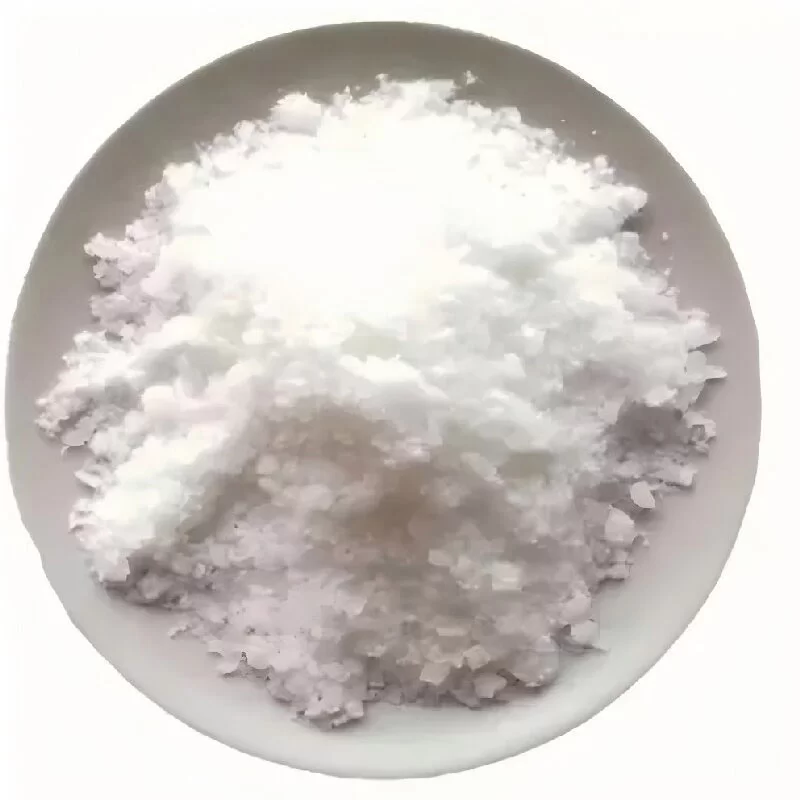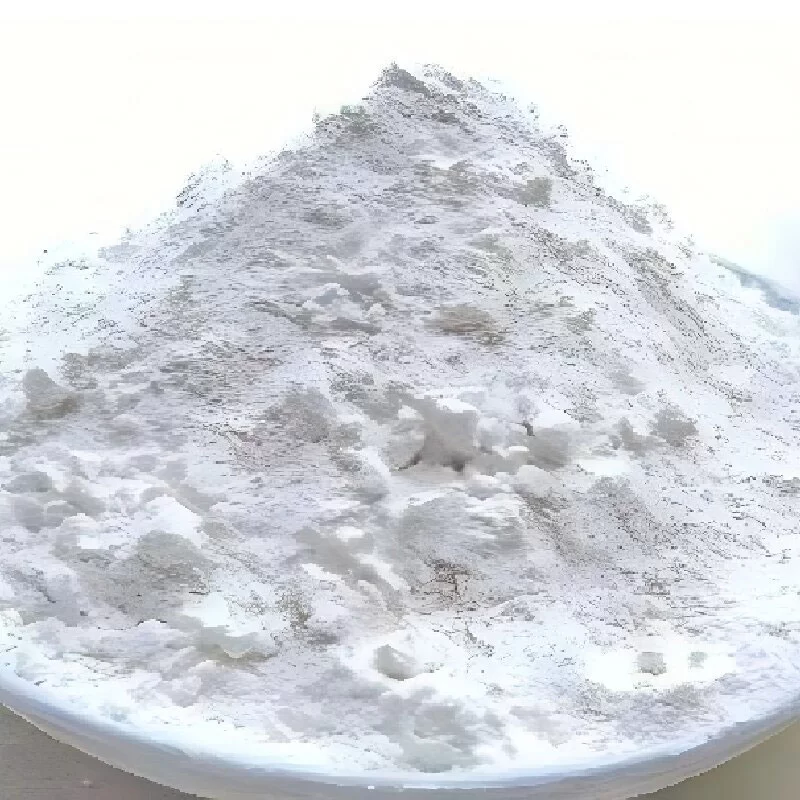
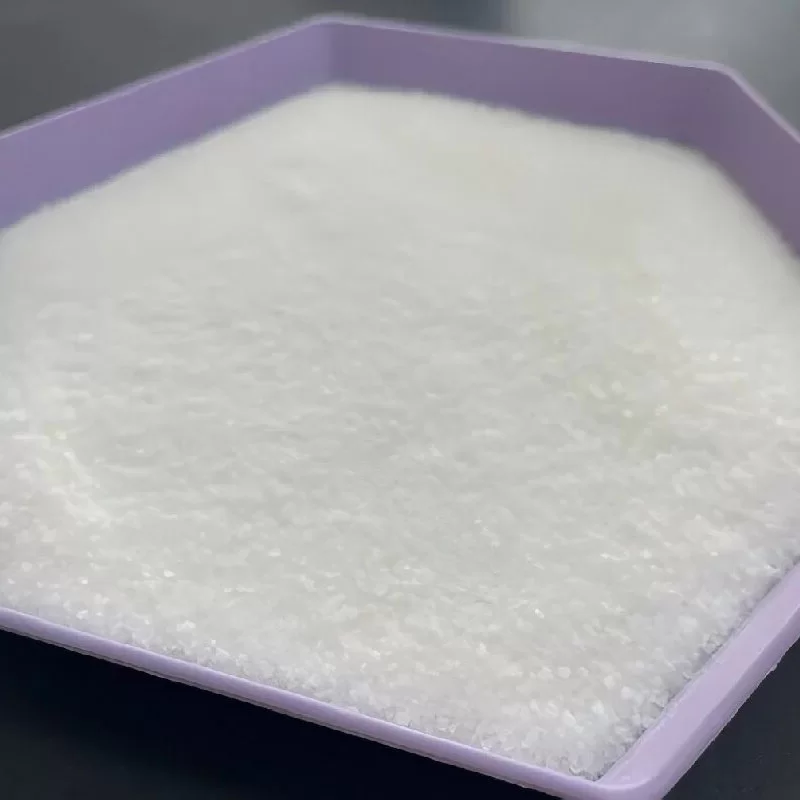
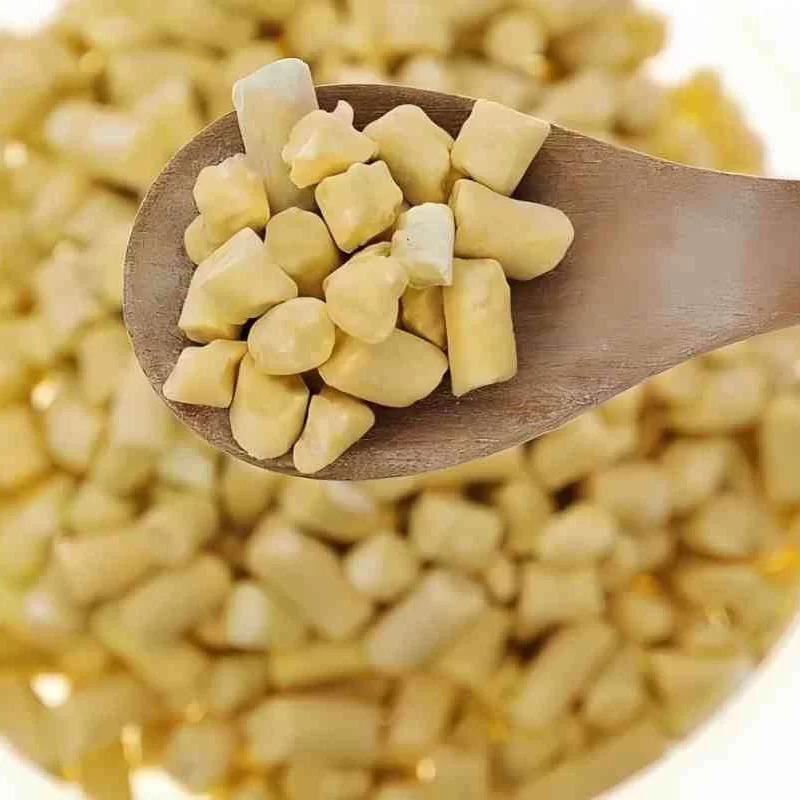
Product keywords : Sodium cyanide Activated carbon Silver Mercury

Iran's Premier Activated carbon Solutions

Providing high-quality chemical raw materials for diverse industrial applications across Iran.

Current Market Landscape in Iran

Understanding the chemical industry's dynamics within Iran's unique context.

Iran's chemical industry is heavily influenced by its vast oil and gas reserves, serving as a primary feedstock source. However, international sanctions and geopolitical factors present significant challenges to import/export activities and technological advancements. Demand for aluminum sulfate is rising in water treatment due to increasing water scarcity.

The Iranian market demonstrates a strong demand for specialized chemicals, driven by sectors like petrochemicals, pharmaceuticals, agriculture, and water treatment. Local production caters to some of these needs, but significant reliance on imports remains, especially for advanced materials like xanthan gum used in enhanced oil recovery.

The climate of Iran, ranging from arid deserts to mountainous regions, creates specific needs for chemicals in industries such as agriculture and water purification. Increasing environmental regulations are also driving demand for environmentally friendly products like activated carbon for pollution control.
Historical Development and Future Trajectory

Tracing the evolution of the inorganic salt manufacturing industry in Iran.

Market Development History

Prior to the 1979 revolution, Iran’s chemical sector was heavily reliant on Western technology and expertise. The early stages focused on utilizing natural gas as a feedstock for producing basic petrochemicals. The 1980s saw a push for self-sufficiency due to sanctions, fostering local production of essential chemicals.

The 1990s and early 2000s witnessed a gradual modernization of production facilities, with investments in upgrading technology and expanding capacity. Increased demand for water purification chemicals, particularly calcium hypochlorite, spurred growth in this segment.

From 2010 onwards, Iran has focused on developing specialty chemicals and downstream products to diversify its chemical portfolio. Government initiatives to attract foreign investment and facilitate technology transfer have been crucial, despite ongoing challenges.

Future Development Trends

Nanotechnology Integration

The integration of nanotechnology into chemical production processes is expected to enhance product performance and create novel applications. This trend is gaining traction in research and development.

Sustainable Chemistry Practices

Growing environmental concerns will drive the adoption of sustainable chemistry practices, focusing on reducing waste, minimizing energy consumption, and utilizing renewable feedstocks.

Digitalization and Automation

Digitalization and automation of manufacturing processes will enhance efficiency, improve quality control, and optimize supply chain management, leveraging the power of IoT and AI.

Industry Trends and Future Outlook

Exploring the evolving landscape of the inorganic salt market in Iran.

Growing Demand for Water Treatment Chemicals
Iran's increasing population and industrial activity are driving demand for efficient water treatment solutions, boosting the market for chemicals like calcium hypochlorite and aluminum sulfate.
Expansion of Petrochemical Industry
The petrochemical sector remains a key driver of chemical demand in Iran, creating opportunities for suppliers of raw materials and specialized chemicals, including benzoic acid.
Increased Focus on Environmental Regulations
Stricter environmental regulations are pushing demand for eco-friendly chemicals and technologies, such as activated carbon for pollution control and waste management.
Growth in Oil and Gas Recovery Applications
Enhanced oil recovery (EOR) techniques are gaining prominence in Iran, driving demand for specialized chemicals like xanthan gum to improve oil extraction rates.

Industry Outlook

The Iranian chemical industry is poised for moderate growth over the next 3-5 years, driven by increasing domestic demand and potential export opportunities. Overcoming sanctions and attracting foreign investment will be crucial for sustained progress.

Continued investment in research and development, along with the adoption of advanced technologies, will be essential to enhance competitiveness and meet the evolving needs of the market.

Local Application Scenarios in Iran

Real-world applications of our chemical products within the Iranian market.

1. Water Purification in Tehran

Tehran, as a major metropolitan area, faces significant challenges in providing clean drinking water. Calcium hypochlorite is extensively used in municipal water treatment plants to disinfect and purify water supplies.

2. Oilfield Operations in Khuzestan

Khuzestan Province, a major oil-producing region, utilizes xanthan gum in enhanced oil recovery (EOR) operations to increase oil extraction efficiency from aging oilfields.

3. Textile Industry in Isfahan

Isfahan, renowned for its textile industry, employs benzoic acid as a key component in the dyeing and finishing processes to achieve vibrant and durable colors.

4. Industrial Wastewater Treatment in Shiraz

Shiraz, a major industrial hub, relies on activated carbon to treat industrial wastewater, removing pollutants and ensuring compliance with environmental regulations.

Brand Story

Shandong Jiuzhou Chemical Co., Ltd.'s Global Development Journey

Foundation and Core Values

Founded on a commitment to quality and innovation, Shandong Jiuzhou Chemical Co., Ltd. began as a regional supplier of basic inorganic salts. Our core values center around customer satisfaction, environmental responsibility, and sustainable growth.

Expansion and Diversification

In the early 2000s, we expanded our product portfolio to include specialized chemicals and tailored solutions for diverse industries. This diversification strategy enabled us to serve a wider range of customers.

International Market Entry

Driven by a vision of global reach, we began exporting our products to key international markets, including Asia, the Middle East, and Africa. We established strategic partnerships to strengthen our presence.

Technological Advancements

We continually invest in research and development to enhance our production processes, improve product quality, and develop innovative solutions to meet the evolving needs of our customers.

Commitment to Sustainability

We are dedicated to minimizing our environmental footprint through responsible manufacturing practices, waste reduction, and the development of eco-friendly products.

Frequently Asked Questions - Local Market

Addressing common inquiries from our Iranian customers.

What are the import regulations for activated carbon in Iran?

Import regulations for activated carbon vary depending on the specific application and intended use. Generally, imports require proper documentation, including certificates of origin, quality reports, and compliance with Iranian standards. We can assist with navigating these requirements.

Do you offer technical support for the application of benzoic acid in food preservation?

Yes, we provide comprehensive technical support for our customers, including guidance on the optimal use of benzoic acid in food preservation applications. Our team of experts can assist with dosage recommendations, safety protocols, and regulatory compliance.

What is the shelf life of calcium hypochlorite under typical storage conditions in Iran's climate?

Calcium hypochlorite has a shelf life of approximately 6-12 months when stored in a cool, dry, and well-ventilated environment. Iran's hot and humid climate can accelerate degradation, so proper storage is crucial. We recommend storing the product in sealed containers away from direct sunlight.

Can aluminum sulfate be used for pH adjustment in agricultural applications?

Yes, aluminum sulfate is commonly used to lower the pH of alkaline soils in agricultural applications. It is effective in making nutrients more available to plants, but careful monitoring is required to avoid excessive aluminum accumulation.

What grades of xanthan gum are suitable for enhanced oil recovery (EOR) in Iranian oilfields?

For EOR applications, we recommend using high-molecular-weight, high-viscosity grades of xanthan gum. These grades provide superior thickening properties and are more resistant to degradation under harsh reservoir conditions.

What are the typical lead times for delivering chemical products to Iran?

Lead times for delivery to Iran vary depending on the product, quantity, and shipping method. Typically, delivery takes 4-8 weeks, including customs clearance and inland transportation. We work closely with our logistics partners to ensure timely and efficient delivery.

Get in Touch With Us

We are committed to providing high-quality chemical solutions to industries in Iran. Contact us today to discuss your specific needs.

Contact Us Now

If you are interested in our products, you can choose to leave your information here, and we will be in touch with you shortly.