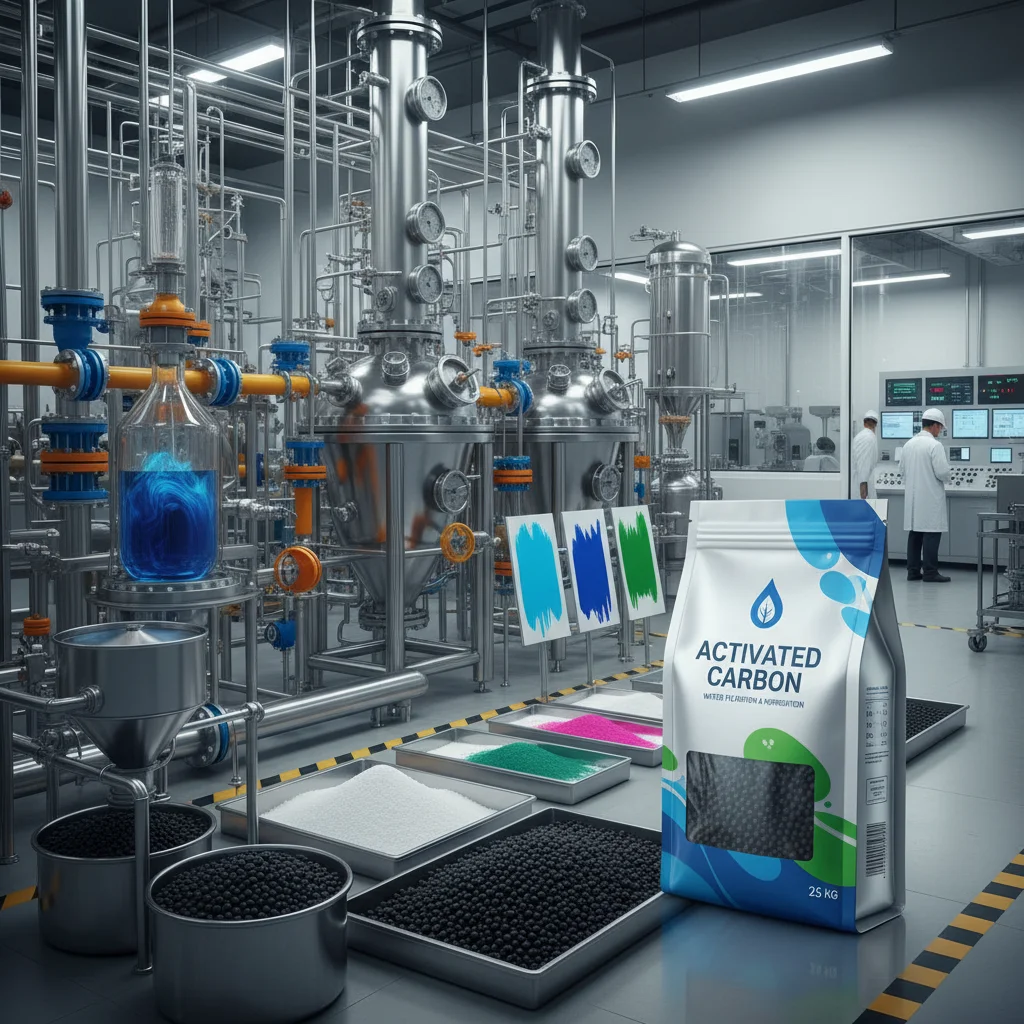
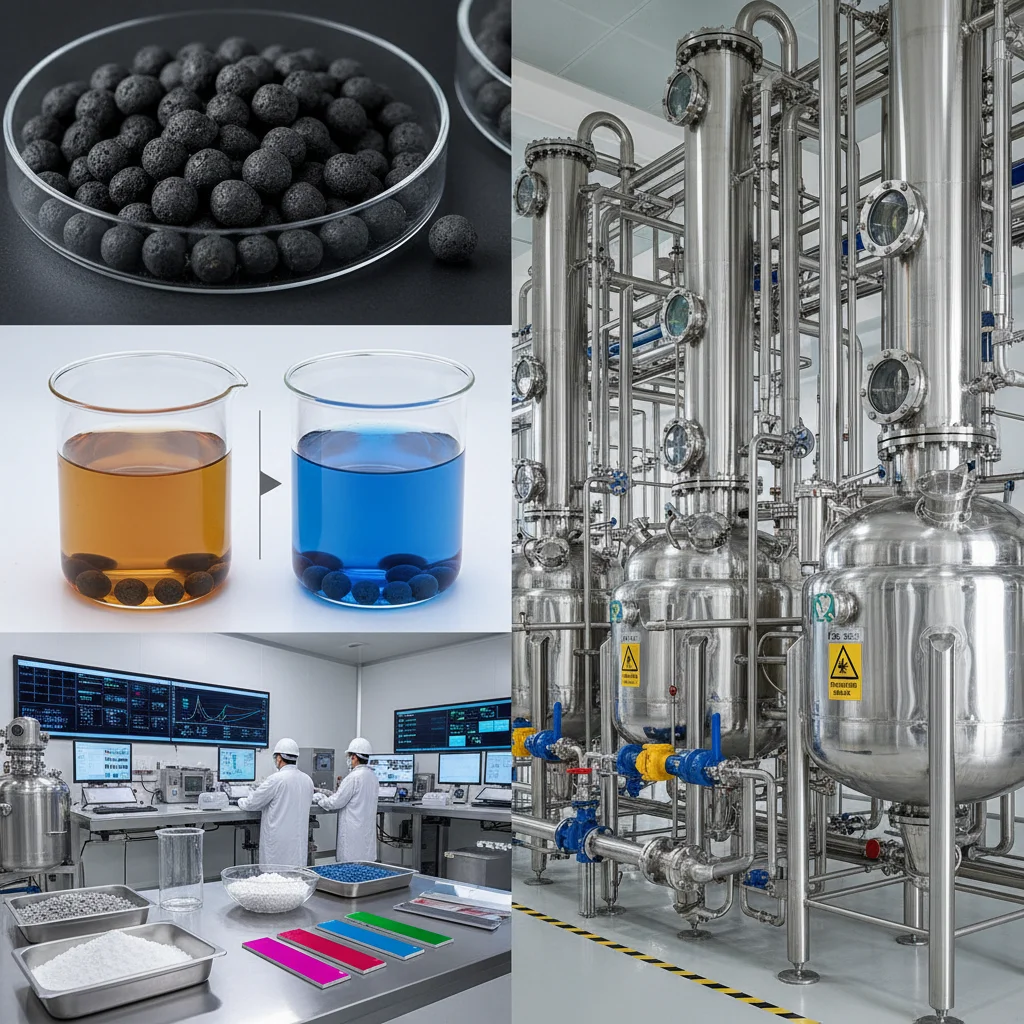
When procurement managers evaluate the granular activated carbon price, they are often searching for more than just a number per ton; they are assessing the total cost of purity and adsorption efficiency. In the context of inorganic salt manufacturing and complex chemical synthesis, the choice of carbon media directly dictates the operational overhead of water treatment systems and the purity of final chemical outputs.
The volatility in pricing is rarely random, as it is deeply tied to the quality of raw materials and the precision of the activation process. For industries utilizing Detergent Chemicals, Mineral Processing Reagents, or Water Treatment Chemicals, a lower initial purchase price can often lead to higher long-term costs due to faster saturation rates and more frequent replacement cycles, impacting the overall ROI of the filtration infrastructure.
Understanding the technical drivers behind these costs allows companies to transition from reactive buying to strategic sourcing. This analysis explores the critical factors influencing granular activated carbon price and how optimizing these variables can enhance the performance of industrial disinfection and purification processes.


Granular activated carbon (GAC) is a porous material with an immense internal surface area, designed to remove organic contaminants through physical adsorption. The pricing of this media is not static; it is a reflection of the activation energy required to create these pores and the purity of the precursor materials, such as coconut shells, coal, or wood. In the chemical manufacturing sector, the precision of this porosity determines how effectively the carbon can trap specific molecular weights of pollutants.
From a procurement perspective, the cost is influenced by the balance between the iodine value (a measure of microporosity) and the hardness of the granule. For enterprises like Shandong Jiuzhou chemical Co., Ltd., which operate high-standard production lines, the integration of high-purity filtration media is essential to maintain the stability of chemical synthesis and ensure that discharge water meets strict environmental regulations.
The primary driver of cost is the specific surface area and pore distribution. High-grade carbons undergo more rigorous activation processes to ensure a higher density of micropores, which is critical for removing small-molecule contaminants. When the required purity level is increased—such as for food additives or pharmaceutical-grade water—the price rises proportionally due to the increased quality control and the removal of ash content.
The most significant cost-to-performance ratio is found in the Iodine Value; a higher value typically indicates a greater capacity for adsorption, meaning less material is required over the system's lifecycle, effectively lowering the operational cost per cubic meter of treated water.
Furthermore, the mechanical strength of the granule affects the price. Low-quality carbon tends to crumble under pressure, leading to pressure drops in the filtration column and potential leaks of carbon fines into the treated water. Investing in high-abrasion-resistance granules reduces the frequency of bed replacements and prevents downstream contamination, making it a more sustainable financial choice for industrial-scale operations.
Evaluating the value of adsorption media requires a shift from "purchase price" to "lifecycle cost." A cheaper carbon may have a lower upfront cost but a significantly lower adsorption capacity, leading to more frequent "breakthrough" events where contaminants pass through the filter. This necessitates more frequent downtime for media replacement and increases the total volume of waste carbon that must be handled.
True operational efficiency is achieved when the carbon's pore structure is perfectly matched to the target pollutant's molecular size, maximizing the saturation time and minimizing the volume of replacement material needed annually.
When paired with other inorganic salts and disinfectants, such as high-grade Calcium Hypochlorite, the synergy between adsorption and disinfection becomes clear. While the carbon removes the organic load that would otherwise consume the disinfectant, the disinfectant eliminates remaining pathogens. This integrated approach optimizes the expenditure on both the carbon media and the chemical agents, reducing overall water treatment costs.
Comparing different grades of activated carbon reveals a clear correlation between the iodine value and the lifespan of the filter bed. In a typical industrial wastewater scenario, a standard grade carbon might require replacement every 3 months, whereas a premium grade with optimized microporosity can extend this interval to 6 months or more.
This efficiency gain is not just about the material itself, but about the reduction in labor, logistics, and disposal costs. The following data illustrates the relative adsorption capacity across different material grades, highlighting how a higher investment in quality leads to a lower volume of material required to achieve the same purity standards.
In the gold mining chemical sector, carbon is used for the recovery of precious metals through the adsorption of gold-cyanide complexes. Here, the requirement is not just for surface area but for high mechanical hardness to withstand the attrition of the elution process. The price in this sector reflects the carbon's ability to be regenerated multiple times without losing its structural integrity.
Conversely, in municipal water treatment or swimming pool maintenance, the focus shifts toward the removal of chlorine and organic odors. In these scenarios, the carbon must be chemically inert to avoid leaching impurities into the water. The synergy between GAC and Calcium Hypochlorite is vital here: the GAC removes organic precursors that cause disinfection by-products, while the hypochlorite ensures a 99.9% bactericidal rate, providing crystal-clear and safe water.
The industry is moving toward "tailored carbon," where the activation process is adjusted to create specific pore sizes for target contaminants. This precision reduces the amount of carbon needed and minimizes waste. We are seeing a transition from general-purpose coconut shell carbon to chemically modified carbons that can target specific heavy metals or complex organic compounds found in industrial wastewater.
Sustainability is also driving innovation. The development of more efficient thermal regeneration processes allows companies to reuse their carbon beds more effectively, reducing the reliance on virgin material. This shift not only lowers the environmental footprint but also stabilizes the long-term cost of ownership for the end-user.
Integration with automated monitoring systems is the next frontier. By using real-time sensors to detect the exact moment of carbon saturation, plants can avoid premature replacement while ensuring that water quality never dips below the required threshold, further optimizing the relationship between cost and performance.
The most common mistake in procurement is selecting media based solely on the lowest price per ton. This often results in unexpected "breakthrough" costs and increased downtime. A professional approach involves calculating the "cost per unit of contaminant removed," which provides a more accurate picture of the financial impact.
Another challenge is the inconsistency in carbon quality between batches. To mitigate this, companies should demand detailed certificates of analysis (CoA) that specify the iodine value, ash content, and hardness. Standardizing these metrics ensures that the filtration system performs consistently regardless of the supplier's current inventory.
Finally, logistics for bulk chemical materials require strict adherence to safety protocols. Working with a supplier that possesses professional transport capacity for dangerous goods and a standardized quality management system, like Shandong Jiuzhou chemical Co., Ltd., ensures that the product arrives without contamination and within the required timeframe.
| Metric | Standard Grade | Industrial Grade | Premium Grade |
|---|---|---|---|
| Iodine Value | 700-800 mg/g | 900-1000 mg/g | 1100+ mg/g |
| Lifespan | Short | Moderate | Extended |
| Hardness | Low | Medium | High |
| Ash Content | Standard | Low | Ultra-Low |
| Replacement Rate | High | Moderate | Low |
| TCO | High (OpEx) | Balanced | Lowest (Long-term) |
The price is primarily driven by the raw material source (e.g., coconut shell vs. coal) and the intensity of the activation process. Higher activation temperatures and longer durations create more micropores, increasing the iodine value and the subsequent cost, but providing significantly higher adsorption capacity.
Higher grades possess a more optimized pore structure, which allows them to trap a wider range of organic contaminants more effectively. This results in a slower saturation rate, meaning the filter bed lasts longer before needing replacement, thus reducing the total operational cost of the water treatment system.
Not necessarily, but often. Lower prices may stem from lower-grade raw materials or a less rigorous activation process. This usually manifests as lower mechanical hardness (leading to more dust/fines) or a lower iodine value, which increases the frequency of media replacement.
Yes, they are often used in tandem. GAC is typically used to remove organic matter and residual chlorine, which prevents the formation of harmful disinfection by-products. Calcium Hypochlorite then provides the primary antimicrobial action, ensuring the water is biologically safe.
Buyers should evaluate suppliers based on their ability to provide consistent Certificates of Analysis (CoA), their quality management systems, and their logistics capabilities for hazardous materials. Consistency in the iodine value and ash content across batches is the most critical indicator of a reliable supplier.
ROI is calculated by comparing the total cost of ownership (TCO). This includes the initial purchase price plus the cost of labor and downtime for replacements. If a premium carbon lasts twice as long as a standard one, the reduction in replacement frequency often outweighs the higher initial cost per ton.
Optimizing the granular activated carbon price requires a strategic move away from simple cost-per-ton metrics toward a comprehensive evaluation of adsorption efficiency and lifecycle value. By aligning the carbon's pore structure with the specific needs of the industrial application—whether in gold mining or municipal water treatment—companies can significantly reduce their operational overhead while maintaining superior purity standards.
For organizations seeking high-performance chemical solutions and reliable water treatment media, partnering with a manufacturer committed to technological innovation and strict quality control is essential. To explore how professional-grade inorganic salts and adsorption media can optimize your production efficiency, you are invited to visit our technical resource center at www.sdjz-chem.com.