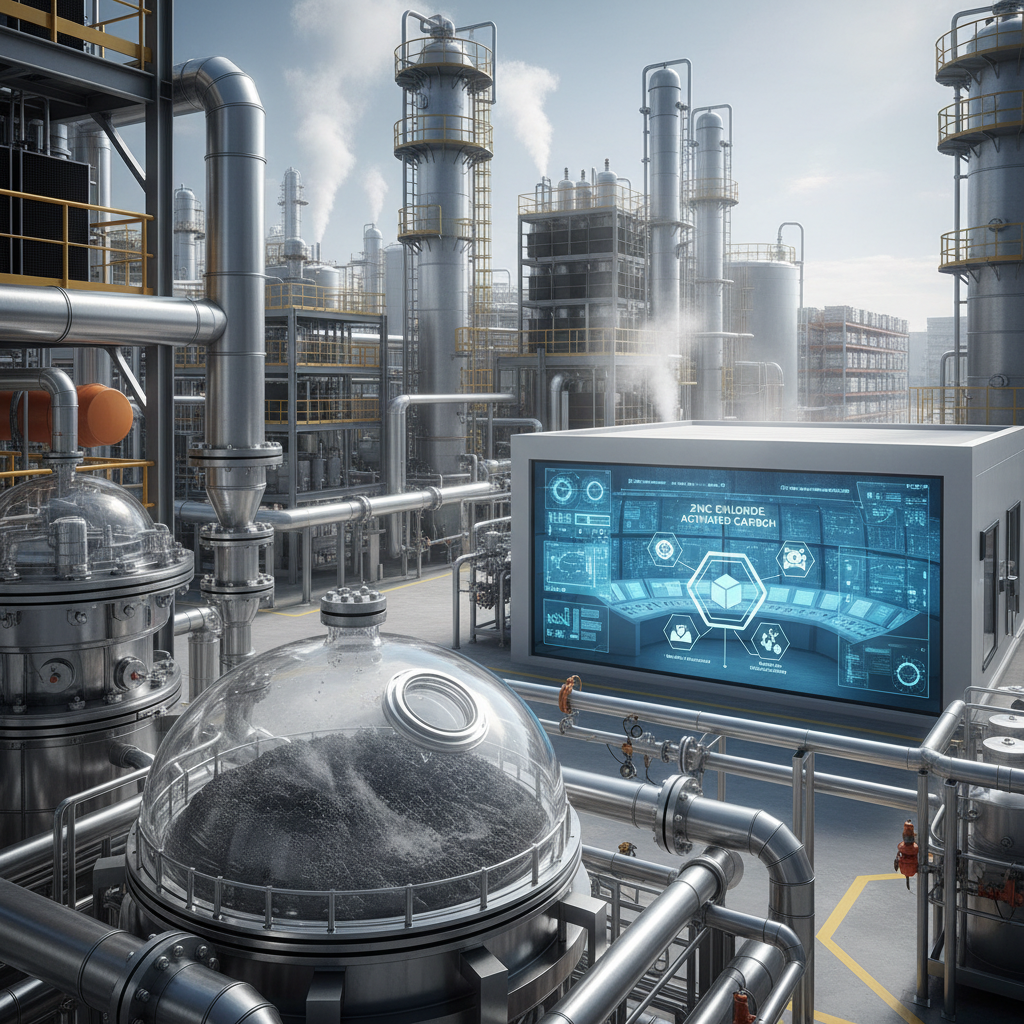
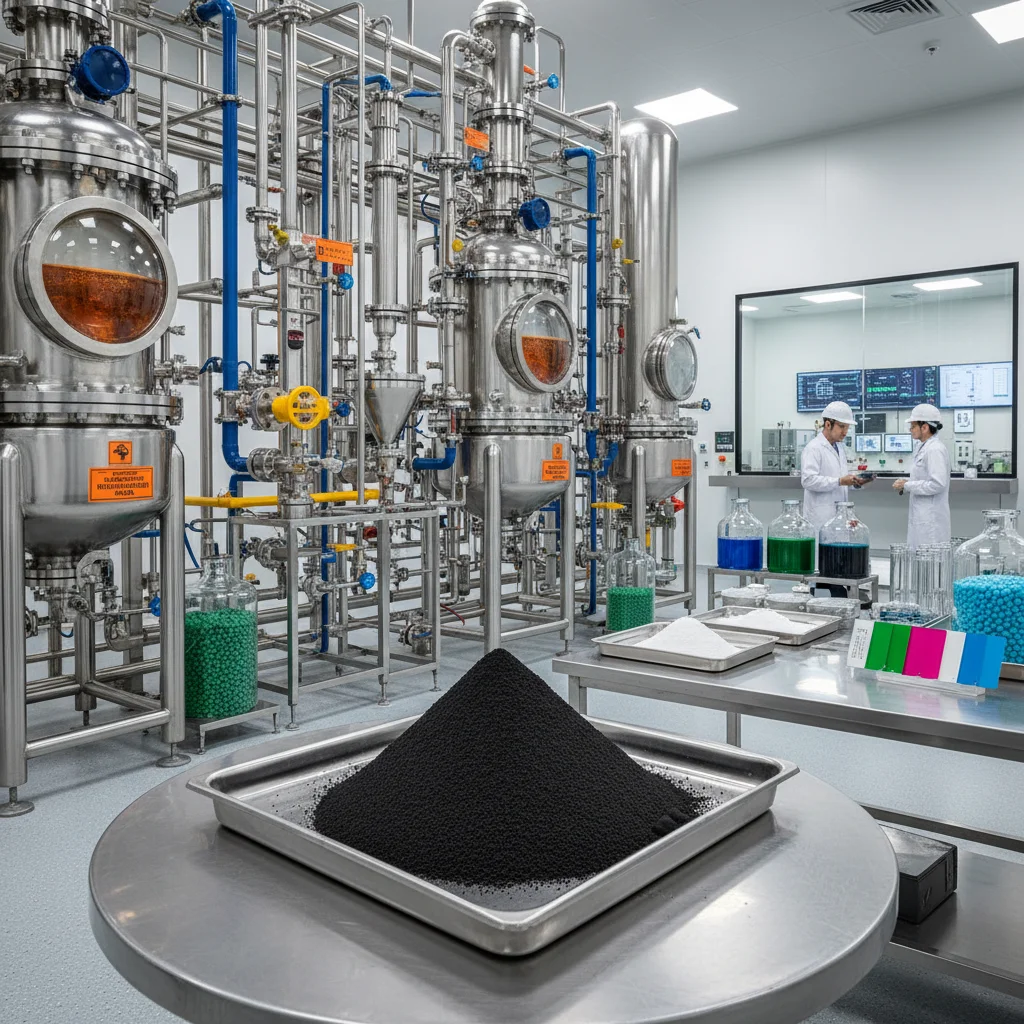
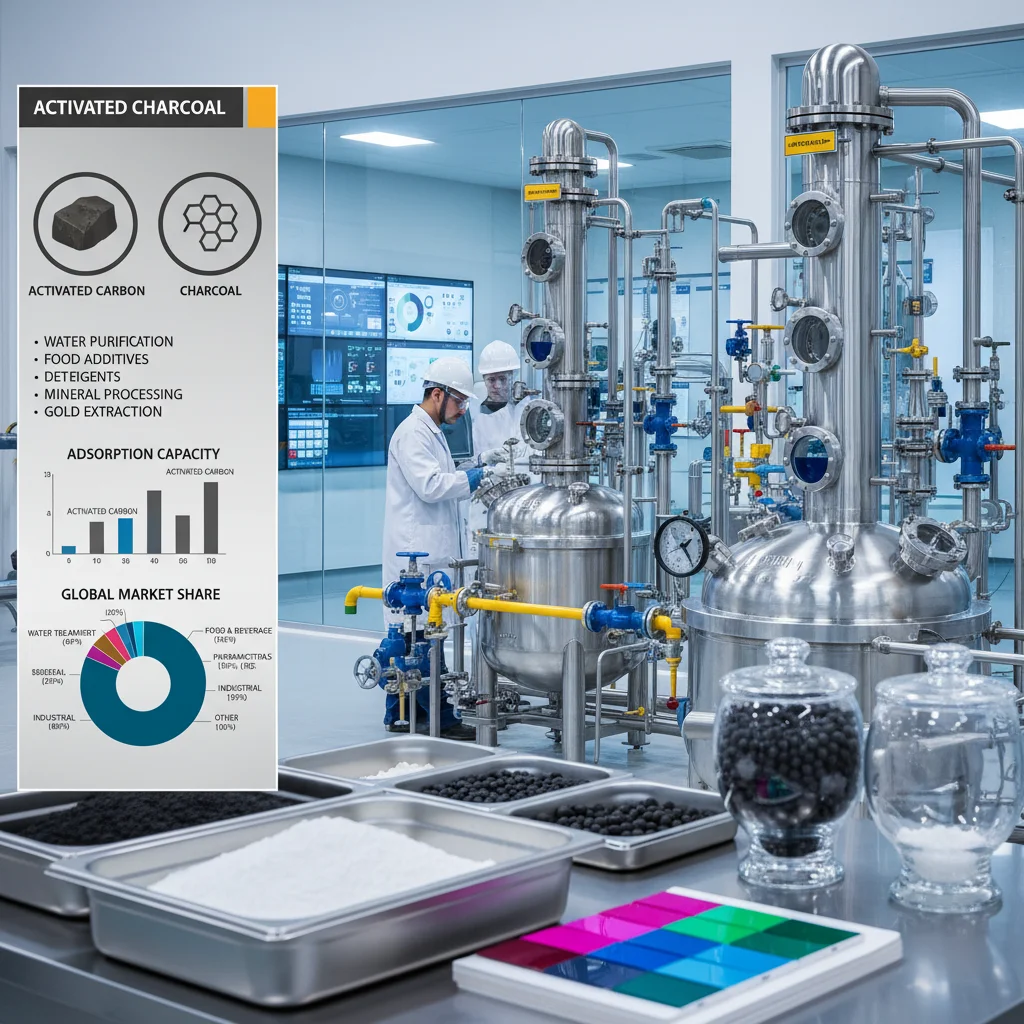
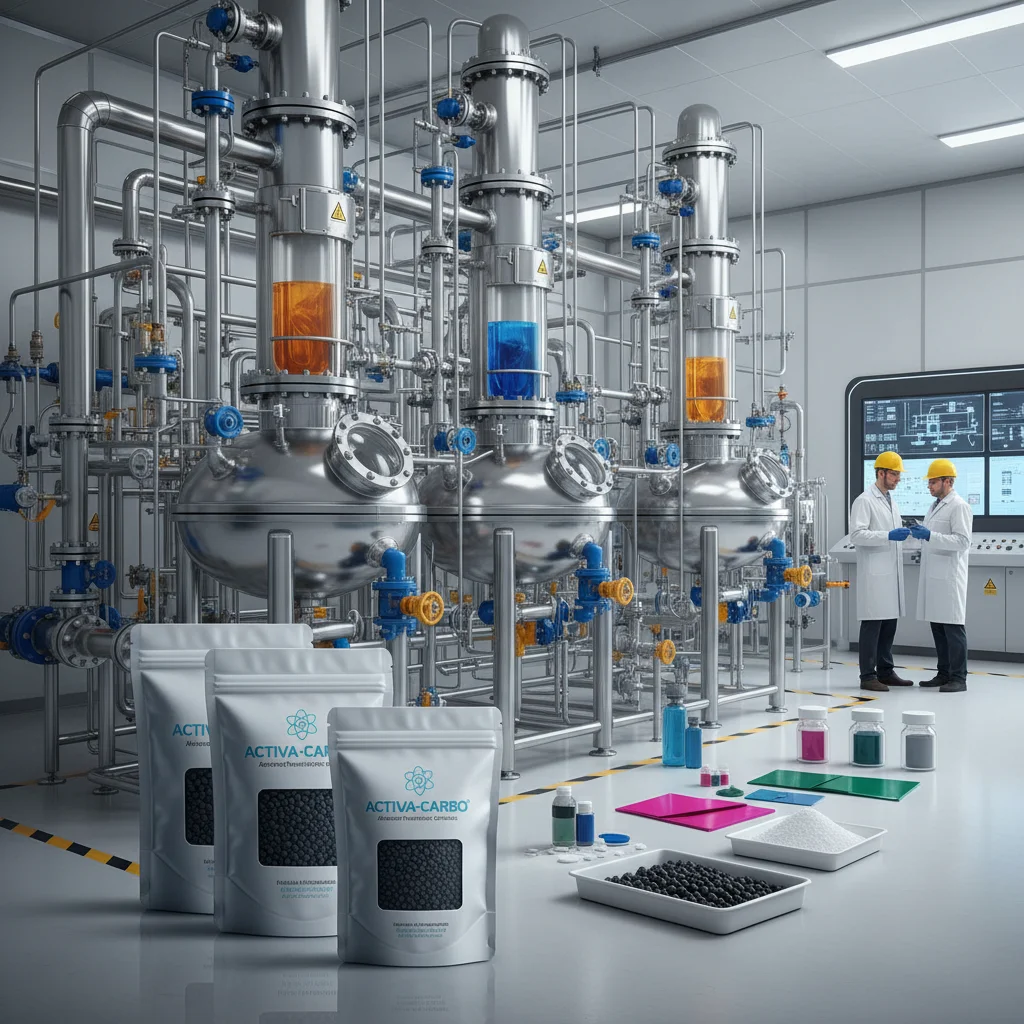
In the complex world of industrial filtration and purification, zinc chloride activated carbon stands as a cornerstone technology for removing volatile organic compounds and purifying gas streams. This specialized adsorbent, produced through the chemical activation of carbonaceous materials using zinc chloride, offers a unique pore structure that is indispensable for high-efficiency separation processes across multiple chemical sectors.
Understanding the nuances of zinc chloride activated carbon is critical for engineers and procurement specialists who aim to optimize their production lines while adhering to strict environmental regulations. As global standards for air and water quality tighten, the demand for high-surface-area adsorbents that can handle specific molecular weights has surged, making the chemistry of activation more relevant than ever.
By leveraging the precise microporosity of this material, industries can achieve significant reductions in pollutant emissions and improve the purity of end-products. This comprehensive guide explores the technical foundations, global applications, and future trajectories of zinc chloride activated carbon to help you make informed decisions for your industrial requirements.
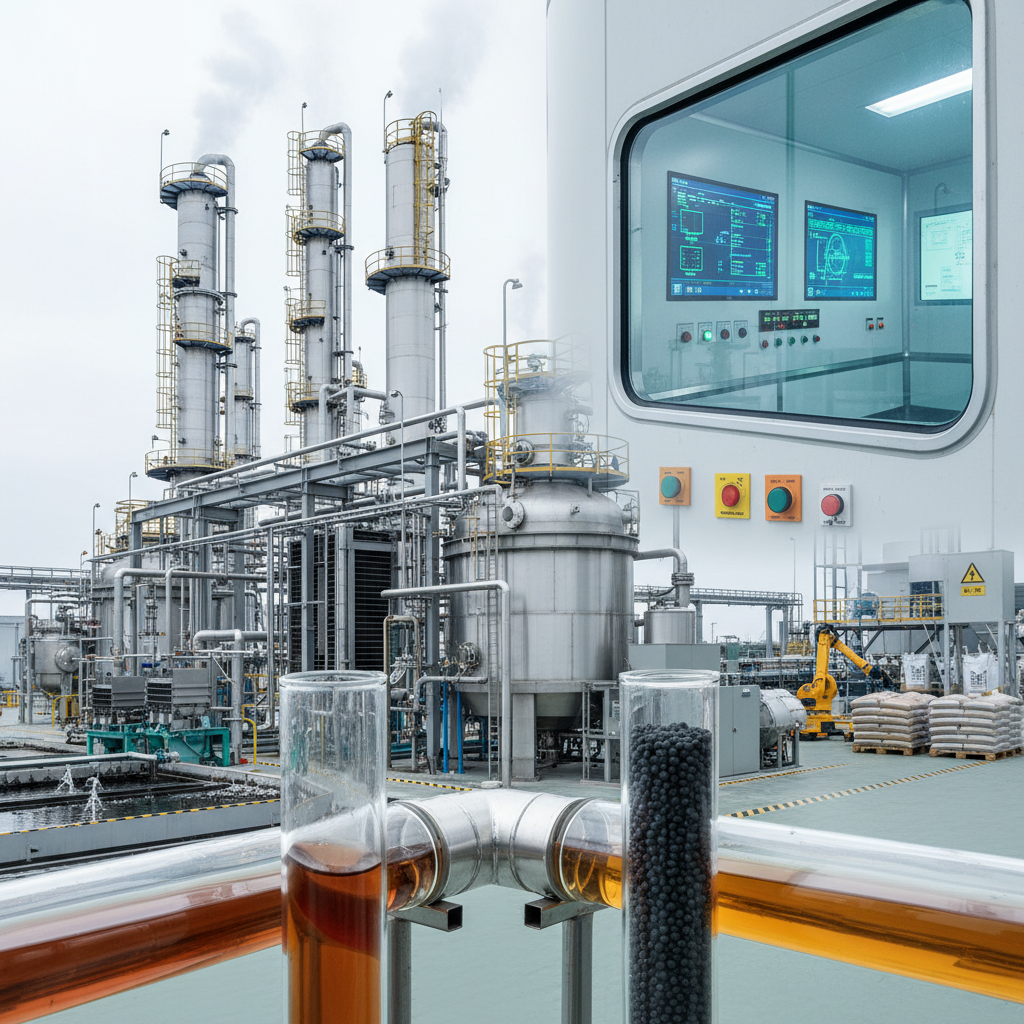
Global Industrial Relevance of Zinc Chloride Activated Carbon
The global industrial landscape is currently facing an unprecedented challenge in managing chemical emissions and purifying raw materials. zinc chloride activated carbon has emerged as a pivotal solution, particularly in regions with stringent ISO environmental standards. By providing a highly controlled pore distribution, it allows industries to capture specific contaminants that traditional steam-activated carbons often miss.
From a macroeconomic perspective, the integration of advanced adsorbents is no longer optional but a requirement for market competitiveness. Data suggests that the adoption of chemically activated carbons has led to a measurable decrease in hazardous waste output in the basic inorganic salt manufacturing sector, proving that the right material choice can directly impact a company's ESG (Environmental, Social, and Governance) rating.
Defining Zinc Chloride Activated Carbon and Its Chemistry
In simple terms, zinc chloride activated carbon is a porous carbon material produced by impregnating a carbon precursor (such as coconut shells, wood, or coal) with zinc chloride (ZnCl₂) before carbonization. The zinc chloride acts as a dehydrating agent, preventing the shrinkage of the carbon structure and creating a vast network of micropores that act as "traps" for gaseous and liquid molecules.
This process is fundamentally different from physical activation. While steam activation primarily creates larger macropores, the chemical route involving zinc chloride ensures a higher concentration of micropores (pores smaller than 2nm). This makes it exceptionally effective for the adsorption of small organic molecules, making it a vital asset for the pharmaceutical and chemical manufacturing industries.
Beyond the laboratory, the connection to modern humanitarian and industrial needs is clear: clean air and water. Whether it is purifying drinking water in remote industrial zones or scrubbing toxic fumes from a chemical plant, the chemical precision of this activated carbon ensures that harmful substances are removed with maximum efficiency and minimum waste.
Core Technical Factors for Optimal Performance
When evaluating the quality of zinc chloride activated carbon, the first critical factor is the Pore Size Distribution. Because the chemical activation process allows for a high density of micropores, the material can be tailored to target specific molecular diameters, ensuring that the adsorption kinetics are optimized for the target pollutant.
Another essential component is Surface Area (BET). The efficacy of zinc chloride activated carbon is directly proportional to its internal surface area; the higher the surface area, the more adsorption sites are available. This leads to greater cost-efficiency, as less material is required to treat the same volume of effluent.
Finally, Mechanical Hardness and Attrition Resistance play a key role in practical applications. In high-pressure filtration columns, the carbon granules must withstand physical stress without breaking down into fines. High-quality zinc chloride activated carbon balances porosity with structural integrity to ensure a long service life and low pressure drop.
Global Applications and Practical Use Cases
The versatility of zinc chloride activated carbon allows it to be deployed across diverse sectors. In the gold mining industry, for instance, it is used in the recovery and purification of precious metals from leaching solutions. In the realm of water treatment, it serves as a primary defense against the removal of chlorinated organics and pesticide residues in agricultural runoff.
In more specialized contexts, such as post-disaster relief operations in industrial zones, portable filtration units utilizing these carbons are used to remove toxic chemical vapors from the air, ensuring the safety of first responders. Furthermore, in the food additive industry, it is employed to decolorise syrups and remove unwanted organic impurities without affecting the nutritional profile of the product.
Comparative Performance of Activated Carbon Types
Tangible Advantages and Long-Term Value
The primary advantage of zinc chloride activated carbon lies in its exceptional adsorption capacity for low-molecular-weight compounds. This translates directly into lower operational costs, as the frequency of carbon replacement or regeneration is reduced. When viewed through a logical lens, the cost-per-unit of pollutant removed is significantly lower than with standard carbon types.
Beyond the financial metrics, there is an emotional and ethical value associated with the use of high-efficiency purifiers. By ensuring that no toxic leaks reach the surrounding community, companies build trust and reliability with local stakeholders. The innovation inherent in chemical activation reflects a commitment to safety and environmental dignity, transforming a simple industrial process into a sustainable corporate practice.
Future Trends and Sustainable Innovations
Looking ahead, the production of zinc chloride activated carbon is moving toward "green chemistry." Researchers are exploring ways to recycle the zinc chloride catalyst more efficiently, reducing the chemical footprint of the manufacturing process itself. This aligns with global shifts toward circular economies where waste is minimized and resources are reclaimed.
Digital transformation is also playing a role. The integration of IoT sensors in carbon beds allows operators to monitor the saturation levels of the zinc chloride activated carbon in real-time. This prevents "breakthrough" events where pollutants pass through the filter, ensuring consistent air and water quality through automated alerts and predictive maintenance.
Furthermore, the development of hybrid composites—where activated carbon is combined with metal-organic frameworks (MOFs)—promises a new generation of adsorbents. These materials will likely build upon the foundation of zinc chloride activation to create "smart" carbons that can selectively target specific greenhouse gases, contributing to the global fight against climate change.
Common Implementation Challenges and Solutions
One of the most common challenges when using zinc chloride activated carbon is the potential for residual zinc leaching if the washing process during manufacturing is insufficient. This can be a concern in food-grade or pharmaceutical applications. The solution lies in implementing rigorous quality control and utilizing high-purity washing cycles to ensure the final product meets the strictest purity standards.
Another hurdle is the cost of initial procurement compared to low-grade carbon. Many firms make the mistake of choosing the cheapest material, only to find that the replacement rate is three times higher. Expert insight suggests performing a Life Cycle Cost Analysis (LCCA) to demonstrate that the higher initial investment in premium zinc chloride activated carbon results in lower total ownership costs over 24 months.
Finally, the regeneration of chemically activated carbon can be more complex than physical carbon. To overcome this, industries are adopting advanced thermal reactivation techniques that restore the micropore structure without collapsing the carbon framework. By optimizing the temperature and atmosphere of the regeneration kiln, the lifespan of the material can be extended indefinitely.
Technical Comparison of Zinc Chloride Activated Carbon Grade Specifications
| Grade Category |
Avg. Surface Area (m²/g) |
Iodine Value (mg/g) |
Purity Rating (1-10) |
| Industrial Grade |
800 - 1000 |
900 - 1050 |
7.5 |
| High Purity Grade |
1100 - 1300 |
1100 - 1200 |
9.0 |
| Food-Grade Purified |
1200 - 1500 |
1200 - 1350 |
9.8 |
| Catalyst Support Grade |
900 - 1100 |
950 - 1100 |
8.2 |
| Gas Scrubbing Grade |
1000 - 1200 |
1000 - 1150 |
8.5 |
| Custom Nano-Porous |
1500+ |
1400+ |
9.5 |
FAQS
The primary difference lies in the pore structure. Zinc chloride activation creates a significantly higher volume of micropores, which are essential for capturing smaller molecules. Steam activation generally produces larger macropores. Therefore, for specific gas purification and the removal of small organic pollutants, zinc chloride activated carbon offers far superior adsorption efficiency and a higher capacity per gram of material.
Yes, provided it is "Food-Grade Purified." During the manufacturing process, the carbon must undergo extensive washing and acidification to remove any residual zinc chloride salts. Once purified and certified, it is widely used for decolorization and impurity removal in syrups and oils. Always ensure the supplier provides a Certificate of Analysis (CoA) confirming the absence of heavy metal residues.
Replacement frequency depends on the pollutant load and the flow rate. However, chemically activated carbons like those using zinc chloride generally last longer than standard grades due to their higher surface area. We recommend monitoring the "breakthrough point" via sensors. Typically, for medium-load industrial air scrubbers, replacement or regeneration occurs every 6 to 18 months.
On-site regeneration is possible but requires specialized equipment. Thermal regeneration in a controlled atmosphere is the most effective method to clear the micropores of adsorbed contaminants. While some facilities use chemical washes, thermal reactivation is preferred to maintain the structural integrity of the carbon. Many companies opt for professional off-site reactivation services to ensure maximum efficiency recovery.
Absolutely. Coconut shell precursors typically yield a higher proportion of micropores, making them ideal when combined with zinc chloride activation for gas phase adsorption. Coal-based precursors often provide a broader range of pore sizes (mesopores), which may be better for larger liquid-phase molecules. The choice of precursor should be matched to the molecular size of the target contaminant.
Importing requires verifying that the product meets your local environmental and safety regulations. We recommend working with a supplier that provides comprehensive MSDS (Material Safety Data Sheets) and ISO certifications. Ensure the packaging is moisture-proof to prevent premature saturation. For bulk shipping, choosing a partner with experience in chemical logistics will ensure the material arrives without degradation.
Conclusion
In summary, zinc chloride activated carbon represents a sophisticated intersection of chemical engineering and environmental stewardship. By optimizing micropore distribution and maximizing surface area, it provides an unparalleled solution for the adsorption of volatile organic compounds and the purification of industrial streams. From its critical role in gold mining and water treatment to its application in high-purity food additives, the long-term value of this material is defined by its efficiency, reliability, and ability to reduce operational overhead.
As we move toward a future defined by green energy and stricter emission controls, the adoption of high-performance adsorbents will be the dividing line between industrial leaders and laggards. We suggest that companies transition from generic carbon solutions to tailored, chemically activated materials to future-proof their operations. For those seeking to enhance their purification processes with the highest grade of adsorbent technology, we invite you to explore our professional solutions. Visit our website: www.sdjz-chem.com