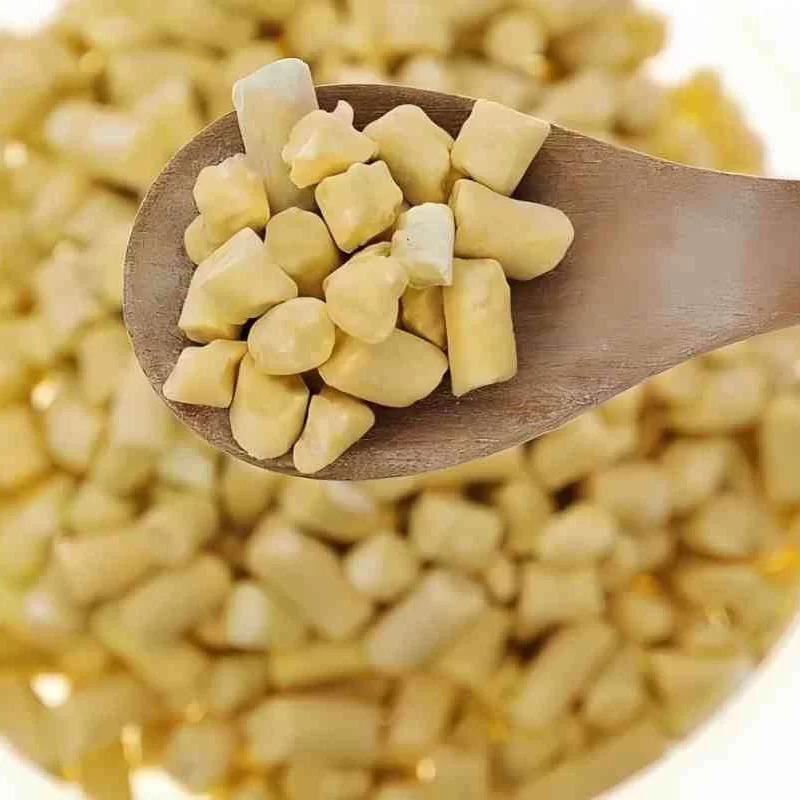
Product keywords : Sodium cyanide Activated carbon Silver Mercury

Aluminum Sulfate Solutions for Brazilian Industrial Applications

Providing high-quality inorganic salts to meet the growing demands of Brazil's manufacturing sector.

The Inorganic Salt Landscape in Brazil

Current Market Conditions and Challenges

Brazil's inorganic salt market is significantly influenced by its robust agricultural sector, particularly sugarcane and coffee production, demanding substantial quantities of aluminum sulfate for water treatment and pH adjustment. The country’s vast territory and diverse climate necessitate specialized formulations to address varying water qualities. Supply chain logistics are a critical factor, given the distances involved in distribution across South America’s largest nation.

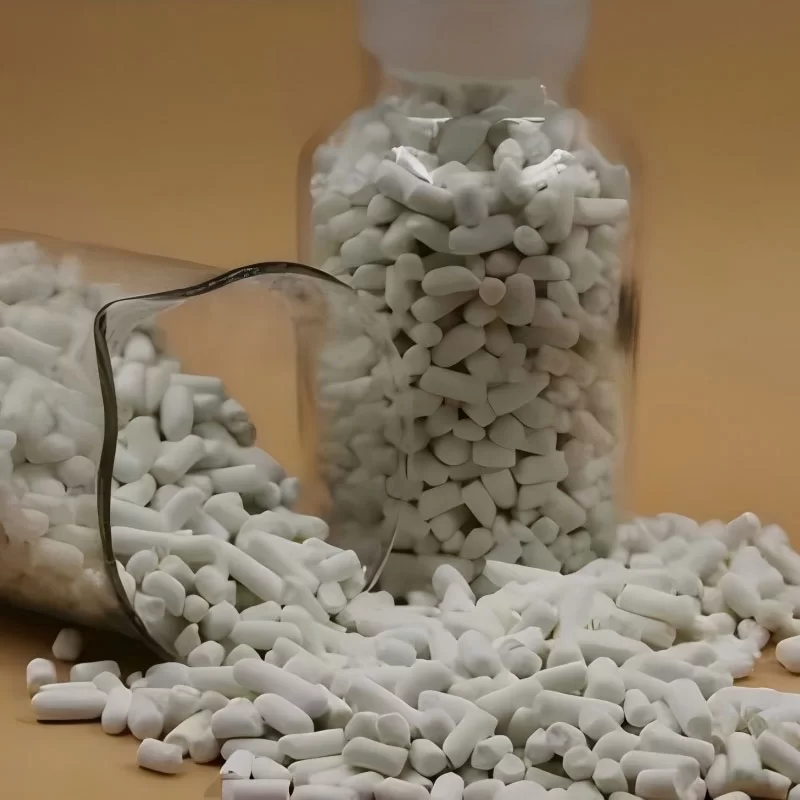
Currently, the Brazilian market faces challenges stemming from fluctuating raw material costs and increasing environmental regulations. Companies are prioritizing sustainable sourcing and production methods to comply with stricter standards. The demand for high-purity activated carbon for water purification is also on the rise, driven by growing environmental consciousness.

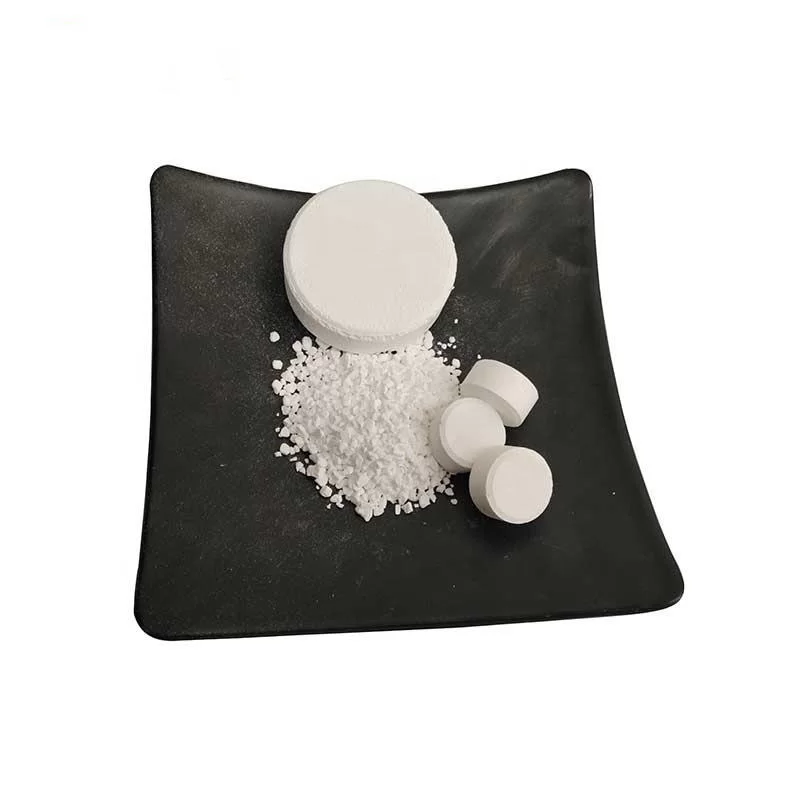
Furthermore, the chemical industry in Brazil is experiencing growth in sectors like pulp and paper, which rely heavily on inorganic salts like calcium hypochlorite for bleaching processes. Competition is fierce, with both domestic and international players vying for market share.
Evolution of Inorganic Salt Manufacturing in Brazil

From Traditional Methods to Modern Technologies

Market Development History

Historically, inorganic salt production in Brazil relied on rudimentary extraction and processing techniques. Prior to the 1980s, much of the aluminum sulfate was produced locally, catering mainly to smaller agricultural needs. The 1990s saw an influx of foreign investment and the adoption of more advanced technologies, leading to increased production capacity and product quality.

The early 2000s marked a period of consolidation within the industry, with larger companies acquiring smaller players. This era also witnessed a growing focus on environmental sustainability and the implementation of stricter regulatory frameworks. Innovations in benzoic acid production for preservation solutions became pivotal.

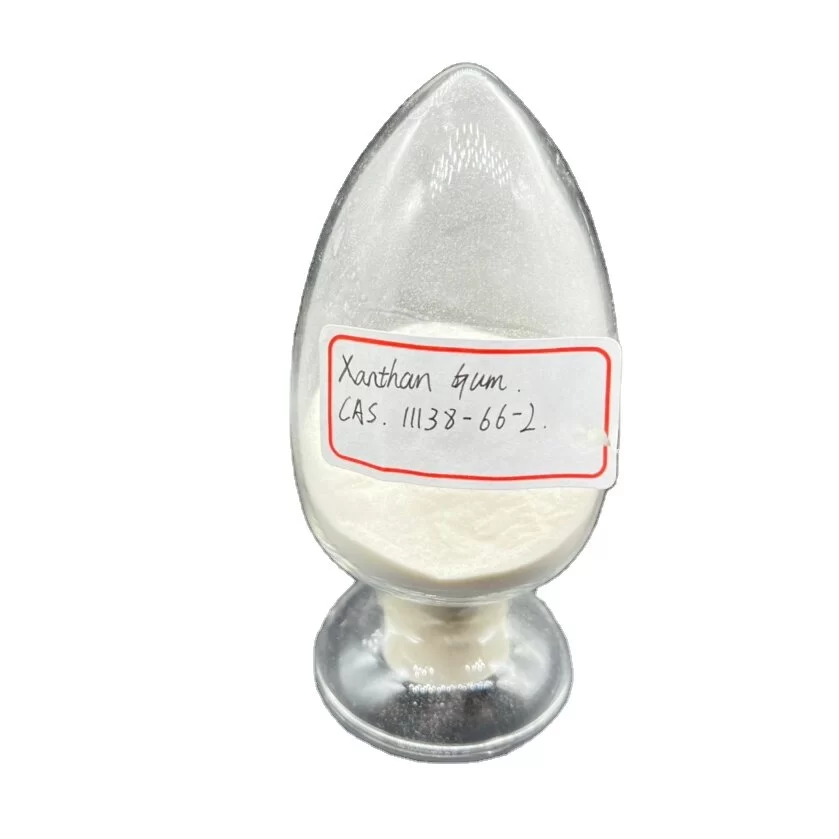
From 2010 onwards, the Brazilian chemical industry experienced a surge in technological advancements, including automated process control systems and the utilization of more efficient extraction methods. This period also saw an increase in the demand for specialized inorganic salts catering to niche applications. Xanthan gum found increased use in oil extraction and food processing.

Future Development Trends

Enhanced Production Efficiency

Expect further automation and optimization of production processes to reduce costs and improve efficiency. This includes the adoption of digital twins and predictive maintenance technologies.

Sustainable Sourcing & Circular Economy

A growing emphasis on utilizing recycled materials and minimizing waste generation will drive the adoption of circular economy principles within the inorganic salt industry.

Specialized Product Development

Demand for customized inorganic salt formulations tailored to specific industrial applications will continue to rise. This necessitates increased investment in R&D and product innovation.

Industry Trends and Future Outlook for Inorganic Salts in Brazil

Navigating the Opportunities and Challenges Ahead

Water Treatment Advancements
Brazil’s increasing urbanization and industrial growth demand more efficient water treatment solutions, driving innovation in aluminum sulfate formulations and the use of activated carbon for contaminant removal.
Pulp & Paper Industry Growth
Brazil’s thriving pulp and paper sector is a major consumer of inorganic salts, particularly calcium hypochlorite for bleaching applications. Continued expansion in this sector will drive demand.
Agricultural Demand
Brazil’s vast agricultural landscape requires significant quantities of aluminum sulfate for soil conditioning and pH balancing. Increasing crop yields will necessitate greater use of these chemicals.
Growing Focus on Sustainability
Consumers and regulatory bodies are increasingly demanding sustainable chemical solutions. Companies are responding by investing in eco-friendly production processes and exploring alternatives to traditional inorganic salts, including xanthan gum derived from renewable resources.

Industry Outlook

The Brazilian inorganic salt market is projected to experience moderate growth over the next 3-5 years, driven by increasing demand from key end-use industries. However, companies will need to address challenges related to raw material costs, environmental regulations, and competition.

Innovation in product development, sustainability, and supply chain management will be critical for success. Companies that can offer high-quality, cost-effective, and environmentally responsible solutions will be well-positioned to thrive in this dynamic market.

Local Application Scenarios in Brazil

Real-World Uses of Inorganic Salts in the Brazilian Market

1. Sugarcane Processing

Aluminum sulfate is extensively used in the clarification of sugarcane juice during sugar and ethanol production. Brazil, being a global leader in sugarcane cultivation, represents a significant market for this application.

2. Coffee Production

pH adjustment is crucial during coffee processing. Aluminum sulfate plays a vital role in controlling acidity levels to enhance the quality and flavor profile of Brazilian coffee beans.

3. Wastewater Treatment in Industrial Parks

Brazilian industrial parks require robust wastewater treatment systems. Calcium hypochlorite is commonly used for disinfection and oxidation of pollutants in these facilities.

4. Oil and Gas Extraction

The growing oil and gas sector in Brazil utilizes xanthan gum as a drilling fluid additive to enhance viscosity and improve wellbore stability.

5. Paper and Pulp Bleaching

Brazilian pulp and paper mills employ calcium hypochlorite and other inorganic salts for bleaching wood pulp to achieve the desired brightness and quality.

Brand Story

Shandong Jiuzhou Chemical Co., Ltd.’s Global Development Journey

Foundation & Commitment to Quality

Founded in 2005, Shandong Jiuzhou Chemical Co., Ltd. began with a core commitment to providing high-quality inorganic salts to meet the evolving needs of global industries.

Expansion into South American Markets

In 2012, we strategically expanded our reach into South America, recognizing the significant potential within Brazil’s dynamic industrial landscape.

Investment in Sustainable Practices

We invested heavily in sustainable production processes, aiming to minimize our environmental footprint and deliver eco-friendly solutions.

Dedicated Local Support

We established a dedicated local support team to provide responsive service and technical expertise to our Brazilian clients.

Continuing Innovation

We continuously invest in R&D to develop innovative inorganic salt solutions tailored to the specific challenges faced by Brazilian industries.

Frequently Asked Questions - Brazil

Addressing Common Concerns in the Brazilian Market

What is the typical lead time for aluminum sulfate deliveries to major Brazilian ports?

Lead times vary based on order volume and port congestion, but generally range from 20-30 days from order confirmation. We offer flexible shipping options to meet your specific requirements.

Do your products comply with Brazilian environmental regulations regarding inorganic salt discharge?

Yes, all our products meet or exceed the stringent environmental regulations set by Brazilian authorities. We provide full documentation and SDS sheets to ensure compliance.

Can you provide customized aluminum sulfate formulations for specific pH control applications in Brazilian sugarcane processing?

Absolutely. We offer customized formulations tailored to the specific pH requirements of various sugarcane processing applications. Our technical team can collaborate with you to develop the optimal solution.

What is the shelf life of your calcium hypochlorite products under typical Brazilian climate conditions?

Our calcium hypochlorite products have a shelf life of 12 months when stored in a cool, dry place away from direct sunlight. Proper storage is crucial, particularly in Brazil’s humid climate.

Do you offer technical support for the proper handling and application of xanthan gum in Brazilian oil and gas drilling operations?

Yes, we provide comprehensive technical support, including guidance on proper handling, mixing, and application of xanthan gum to optimize performance in oil and gas drilling operations.

What quality control measures are in place to ensure the purity and consistency of your benzoic acid products for Brazilian food preservation industries?

We implement rigorous quality control measures throughout the entire production process, including raw material testing, in-process monitoring, and final product analysis, to guarantee the purity and consistency of our benzoic acid products.

Contact Us Today

Partner with a trusted supplier of inorganic salts for your business in South America - Brazil.

Contact Us Now

If you are interested in our products, you can choose to leave your information here, and we will be in touch with you shortly.