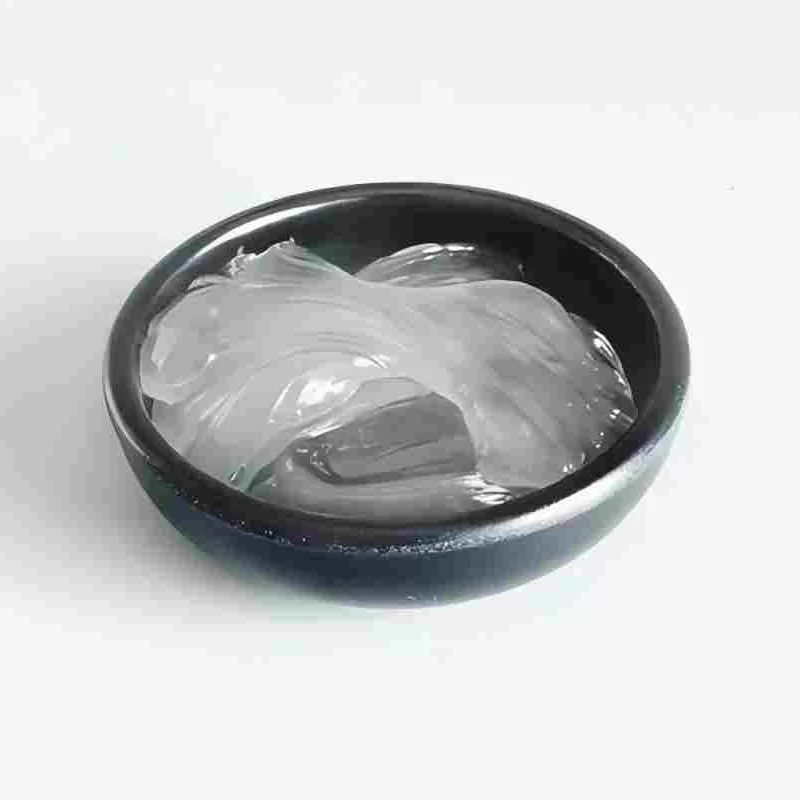
Product keywords : Sodium cyanide Activated carbon Silver Mercury

Calcium Hypochlorite Solutions for North American Industries

Providing high-quality inorganic salts and chemical solutions to businesses across the United States.

Current State of the Inorganic Salt Industry in the United States

Analyzing the challenges and opportunities within the US chemical manufacturing sector.

The inorganic salt manufacturing industry in North America, particularly the United States, is currently experiencing a period of robust demand, driven by growth in water treatment, agriculture, and industrial applications. The large geographical expanse and diverse climate zones of the US necessitate a reliable and varied supply of chemicals like calcium hypochlorite for maintaining water quality.

Regulatory pressures, particularly concerning environmental sustainability and safety standards, are shaping the industry. Companies are increasingly focused on responsible manufacturing practices and investing in technologies to reduce their environmental footprint. Demand for high-purity aluminum sulfate is rising due to stricter water treatment regulations.

The supply chain disruptions experienced globally in recent years have highlighted the importance of domestic sourcing and resilient supply chains. US manufacturers are actively seeking to diversify their raw material sources and build stronger partnerships with local suppliers. Activated carbon demand is up because of this instability.
Evolution and Development Trajectory of the Inorganic Salt Industry

Tracing the historical progression and future outlook of chemical manufacturing in North America.

Market Development History

Initially, the inorganic salt industry in the US relied heavily on traditional mining and extraction methods. Early production focused on basic salts like sodium chloride and calcium carbonate, primarily serving the needs of the textile and soap industries. The late 19th and early 20th centuries witnessed the rise of the chemical industry, leading to more sophisticated production processes.

The mid-20th century brought significant advancements in chemical engineering, enabling the large-scale production of a wider range of inorganic salts. The development of the chlor-alkali process revolutionized the production of chlorine and caustic soda, key ingredients in many inorganic salt compounds. Benzoic acid production scaled dramatically after WWII.

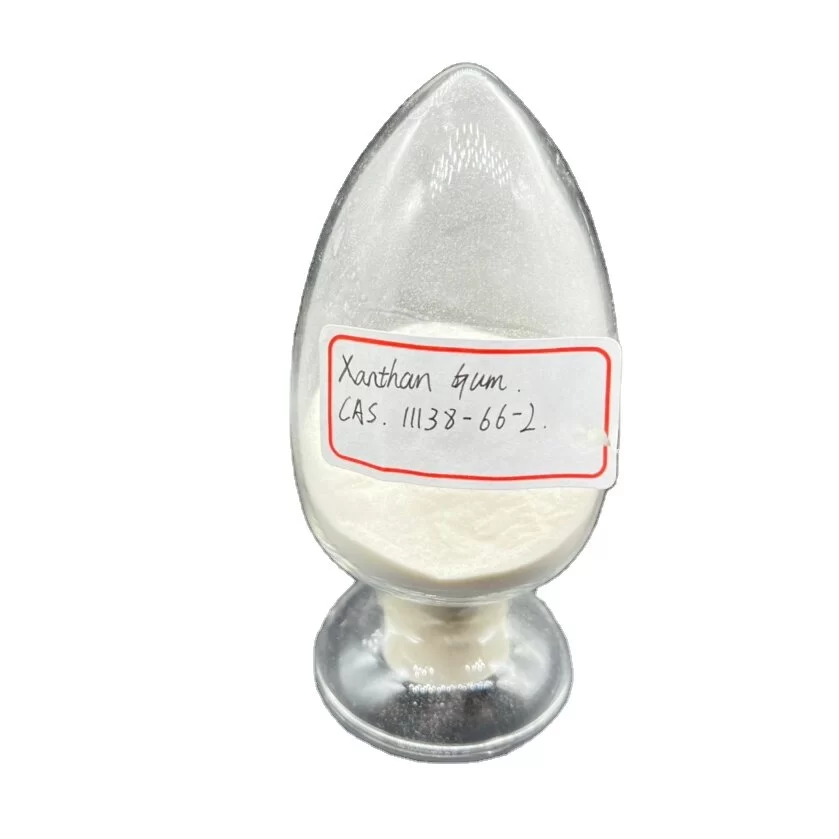
From the 1980s onwards, the industry has seen increasing automation, process optimization, and a growing emphasis on sustainability. Digitalization and data analytics are now playing a crucial role in improving efficiency and quality control. The demand for specialized salts like xanthan gum has also increased with the expansion of the food and pharmaceutical sectors.

Future Development Trends

Enhanced Purification Technologies

Future trends point towards developing enhanced purification and separation techniques to meet the growing demand for high-purity inorganic salts. This includes membrane technology, advanced crystallization processes, and innovative filtration systems.

Sustainable Production Methods

The industry will increasingly adopt sustainable production methods, such as utilizing renewable energy sources, reducing waste generation, and implementing closed-loop manufacturing systems. A focus on green chemistry principles is expected to drive innovation.

Digitalization and Automation

Further digitalization and automation of production processes will be critical for improving efficiency, reducing costs, and enhancing product quality. This includes the integration of AI, machine learning, and advanced process control systems.

Industry Trends and Future Outlook for Inorganic Salt Manufacturing

Exploring emerging technologies and market forecasts for the US chemical sector.

Increased Demand for Water Treatment Chemicals
Growing populations and stricter environmental regulations are driving demand for water treatment chemicals like calcium hypochlorite and aluminum sulfate.
Growth in Agricultural Applications
Increased demand for fertilizers and soil conditioners is boosting the use of inorganic salts like aluminum sulfate in agriculture.
Rising Demand for Specialized Salts
Niche applications in pharmaceuticals, food processing, and other specialized industries are driving demand for high-purity and custom-formulated inorganic salts like xanthan gum.
Focus on Sustainable Practices
Environmental concerns are leading to a greater emphasis on sustainable production processes and the development of eco-friendly inorganic salts.

Industry Outlook

The inorganic salt manufacturing industry in the US is expected to experience steady growth over the next 3-5 years, driven by increasing demand from end-use industries and a growing focus on sustainability. The market is predicted to grow at a compound annual growth rate (CAGR) of 3-5% during this period.

Companies that invest in innovative technologies, sustainable practices, and resilient supply chains are well-positioned to succeed in this evolving market. The demand for specialized chemical solutions and tailored formulations will also continue to rise, creating new opportunities for growth.

Localized Application Scenarios in the North American Market

Exploring specific use cases for inorganic salts across various industries in the US and Canada.

1. Municipal Water Treatment in Major Cities

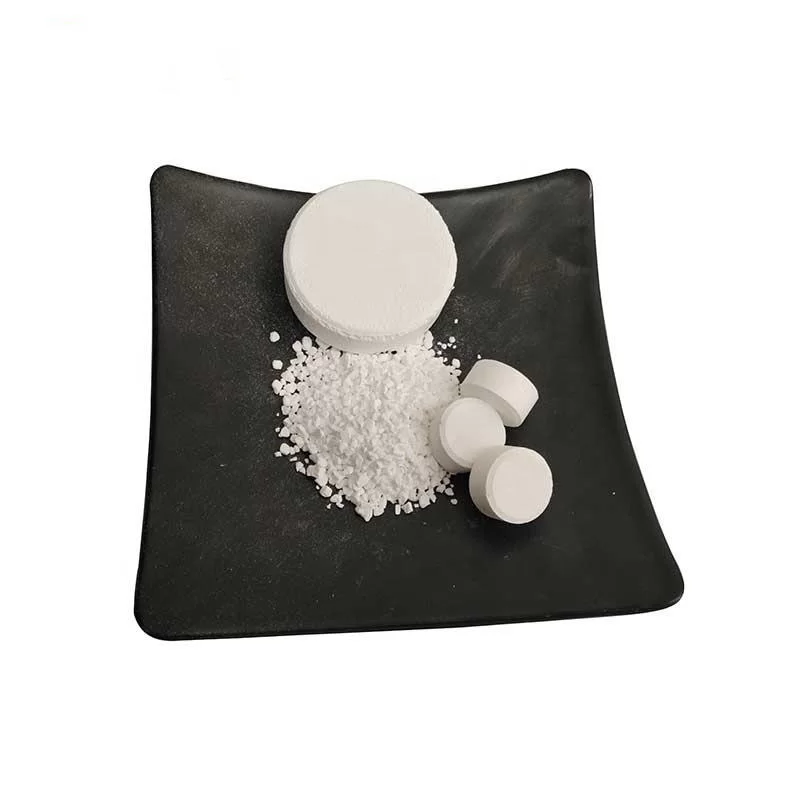
Calcium hypochlorite is widely used by municipal water treatment facilities in major North American cities like New York, Los Angeles, and Chicago to disinfect drinking water and maintain water quality standards.

2. Agricultural Soil Amendment in the Midwest

Aluminum sulfate is utilized as a soil amendment in the agricultural heartland of the US (Midwest) to lower soil pH and improve nutrient availability for crops like corn and soybeans.

3. Food Processing and Preservation in California

Benzoic acid is employed as a preservative in the food processing industry in California, particularly in the production of beverages, sauces, and pickles, to extend shelf life and prevent spoilage.

4. Enhanced Oil Recovery in Texas

Xanthan gum is used in enhanced oil recovery operations in Texas to increase the viscosity of water injected into oil wells, improving oil displacement and boosting production rates.

5. Pulp and Paper Manufacturing in the Pacific Northwest

Activated carbon is used in the pulp and paper industry in the Pacific Northwest to decolorize and purify process water, reducing environmental impact and improving product quality.

Brand Story

Shandong Jiuzhou Chemical Co., Ltd. Global Development Journey

Commitment to Quality

Founded on a commitment to delivering consistently high-quality inorganic salts, Shandong Jiuzhou Chemical Co., Ltd. has grown to become a trusted partner for businesses across North America.

Sustainable Manufacturing

We prioritize sustainable manufacturing practices, minimizing our environmental footprint and promoting responsible resource management.

Reliable Supply Chain

Our robust supply chain ensures timely and reliable delivery of products to meet the needs of our customers.

Customer-Centric Approach

We are dedicated to providing exceptional customer service and tailored solutions to meet specific requirements.

Innovation and Development

We continuously invest in research and development to innovate and create advanced chemical products.

Frequently Asked Questions – North American Market

Addressing common inquiries about our products and services in the US and Canada.

What are the lead times for calcium hypochlorite delivery to the East Coast of the United States?

Lead times vary based on order volume and current demand, but typically range from 7-14 business days to major East Coast ports.

Do you offer custom blending services for aluminum sulfate formulations?

Yes, we offer custom blending services to meet specific customer requirements for aluminum sulfate formulations.

What certifications do you hold for benzoic acid production, ensuring compliance with US FDA regulations?

We maintain ISO 9001 certification and adhere to strict quality control measures to ensure compliance with relevant US FDA regulations for benzoic acid production.

Is your activated carbon suitable for potable water purification applications in North America?

Yes, we offer activated carbon grades specifically designed and tested for potable water purification applications, meeting NSF/ANSI standards.

What is the shelf life of xanthan gum when stored in a dry environment?

When stored in a cool, dry environment, xanthan gum has a shelf life of approximately 2 years.

Do you provide Material Safety Data Sheets (MSDS) for all your inorganic salt products?

Yes, we provide comprehensive Material Safety Data Sheets (MSDS) for all our inorganic salt products, readily available for download on our website.

Get in Touch with Our Experts

Contact us today to discuss your chemical requirements in North America - United States and discover how our solutions can benefit your business.

Contact Us Now

If you are interested in our products, you can choose to leave your information here, and we will be in touch with you shortly.