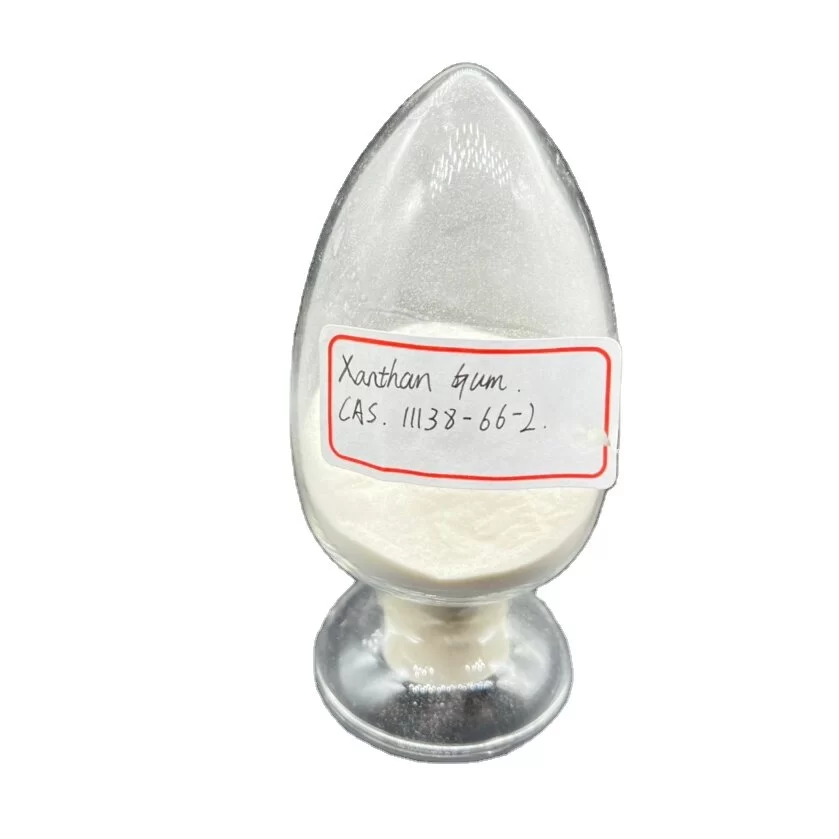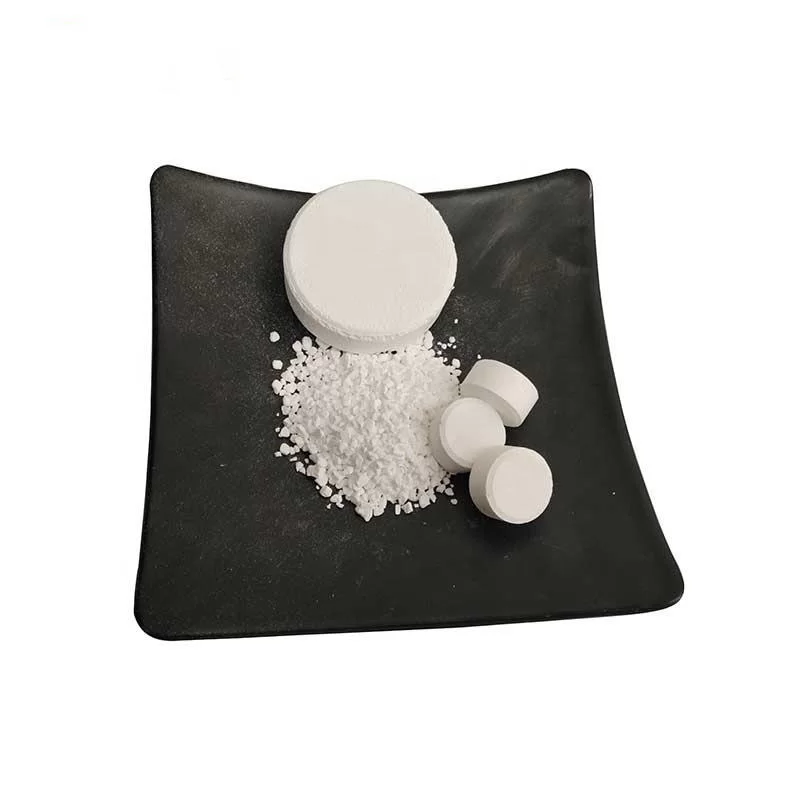
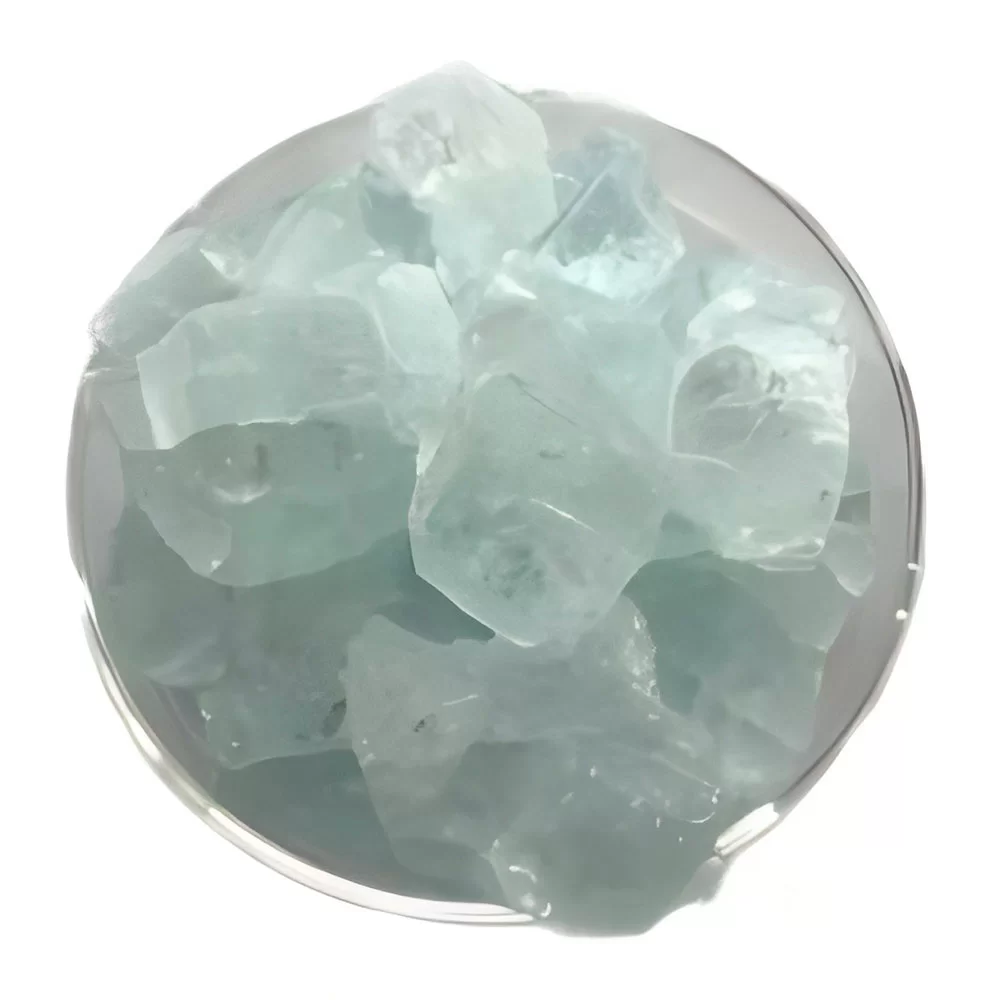
Germany's chemical industry is a cornerstone of its manufacturing sector, and the demand for inorganic salts remains consistently strong. The nation's robust automotive, water treatment, and pulp & paper industries drive significant consumption of products like aluminum sulfate, calcium hypochlorite, and xanthan gum. The geographical concentration of industry in regions like North Rhine-Westphalia and Bavaria creates logistical hubs for distribution.
Stringent environmental regulations in Germany heavily influence the types of inorganic salts utilized and the manufacturing processes employed. There is a growing emphasis on sustainable sourcing and reducing the environmental footprint of chemical production. This trend is particularly relevant for activated carbon used in filtration, and the increasing demand for bio-based alternatives like certain grades of xanthan gum.
Germany's economic stability and strong research & development capabilities foster innovation within the inorganic salt sector. The focus is on developing higher-purity products, tailored solutions for specific applications, and enhancing production efficiency to remain competitive in the global market.