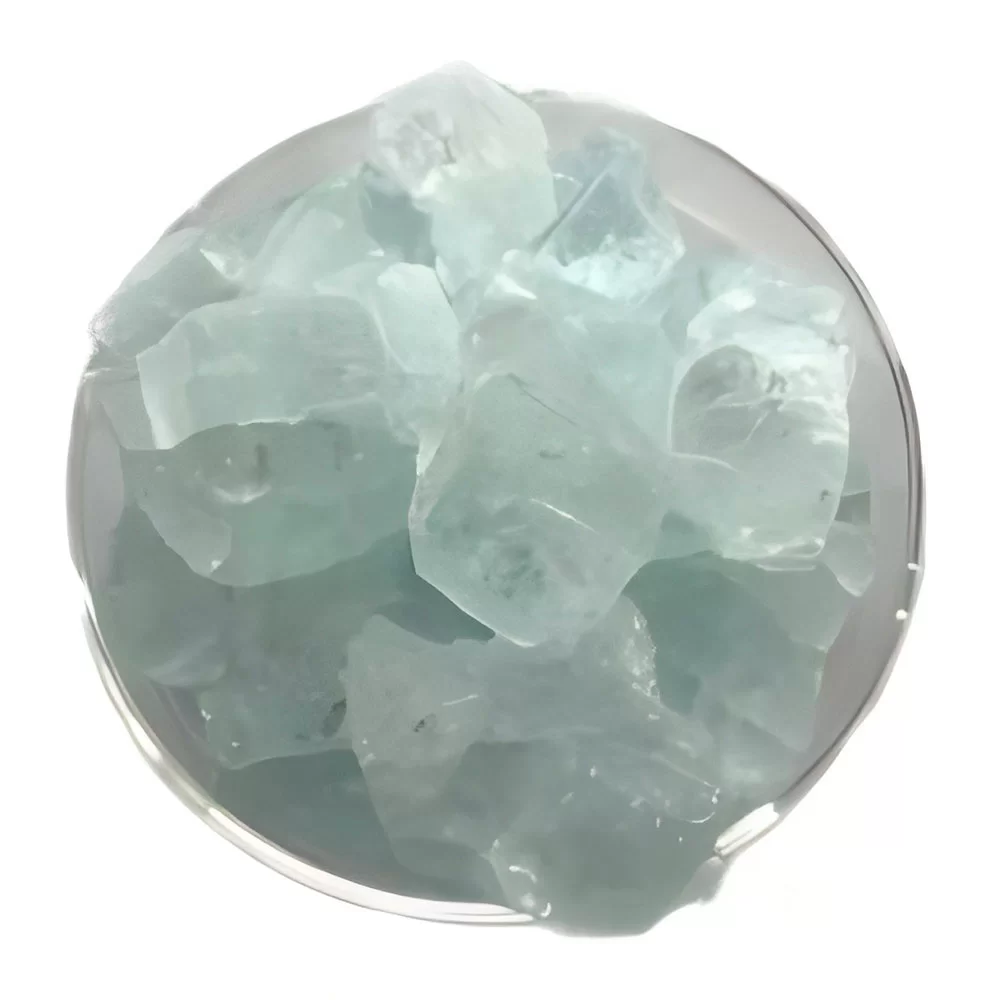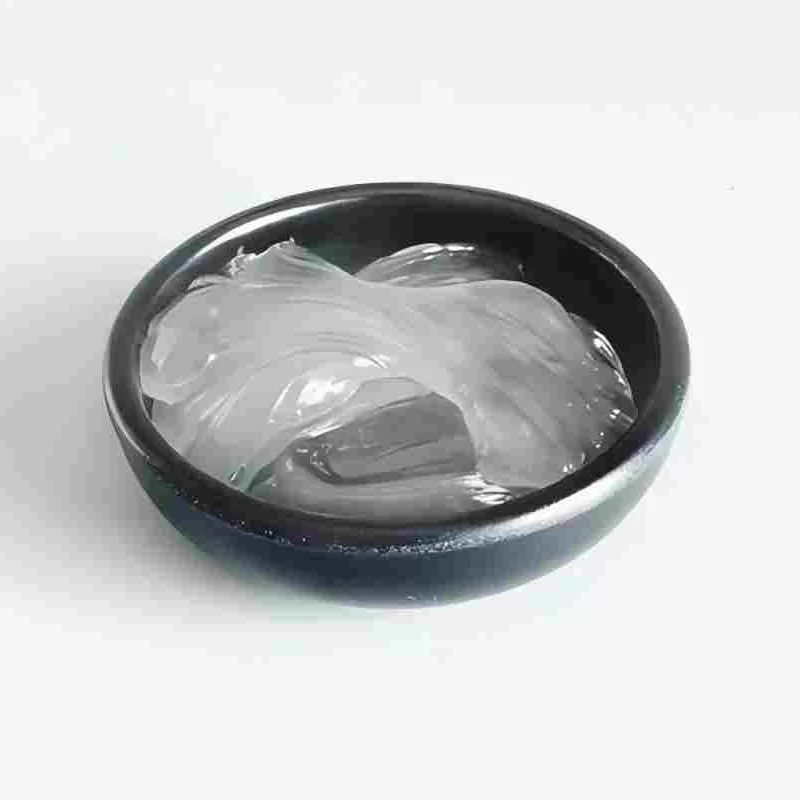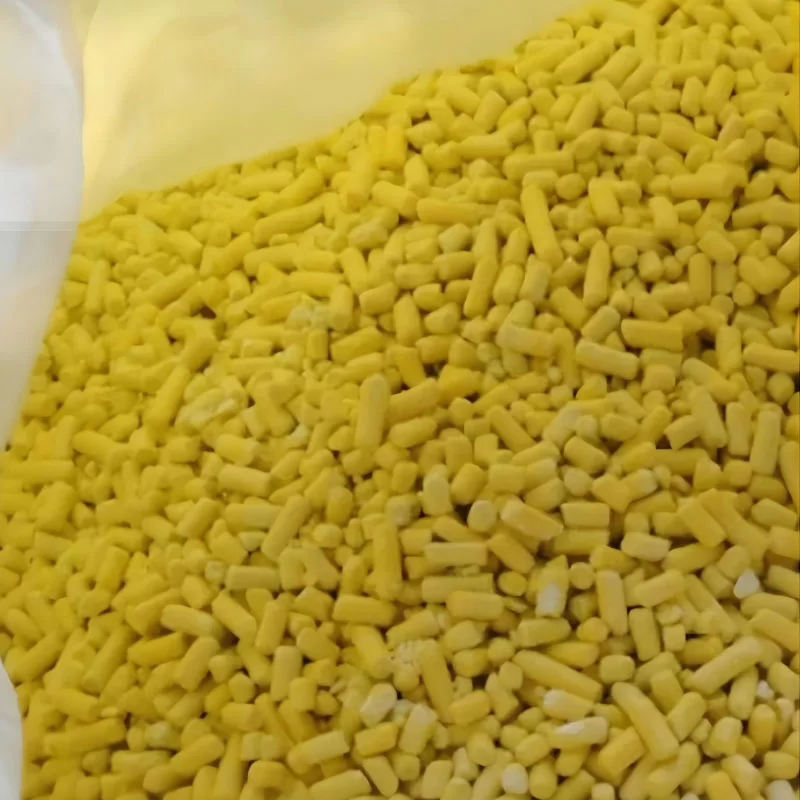
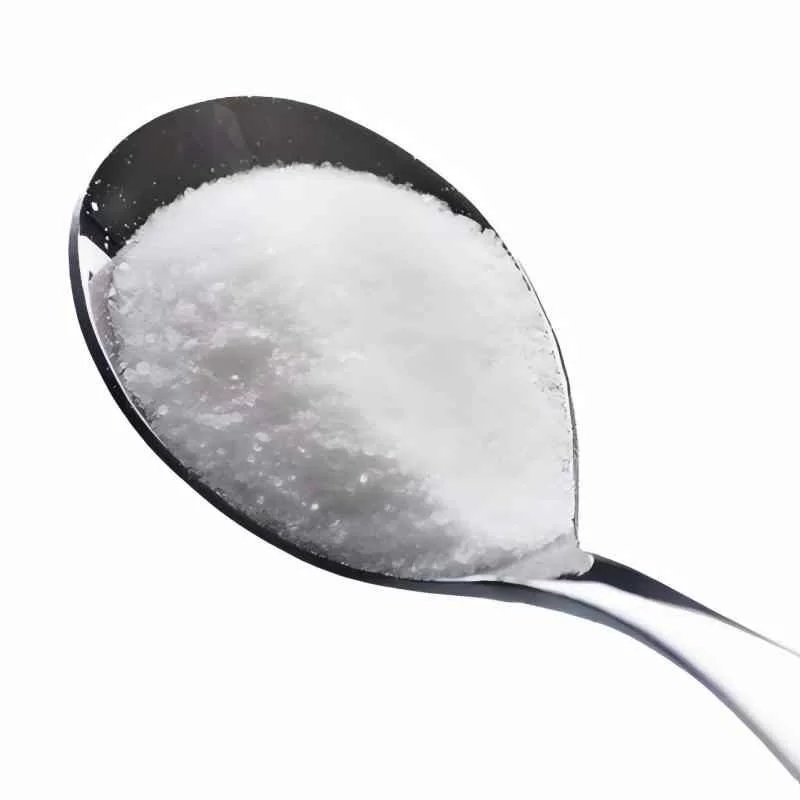
Sri Lanka's inorganic salt manufacturing sector is heavily reliant on imports, particularly for specialized chemicals like aluminum sulfate and xanthan gum. The island nation's limited domestic raw material availability and relatively small-scale production capacity contribute to this dependence. Demand is driven by water treatment, agriculture, and textile industries.
Geographically, the coastal regions of Sri Lanka are key consumers due to the concentration of industries requiring water purification and bleaching agents. The climate, characterized by high humidity and rainfall, necessitates efficient water treatment solutions, increasing the demand for chemicals like calcium hypochlorite. Economic factors, including fluctuating exchange rates and import duties, significantly impact the cost and availability of these materials.
The industry faces challenges related to stringent environmental regulations and the need for sustainable production practices. There is a growing emphasis on eco-friendly alternatives and responsible chemical handling, creating a demand for suppliers committed to environmental stewardship. The competitive landscape involves both local distributors and direct imports from countries like India and China.