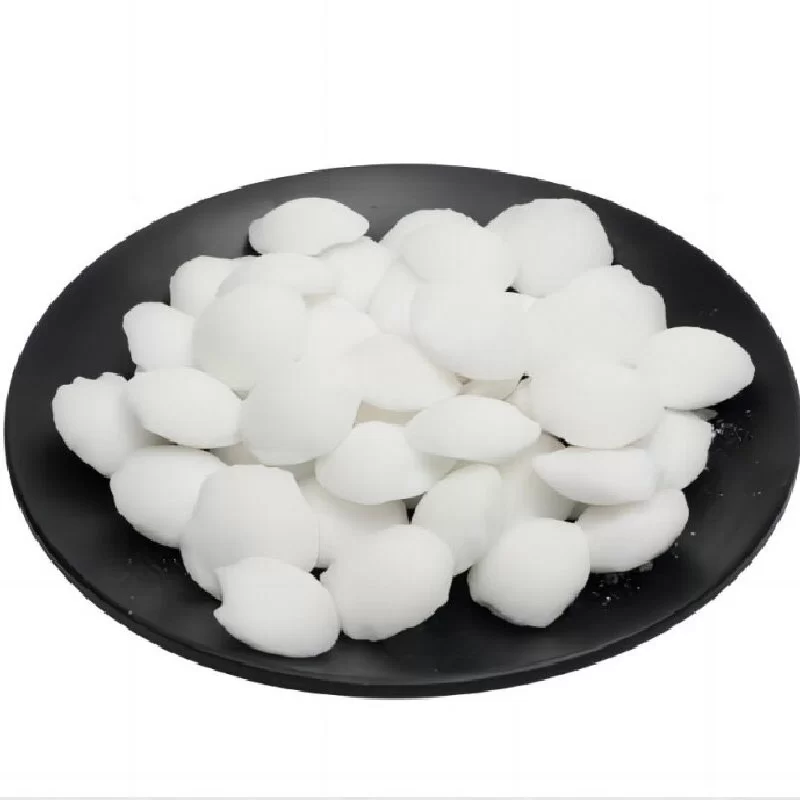
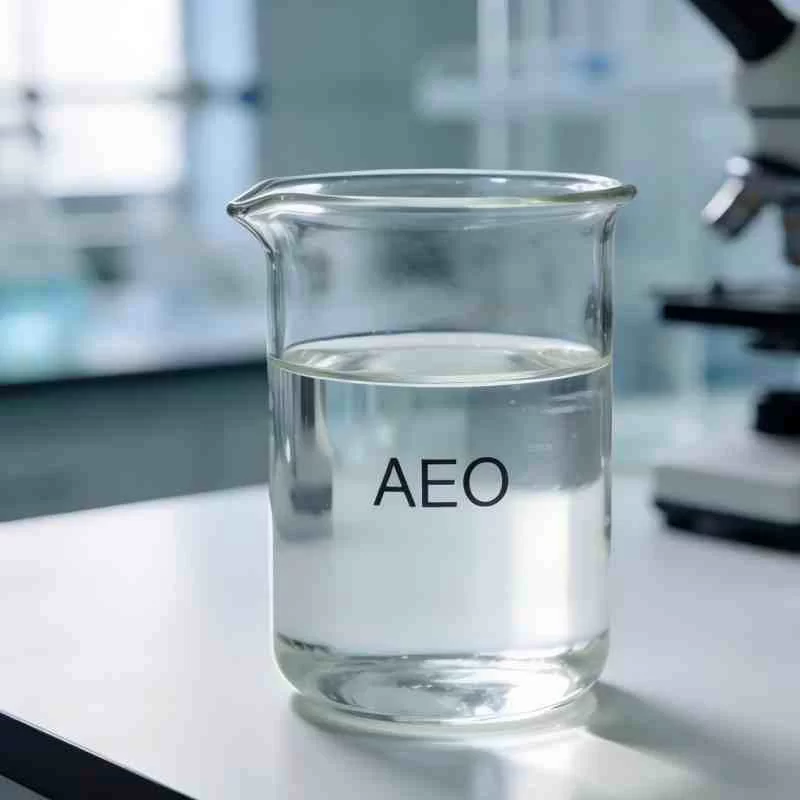
Product keywords : Sodium cyanide Activated carbon Silver Mercury

Calcium Hypochlorite Solutions for Industrial Applications in Japan

Providing high-quality inorganic salts for diverse industries across Japan.

Current Status of Inorganic Salt Manufacturing in Japan

An overview of the inorganic salt industry landscape in Japan.

Japan’s inorganic salt manufacturing sector is heavily influenced by its stringent quality control standards and focus on high-purity products. The industry serves a wide range of sectors including water treatment, pharmaceuticals, and specialized chemical manufacturing. Demand for activated carbon is increasing due to stringent environmental regulations.

Geographically, manufacturing is concentrated in coastal areas to facilitate easy access to raw materials like seawater used in the production of salts like calcium hypochlorite. Japan's aging population and shrinking workforce present challenges in maintaining production capacity and driving innovation within the sector. The need for sustainable practices is also growing.

The Japanese market demands products compliant with rigorous safety and environmental regulations. Companies are increasingly investing in advanced manufacturing technologies to meet these demands. Competition is intense, with both domestic and international players vying for market share. The demand for aluminum sulfate, for example, is consistently high due to its application in water purification.
Historical Development and Trends in Inorganic Salt Production in Japan

Tracing the evolution of inorganic salt manufacturing in Japan.

Market Development History

Historically, Japan's inorganic salt production was largely focused on basic salts for agricultural and traditional industries. Post-World War II, the sector experienced significant growth with the rise of industrialization and demand for chemicals in various manufacturing processes. The 1970s saw a shift towards higher purity and specialized salt products.

The 1990s and 2000s were marked by increased environmental awareness and stricter regulations, leading to the adoption of cleaner production technologies. The introduction of advanced membrane technologies for salt purification improved product quality and reduced waste. Benzoic acid demand rose with the growth of the food processing industry.

More recently, the focus has shifted toward sustainability and resource efficiency. Companies are actively exploring methods for recovering valuable materials from waste streams and reducing their carbon footprint. Digitalization and automation are becoming increasingly prevalent in the manufacturing process.

Future Development Trends

Advanced Purification Techniques

Expect to see greater adoption of advanced purification techniques like ion exchange and reverse osmosis to produce ultra-pure salts for specialized applications.

Sustainable Production Processes

Increased emphasis on sustainable production processes, including the use of renewable energy and the development of closed-loop systems to minimize waste.

Smart Manufacturing and Automation

Implementation of smart manufacturing technologies, such as AI-powered process control and predictive maintenance, to optimize production efficiency and reduce costs.

Industry Trends and Future Outlook for Inorganic Salts in Japan

Predicting the future of the inorganic salt industry in Japan.

Growing Demand for High-Purity Salts
Increasing demand from the electronics and pharmaceutical sectors for ultra-pure inorganic salts.
Focus on Sustainable Sourcing
Growing preference for suppliers with demonstrable commitment to sustainable sourcing and environmental responsibility.
Increased Automation & Digitalization
Greater investment in automation and digitalization to improve efficiency and reduce labor costs.
Expanding Applications in New Technologies
Inorganic salts are finding new applications in emerging technologies like battery storage and advanced materials.

Industry Outlook

The Japanese inorganic salt industry is expected to experience moderate growth in the coming years, driven by demand from high-growth sectors like electronics and pharmaceuticals. Sustainability will be a key factor for success, with companies that invest in eco-friendly production processes gaining a competitive advantage.

The market will likely see increased consolidation as companies seek to achieve economies of scale and strengthen their market position. Collaboration and partnerships will also be crucial for driving innovation and addressing the challenges of an aging workforce.

Local Application Scenarios in Japan

Specific applications of inorganic salts in Japan's industrial landscape.

1. Water Treatment in Coastal Cities

Japan's extensive coastline and reliance on seawater desalination drives significant demand for calcium hypochlorite for water disinfection. Particularly crucial in densely populated coastal cities like Yokohama and Osaka.

2. Semiconductor Manufacturing in Kyushu

The Kyushu region is a major hub for semiconductor manufacturing. High-purity inorganic salts are essential for etching and cleaning processes during chip production.

3. Pharmaceutical Production in Kansai Region

The Kansai region boasts a robust pharmaceutical industry requiring high-grade benzoic acid as a preservative and intermediate in drug synthesis. Strict quality controls are paramount.

4. Paper Manufacturing in Hokkaido

Hokkaido’s paper industry utilizes aluminum sulfate as a sizing agent to improve paper quality and water resistance. Demand remains consistent due to the region's paper mills.

5. Food Processing Industry Throughout Japan

Xanthan gum is widely used in the Japanese food industry as a thickening and stabilizing agent in sauces, dressings, and baked goods. Demand is driven by the country's preference for high-quality, processed foods.

Brand Story

Shandong Jiuzhou Chemical Co., Ltd. Global Development Journey

Founding Principles

Established with a commitment to providing reliable, high-quality inorganic salts to meet the evolving needs of industries worldwide.

Technological Advancement

Continuous investment in R&D and advanced manufacturing technologies to enhance product purity and process efficiency.

Global Expansion

Strategic expansion into key international markets, including Japan, to serve a broader customer base.

Sustainability Commitment

Dedicated to implementing sustainable production practices and minimizing our environmental impact.

Customer Focus

Prioritizing customer satisfaction through personalized service, technical support, and reliable product delivery.

Frequently Asked Questions - Japan

Addressing common questions about our products and services in Japan.

What is the typical lead time for calcium hypochlorite delivery to Tokyo?

Typical lead time to Tokyo is 7-10 business days, depending on order volume and customs clearance.

Do you offer benzoic acid products compliant with Japanese food grade standards?

Yes, we offer benzoic acid products that meet and exceed Japanese food grade standards and regulations.

What certifications do you have for aluminum sulfate used in water treatment?

We are ISO 9001 certified and our aluminum sulfate products are compliant with relevant water treatment standards in Japan.

Can you provide technical data sheets (TDS) for xanthan gum in Japanese?

Yes, we can provide TDS for xanthan gum in Japanese upon request. Please contact our sales team.

What is your minimum order quantity (MOQ) for activated carbon shipments to Japan?

Our MOQ for activated carbon shipments to Japan depends on the specific grade and packaging. Contact us for details.

Do you offer custom packaging options for inorganic salts shipped to Japanese customers?

Yes, we can accommodate custom packaging requests to meet the specific needs of our Japanese customers.

Contact Us Today

Partner with us for reliable inorganic salt solutions in Japan. We serve clients across the nation, from Hokkaido to Okinawa.

Contact Us Now

If you are interested in our products, you can choose to leave your information here, and we will be in touch with you shortly.