
Product keywords : Sodium cyanide Activated carbon Silver Mercury

Uganda's Premier Aluminum Sulfate Solutions

Providing high-quality chemical raw materials for diverse industrial applications across Uganda.

Current State of Inorganic Salt Manufacturing in Uganda

An overview of the challenges and opportunities in Uganda’s inorganic salt sector.

Uganda's chemical industry, specifically inorganic salt manufacturing, is experiencing growth driven by increasing demand from water treatment, agriculture, and the food processing sectors. The country’s reliance on imports for many key chemical raw materials, including calcium hypochlorite and aluminum sulfate, presents both a challenge and an opportunity for local production. Infrastructure limitations and access to consistent power supply remain significant hurdles.

The Ugandan climate, characterized by a tropical rainforest climate, impacts storage and transportation of these chemicals, requiring specialized handling and warehousing. Recent investments in infrastructure projects, particularly in transportation networks, are gradually improving logistics. The burgeoning agricultural sector, a cornerstone of the Ugandan economy, is a significant consumer of products like xanthan gum for soil conditioning and benzoic acid as a preservative.

The Ugandan government is actively promoting local manufacturing through incentives and investment policies, aiming to reduce import dependence and create employment opportunities. Despite these efforts, the sector faces competition from cheaper imports, necessitating a focus on product quality and competitive pricing. Growing environmental awareness is driving demand for sustainable chemical solutions, including activated carbon for water purification.
Evolution of Inorganic Salt Manufacturing in Uganda

Tracing the development of the chemical industry in Uganda.

Market Development History

Prior to the 1990s, Uganda’s chemical industry was largely limited to basic fertilizer production. The liberalization of the economy in the 1990s opened the door for private sector investment and the gradual introduction of a wider range of chemical products. The early 2000s witnessed a rise in demand for water treatment chemicals, driving the importation of calcium hypochlorite and aluminum sulfate.

Between 2010 and 2020, the food and beverage industry experienced significant growth, creating demand for preservatives like benzoic acid. Simultaneously, the agricultural sector began utilizing specialty chemicals such as xanthan gum for crop enhancement. This period also saw the initial development of local blending and packaging facilities for imported chemicals.

Recent years have seen increasing focus on sustainability and environmental protection, leading to growing interest in activated carbon for water and air purification. Digitalization and automation are slowly being adopted to improve efficiency and quality control in the chemical manufacturing process.

Future Development Trends

Demand for Specialized Chemicals

The demand for specialized chemicals tailored to specific industries (e.g., pharmaceuticals, textiles) will increase, driven by the diversification of the Ugandan economy.

Local Production Capacity Expansion

Investment in local production facilities for key inorganic salts will grow, reducing import dependence and creating employment opportunities.

Sustainability and Green Chemistry

The adoption of sustainable manufacturing practices and the development of environmentally friendly chemical solutions will gain momentum.

Industry Trends and Future Outlook for Chemical Manufacturing in Uganda

A forward-looking perspective on the chemical industry in Uganda.

Growing Water Treatment Demand
Increasing population and industrialization are driving demand for water treatment chemicals like calcium hypochlorite and aluminum sulfate, presenting significant growth opportunities.
Agricultural Sector Expansion
The growth of Uganda's agricultural sector will drive demand for soil conditioners like xanthan gum and preservatives for agricultural produce.
Increased Environmental Regulations
Stricter environmental regulations will drive demand for eco-friendly chemical solutions, such as activated carbon for pollution control.
Import Substitution
Government initiatives to promote local manufacturing will lead to import substitution, boosting the domestic chemical industry.

Industry Outlook

The Ugandan chemical industry is poised for continued growth over the next 3-5 years. Key drivers include increasing industrialization, a growing population, and government support for local manufacturing. Companies that prioritize quality, sustainability, and customer service will be best positioned to succeed. The demand for specialized chemicals and environmentally friendly solutions will also present significant opportunities.

The long-term outlook is positive, but challenges remain. Addressing infrastructure gaps, improving access to finance, and fostering a skilled workforce are crucial for sustained growth. Collaboration between government, industry, and academia will be essential to unlock the full potential of Uganda’s chemical industry.

Local Application Scenarios for Chemical Raw Materials in Uganda

Exploring how our products are used across various Ugandan industries.

1. Water Purification in Kampala

The National Water and Sewerage Corporation (NWSC) in Kampala utilizes activated carbon to remove contaminants and improve the quality of drinking water for the city’s residents, ensuring public health and safety.

2. Coffee Preservation in Bundibugyo

Coffee farmers in Bundibugyo district use benzoic acid as a preservative to maintain the quality and shelf life of their coffee beans, enabling them to access wider markets and maximize their profits.

3. Sugar Refining in Kakira

The Kakira Sugar Works, one of Uganda’s largest sugar producers, employs aluminum sulfate in the sugar refining process to clarify the sugar juice and remove impurities, resulting in high-quality refined sugar.

4. Oil Drilling in the Albertine Graben

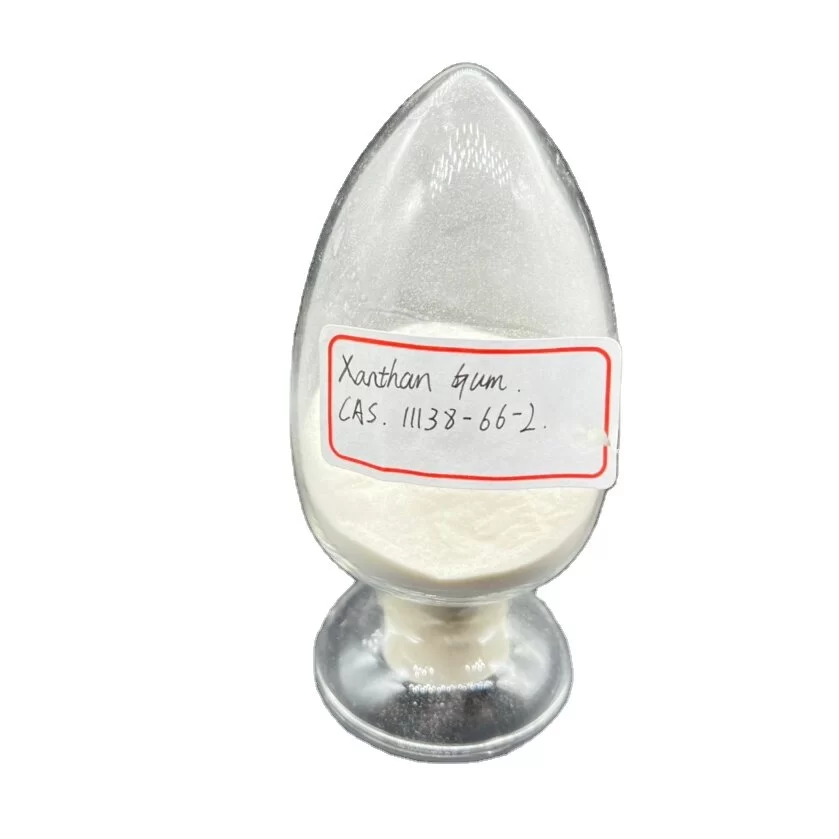
Oil companies operating in the Albertine Graben utilize xanthan gum as a drilling fluid additive to control viscosity and prevent fluid loss during oil extraction operations, enhancing efficiency and productivity.

5. Industrial Disinfection in Food Processing Plants

Food processing plants across Uganda use calcium hypochlorite for effective disinfection of equipment and surfaces, maintaining hygienic standards and ensuring food safety.

Brand Story

Shandong Jiuzhou Chemical Co., Ltd.'s global development journey

Our Commitment to Quality

Founded on a bedrock of innovation and quality, Shandong Jiuzhou Chemical has relentlessly pursued excellence in chemical manufacturing.

Expanding Global Reach

Over the past decade, we’ve expanded our reach to serve clients across the globe, delivering consistent quality and reliable supply.

Focus on Sustainability

We are dedicated to sustainable practices, minimizing our environmental impact and promoting responsible chemical handling.

Partnership with Uganda

We are committed to supporting the growth of Uganda's industrial sector by providing high-quality chemical solutions and reliable supply.

Our Mission

To empower Ugandan industries with superior chemical raw materials, fostering sustainable growth and innovation.

Frequently Asked Questions – Uganda Market

Addressing common questions about our products and services in Uganda.

What is the typical lead time for delivery of aluminum sulfate to Kampala?

The typical lead time for delivery of aluminum sulfate to Kampala is 7-14 business days, depending on order volume and customs clearance procedures.

Do you provide technical support for the application of xanthan gum in agricultural settings?

Yes, we offer comprehensive technical support, including guidance on optimal dosage rates and application methods for xanthan gum in various agricultural applications.

What are the storage requirements for calcium hypochlorite in Uganda's climate?

Calcium hypochlorite should be stored in a cool, dry, and well-ventilated area, away from direct sunlight and moisture. Proper packaging is essential to prevent degradation in Uganda’s humid climate.

Is your benzoic acid product food-grade and certified for use in the food industry?

Yes, our benzoic acid meets food-grade standards and is certified for use in the food industry, complying with relevant international regulations.

What safety precautions should be taken when handling activated carbon?

Activated carbon dust can be irritating to the respiratory system. We recommend wearing a dust mask and gloves when handling the product. Ensure adequate ventilation in the work area.

Do you offer customized packaging options for bulk orders of chemicals?

Yes, we offer customized packaging options to meet the specific requirements of our clients, including different bag sizes, palletization, and labeling.

Get in Touch with Us Today

Partner with a trusted chemical supplier in Uganda. We are dedicated to providing quality chemical solutions tailored to your unique needs in Africa - Uganda.

Contact Us Now

If you are interested in our products, you can choose to leave your information here, and we will be in touch with you shortly.