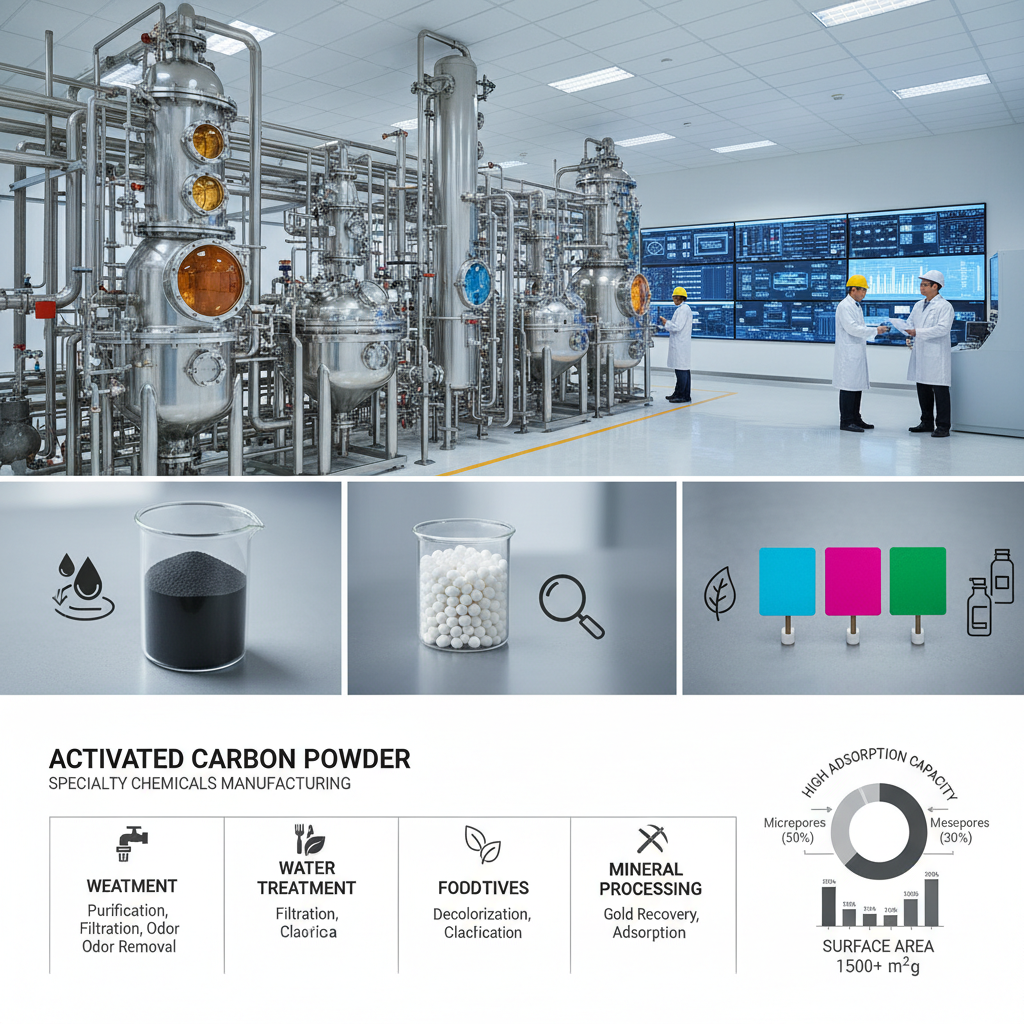
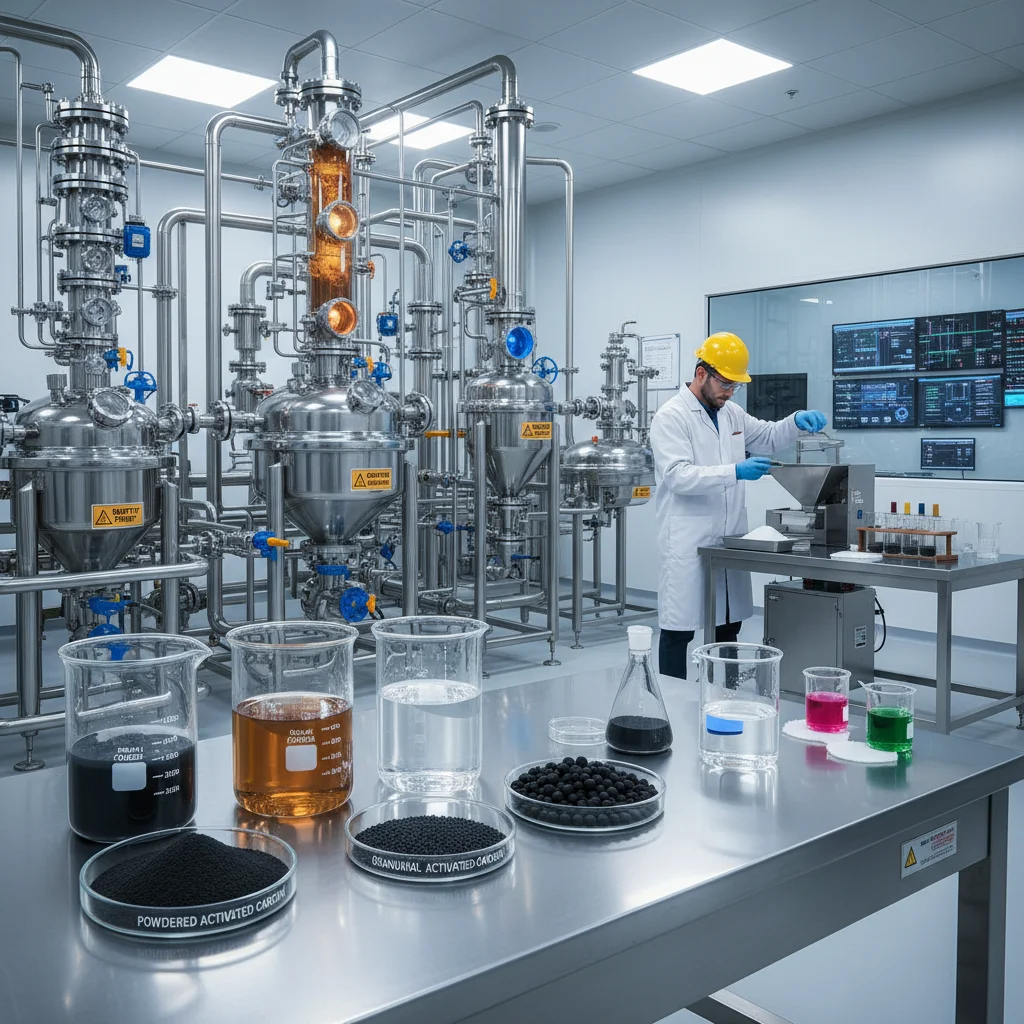
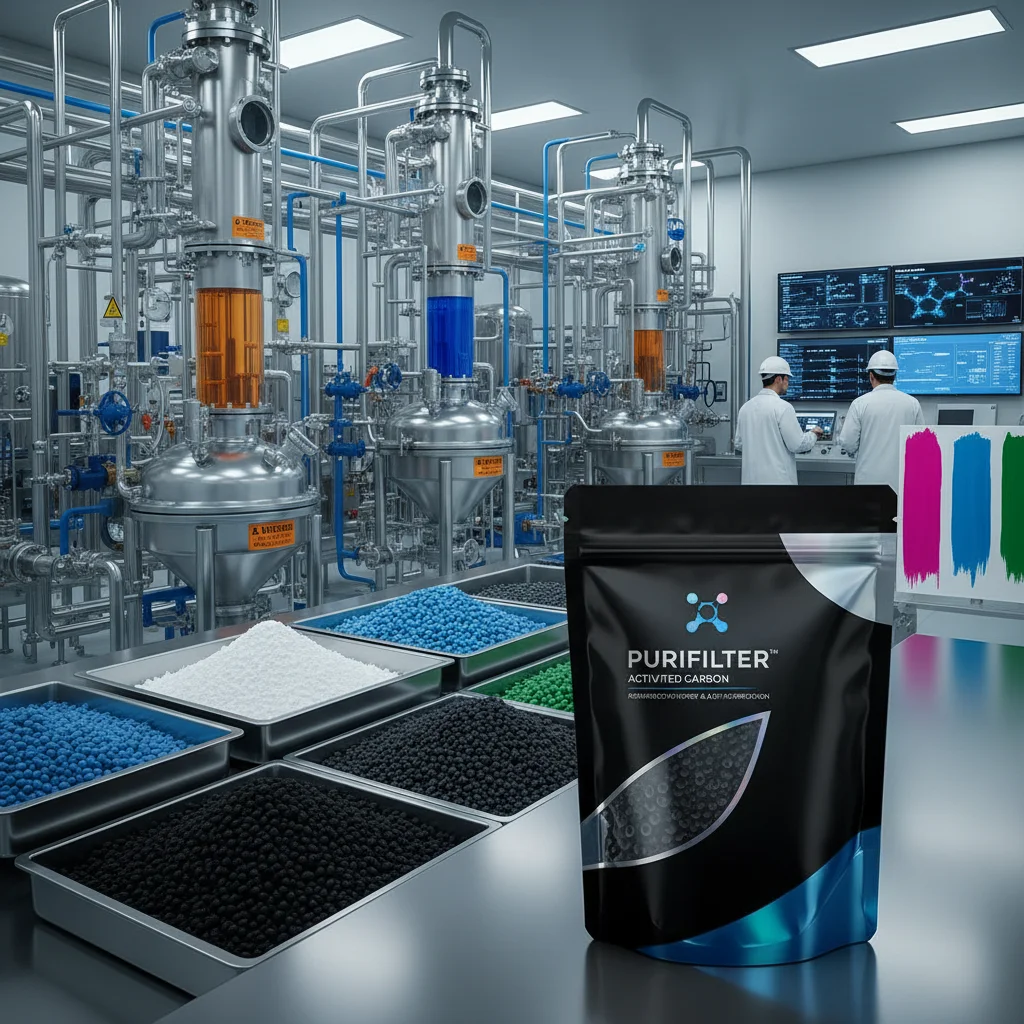
Activated carbon powder – it’s more than just a black dust. I’ve spent years on construction sites, seen it used in everything from air filtration systems in confined spaces to wastewater treatment for remote projects. It's a workhorse material. Understanding its properties isn't just about lab specs, it’s about knowing how it behaves in the real world. It's a relatively inexpensive solution for some pretty big problems, and that’s what makes it so vital across so many industries.
The demand for effective purification and filtration is only growing. From increasingly strict environmental regulations to the need for cleaner air and water in developing nations, activated carbon powder is consistently called upon. I've seen firsthand the impact on project timelines and budgets when choosing the right grade and source. It's a cornerstone of modern industrial processes, and getting it right saves money, time, and potential headaches down the line.
The beauty of activated carbon powder lies in its versatility. You’re not just looking at a single material, but a range of options tailored to specific applications. Whether it's removing contaminants from drinking water in a remote drilling camp, or tackling odor control in a wastewater plant, choosing the correct powder is crucial. The global scale of these needs – everything from municipal water treatment to specialized industrial processes – is frankly immense.
The Core Versatility of activated carbon powder
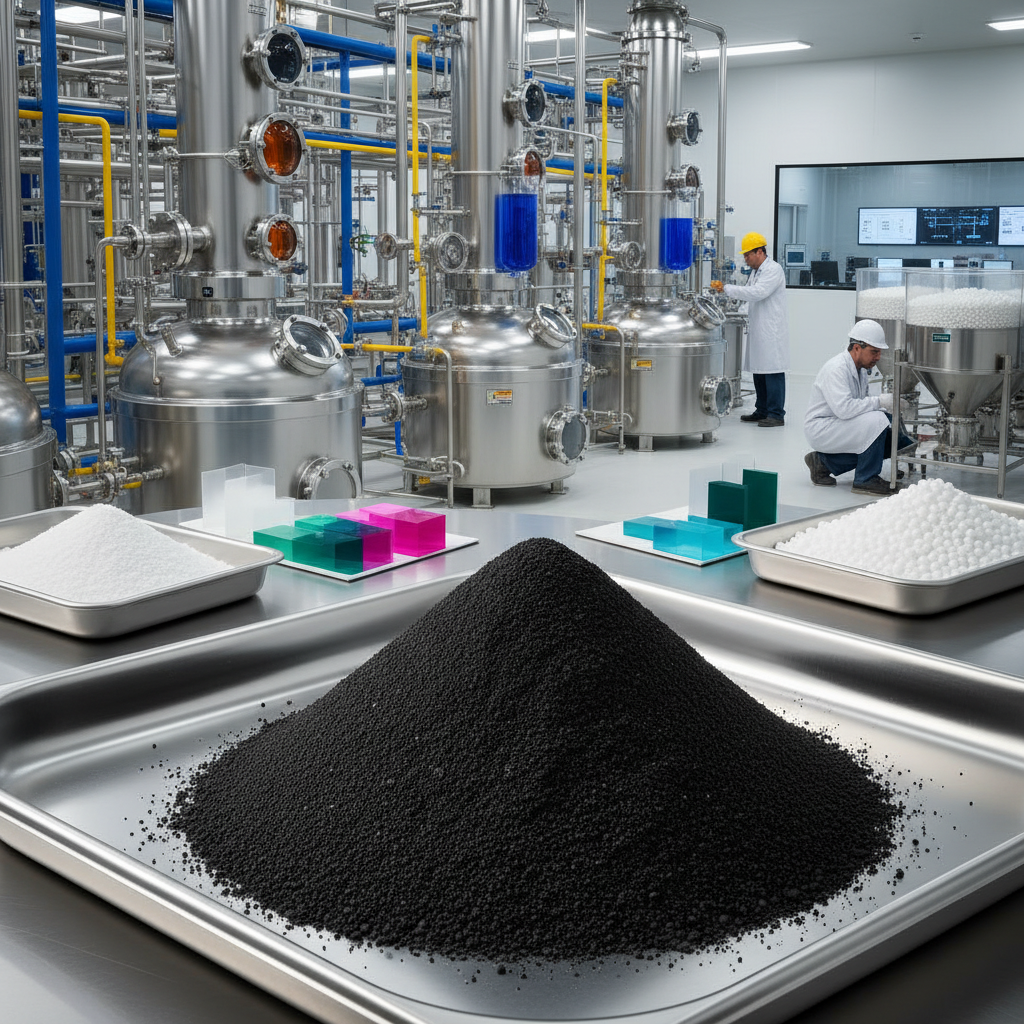
What strikes me most after all these years is just how adaptable this stuff is. It's not a one-size-fits-all product; the manufacturing process, the source material, even the particle size all influence its performance. I've seen it tailored for gold recovery, solvent purification, even specialized gas masks. We use different grades of activated carbon powder for different stages of purification; what works for initial filtration won’t necessarily work for final polishing.
The real skill is understanding the specific contaminant you're dealing with and matching the activated carbon powder to the task. It's about maximizing surface area and pore size to achieve the most effective adsorption. It's a deceptively simple concept with a lot of nuance.
Global Significance and Applications
The need for clean water and air isn’t limited by borders. I've worked on projects in Southeast Asia, South America, and Africa where reliable water purification isn’t a given. Activated carbon powder plays a critical role in these situations. The UN estimates that billions lack access to safe drinking water, and technologies like activated carbon are essential in bridging that gap. It’s not just about survival; it’s about public health and economic development.
You see it everywhere: municipal water treatment plants, industrial effluent control, even in the food and beverage industry to decolorize and purify products. The World Bank invests heavily in wastewater treatment infrastructure globally, and activated carbon is a common component. It's a quiet, often unseen technology that underpins a huge amount of modern life.
From a logistical standpoint, its relatively lightweight nature compared to some other filtration media makes it easier to transport and deploy to remote locations. That's a big win when you're setting up a temporary treatment facility in a challenging environment. The consistent performance, even under harsh conditions, is what sets it apart.
Defining activated carbon powder: More Than Just a Filter
In its simplest form, activated carbon powder is carbon that has been processed to be extremely porous, significantly increasing its surface area. This massive surface area is what allows it to adsorb – not absorb – impurities from liquids and gases. Think of it like a sponge with millions of microscopic holes. I’ve always likened it to a molecular trap.
The “activation” process is key. It typically involves heating the carbon source (coal, wood, coconut shells are common) to high temperatures and then exposing it to an activating agent, like steam or chemicals. This creates the intricate pore structure that gives activated carbon its adsorptive properties. Understanding the activation method is important for predicting performance in specific applications.
It’s not just about removing things. In some applications, like solvent recovery, it’s about capturing valuable materials. That’s where the selectivity of the carbon comes into play – choosing the right type of activated carbon powder to target specific molecules.
Key Performance Characteristics
A few things I always look at when spec’ing activated carbon powder: particle size, hardness, and iodine number. Particle size affects flow rate and pressure drop in filtration systems. Smaller particles offer more surface area, but can clog filters more easily. Hardness, or attrition resistance, is crucial in applications with significant agitation or turbulence. You don't want the powder breaking down and releasing carbon fines into the system.
The iodine number is a measure of the carbon’s adsorptive capacity – the higher the number, the more iodine it can adsorb, and generally, the more effective it is at removing other contaminants. But it's not the whole story. We often run bench-scale tests with real-world samples to verify performance before committing to a large order.
Adsorption Capacity of Different activated carbon powder Types
Real-World Applications Across Industries
I’ve seen it used in everything from pharmaceutical manufacturing – purifying APIs – to the food processing industry, where it's used to remove unwanted colors and odors. In the oil and gas sector, it’s critical for removing mercaptans and other sulfur compounds. I even witnessed it being employed to clean up industrial spills, adsorbing harmful pollutants from the soil.
Its use in air purification is equally widespread. HVAC systems, respirators, and even cabin air filters in vehicles often incorporate activated carbon powder to remove volatile organic compounds (VOCs) and other airborne contaminants. Its ability to address diverse pollutants makes it a truly versatile material.
Long-Term Benefits and Sustainability
Beyond the immediate purification benefits, activated carbon powder can contribute to long-term sustainability. By enabling the recovery of valuable resources, like solvents, it reduces waste and promotes a circular economy. It's also relatively inexpensive compared to some other purification technologies, making it accessible to a wider range of industries and applications.
The environmental impact of producing activated carbon is a concern, and there's a growing emphasis on using sustainable source materials and more energy-efficient activation processes. Companies are exploring using agricultural waste as a feedstock, which can reduce reliance on fossil fuels and minimize carbon footprint.
Future Trends and Challenges
We’re seeing a lot of research into developing activated carbon powder with enhanced selectivity – tailoring the pore structure to target specific contaminants. Nanotechnology is playing a role, with researchers exploring the use of nanoscale activated carbon particles for improved adsorption. Digital monitoring of carbon performance is also gaining traction, allowing for real-time optimization of filtration systems.
One challenge is dealing with spent activated carbon. It can’t be simply discarded; it needs to be regenerated or disposed of responsibly. Thermal regeneration is common, but it’s energy-intensive. Developing more sustainable regeneration methods, or finding alternative uses for spent carbon, is a priority.
The demand for higher purity and more stringent environmental regulations will continue to drive innovation in this field. It’s a dynamic area, and staying ahead of the curve requires constant learning and adaptation.
Summary of Activated Carbon Powder Performance Factors
| Source Material |
Activation Method |
Pore Size Distribution |
Typical Application |
| Coal |
Steam Activation |
Broad |
Wastewater Treatment |
| Wood |
Chemical Activation (H3PO4) |
Narrow |
Air Purification |
| Coconut Shell |
Steam Activation |
Medium |
Drinking Water Purification |
| Anthracite |
Chemical Activation (KOH) |
Wide |
Solvent Recovery |
| Peat |
Steam Activation |
Variable |
Soil Remediation |
| Agricultural Waste |
Hydrothermal Carbonization |
Broad |
Emerging Applications |
FAQS
It’s not about finding the "best," it's about finding the right one. I always recommend starting with a water analysis to identify the specific contaminants present. Then, you need to consider the characteristics of the activated carbon powder – pore size, surface area, and activation method. Bench-scale testing with real water samples is crucial; don’t rely solely on manufacturer specifications.
That depends entirely on the contaminant load and the flow rate. Monitoring the effluent is key. When the filter starts to lose its effectiveness – meaning contaminants are breaking through – it's time for regeneration or replacement. Regeneration can extend the life of the carbon, but it’s not always feasible, especially in smaller-scale applications. Keep detailed records of performance metrics to predict replacement schedules.
Activated carbon powder primarily removes contaminants through adsorption, not by killing microorganisms. While some viruses and bacteria may be physically trapped within the pores, it's not a reliable method for disinfection. For microbial control, you typically need to combine activated carbon with other treatment technologies like UV sterilization or chlorination.
The production of activated carbon can be energy-intensive and generate greenhouse gas emissions. Sustainable sourcing of raw materials and more efficient activation processes are crucial. Disposal can be problematic – landfilling isn’t ideal. Regeneration is preferred, but spent carbon that can’t be regenerated needs to be disposed of properly, often through incineration.
PAC has a much smaller particle size than GAC. This gives it a larger surface area and faster adsorption rate, but it's more difficult to handle and can create more pressure drop in filtration systems. GAC is easier to handle and is commonly used in fixed-bed filters. The choice depends on the specific application and the desired level of contact between the carbon and the contaminant.
Absolutely. Activated carbon is incredibly effective at removing odors. Odorous compounds have low molecular weights and are readily adsorbed into the pores of the carbon. The large surface area provides ample sites for these molecules to bind, effectively trapping and eliminating the smell. It’s a common application in wastewater treatment and air purification.
Conclusion
Activated carbon powder is a remarkably versatile and essential material, quietly solving critical problems across a vast range of industries. Its ability to purify, filter, and adsorb contaminants makes it indispensable in ensuring access to clean water, clean air, and sustainable industrial processes. Understanding its nuances – the source material, activation method, and key performance characteristics – is crucial for maximizing its effectiveness.
Looking ahead, continued innovation in sustainable production methods, regeneration technologies, and tailored carbon formulations will be vital. The demand for effective and environmentally responsible purification solutions will only increase, cementing activated carbon powder’s role as a cornerstone of a healthier and more sustainable future.