The global demand for high-purity filtration and purification has catapulted the role of activated carbon suppliers into a position of critical importance. From ensuring the safety of municipal drinking water to the precision refining of chemicals in the pharmaceutical industry, these suppliers provide the essential porous media required to capture organic contaminants and toxins. Understanding the nuances of carbon sourcing is no longer just a procurement task but a strategic necessity for industrial sustainability.
In an era defined by stringent environmental regulations and the global push for "Green Chemistry," the ability of activated carbon suppliers to provide tailored pore-size distributions is paramount. Whether it is microporous carbon for gas-phase adsorption or macroporous variants for wastewater treatment, the quality of the raw material directly dictates the efficiency of the entire purification cycle, affecting both operational costs and environmental compliance.
Navigating the complex landscape of chemical sourcing requires a deep dive into the technical specifications offered by various activated carbon suppliers. By evaluating the iodine value, ash content, and mechanical hardness of the carbon, industries can optimize their filtration systems to achieve maximum throughput with minimum waste, ensuring a reliable supply chain for essential chemicals and consumer goods.

Global Relevance of Activated Carbon Suppliers
The global market for activated carbon is intricately linked to the rise of industrialization and the subsequent need for environmental remediation. According to trends aligned with ISO 14001 standards, the demand for high-efficiency adsorption media has surged as nations strive to meet strict emission limits. activated carbon suppliers act as the first line of defense in pollution control, providing the materials necessary to strip VOCs (Volatile Organic Compounds) from air and heavy metals from effluent.
Beyond pollution, the strategic importance of these suppliers is evident in the pharmaceutical and food sectors. The requirement for ultra-pure ingredients means that any impurity can lead to batch failure or health risks. By leveraging advanced activation processes—whether chemical or thermal—leading activated carbon suppliers ensure that the global supply chain for refined chemicals remains stable and safe.
Defining the Role of Activated Carbon Suppliers
In simple commercial terms, activated carbon suppliers are specialized chemical entities that produce and distribute carbonaceous materials with high porosity and an expansive internal surface area. Through a process called "activation," the carbon is treated to open up millions of tiny pores, creating a molecular sieve capable of trapping specific contaminants through van der Waals forces.
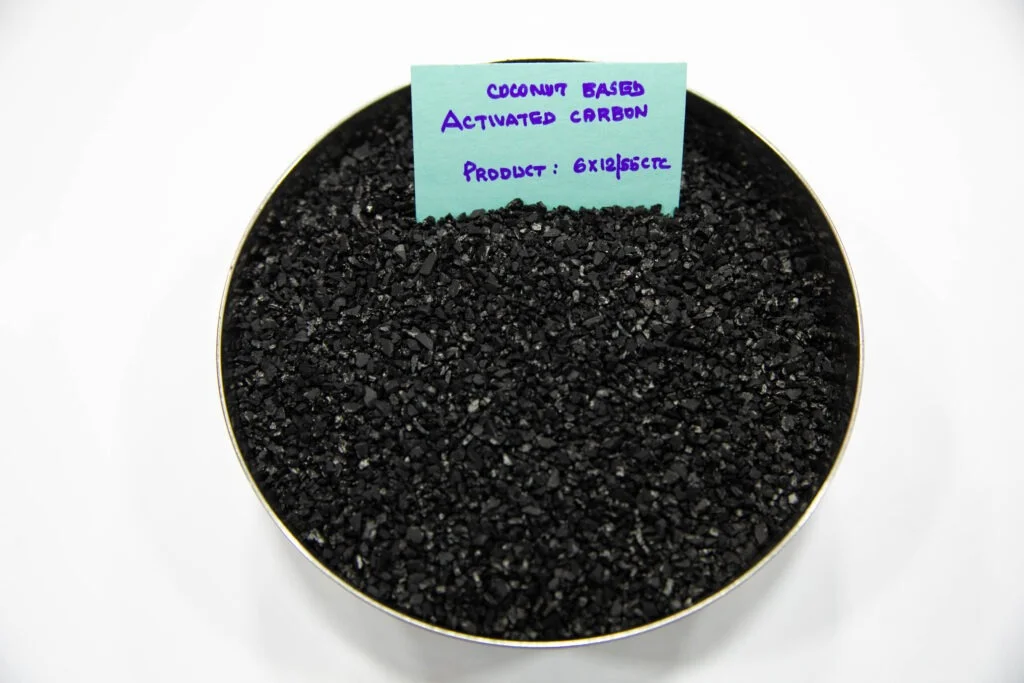
This role extends far beyond mere distribution. A professional supplier acts as a technical consultant, helping clients choose between coal-based, coconut-shell, or wood-based carbons depending on the molecular weight of the target contaminant. This technical synergy is what allows modern water treatment plants to operate efficiently and ensures that food additives are free from unwanted odors or colors.
Ultimately, these suppliers bridge the gap between raw biomass or mineral resources and high-tech industrial applications. By transforming raw materials into high-value adsorbents, activated carbon suppliers support the fundamental humanitarian need for clean water and the industrial need for high-purity chemical reagents.
Core Components of Quality Carbon Sourcing
When evaluating activated carbon suppliers, the first critical factor is "Adsorption Capacity," often measured by the Iodine Value. This parameter indicates the carbon's ability to adsorb small molecules, which is essential for air purification and the removal of low-molecular-weight organics from water.
Secondly, "Mechanical Hardness" and "Attrition Resistance" are vital. In high-pressure industrial columns, carbon granules that crumble easily create "fines" that clog the system. Reliable activated carbon suppliers utilize high-temperature activation to ensure the structural integrity of the granules, reducing the frequency of bed replacements.
Finally, "Purity and Ash Content" determine the suitability for food-grade or pharmaceutical applications. Excess ash can leach minerals back into the purified product, defeating the purpose of the process. Top-tier activated carbon suppliers implement rigorous washing and acidification steps to ensure the final product meets the most stringent purity standards.
Global Applications and Industrial Use Cases
The versatility of materials provided by activated carbon suppliers allows them to be integrated into a vast array of sectors. In the gold mining industry, for instance, activated carbon is used in the Carbon-in-Pulp (CIP) process to recover gold from cyanide leach solutions, making it an indispensable component for mineral processing.
In urban contexts, particularly in megacities across Asia and Europe, activated carbon is the backbone of advanced wastewater treatment plants. By removing micropollutants and endocrine disruptors that traditional biological treatments miss, these carbon-based systems protect local ecosystems and ensure that recycled water is safe for agricultural use.
Performance Comparison of Different Activated Carbon Supplier Methods
Long-Term Value and Sustainability Benefits
Partnering with sustainable activated carbon suppliers offers tangible economic and environmental benefits. One of the most significant value-adds is the implementation of "Carbon Regeneration" services. Instead of disposing of spent carbon, which contributes to landfill waste, advanced suppliers can thermally reactivate the material, restoring its pore structure and reducing the lifetime cost of ownership.
Beyond the bottom line, there is a profound social impact. By providing the means to purify water in remote industrial zones or post-disaster relief areas, activated carbon suppliers contribute to global health and dignity. The reliability of a high-quality carbon supply ensures that safety standards are not compromised, fostering trust between industrial operators and the communities they serve.
Future Innovations in Carbon Adsorption
The next generation of activated carbon suppliers is shifting toward the development of "functionalized" carbons. By doping the carbon surface with specific nitrogen or oxygen groups, suppliers can create "selective" adsorbents that target only specific toxic molecules while ignoring harmless ones, vastly increasing the bed life and efficiency of filtration systems.
Digital transformation is also hitting the carbon industry. We are seeing the rise of "Smart Monitoring" integrated with carbon beds, where sensors alert the user the exact moment the carbon is saturated. This prevents "breakthrough," where contaminants leak into the final product, and allows activated carbon suppliers to provide just-in-time delivery of replacement media.
Furthermore, the push toward bio-based economy is leading to the use of agricultural waste—such as rice husks or coconut shells—as primary precursors. This move not only reduces the reliance on coal-based carbon but also creates a circular economy where waste from one industry becomes the critical purification tool for another.
Overcoming Challenges in Carbon Procurement
A common challenge when dealing with activated carbon suppliers is the inconsistency of raw material quality. Because carbon is often derived from natural biomass, the pore structure can vary between batches. To solve this, professional suppliers now employ rigorous batch-testing and provide a detailed Certificate of Analysis (CoA) for every shipment, ensuring consistency in industrial processes.
Another limitation is the logistical cost associated with the bulkiness of activated carbon. To mitigate this, leading activated carbon suppliers have optimized their packaging—using high-density super-sacks and strategic regional warehousing—to reduce lead times and lower the overall carbon footprint of the shipping process.
Finally, the issue of spent carbon disposal remains a hurdle. The innovative solution lies in the "Closed-Loop Supply" model, where the supplier takes back the spent material for reactivation. This approach not only solves the waste problem but also creates a long-term, symbiotic relationship between the supplier and the end-user.
Technical Analysis of Activated Carbon Supplier Material Types
|
Precursor Material
|
Primary Pore Size
|
Best Application
|
Hardness Rating (1-10)
|
| Coconut Shell |
Microporous |
Water Purification/Gold Recovery |
9 |
| Bituminous Coal |
Broad spectrum |
Wastewater/Air Treatment |
7 |
| Wood-based |
Macroporous |
Decolorization/Large Molecules |
5 |
| Peat |
Mesoporous |
Specialized Chemical Filtration |
6 |
| Almond Shell |
Microporous |
Food & Beverage Purification |
8 |
| Bamboo |
Variable |
Eco-friendly Air Filters |
6 |
FAQS
When selecting among activated carbon suppliers, you should first identify your target contaminant size. If you are removing small molecules like chlorine, look for suppliers offering high-iodine coconut shell carbon. If you are treating industrial wastewater with a mix of organic loads, coal-based carbons from versatile suppliers are better. Always request a Certificate of Analysis (CoA) to verify ash content and hardness.
Activated carbon can be regenerated. Many professional activated carbon suppliers offer reactivation services where they heat the spent carbon in a controlled atmosphere to burn off adsorbed contaminants and restore the pore structure. This is significantly more cost-effective and sustainable than purchasing new material and disposing of the old.
Powdered Activated Carbon (PAC) is typically used for batch treatments or added directly to liquids, providing a rapid reaction due to a higher surface area. Granular Activated Carbon (GAC) is used in fixed-bed filters for continuous flow. Leading activated carbon suppliers provide both, depending on whether your process requires immediate action or long-term continuous filtration.
Neither is universally "better"; it depends on the application. Coconut-shell carbon from specialized activated carbon suppliers is superior for removing small molecules and is highly durable. Coal-based carbon has a wider range of pore sizes, making it more effective for larger organic molecules often found in industrial waste streams.
High ash content can reduce the available surface area for adsorption and may introduce unwanted minerals into the purified stream. For pharmaceutical or food-grade applications, you must source from activated carbon suppliers who provide "low-ash" or acid-washed carbons to ensure the highest purity levels and prevent product contamination.
Look for ISO 9001 for quality management and ISO 14001 for environmental standards. If you are in the food or beverage industry, ensure your activated carbon suppliers are NSF certified or comply with FDA regulations. These certifications guarantee that the carbon is produced under controlled conditions and is safe for human consumption contact.
Conclusion
In summary, the strategic selection of activated carbon suppliers is a cornerstone of industrial efficiency, environmental stewardship, and product purity. By focusing on technical parameters such as iodine value, mechanical hardness, and the potential for regeneration, companies can transform a simple consumable into a high-performance asset that ensures regulatory compliance and operational reliability.
As we move toward a more sustainable future, the synergy between innovative material science and responsible sourcing will define the leaders in the chemical industry. We encourage procurement managers and engineers to look beyond the price per ton and consider the long-term value of purity and sustainability. For premium adsorption solutions, visit our website: www.sdjz-chem.com