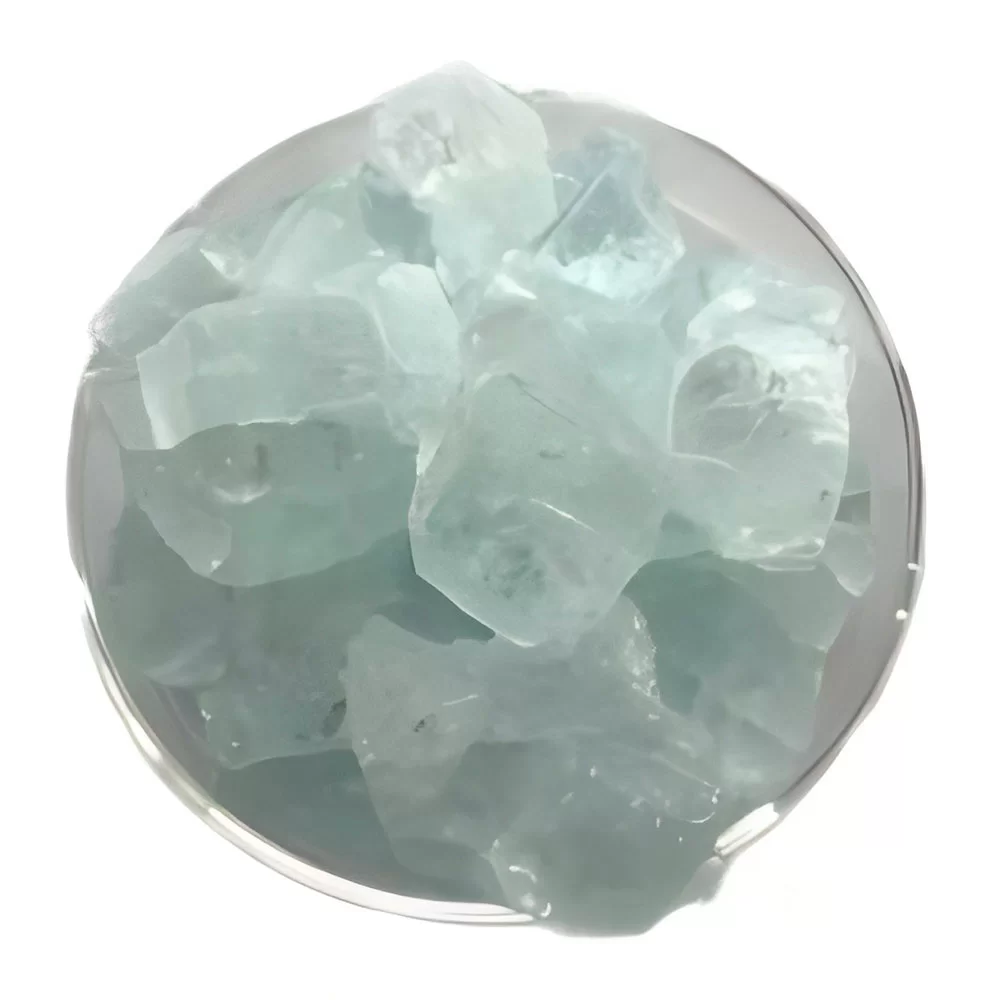
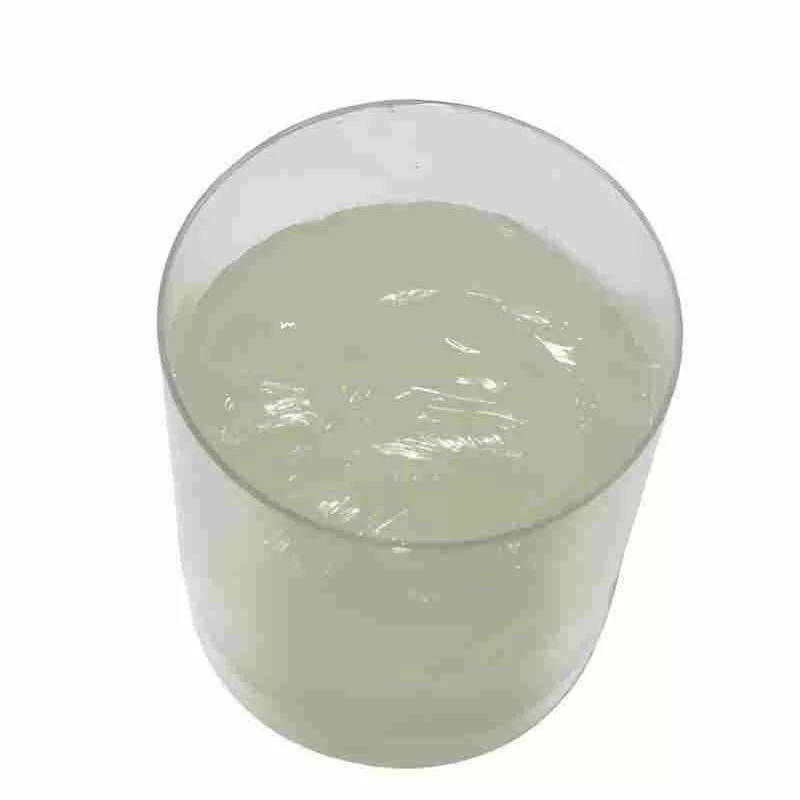
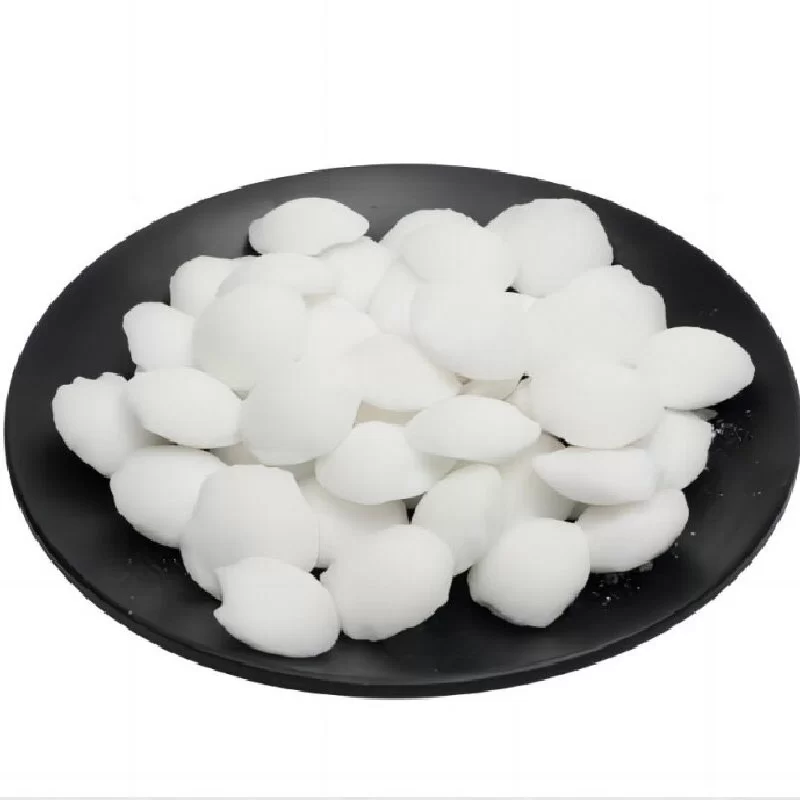
Product keywords : Sodium cyanide Activated carbon Silver Mercury

Uruguay's Premier Aluminum Sulfate Solutions

Providing high-quality chemical products for diverse industrial applications in South America.

The Current Landscape of Inorganic Salt Manufacturing in Uruguay

Analyzing the Uruguayan Market Dynamics and Opportunities.

Uruguay's chemical industry, particularly the inorganic salt sector, is experiencing steady growth driven by the nation's thriving agricultural and industrial base. The demand for chemicals like xanthan gum in the food processing industry and calcium hypochlorite for water treatment is notably increasing. However, the local production capacity remains limited, making Uruguay heavily reliant on imports from neighboring countries like Brazil and Argentina. The country’s commitment to sustainable agriculture is also boosting demand for environmentally friendly chemical solutions.

The Uruguayan climate, characterized by moderate temperatures and ample rainfall, supports significant agricultural activities, creating a constant demand for fertilizers and pesticides that utilize inorganic salts. Logistical challenges, including port infrastructure and transportation networks, present hurdles for efficient chemical distribution. Despite these challenges, Uruguay's stable political environment and favorable investment climate are attracting foreign investment in the chemical sector.

The growing emphasis on environmental regulations is also influencing the market. There’s a rising demand for high-purity chemicals and eco-friendly alternatives, prompting manufacturers to adopt cleaner production processes. Regulations regarding the safe handling and disposal of chemicals are becoming stricter, demanding specialized expertise and infrastructure.
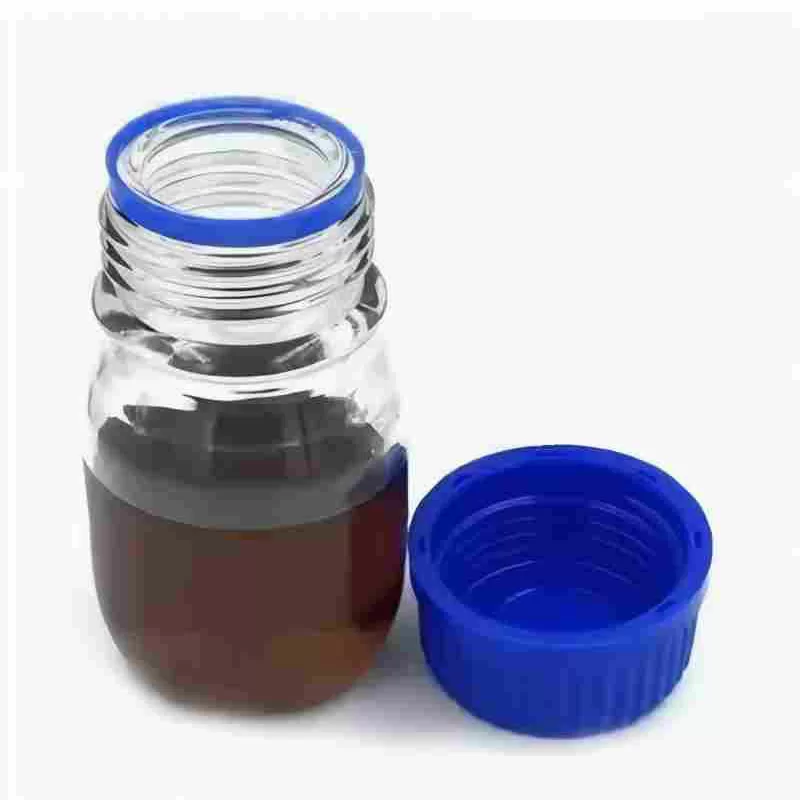
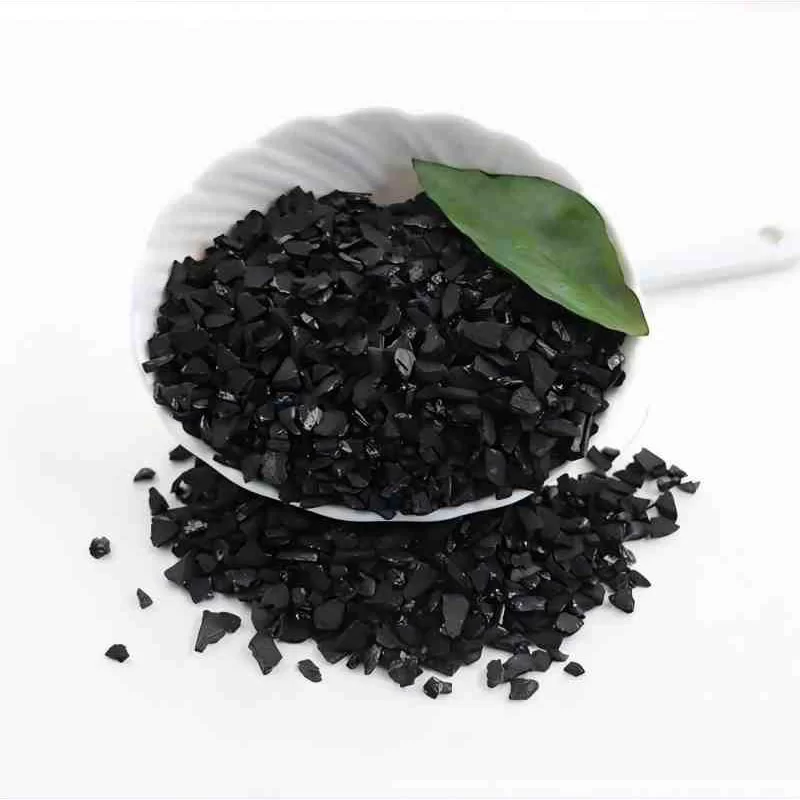
Historical Evolution and Current Trajectory of Inorganic Salt Production in Uruguay

Tracing the Development of the Chemical Industry.

Market Development History

Prior to the 1980s, Uruguay’s chemical industry was largely focused on basic chemical production for domestic consumption. The primary sources of inorganic salts were limited to small-scale operations and imports. The late 20th century witnessed a gradual shift towards more specialized chemical manufacturing, driven by the growth of the agricultural sector.

The 2000s marked a period of increasing industrialization and diversification. The demand for aluminum sulfate in the paper industry and activated carbon in water purification surged. This led to the establishment of several import-based distribution centers and a greater focus on sourcing chemicals from international suppliers.

In recent years (2010-present), Uruguay has experienced a growing emphasis on sustainability and environmental responsibility. This has spurred innovation in the chemical industry, with companies exploring greener production methods and eco-friendly alternatives. The adoption of advanced technologies, such as process automation and quality control systems, has become increasingly prevalent.

Future Development Trends

Growing Demand for Specialized Chemicals

The demand for specialized inorganic salts tailored to specific industrial applications will continue to rise. This trend is driven by the increasing sophistication of Uruguayan industries and their need for high-performance chemical solutions.

Sustainable Chemistry Initiatives

Sustainability will become a central theme in the Uruguayan chemical industry. Companies will invest in cleaner production technologies, waste reduction strategies, and the development of bio-based chemicals.

Digitalization and Automation

The adoption of digital technologies, such as data analytics and artificial intelligence, will revolutionize chemical manufacturing processes, leading to improved efficiency, quality control, and supply chain management.

Industry Trends and Future Outlook for Inorganic Salts in Uruguay

Exploring the Future of Chemical Manufacturing.

Increasing Demand from Agriculture
Uruguay's agricultural sector will continue to be a major driver of demand for inorganic salts, particularly fertilizers and pesticides.
Growth in Water Treatment Applications
Rising concerns about water quality will drive demand for chemicals like calcium hypochlorite used in water purification and sanitation.
Focus on Import Substitution
Uruguay may explore opportunities to increase local production of inorganic salts to reduce reliance on imports and strengthen its chemical industry.
Increased Regulatory Scrutiny
Stricter environmental regulations and safety standards will shape the industry, demanding greater compliance and responsible chemical handling.

Industry Outlook

Over the next 3-5 years, the Uruguayan inorganic salt market is expected to experience moderate to strong growth. This growth will be driven by the expanding agricultural sector, increasing water treatment needs, and a greater focus on sustainability. Companies that can offer innovative, eco-friendly chemical solutions will be well-positioned to succeed in this evolving market.

Collaboration between industry stakeholders, research institutions, and government agencies will be crucial to fostering innovation and ensuring the sustainable development of the Uruguayan chemical industry.

Localized Application Scenarios in Uruguay

Real-World Use Cases for Inorganic Salts.

1. Wine Production and Aluminum Sulfate

Uruguay is renowned for its wine industry, particularly its Tannat varietal. Aluminum sulfate is widely used in winemaking as a clarifying agent, helping to remove impurities and enhance the stability of the wine.

2. Pulp and Paper Industry and Aluminum Sulfate

Uruguay’s pulp and paper industry utilizes significant amounts of aluminum sulfate in the papermaking process to improve paper quality, brightness, and sizing.

3. Water Purification and Calcium Hypochlorite

With growing concerns about water scarcity and quality, calcium hypochlorite is extensively used in municipal water treatment plants throughout Uruguay to disinfect water and eliminate harmful pathogens.

4. Food Processing and Xanthan Gum

The Uruguayan food processing industry, particularly in the production of sauces, dairy products, and baked goods, uses xanthan gum as a thickening agent, stabilizer, and emulsifier.

5. Livestock Farming and Benzoic Acid

The large livestock farming industry in Uruguay utilizes benzoic acid as a preservative in animal feed, preventing spoilage and maintaining nutritional value.

Brand Story

Shandong Jiuzhou Chemical Co., Ltd.'s Global Development Journey

Commitment to Quality

Founded on the principles of unwavering quality, we've consistently delivered inorganic salts meeting the highest international standards.

Global Reach

We've expanded our reach globally, serving diverse industries across continents with reliable supply and expertise.

Sustainable Practices

Dedicated to sustainable manufacturing, we minimize environmental impact through responsible resource management and waste reduction.

Customer-Centric Approach

We prioritize customer satisfaction, providing tailored solutions and responsive support to meet unique needs.

Innovation & R&D

Continuous investment in research and development ensures we remain at the forefront of chemical innovation.

Frequently Asked Questions about Inorganic Salts in Uruguay

Addressing Common Inquiries.

What are the key import regulations for inorganic salts in Uruguay?

Uruguay follows Mercosur trade regulations, which require specific documentation and permits for importing chemicals. Compliance with Uruguayan health and safety standards is also essential.

How does humidity affect the storage of calcium hypochlorite in Uruguay?

Uruguay’s humid climate necessitates storing calcium hypochlorite in airtight, dry containers to prevent degradation and maintain its effectiveness.

What are the best practices for handling aluminum sulfate to ensure worker safety?

Workers handling aluminum sulfate should wear appropriate personal protective equipment (PPE), including gloves, eye protection, and respirators, and follow established safety protocols.

Is there a growing demand for organic alternatives to xanthan gum in Uruguay?

While xanthan gum remains widely used, there's increasing interest in organic alternatives, driven by consumer preferences for natural ingredients.

What is the typical lead time for importing benzoic acid from overseas to Uruguay?

The lead time for importing benzoic acid typically ranges from 4 to 8 weeks, depending on the origin country, shipping route, and customs clearance procedures.

How can I ensure the quality of activated carbon purchased for water purification in Uruguay?

Verify that the activated carbon meets relevant industry standards (e.g., AWWA) and request a certificate of analysis from the supplier to confirm its purity and performance characteristics.

Get in Touch with Us

Partner with a trusted chemical supplier in South America – Uruguay. We are dedicated to delivering quality inorganic salts and exceptional customer service.

Contact Us Now

If you are interested in our products, you can choose to leave your information here, and we will be in touch with you shortly.