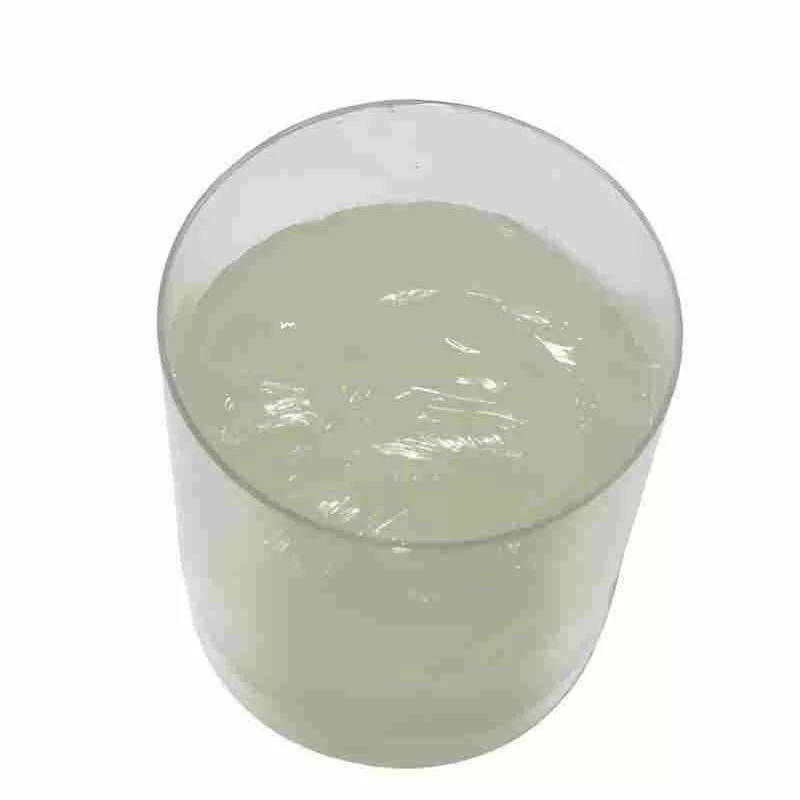
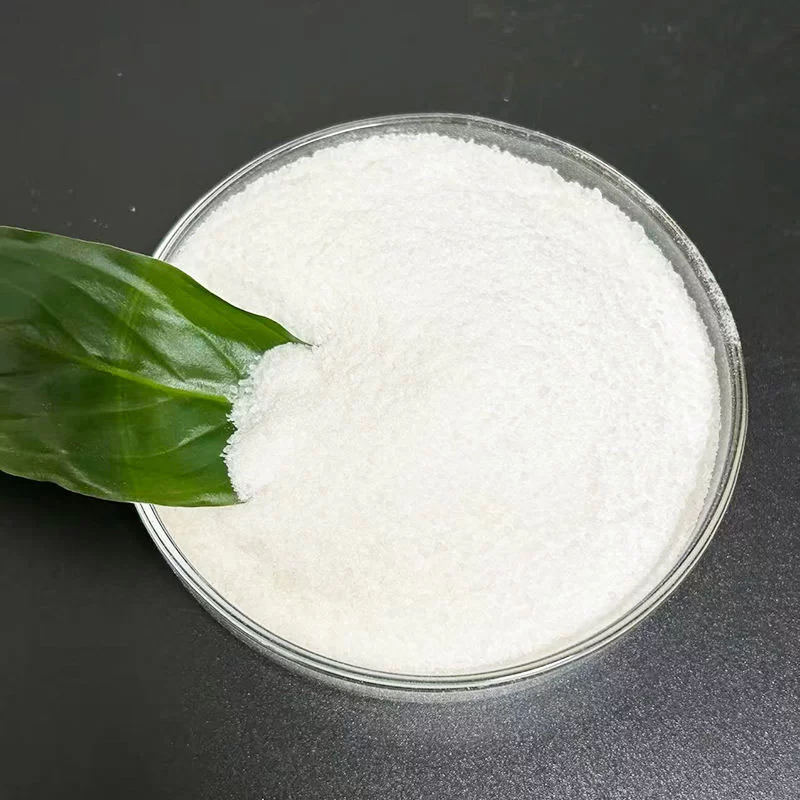
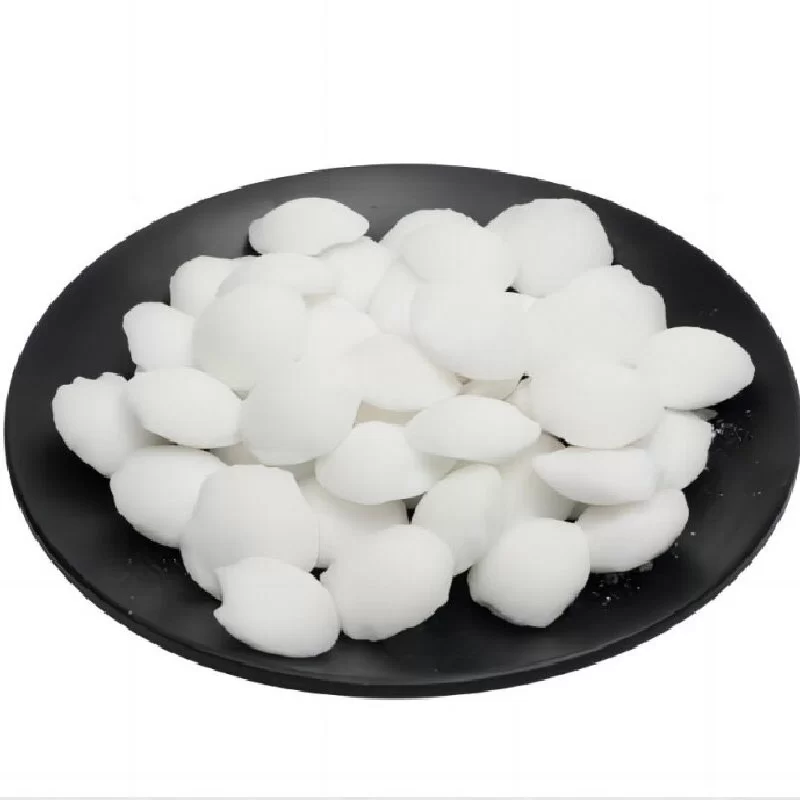
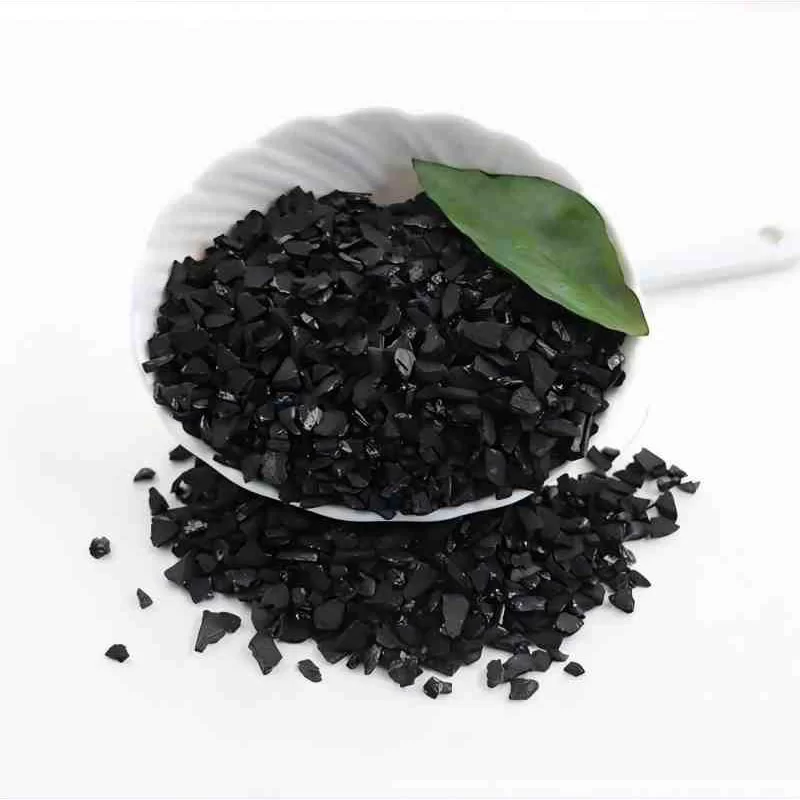
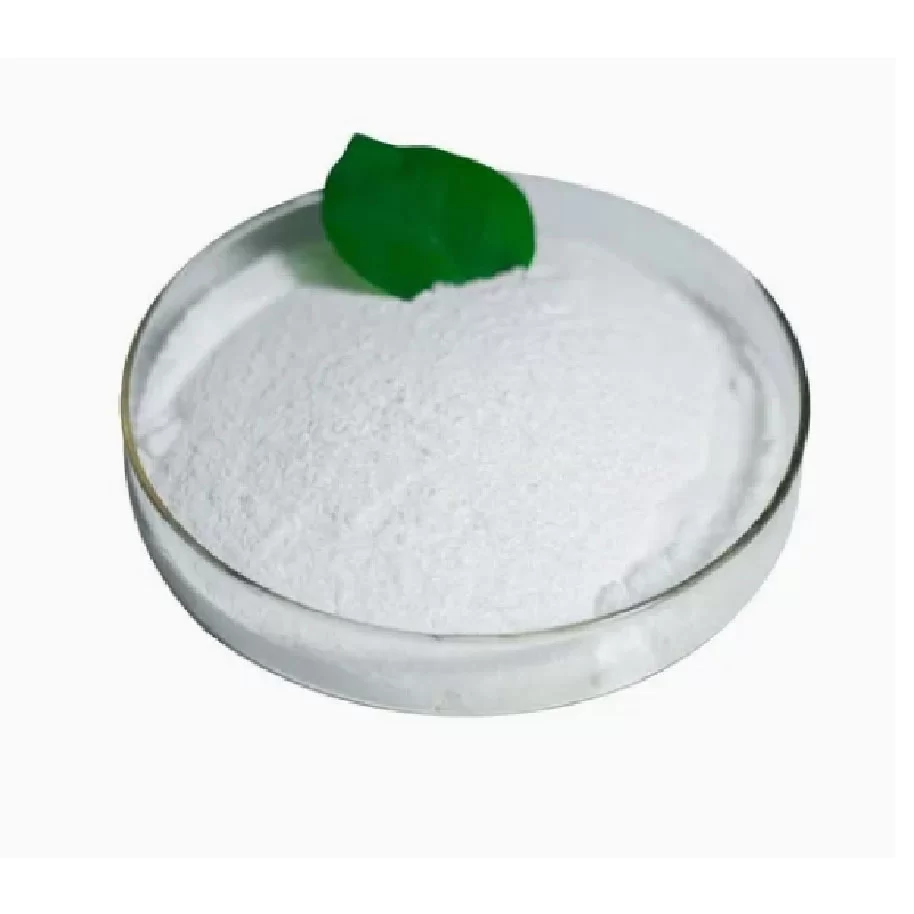
Product keywords : Sodium cyanide Activated carbon Silver Mercury

Switzerland's Premier Calcium Hypochlorite Solutions

Providing high-quality chemical raw materials for diverse industrial applications across Switzerland.

The Swiss Inorganic Salt Manufacturing Landscape

An overview of the current state and key characteristics of the inorganic salt industry in Switzerland.

Switzerland’s chemical industry is renowned for its precision, high quality, and adherence to stringent environmental regulations. The inorganic salt manufacturing sector, specifically, benefits from the country’s strong infrastructure, skilled workforce, and central European location. The demand for products like aluminum sulfate and xanthan gum is driven by various industries including pharmaceuticals, food processing, and water treatment.

The Swiss market is relatively small but highly competitive, demanding specialized solutions and customized formulations. Local manufacturers often focus on niche applications and high-value products, rather than competing on price with larger international producers. Importing raw materials is common due to Switzerland's limited natural resources.

Sustainability and environmental responsibility are paramount in Switzerland. Companies must comply with strict regulations regarding waste management, emissions, and the use of hazardous materials. This drives innovation in greener production processes and the development of eco-friendly alternatives.
Evolution of Inorganic Salt Production in Switzerland

Tracing the historical development and future trends of the Swiss inorganic salt manufacturing industry.

Market Development History

Historically, Switzerland’s inorganic salt production was primarily focused on supporting the agricultural sector, with products like calcium salts used for soil conditioning. The 1950s and 60s saw a shift towards industrial applications, driven by the growth of the pharmaceutical and chemical industries. Early processes were largely based on traditional methods like crystallization and precipitation.

The late 20th century brought advancements in process control and automation, leading to improved efficiency and product quality. Emphasis on environmental protection began to increase, prompting investment in cleaner technologies. The rise of specialty chemicals demanded more sophisticated production techniques.

In the 21st century, the industry has embraced digitalization and data analytics to optimize processes and enhance product customization. Research and development efforts have focused on developing sustainable production methods and exploring new applications for inorganic salts.

Future Development Trends

Precision Formulation

Demand for highly specialized and customized inorganic salt formulations will increase, driven by the needs of the pharmaceutical and specialty chemical sectors.

Sustainable Production

Emphasis on eco-friendly production processes, including waste reduction, energy efficiency, and the use of renewable resources, will intensify due to stricter regulations and consumer demand.

Digitalization and Automation

Increased adoption of advanced process control systems, data analytics, and automation technologies to optimize efficiency, improve quality, and reduce costs.

Industry Trends and Future Outlook for Swiss Inorganic Salts

A forward-looking assessment of the Swiss inorganic salt manufacturing sector.

Enhanced Purification Technologies
Advances in purification techniques will lead to higher purity inorganic salts, crucial for pharmaceutical and electronics applications.
Circular Economy Initiatives
Increased focus on recovering and reusing byproducts from inorganic salt production, contributing to a more circular economy.
Biotechnology Integration
Exploring the use of biotechnology and biocatalysis in the production of specific inorganic salts, offering sustainable alternatives.
Nanomaterial Applications
Increased utilization of inorganic salts in the production of nanomaterials for various applications, including catalysis and advanced materials.

Industry Outlook

The Swiss inorganic salt industry is projected to experience moderate growth in the coming years, driven by demand from the pharmaceutical, food processing, and environmental sectors. The country’s commitment to sustainability and innovation will be key factors in shaping the future of the industry.

Companies that invest in advanced technologies, sustainable practices, and customized solutions are likely to thrive in this competitive landscape. Collaboration between industry, research institutions, and government agencies will be crucial for fostering innovation and addressing the challenges facing the sector.

Local Application Scenarios in Switzerland

Specific examples of how inorganic salts are utilized in various industries across Switzerland.

1. Pharmaceutical Manufacturing: High-Purity Calcium Salts

Switzerland is a global hub for pharmaceutical production. High-purity calcium salts, like calcium chloride, are essential excipients in drug formulations, ensuring stability and bioavailability.

2. Food Processing: Aluminum Sulfate for Water Purification

The Swiss food and beverage industry relies heavily on clean water. Aluminum sulfate is commonly used as a coagulant in water treatment plants to remove impurities and ensure water quality.

3. Winter Road Maintenance: Calcium Hypochlorite for De-icing

Given Switzerland’s mountainous terrain and harsh winters, calcium hypochlorite is utilized for effective de-icing of roads and highways, enhancing safety during inclement weather.

4. Textile Industry: Xanthan Gum as a Thickening Agent

The textile industry in Switzerland employs xanthan gum as a thickening agent in dyeing and printing processes, ensuring even color distribution and enhancing fabric quality.

Brand Story

Shandong Jiuzhou Chemical Co., Ltd.’s global development journey.

Commitment to Quality

Founded in 2005, Shandong Jiuzhou Chemical Co., Ltd. began with a singular focus: delivering high-quality inorganic salts to meet the evolving needs of global industries.

Expansion into Europe

In 2010, we expanded our reach to Europe, establishing partnerships with key distributors to serve the growing demand for reliable chemical sourcing.

Sustainability Focus

Driven by a commitment to environmental responsibility, we implemented sustainable production practices and invested in eco-friendly technologies.

Swiss Market Entry

In 2018, we specifically tailored our services to meet the rigorous standards of the Swiss market, providing specialized formulations and exceptional customer support.

Innovation and Customization

Today, we continue to innovate and offer customized solutions to meet the unique challenges faced by our clients in Switzerland and beyond.

Frequently Asked Questions – Switzerland

Answers to common questions about our products and services in the Swiss market.

What quality certifications does Shandong Jiuzhou Chemical Co., Ltd. hold that are relevant to Swiss regulatory standards?

We are ISO 9001 certified, and our products comply with REACH regulations. We also provide detailed Certificates of Analysis (COAs) with each shipment to ensure transparency and traceability.

What is the typical lead time for delivery of aluminum sulfate to Switzerland?

Typical lead time is 7-10 business days, depending on the quantity and specific location within Switzerland. We offer both sea and air freight options.

Can you provide calcium hypochlorite formulated to specific purity levels for water treatment applications?

Yes, we offer customized calcium hypochlorite formulations with varying purity levels to meet the precise requirements of water treatment facilities.

Do you offer technical support for the application of xanthan gum in textile printing processes?

Yes, our team of experienced chemists can provide technical assistance and guidance on the optimal use of xanthan gum in textile printing and other applications.

What packaging options are available for benzoic acid shipments to Switzerland?

We offer a variety of packaging options, including 25kg bags, 500kg jumbo bags, and customized packaging to suit your specific needs. All packaging meets international safety standards.

Are your products compliant with Swiss food-grade regulations when used as a food additive?

Yes, we offer food-grade benzoic acid and other additives that meet the stringent requirements of Swiss food safety regulations. Documentation is available upon request.

Get in Touch

Partner with Shandong Jiuzhou Chemical Co., Ltd. for reliable and high-quality chemical raw materials in Europe - Switzerland.

Contact Us Now

If you are interested in our products, you can choose to leave your information here, and we will be in touch with you shortly.