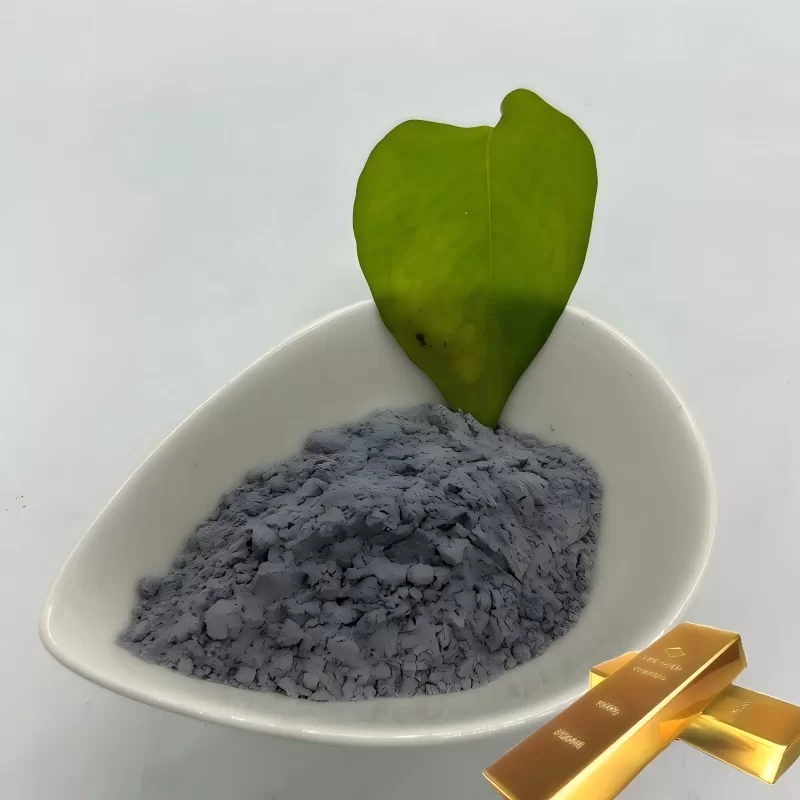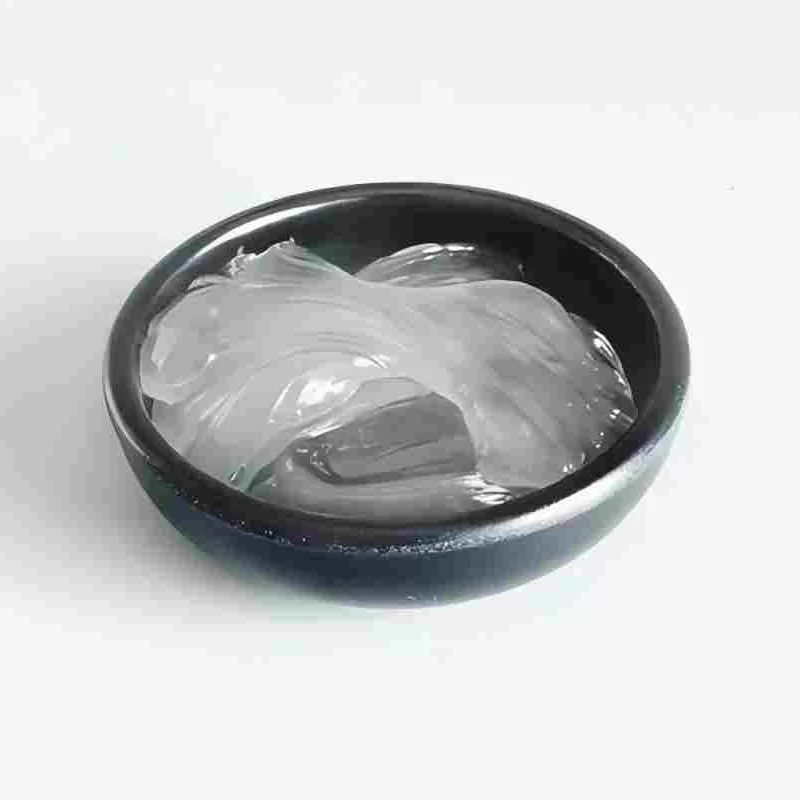
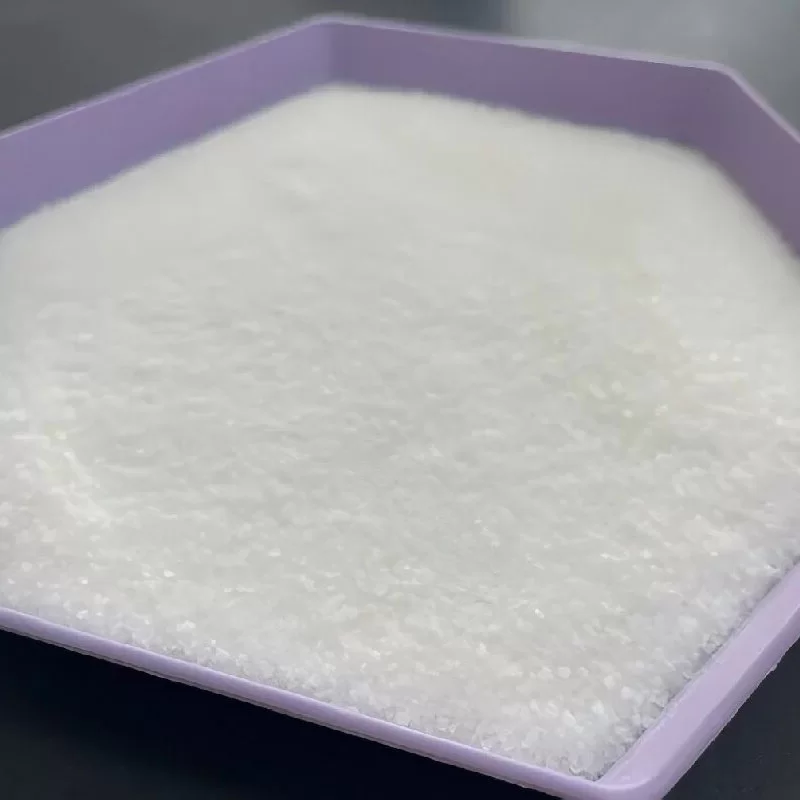
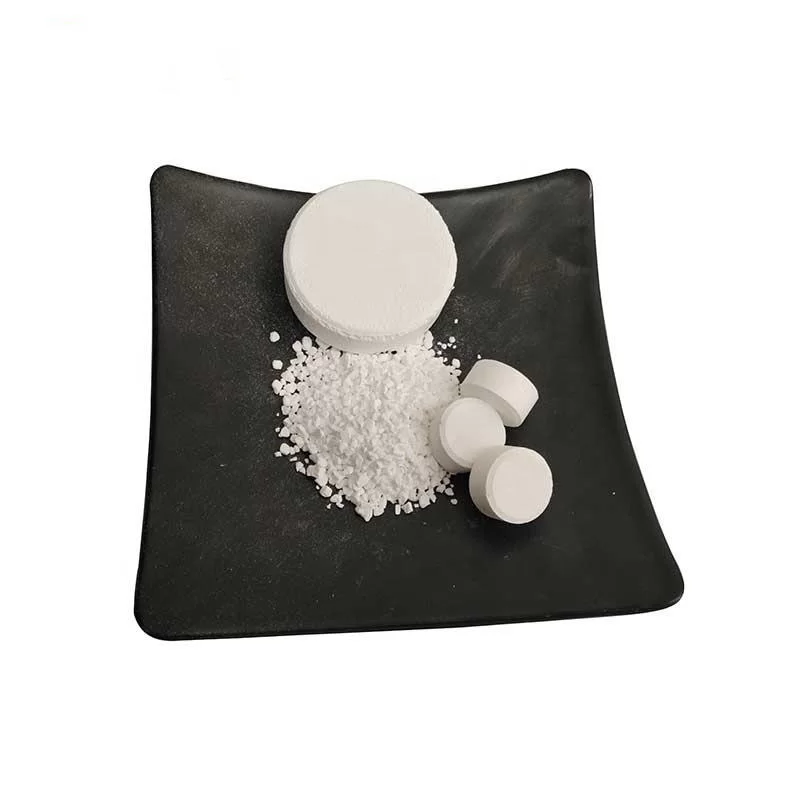
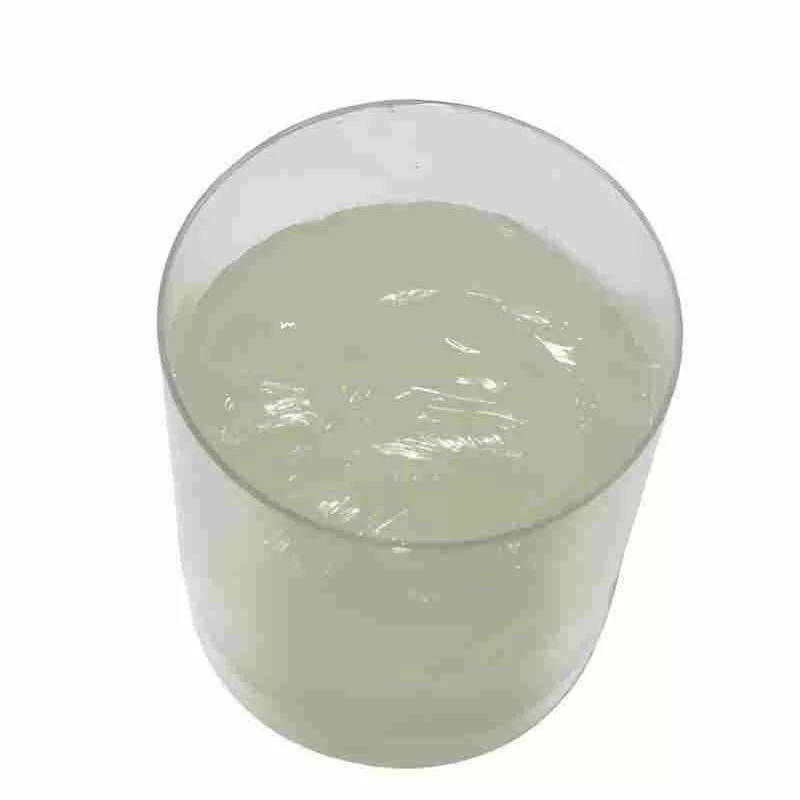
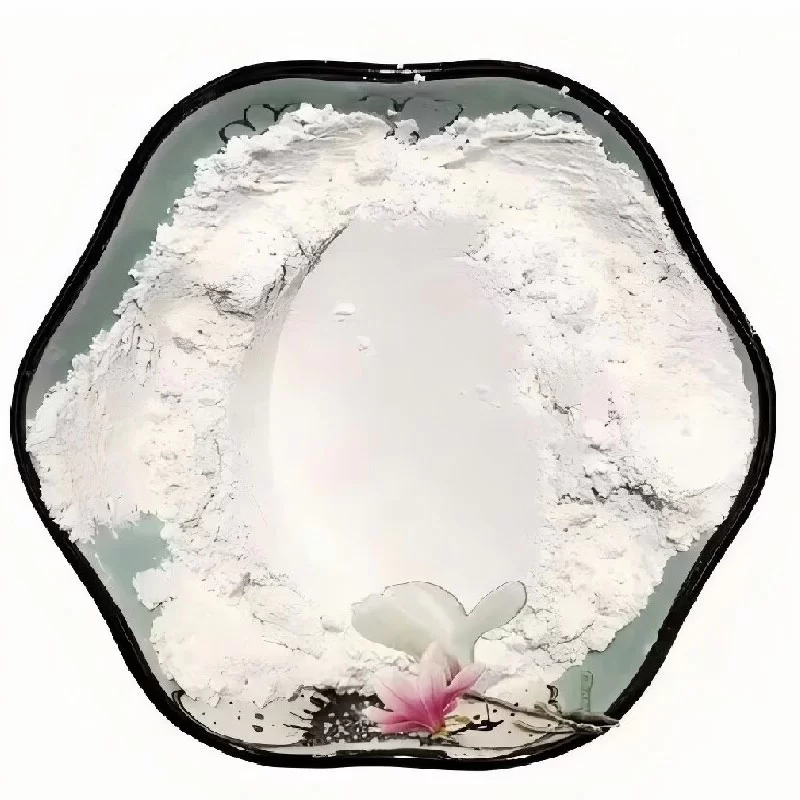
Product keywords : Sodium cyanide Activated carbon Silver Mercury
  • Home
  • Global Service
  • Calcium Hypochlorite Solutions for Industrial Applications in Malaysia

Calcium Hypochlorite Solutions for Industrial Applications in Malaysia

Providing high-quality calcium hypochlorite and other essential chemical raw materials to support Malaysia’s growing manufacturing sector.

The Current State of Inorganic Salt Manufacturing in Malaysia

Analyzing the challenges and opportunities within the chemical raw material industry in Malaysia.

Malaysia's strategic location and robust economic growth have spurred significant demand for inorganic salts across various sectors, including water treatment, agriculture, and manufacturing. The industry is heavily reliant on imports, creating opportunities for local manufacturers to expand production and reduce dependency on foreign suppliers. Specifically, demand for calcium hypochlorite for water purification is consistently high.

The Malaysian climate, characterized by high humidity and rainfall, increases the need for effective water treatment solutions, driving the demand for inorganic salts like calcium hypochlorite. This creates a steady market for producers and suppliers who can meet stringent quality standards and provide reliable supply chains. Furthermore, the expanding palm oil industry utilizes aluminum sulfate in its refining processes.

However, the industry faces challenges such as increasing environmental regulations, rising energy costs, and competition from established international players. Sustainable manufacturing practices and investment in advanced technologies are crucial for Malaysian inorganic salt manufacturers to remain competitive.
Evolution and Development Trajectory of Inorganic Salt Production in Malaysia

Tracing the historical development and future trends of inorganic salt manufacturing in Malaysia.

Market Development History

Historically, inorganic salt production in Malaysia was limited, primarily focusing on basic compounds for local agricultural needs. In the 1980s, with the growth of manufacturing and the rise of water treatment facilities, the demand for a wider range of inorganic salts began to increase. Imports dominated the market during this period.

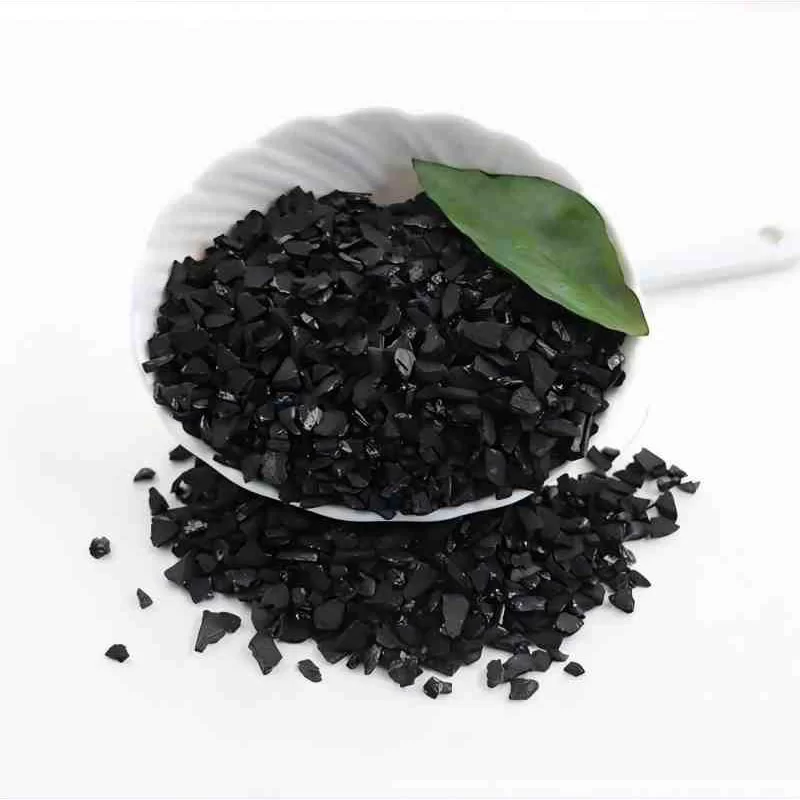
The 1990s and 2000s saw the emergence of several local manufacturers investing in production facilities, spurred by government incentives and a growing need for self-sufficiency. Technologies like membrane electrolysis for chlorine production and improved crystallization techniques for salt purification were introduced, enhancing product quality and efficiency. The use of activated carbon also saw increased adoption for purification purposes.

From 2010 onwards, a greater emphasis has been placed on sustainable manufacturing practices and adherence to international quality standards. The implementation of stricter environmental regulations and a focus on responsible chemical management have driven innovation and investment in cleaner production technologies.

Future Development Trends

Technological Advancements in Purification Processes

The future will see increased adoption of advanced filtration and purification technologies, such as nanofiltration and reverse osmosis, to produce high-purity inorganic salts. This will be crucial for meeting the demands of specialized applications in the electronics and pharmaceutical industries.

Green Chemistry and Sustainable Manufacturing

The emphasis on sustainability will drive the development and implementation of green chemistry principles in inorganic salt production. This includes using renewable energy sources, reducing waste generation, and adopting closed-loop systems to minimize environmental impact.

Smart Manufacturing and Process Automation

The integration of Industry 4.0 technologies, such as process automation, real-time monitoring, and data analytics, will optimize production efficiency, improve product quality, and reduce operational costs.

Industry Trends and Future Outlook for Inorganic Salts in Malaysia

Exploring emerging trends and forecasting the future of the inorganic salt industry in Malaysia.

Increasing Demand in Water Treatment
Growing population and industrialization are driving the demand for efficient water treatment solutions, leading to increased consumption of inorganic salts like calcium hypochlorite.
Growing Palm Oil Industry
The expansion of the palm oil industry in Malaysia continues to drive demand for aluminum sulfate used in refining processes.
Rising Demand for Xanthan Gum
Growing food processing and oil & gas industries in Malaysia are increasing the demand for xanthan gum as a thickening and stabilizing agent.
Focus on Sustainable Practices
Increasingly, end-users are demanding suppliers who prioritize sustainable manufacturing practices and environmentally responsible products.

Industry Outlook

The Malaysian inorganic salt industry is poised for continued growth, driven by increasing domestic demand and export opportunities within the ASEAN region. Companies that invest in technological innovation, sustainable manufacturing practices, and strong supply chain management will be best positioned to succeed.

Furthermore, government support for the chemical industry and initiatives promoting local manufacturing will play a crucial role in fostering growth and competitiveness. The demand for specialized inorganic salts for emerging industries like battery manufacturing and semiconductor production presents significant opportunities for future expansion.

Localized Application Scenarios in Malaysia

Exploring specific applications of inorganic salts within the Malaysian context.

1. Water Purification in Rural Areas

Calcium hypochlorite is extensively used for disinfecting water supplies in rural areas of Malaysia, where access to centralized water treatment facilities is limited. This ensures the provision of safe drinking water to communities.

2. Palm Oil Mill Effluent (POME) Treatment

Aluminum sulfate is a crucial component in the treatment of POME, a byproduct of palm oil extraction. It helps to coagulate and remove suspended solids, reducing the environmental impact of palm oil production.

3. Food Thickening and Stabilization in Food Processing

Xanthan gum is widely used in the Malaysian food processing industry as a thickening and stabilizing agent in various products, including sauces, dressings, and desserts.

4. Wastewater Treatment in Semiconductor Manufacturing

Specialized inorganic salts are essential for wastewater treatment in the growing semiconductor manufacturing sector in Malaysia, ensuring compliance with stringent environmental regulations.

5. Pulp and Paper Industry

Inorganic salts like aluminum sulfate are utilized in the pulp and paper industry for sizing and improving paper quality.

Brand Story

Shandong Jiuzhou Chemical Co., Ltd.'s global development journey

Foundation and Early Growth

Founded in 2005, Shandong Jiuzhou Chemical Co., Ltd. began as a regional supplier of basic inorganic salts, focusing on serving the agricultural sector in Shandong Province, China.

Expansion into Industrial Markets

In 2010, we expanded our product portfolio to cater to the growing industrial demand for high-purity inorganic salts, establishing partnerships with manufacturers in water treatment, textile, and chemical processing.

International Market Entry

2015 marked our entry into international markets, with a focus on Southeast Asia, including Malaysia, recognizing the region’s rapid industrial growth and demand for reliable chemical suppliers.

Focus on Sustainability and Quality

In 2020, we implemented a comprehensive sustainability program, prioritizing eco-friendly manufacturing processes and obtaining ISO certifications to ensure consistent product quality.

Commitment to Customer Partnership

Today, Shandong Jiuzhou Chemical Co., Ltd. is dedicated to providing tailored chemical solutions and building long-term partnerships with customers worldwide, including those in Malaysia.

Frequently Asked Questions – Local Market

Addressing common queries regarding our products and services in Malaysia.

What is the lead time for delivering calcium hypochlorite to Kuala Lumpur?

Typically, the lead time for delivering calcium hypochlorite to Kuala Lumpur is 7-10 business days, depending on the order volume and current shipping schedules.

Do you provide technical data sheets (TDS) and safety data sheets (SDS) for your products?

Yes, we provide comprehensive TDS and SDS for all our products, including benzoic acid and xanthan gum, upon request. These documents are readily available for download on our website.

What are your payment terms for orders from Malaysia?

We offer flexible payment terms, including Letter of Credit (L/C) and Telegraphic Transfer (T/T), to accommodate our Malaysian customers.

Do you offer customized packaging options for bulk orders of aluminum sulfate?

Yes, we can provide customized packaging options for bulk orders of aluminum sulfate to meet your specific requirements. Please contact our sales team to discuss your packaging needs.

What quality certifications does Shandong Jiuzhou Chemical Co., Ltd. hold?

We are ISO 9001:2015 certified, demonstrating our commitment to quality management. We also adhere to relevant international standards for chemical manufacturing and handling.

Can you provide samples of activated carbon for testing prior to placing a large order?

Yes, we are happy to provide samples of activated carbon for testing purposes. Please submit a sample request through our website or contact our sales team.

Get in Touch with Us

For all your inorganic salt needs in Malaysia, Shandong Jiuzhou Chemical Co., Ltd. is your trusted partner.

Contact Us Now

If you are interested in our products, you can choose to leave your information here, and we will be in touch with you shortly.