
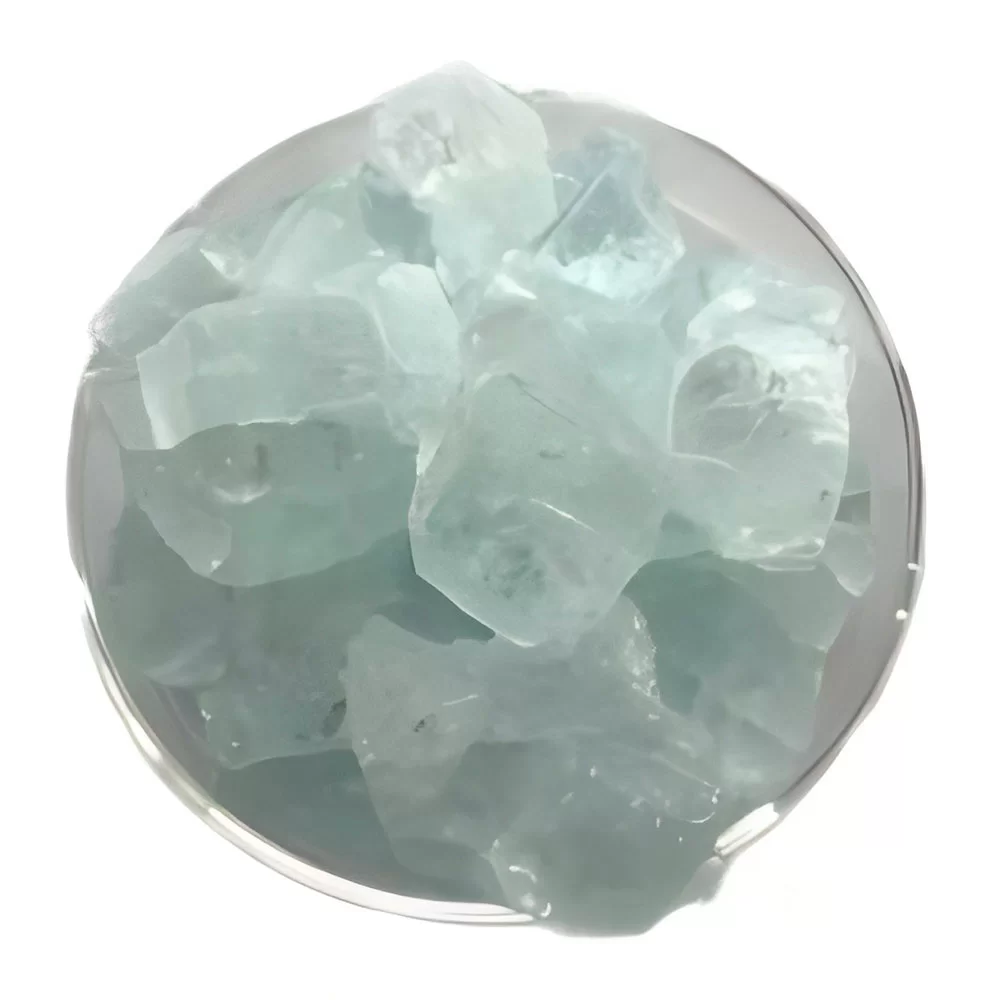
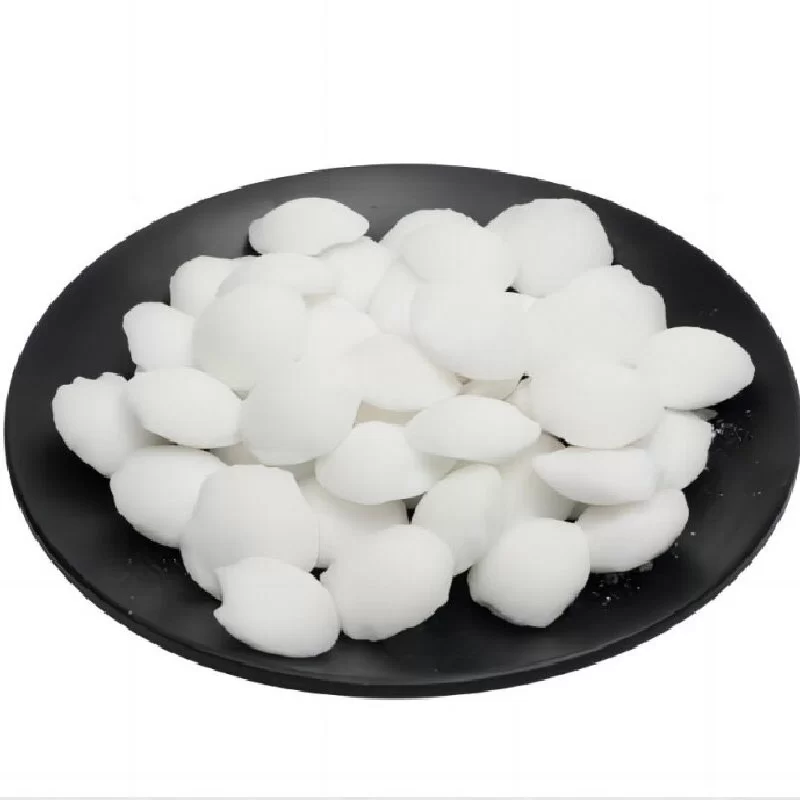
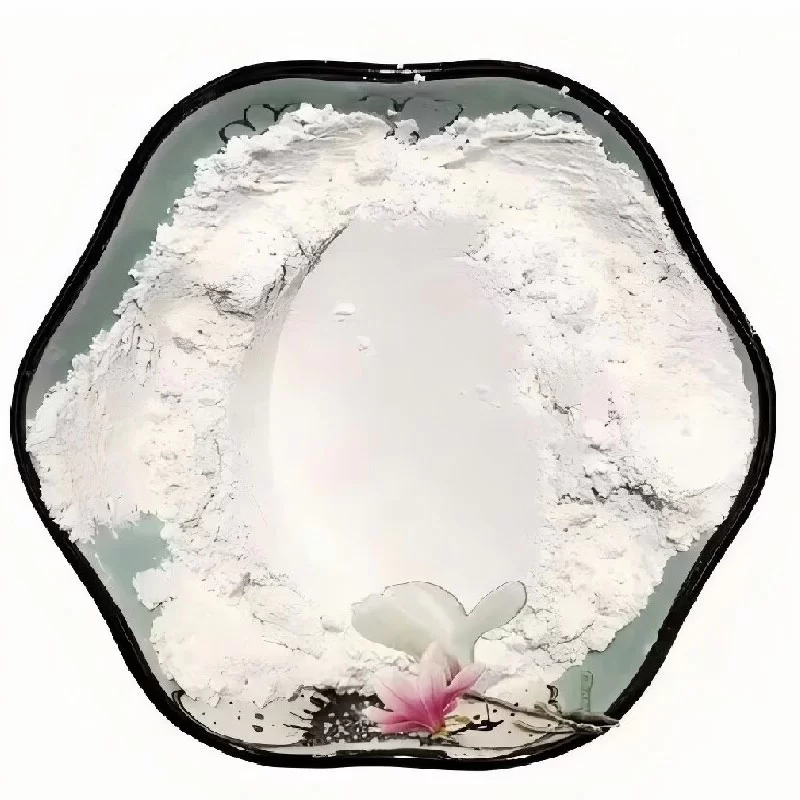
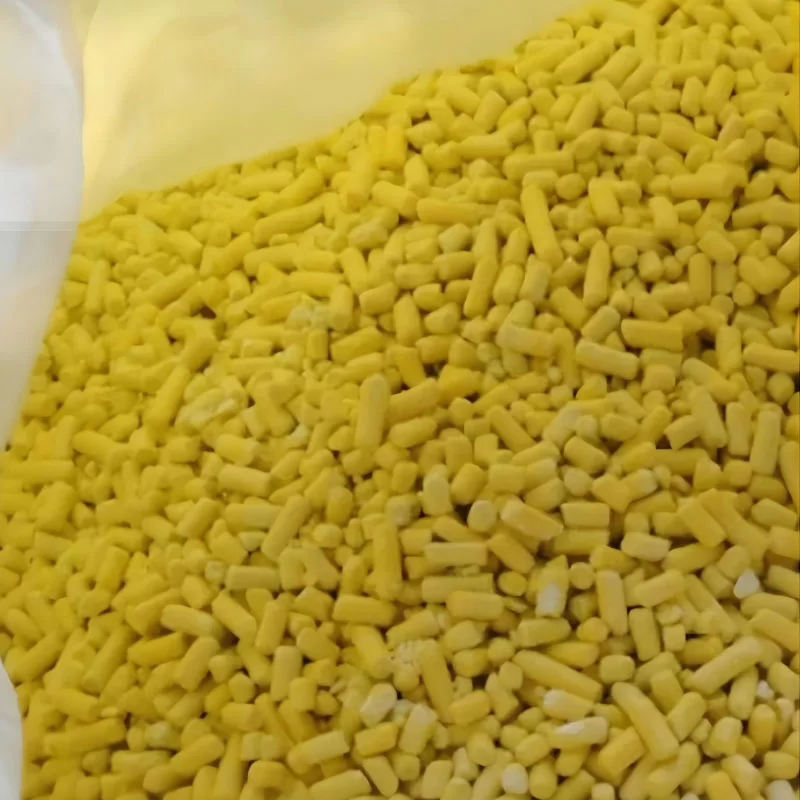
Product keywords : Sodium cyanide Activated carbon Silver Mercury

Calcium Hypochlorite Solutions for Greek Industrial Applications

Providing high-quality inorganic salts for diverse industries across Europe, with a focus on the Greek market.

Current State of the Inorganic Salt Industry in Greece

An overview of the challenges and opportunities facing inorganic salt manufacturers in the Greek market.

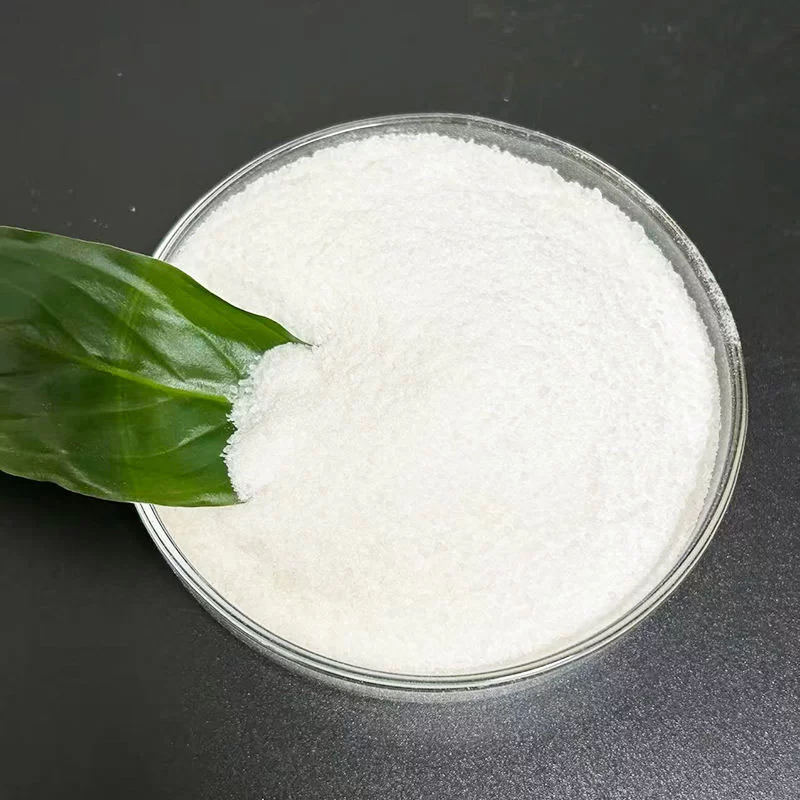
Greece’s industrial sector, while recovering, maintains a steady demand for inorganic salts like activated carbon, primarily supporting water treatment, chemical processing, and pulp & paper industries. The geographic location and maritime climate necessitate robust water purification systems, driving demand for calcium hypochlorite and other sanitizing agents.

The Greek economy’s reliance on tourism indirectly influences demand. Maintaining hygiene standards in hotels and public spaces requires effective disinfection solutions, including those formulated with aluminum sulfate. Import dependence is significant, presenting both risks and opportunities for domestic suppliers.

Current economic conditions in Greece, including the need for cost-effective solutions, necessitate competitive pricing and high-quality products. Businesses prioritize reliability and consistency in their chemical supply chains, making established manufacturers with robust quality control measures particularly attractive.
Historical Development and Current Trajectory of Inorganic Salt Production

Tracing the evolution of inorganic salt manufacturing and its future trends in the European context.

Market Development History

Historically, inorganic salt production in Europe was largely centered around natural resource extraction – salt mines and mineral deposits. The 19th and early 20th centuries saw the development of basic chemical processes like the Solvay process for sodium carbonate, influencing the production of related salts.

Post-World War II, increased industrialization and demand for water treatment led to the rise of dedicated calcium hypochlorite and benzoic acid production facilities. Technological advancements focused on efficiency and cost reduction.

The late 20th and early 21st centuries witnessed a shift toward specialized inorganic salts with higher purity and tailored applications. Environmental concerns spurred the development of more sustainable production methods. The introduction of advanced purification techniques has been pivotal.

Future Development Trends

Sustainable Production Practices

There is a growing emphasis on sustainable manufacturing processes, including waste reduction, energy efficiency, and the use of renewable resources. Green chemistry principles are increasingly influencing production methods.

Nanotechnology Applications

Nanomaterials incorporating inorganic salts are being explored for advanced applications in water purification, catalysis, and materials science. This represents a significant area of innovation.

Digitalization and Automation

The integration of digital technologies, such as process automation and data analytics, is optimizing production efficiency and quality control within the industry.

Industry Trends and Future Outlook for Inorganic Salts in Europe

Analyzing emerging trends and projecting the future of the inorganic salt market in Greece and across Europe.

Growing Demand for Water Treatment Chemicals
Increasing urbanization and stricter environmental regulations are driving demand for calcium hypochlorite and other water purification chemicals across Greece and Europe.
Rising Demand in the Food & Beverage Industry
The food and beverage sector in Greece requires high-purity inorganic salts like xanthan gum for processing and preservation, creating a stable market segment.
Increasing Focus on Product Purity & Traceability
Customers are prioritizing suppliers who can guarantee product purity, consistent quality, and full traceability throughout the supply chain.
Supply Chain Resilience
Geopolitical events and logistical disruptions are highlighting the importance of diversified and resilient supply chains for inorganic salts.

Industry Outlook

The European inorganic salt market is expected to exhibit moderate growth over the next 3-5 years, driven by increasing demand from water treatment, agriculture, and industrial applications. Greece's strategic location and growing industrial base present opportunities for specialized suppliers.

Innovation in sustainable production and the development of new applications for inorganic salts will be key factors shaping the industry's future. Companies that invest in research and development and embrace digital technologies will be best positioned for success.

Local Application Scenarios in Greece

Exploring real-world applications of inorganic salts in the Greek market.

1. Municipal Water Treatment Plants

Greek municipalities rely heavily on calcium hypochlorite for disinfecting drinking water and wastewater, ensuring compliance with EU water quality standards.

2. Olive Oil Processing

The Greek olive oil industry utilizes aluminum sulfate in the clarification process to remove impurities and enhance the quality of olive oil.

3. Tourism & Hospitality Sanitation

Hotels and resorts across Greece employ benzoic acid based disinfectants for maintaining hygiene standards in swimming pools, kitchens, and public areas.

4. Textile Manufacturing

Textile processing plants use xanthan gum as a thickening agent and stabilizer in dyeing and finishing processes.

5. Pulp & Paper Industry

Several paper mills in Greece leverage inorganic salts for bleaching and improving the quality of paper products.

Brand Story

Shandong Jiuzhou Chemical Co., Ltd.'s global development journey

Established Legacy

Founded in 2008, Shandong Jiuzhou Chemical Co., Ltd. began as a specialized manufacturer of inorganic salts, serving the domestic Chinese market.

International Expansion

In 2015, we expanded our reach into international markets, focusing on Europe, Southeast Asia, and South America.

Commitment to Quality

We implemented rigorous quality control systems and obtained ISO 9001 certification to ensure product consistency and reliability.

Sustainable Practices

We invested in eco-friendly production technologies and implemented waste reduction programs to minimize our environmental footprint.

Customer-Centric Approach

Our mission is to provide our customers with high-quality inorganic salts, tailored solutions, and exceptional service.

Local Frequently Asked Questions

Addressing common questions from our customers in Greece.

What are the specific EU regulations regarding the use of calcium hypochlorite in drinking water treatment?

Calcium hypochlorite used in drinking water treatment must comply with the EU Drinking Water Directive (98/83/EC) and its subsequent amendments. This includes limits on disinfection byproducts and requirements for product purity.

How does the purity level of aluminum sulfate affect its performance in olive oil processing?

Higher purity aluminum sulfate results in more effective clarification, reducing the presence of unwanted compounds and improving the color and stability of the olive oil. Impurities can lead to undesirable flavors and cloudiness.

What is the shelf life of benzoic acid when stored under typical industrial conditions in Greece?

Benzoic acid typically has a shelf life of 2-3 years when stored in a cool, dry place away from direct sunlight. Proper packaging is essential to prevent moisture absorption and degradation.

What are the key considerations when selecting xanthan gum for textile printing applications?

Viscosity, particle size, and purity are critical factors. The xanthan gum should provide adequate thickening without interfering with dye adhesion or causing streaking. Compatibility with other textile chemicals is also important.

Can you provide technical data sheets (TDS) and safety data sheets (SDS) for your inorganic salt products?

Yes, we provide comprehensive TDS and SDS documents for all of our products. These documents are available upon request and contain detailed information on product specifications, handling precautions, and safety measures.

What is your typical lead time for delivering inorganic salts to Greece from your manufacturing facility?

Typical lead times for deliveries to Greece range from 2-4 weeks, depending on order volume, transportation availability, and customs clearance procedures.

Get in Touch with Us

We are dedicated to serving your inorganic salt needs across Greece and throughout Europe.

Contact Us Now

If you are interested in our products, you can choose to leave your information here, and we will be in touch with you shortly.