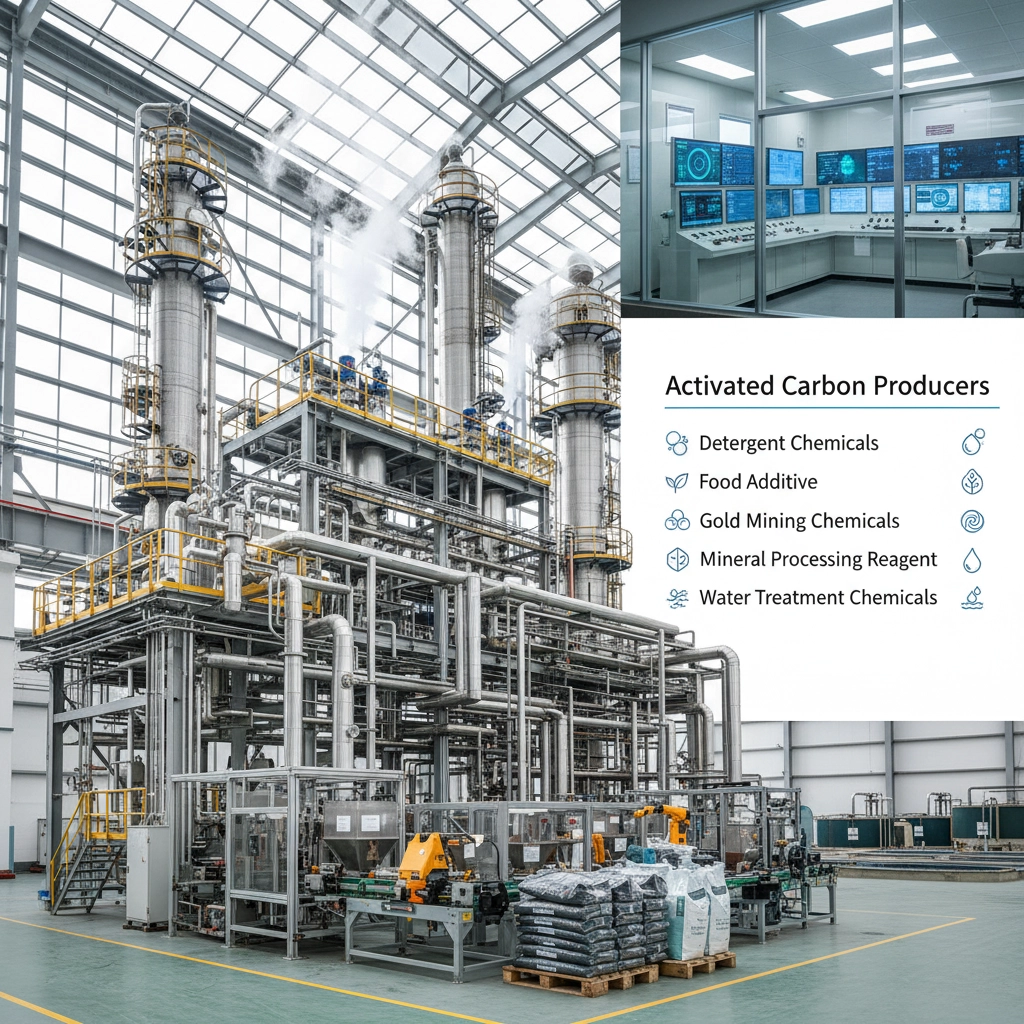
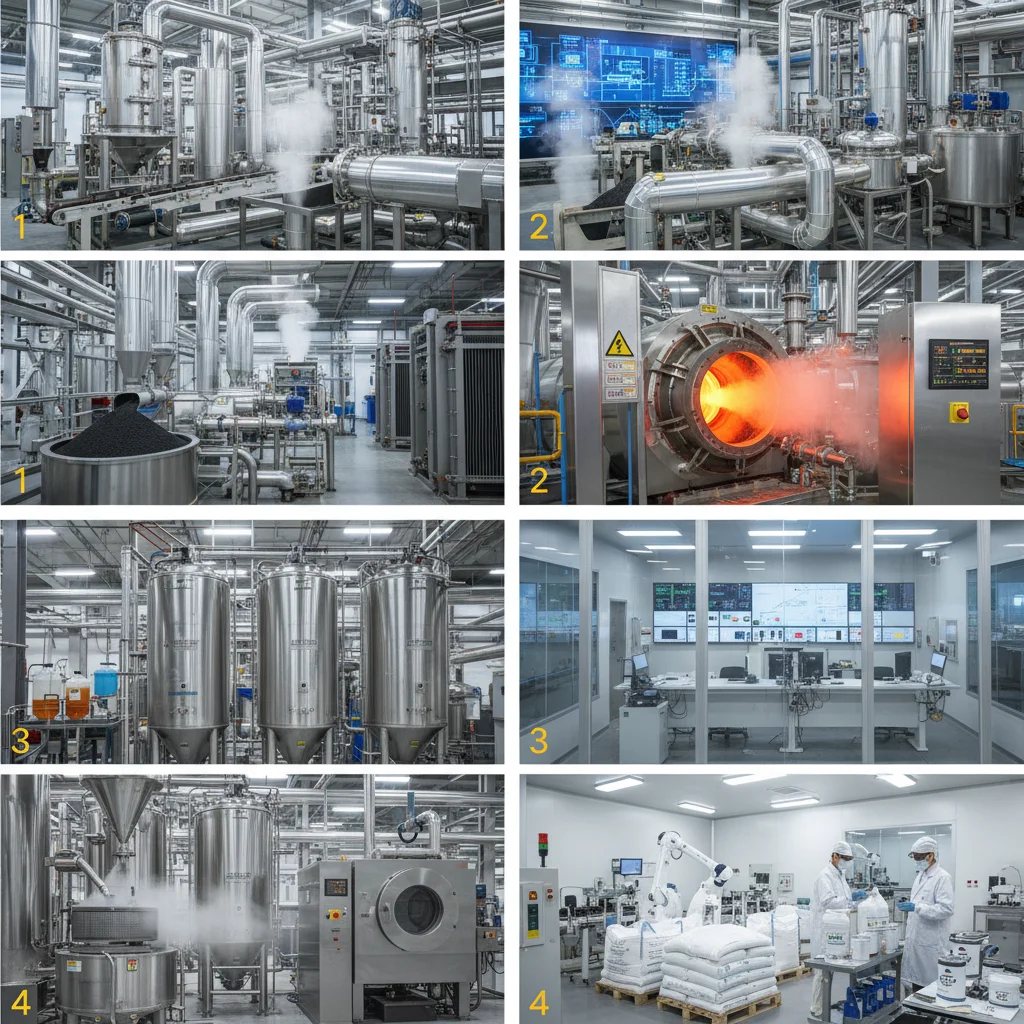
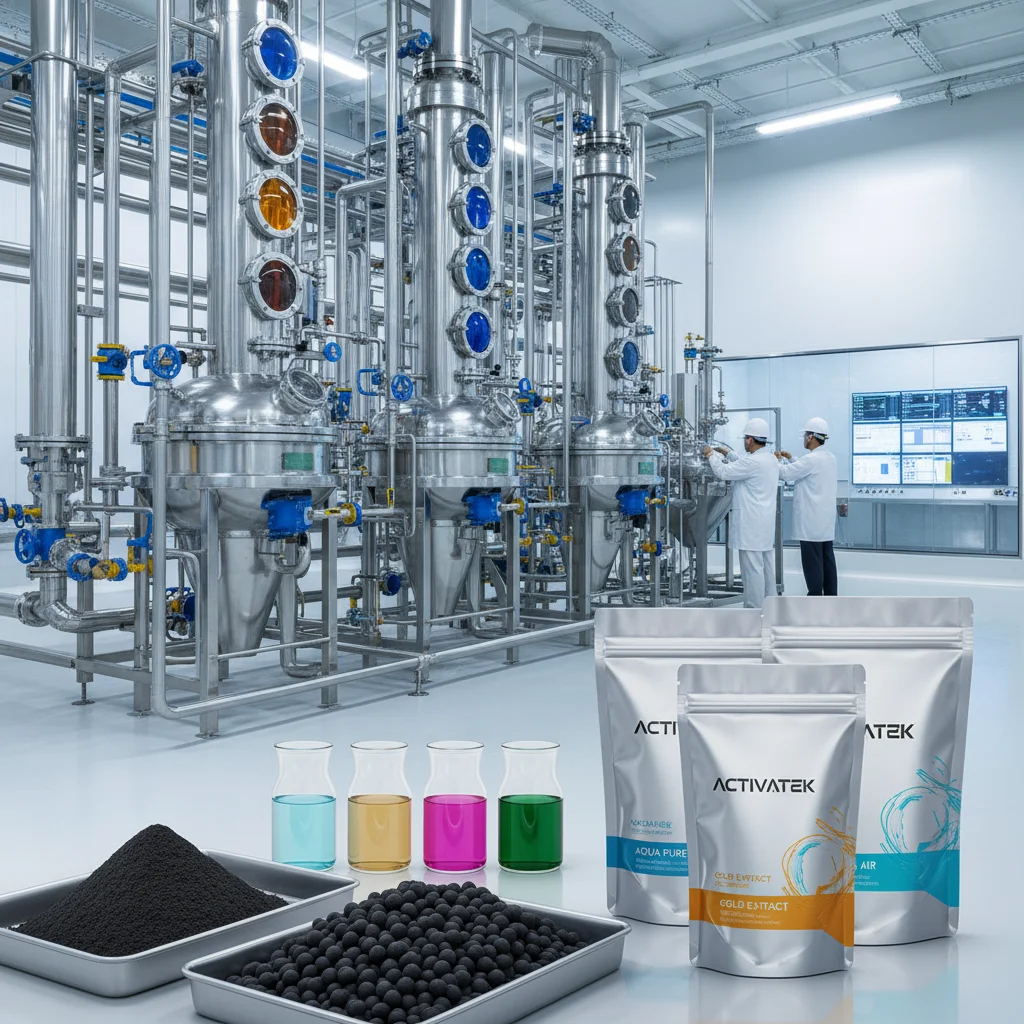
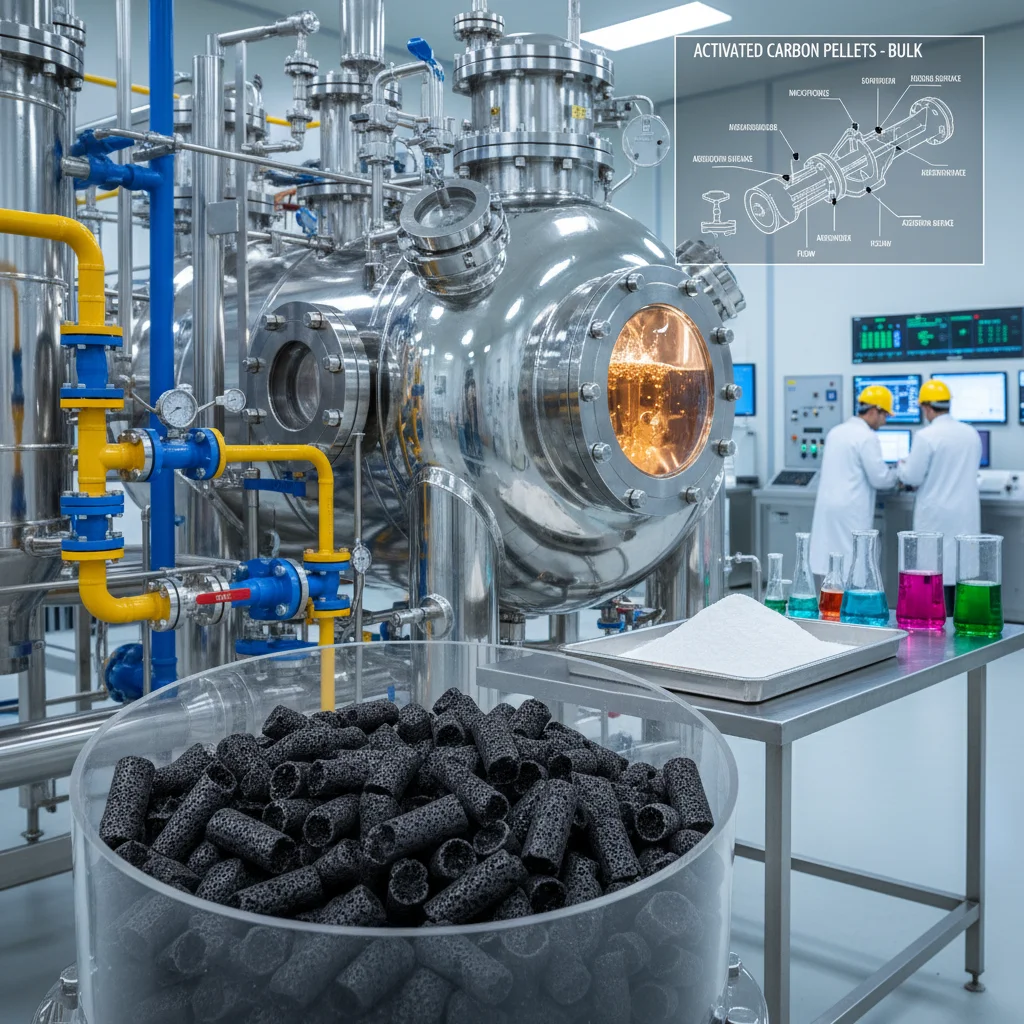
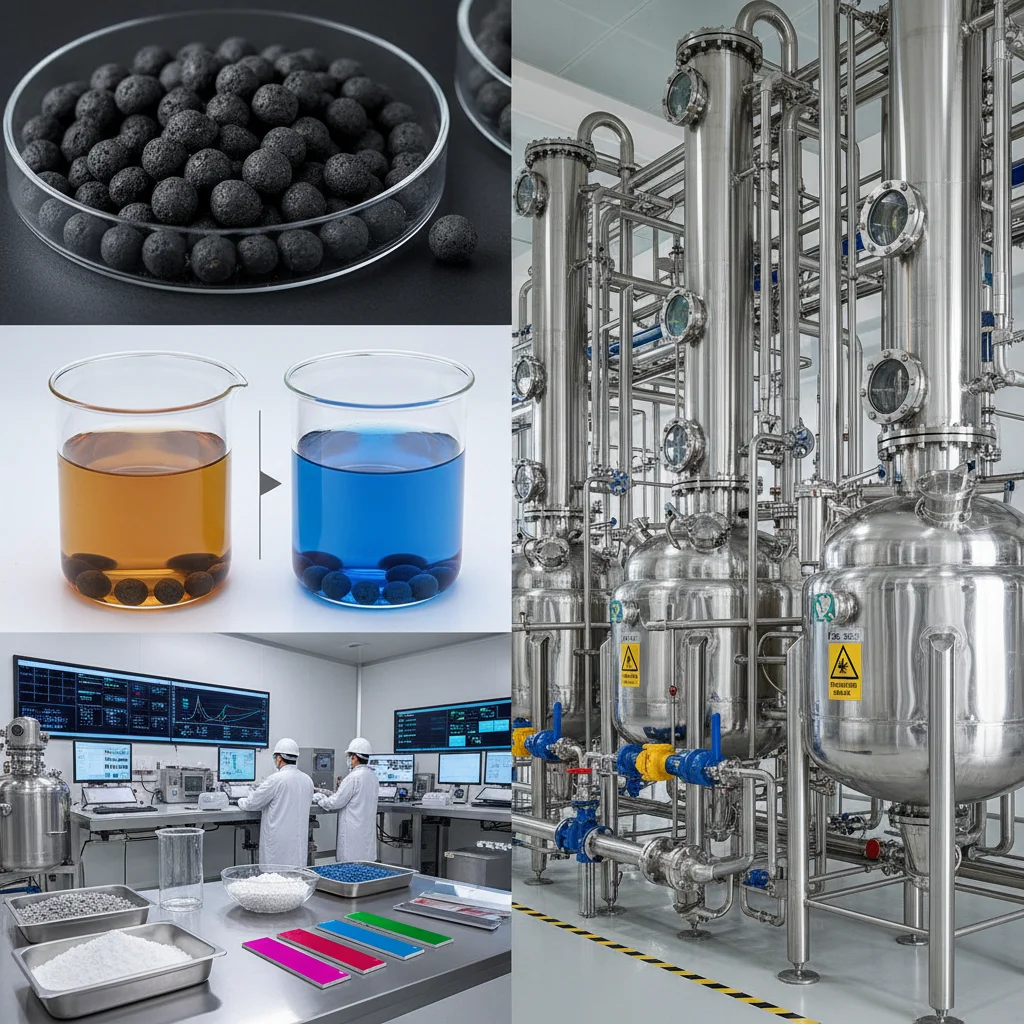
The global industrial landscape relies heavily on advanced filtration and purification technologies, where activated carbon producers play a pivotal role. By transforming raw organic materials into highly porous carbon structures, these manufacturers provide the essential tools needed to remove toxins, odors, and impurities from air and water, ensuring safety across multiple sectors.
Understanding the capabilities of various activated carbon producers is crucial for industries ranging from pharmaceuticals to wastewater management. The efficiency of an adsorption process depends entirely on the pore size distribution and surface area of the carbon, factors that are meticulously controlled by leading producers to meet stringent ISO and environmental standards.
As global environmental regulations tighten, the demand for high-performance adsorbents has surged. This has pushed activated carbon producers to innovate, moving beyond traditional coal-based materials toward sustainable coconut shell and biomass alternatives, thereby bridging the gap between industrial efficiency and ecological responsibility.
Global Significance of Activated Carbon Producers
On a global scale, activated carbon producers are the silent guardians of public health and industrial purity. From the massive water treatment plants in megacities to the delicate filtration systems in pharmaceutical labs, the ability to selectively remove contaminants is a cornerstone of modern civilization. According to global environmental trends, the shift toward "Zero Liquid Discharge" (ZLD) policies has increased the reliance on high-grade carbon.
The economic impact of these producers is profound, as they support secondary industries including food and beverage, gold mining, and chemical manufacturing. By providing materials that can be regenerated and reused, they contribute to a circular economy, reducing the total volume of hazardous waste generated by industrial scrubbing processes.
Defining the Role of Modern Activated Carbon Producers
At its simplest, activated carbon producers are entities that process carbonaceous materials—such as coal, coconut shells, wood, or peat—through carbonization and activation. This process "opens up" millions of tiny pores between the carbon atoms, creating a massive internal surface area. To put this into perspective, a single gram of high-quality activated carbon can have a surface area exceeding 1,000 square meters.
Beyond simple manufacturing, these producers act as chemical engineers who tailor the "pore architecture" to specific molecules. For instance, microporous carbon is designed for gas-phase adsorption, while mesoporous carbon is optimized for larger organic molecules in liquid streams. This specialization allows for the precise targeting of pollutants, whether they are chlorine in drinking water or volatile organic compounds (VOCs) in industrial exhaust.
In the context of humanitarian needs, activated carbon producers provide the technology necessary for rapid water purification in disaster zones. Portable filtration units powered by activated carbon are often the first line of defense against waterborne diseases, proving that the industry's reach extends far beyond commercial profit into the realm of essential survival.
Core Technical Factors in Carbon Production
The quality of a product from activated carbon producers is primarily measured by its Iodine Value and CTC (Carbon Tetrachloride) number. The Iodine Value indicates the micropore capacity, which is critical for removing small molecules, while the CTC value measures the volume of larger pores. Balancing these two is the secret to creating a versatile adsorbent.
Another critical factor is the activation method. Chemical activation, using agents like phosphoric acid or zinc chloride, allows for lower processing temperatures and specific pore structures. In contrast, physical activation uses steam or CO2 at high temperatures to carve out the carbon matrix. Professional activated carbon producers select the method based on the intended end-use, such as gold recovery or air purification.
Durability and attrition resistance also define a producer's standing in the market. In fluidized bed reactors, carbon granules are subject to intense physical stress. If the material is too brittle, it turns into "fines," clogging the system and reducing efficiency. Therefore, mechanical hardness is just as important as chemical adsorption capacity.
Industrial Applications and Use Cases
The versatility of materials from activated carbon producers allows them to be integrated into diverse systems. In the gold mining industry, specialized coconut-shell carbon is used in Carbon-in-Pulp (CIP) processes to adsorb gold-cyanide complexes from ore slurries, enabling high-recovery rates of precious metals.
In the realm of Water Treatment Chemicals, activated carbon is indispensable for removing PFAS (per- and polyfluoroalkyl substances), often referred to as "forever chemicals." By deploying granular activated carbon (GAC) filters, municipalities can ensure that drinking water meets strict safety guidelines, removing taste, odor, and carcinogenic compounds simultaneously.
Performance Comparison of Production Methods by Activated Carbon Producers
Strategic Advantages of Premium Adsorbents
Partnering with top-tier activated carbon producers offers significant long-term value. Beyond the immediate purification effect, high-quality carbon reduces the frequency of bed replacements. This lowers operational expenditure (OPEX) and minimizes the downtime associated with filter change-outs in continuous industrial processes.
Furthermore, there is a critical safety and trust component. In food additive production or pharmaceutical synthesis, the use of certified, high-purity carbon prevents cross-contamination. The reliability of the carbon's pore structure ensures that the removal of catalysts or impurities is consistent, which is vital for maintaining product quality and regulatory compliance.
Future Innovations in Carbon Manufacturing
The next generation of activated carbon producers is focusing on "functionalized" carbon. By impregnating the carbon surface with specific chemicals (such as silver or potassium permanganate), producers can create chemically active filters that don't just adsorb molecules but actively neutralize them through chemical reactions.
Sustainability is also driving a shift toward waste-to-wealth models. We are seeing a rise in producers utilizing agricultural waste—such as rice husks or coffee grounds—as precursors. This not only reduces the environmental footprint of the manufacturing process but also provides a sustainable alternative to coal-based carbons, aligning with global green energy goals.
Digital transformation is also entering the factory. Real-time monitoring of the activation furnace using AI and IoT allows producers to achieve unprecedented precision in pore size distribution. This "Smart Carbon" approach ensures that every batch is identical, eliminating the variability that historically plagued the industry.
Overcoming Challenges in Activated Carbon Sourcing
One of the primary challenges faced by users of activated carbon producers is the issue of saturation and disposal. Once the carbon pores are full, the material becomes "spent." If not handled correctly, spent carbon can become a hazardous waste stream. The solution lies in professional thermal regeneration, where the carbon is heated in a controlled environment to burn off adsorbed contaminants.
Another hurdle is the volatility of raw material prices, especially for coconut shells sourced from Southeast Asia. To mitigate this, leading producers are diversifying their supply chains and investing in synthetic carbon precursors. This ensures a stable price point and a consistent supply for large-scale water treatment projects.
Finally, the lack of standardized testing can lead to "specification gaps" between what a producer claims and what the user experiences. The industry is moving toward more transparent certification, where third-party labs verify the Iodine and CTC values before shipping, ensuring that the adsorbent performs as expected in real-world conditions.
Comparative Analysis of Activated Carbon Sourcing and Performance
| Material Source |
Pore Structure |
Typical Application |
Sustainability Score (1-10) |
| Coconut Shell |
Predominantly Microporous |
Gold Recovery / Water |
9 |
| Bituminous Coal |
Broad Pore Distribution |
Wastewater Treatment |
5 |
| Wood-based |
Macroporous/Mesoporous |
Air Filtration/VOCs |
7 |
| Peat |
Mixed Pore Structure |
General Purification |
6 |
| Agricultural Waste |
Variable/Customizable |
Eco-filtration |
10 |
| Synthetic Polymers |
Highly Uniform |
Specialty Chemicals |
4 |
FAQS
When selecting a producer, you should first identify the size of the molecules you need to remove. If you are targeting small molecules in water, look for producers specializing in coconut-shell carbon with a high Iodine Value. For larger organic compounds or air scrubbing, seek those offering coal or wood-based carbons with a high CTC number. Always request a Certificate of Analysis (CoA) to verify pore distribution and purity.
Most high-quality carbon from professional producers can be regenerated. Thermal regeneration is the most common method, where the carbon is heated to destroy the adsorbed contaminants. However, some specialized "single-use" carbons or those used for highly toxic radioactive materials must be disposed of according to hazardous waste protocols. Regeneration typically recovers 85-95% of the carbon's original capacity.
Granular Activated Carbon (GAC) is used in fixed-bed filters where water or air flows through a column; it is ideal for continuous, long-term treatment. Powdered Activated Carbon (PAC) has a much smaller particle size, providing a faster adsorption rate because of the higher available surface area per unit of volume. PAC is typically added directly to a liquid and then filtered out, making it better for batch processing or emergency treatment.
Neither is "better" overall; it depends on the application. Coconut shell carbon is superior for removing small molecules and is more sustainable. Coal-based carbon has a wider range of pore sizes, making it more effective for a broader spectrum of larger contaminants. If your goal is high-purity water, coconut is usually preferred. For industrial wastewater with complex pollutants, coal-based is often the standard.
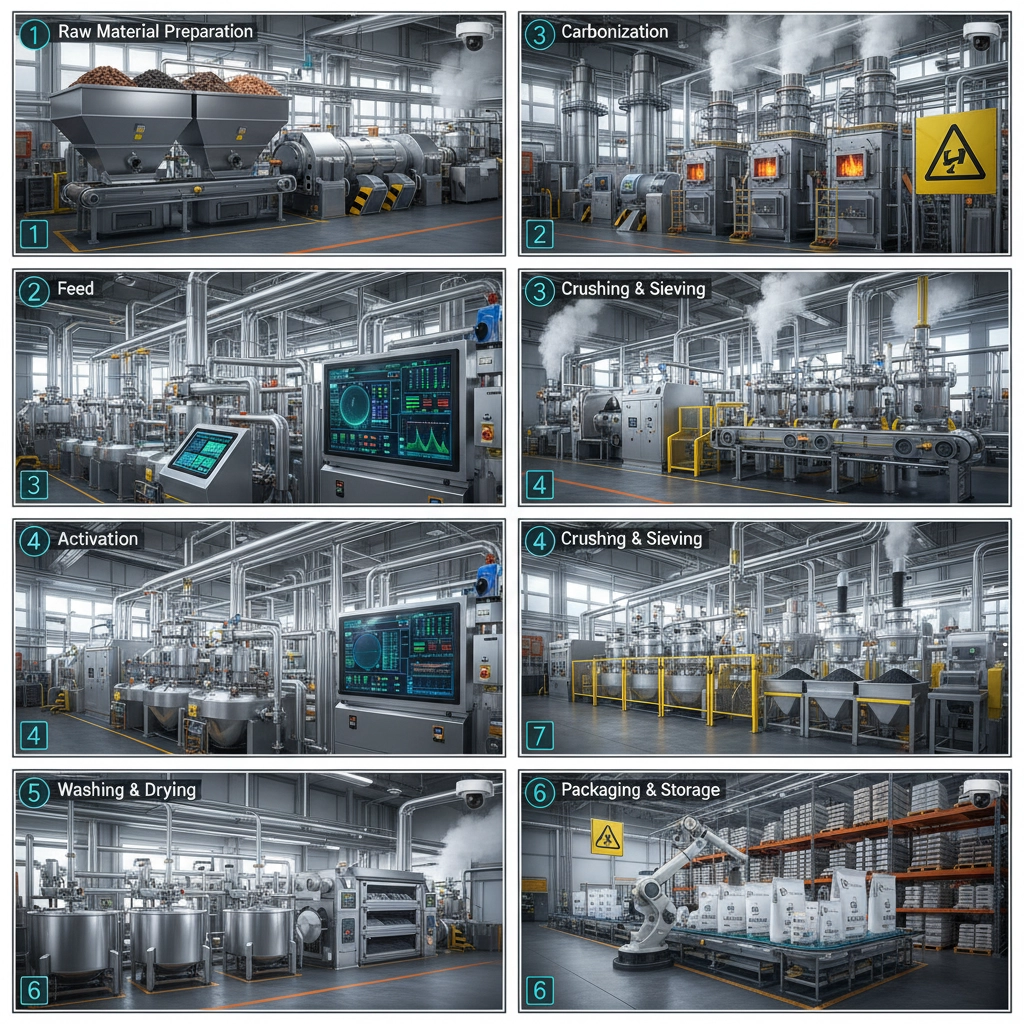
Activation occurs after the raw material is carbonized (heated without oxygen). The carbon is then exposed to an activating agent—either steam/CO2 (physical) or chemicals like KOH (chemical). This agent "etches" the carbon, burning away certain carbon atoms to create a network of internal pores. This increases the surface area exponentially, allowing the carbon to act as a molecular sieve that traps contaminants.
Yes. Low-quality carbon can introduce impurities (such as ash or heavy metals) into your system, essentially contaminating the water or air you are trying to clean. Additionally, poor mechanical strength can lead to carbon breakdown, causing pressure drops in filtration systems and potentially damaging downstream pumps or equipment. Always source from reputable activated carbon producers with quality certifications.
Conclusion
In summary, activated carbon producers provide the critical infrastructure for global purification, transforming raw organic matter into high-precision tools for environmental and industrial safety. From the meticulous control of pore architecture to the adoption of sustainable biomass precursors, the industry has evolved to meet the complex demands of modern chemistry and ecology.
Looking forward, the integration of AI-driven manufacturing and the shift toward circular economy regeneration models will further enhance the efficiency and sustainability of carbon adsorbents. For businesses seeking to optimize their filtration processes or ensure regulatory compliance, partnering with a transparent, technically advanced producer is the most effective strategy for long-term operational success. Visit our website for more insights: www.sdjz-chem.com