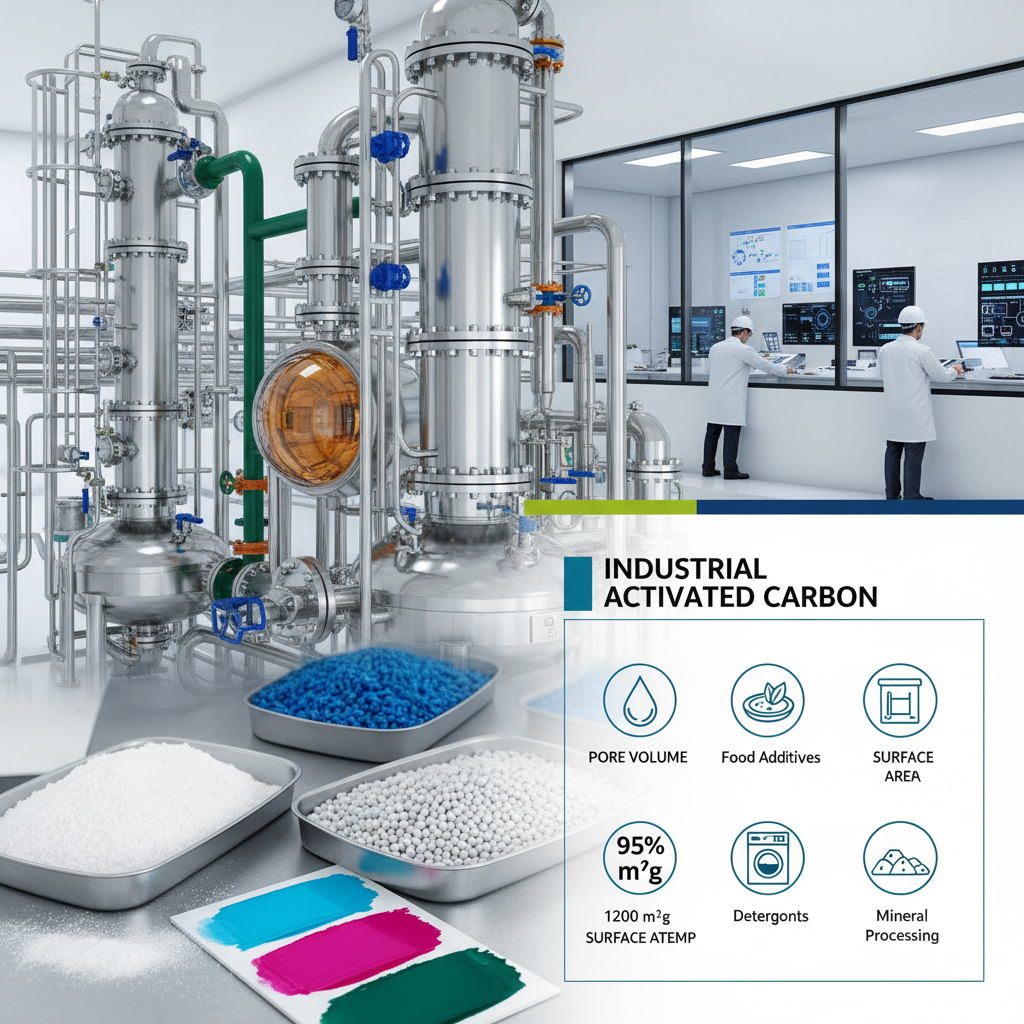
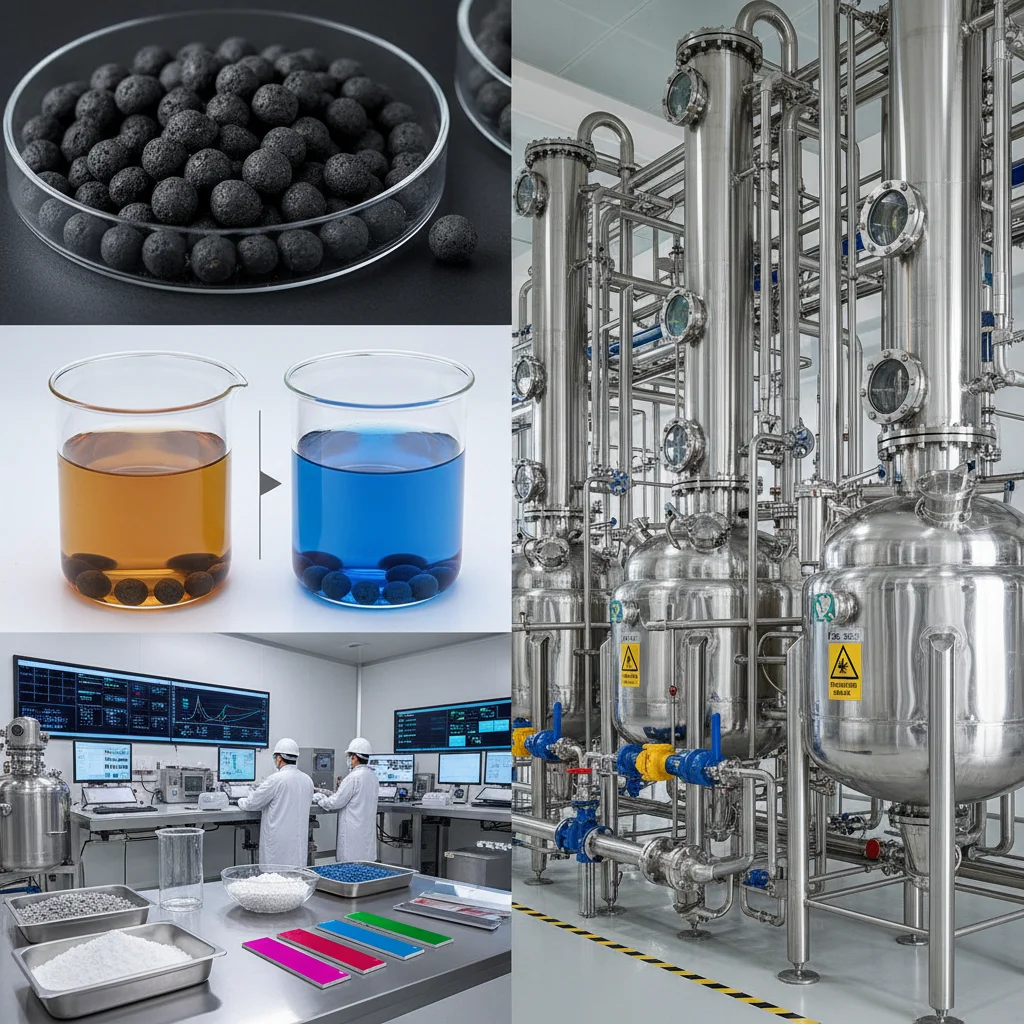
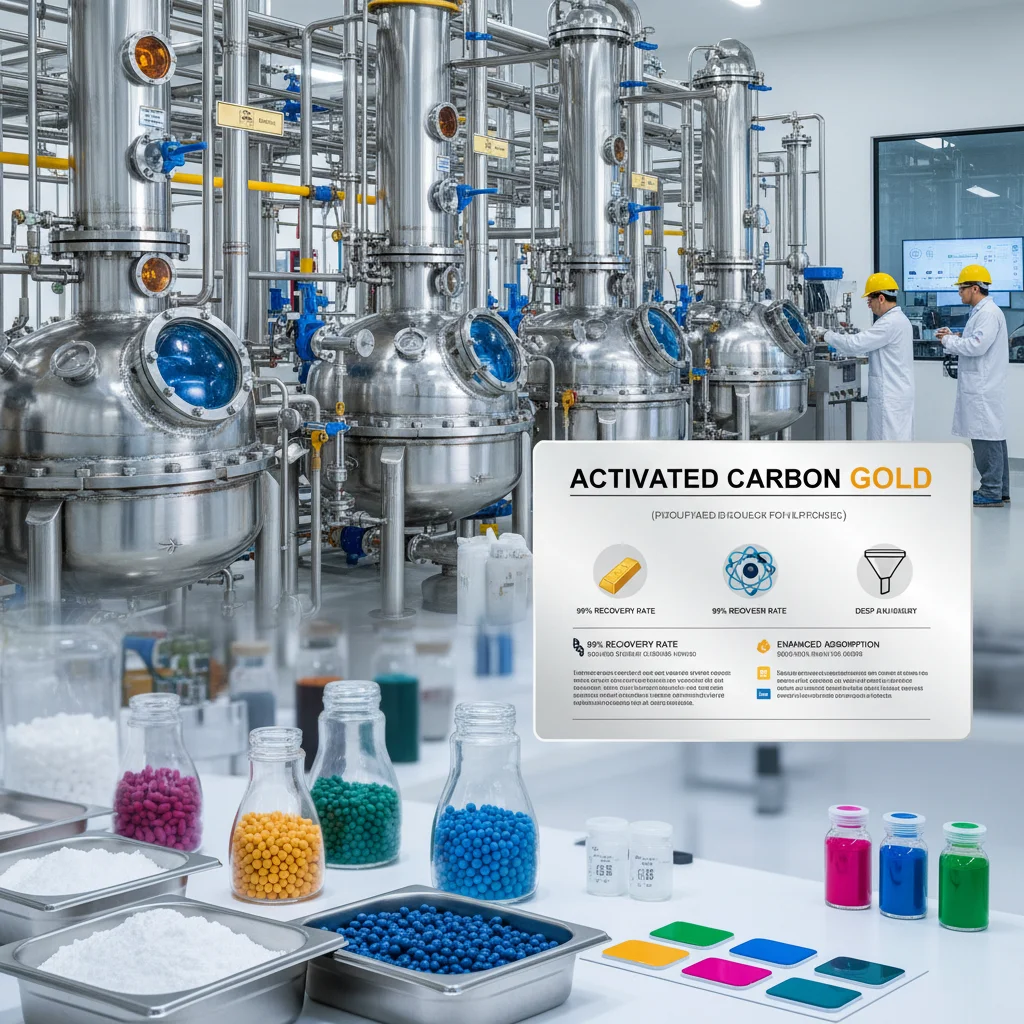
In the modern industrial landscape, the pursuit of purity and environmental compliance has made industrial activated carbon an indispensable asset. As a highly porous material with an immense surface area, it serves as the primary line of defense in removing organic pollutants, toxins, and impurities from liquids and gases across diverse sectors. Understanding its mechanism is not just a technical requirement but a strategic advantage for companies aiming to optimize production efficiency and meet stringent global environmental standards.
The global demand for high-performance adsorption materials is surging, driven by the critical need for cleaner water and air. From the complex processes of gold mining and mineral processing to the precision required in food additives and detergent chemicals, the application of industrial activated carbon ensures that end-products are safe, sustainable, and compliant with international ISO and environmental regulations. Its ability to selectively capture contaminants makes it a cornerstone of green chemistry.
However, selecting the right grade of activated carbon is often a challenge for many procurement managers. With various precursors—such as coconut shells, coal, or wood—the physical and chemical properties can vary wildly. By diving deep into the technical specifications, operational advantages, and emerging trends of these materials, industrial operators can significantly reduce operational costs while enhancing the reliability of their filtration and purification systems.
The Global Significance of Industrial Activated Carbon
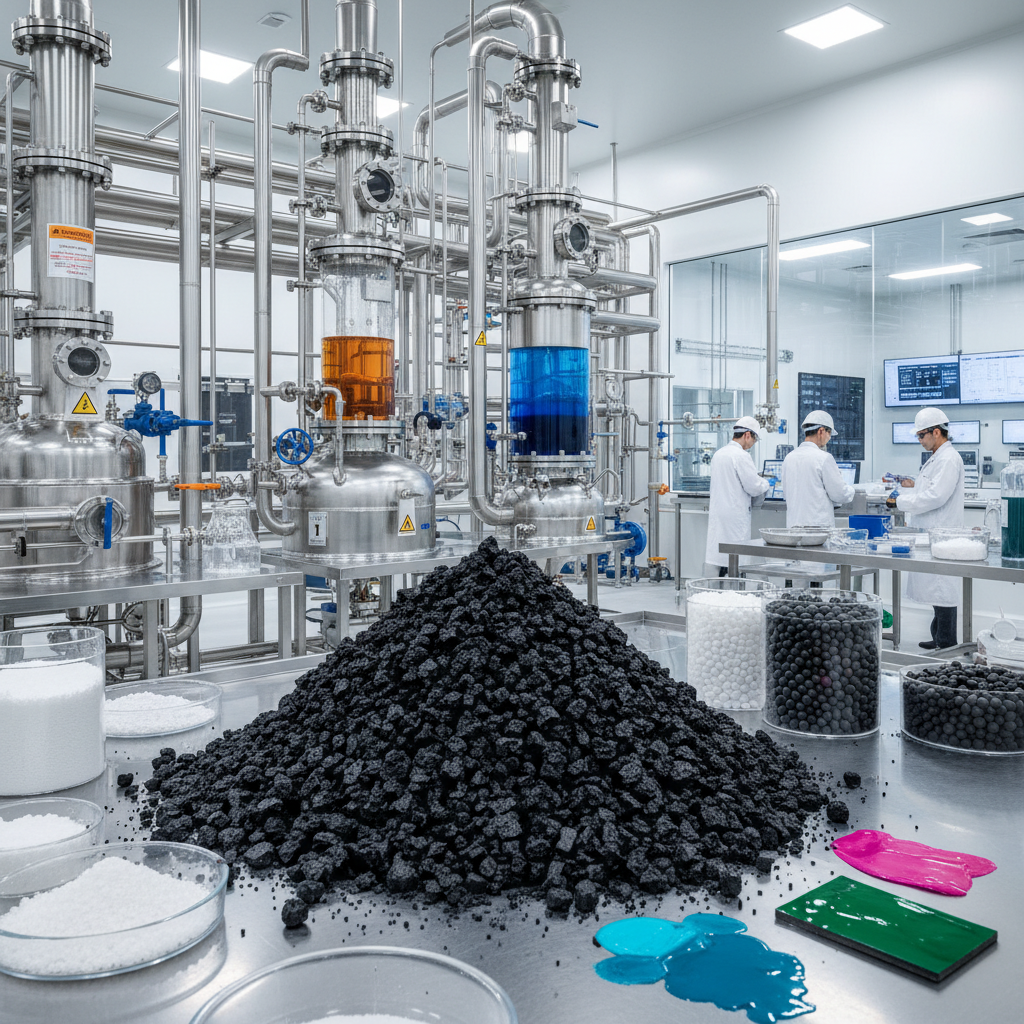
On a global scale, industrial activated carbon plays a pivotal role in mitigating the impact of industrialization on the ecosystem. With the World Bank emphasizing the urgent need for sustainable water management, activated carbon has become the "gold standard" for removing volatile organic compounds (VOCs) and heavy metals from industrial wastewater, preventing toxic runoff into local water tables.
Moreover, in the realm of chemical manufacturing—specifically within inorganic salt production and basic chemical raw materials—the ability to purify catalysts and solvents is critical. The use of high-grade carbon allows manufacturers to maintain a circular economy by recovering precious materials and ensuring that the effluent discharge adheres to the strictest global environmental protocols, thereby reducing the risk of costly legal penalties.
Defining the Mechanisms of Activated Carbon
At its core, industrial activated carbon is a processed form of carbon—typically derived from organic materials—that has been "activated" to create a vast network of microscopic pores. This activation process, whether through steam or chemical agents, strips away the internal structure of the raw material, leaving behind a skeleton of carbon with an incredibly high internal surface area, often exceeding 1,000 square meters per gram.
The primary mechanism at work is adsorption, which differs from absorption. While absorption involves a substance being soaked into the bulk of another material, adsorption is a surface phenomenon. Contaminants in a gas or liquid stream are physically attracted to the carbon surface and trapped within the pores via Van der Waals forces, effectively "locking" the impurities away from the main flow.
In modern humanitarian and industrial contexts, this means the material can be tailored for specific needs. For instance, in water treatment chemicals, the pore size distribution is engineered to target specific molecular weights of toxins, making it an essential tool for both high-end pharmaceutical purification and large-scale municipal water filtration.
Core Factors Influencing Adsorption Efficiency
The efficacy of industrial activated carbon depends heavily on its pore structure, categorized into macropores, mesopores, and micropores. Macropores act as the entry channels, while micropores provide the actual adsorption sites where the chemical trapping occurs. Balancing these three types of pores is essential for maximizing the throughput of any filtration system.
Surface chemistry is another critical factor. By adjusting the pH or introducing specific functional groups to the carbon surface, manufacturers can create "selective" industrial activated carbon. This is particularly vital in mineral processing reagents, where the carbon must selectively adsorb gold or other precious metals while ignoring common earth minerals.
Finally, the mechanical strength (hardness) and attrition resistance determine the longevity of the carbon in pressurized systems. In high-flow industrial environments, carbon that crumbles easily can lead to "fines" escaping into the product stream, which not only wastes material but can contaminate the final output of food additives or high-purity chemicals.
Comparative Analysis of Industrial Carbon Types
Different raw materials yield different properties in industrial activated carbon. Coal-based carbon is often preferred for wastewater treatment due to its broad pore size distribution, while coconut-shell carbon is highly prized in the gold mining and air purification industries for its exceptional microporosity and hardness.
Selecting the appropriate medium is a balance between cost-efficiency and performance. While wood-based carbon offers great accessibility for larger molecules, the high density of coconut-shell variants often results in a lower replacement frequency, reducing the total cost of ownership over the lifecycle of the filtration plant.
Efficiency Ratings of Industrial Activated Carbon Variants
Global Applications and Strategic Use Cases
In the gold mining industry, industrial activated carbon is used in the "Carbon-in-Pulp" (CIP) process. Here, the carbon is added directly to the slurry of ore, where it adsorbs the gold-cyanide complex. This process has revolutionized mining by allowing for the efficient recovery of gold from low-grade ores, making mining operations in remote industrial zones more economically viable.
Beyond mining, the water treatment sector utilizes these materials for the removal of PFAS and other "forever chemicals." In regions with high industrial density, such as East Asia and Western Europe, large-scale activated carbon towers are deployed to strip organic solvents from groundwater, ensuring that the water supplied to communities is free from carcinogenic compounds.
Long-Term Value and Sustainability Benefits
The long-term value of implementing high-quality industrial activated carbon extends beyond mere filtration. By ensuring the purity of raw materials, companies can reduce the rate of catalyst poisoning in chemical reactors, thereby extending the lifespan of expensive industrial equipment and reducing downtime for maintenance.
From a sustainability perspective, the ability to regenerate activated carbon—through thermal reactivation—significantly lowers the environmental footprint of the process. Instead of disposing of spent carbon in landfills, it can be heated in a kiln to burn off adsorbed contaminants and restore its porosity, creating a closed-loop system that aligns with ESG (Environmental, Social, and Governance) goals.
Furthermore, the reliability provided by these materials fosters trust between manufacturers and regulators. In the food additive industry, the use of certified, high-purity carbon ensures that no trace contaminants enter the food chain, protecting consumer health and safeguarding the brand's reputation against costly recalls and safety scandals.
Future Innovations in Carbon Technology
The future of industrial activated carbon is leaning toward "nanostructuring." Researchers are developing carbon nanotubes and graphene-based composites that offer even higher surface areas and more precise selectivity. These innovations allow for the removal of specific ions at concentrations previously thought impossible to filter, opening new doors for ultra-pure chemical manufacturing.
Digital transformation is also touching the industry. The integration of IoT sensors within carbon filtration beds now allows for "predictive breakthrough" monitoring. Instead of replacing carbon based on a fixed schedule, AI algorithms analyze flow rates and pollutant concentrations to determine the exact moment the carbon is saturated, optimizing material usage and reducing waste.
Additionally, the shift toward bio-based precursors—such as agricultural waste and algae—is reducing the reliance on coal-based carbons. This transition not only lowers the carbon footprint of the production process but also provides a sustainable waste-management solution for the agricultural sector, embodying the true spirit of green industrialization.
Technical Comparison of Emerging Carbon Materials
| Material Type |
Adsorption Rate |
Regeneration Ease |
Eco-Impact Score |
| Standard Coal Carbon |
Moderate |
High |
5/10 |
| Premium Coconut Carbon |
High |
Moderate |
8/10 |
| Graphene Composite |
Ultra-High |
Low |
7/10 |
| Bio-Waste Carbon |
Moderate |
High |
10/10 |
| Zeolite-Carbon Hybrid |
Selective |
Moderate |
6/10 |
| Polymer-based Carbon |
High |
Moderate |
4/10 |
FAQS
Regular charcoal is primarily used as fuel and has limited porosity. industrial activated carbon undergoes an additional "activation" process (chemical or thermal) that clears the internal pores and vastly increases the surface area, making it capable of adsorbing molecules from gas or liquid, whereas regular charcoal cannot.
Replacement is usually determined by the "breakthrough point," where the contaminant concentration in the effluent begins to rise. This can be monitored through regular sampling of the treated water or by using integrated pressure sensors that detect clogging. For critical applications, we recommend a dual-bed system where the second bed acts as a safety buffer.
Most coal and coconut-based carbons can be thermally regenerated by heating them to high temperatures to volatilize the adsorbed pollutants. However, some chemically modified or synthetic carbons may lose their specific surface properties during heating and may need to be replaced entirely. Always check the manufacturer's specification for the regeneration profile.
Coconut-shell activated carbon is widely considered the best for gold mining. This is due to its high hardness, which prevents the carbon from breaking into fines during the agitation process in Carbon-in-Pulp (CIP) tanks, and its high density of micropores, which effectively capture the gold-cyanide complex.
Yes, provided that the carbon is "food-grade" and certified. Food-grade industrial activated carbon is produced under strict quality controls to ensure it is free from heavy metals and ash residues, making it safe for decolorizing syrups, refining oils, and purifying food-grade chemicals.
pH can significantly change the surface charge of the carbon. For many organic acids, a lower pH increases adsorption efficiency. Conversely, for certain metal ions, a higher pH may be required. Understanding the pH-dependent nature of your specific contaminant is key to optimizing the contact time and dosage of your carbon system.
Conclusion
In summary, industrial activated carbon is far more than a simple filter medium; it is a sophisticated tool of chemical engineering that enables purity, safety, and environmental stewardship. From the intricate pore-size requirements of food additives to the rugged durability needed in gold mining, the right choice of carbon can drastically improve operational yields and reduce the ecological footprint of any industrial facility.
As we move toward an era of greener industry, the integration of bio-based precursors and AI-driven monitoring will further solidify the role of carbon technology in sustainable development. We encourage industrial operators to move beyond generic solutions and invest in tailored adsorption strategies to future-proof their production lines. For high-performance solutions, visit our website: www.sdjz-chem.com