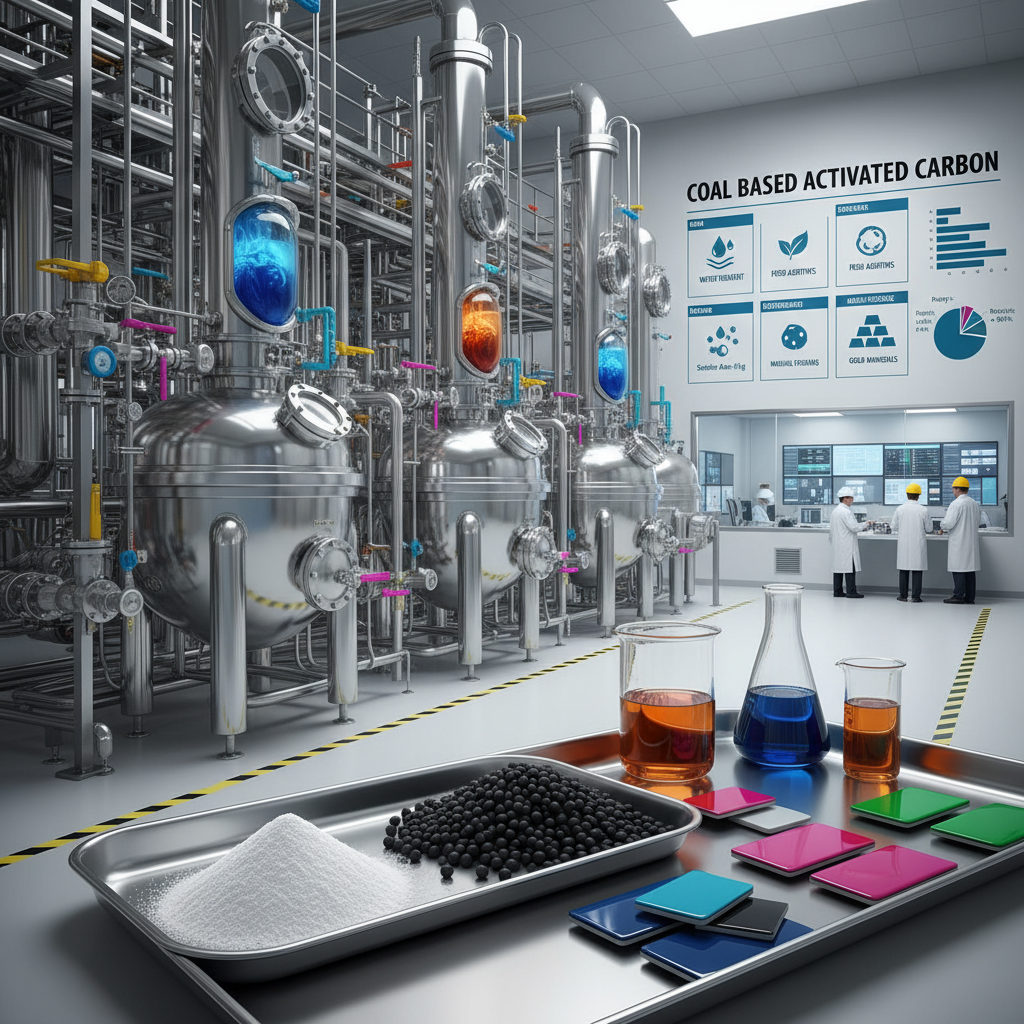
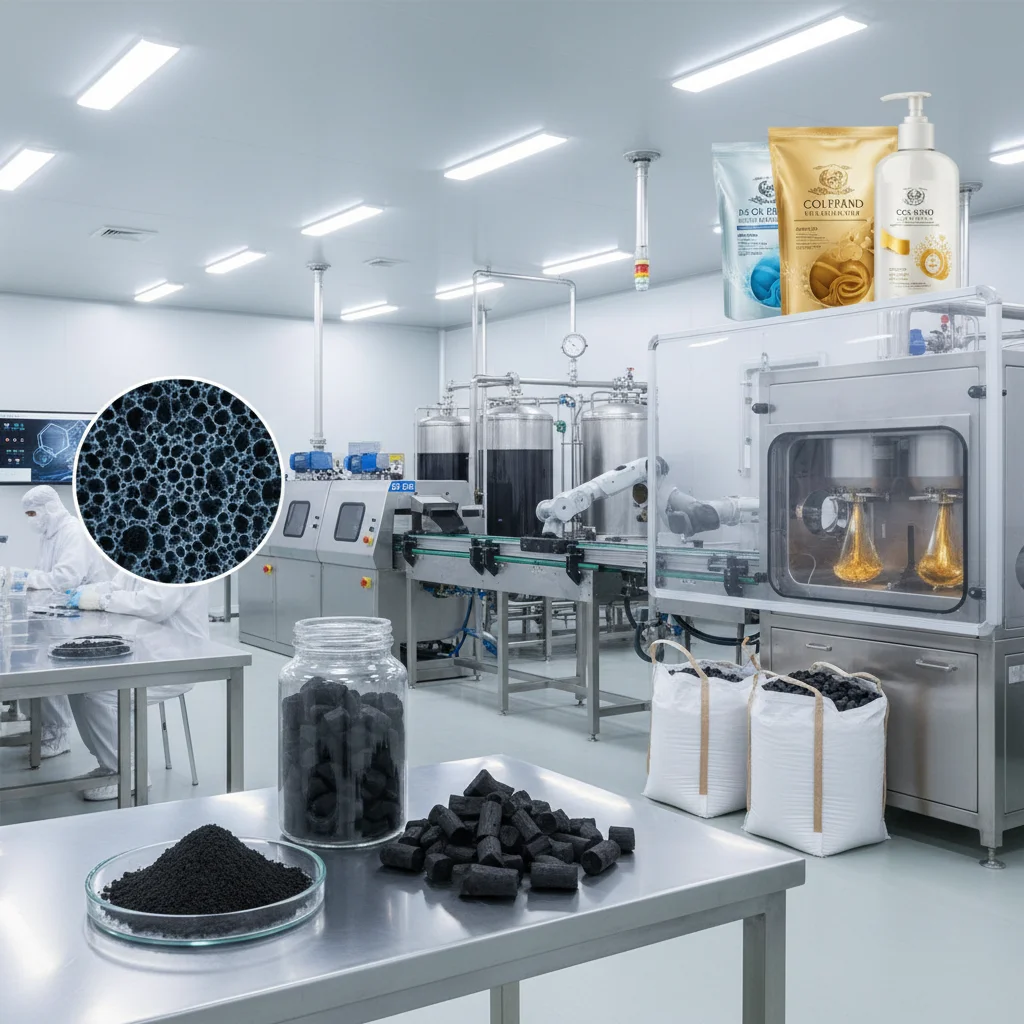
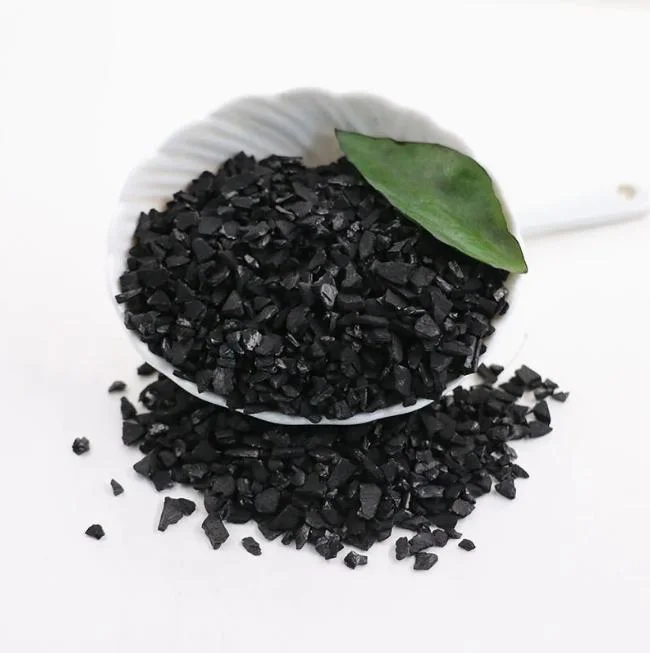
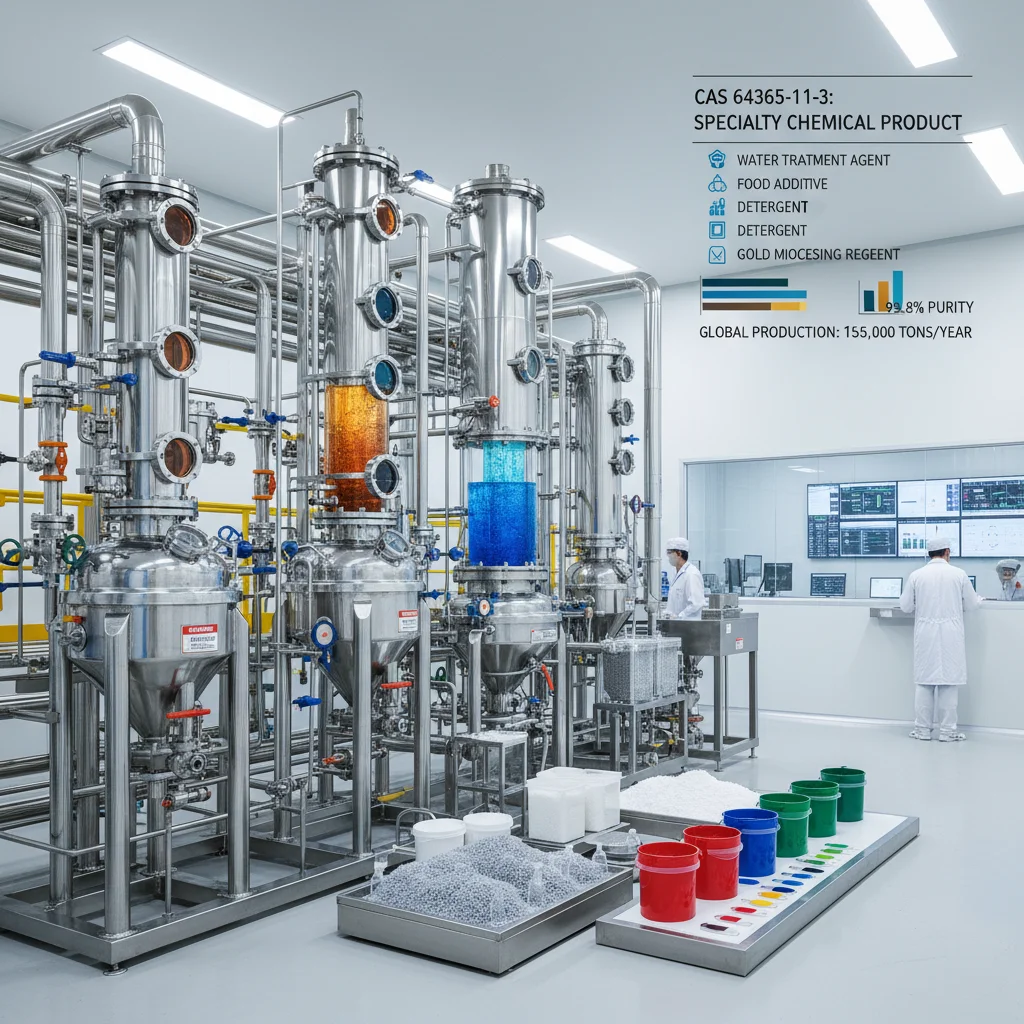
In the modern industrial landscape, the pursuit of high-efficiency purification and filtration has led to the widespread adoption of coal based activated carbon. This versatile material, derived from bituminous or anthracite coal, serves as a cornerstone for removing organic contaminants, odors, and toxins from liquids and gases across various sectors.
Understanding the mechanics of carbon adsorption is crucial for industries ranging from wastewater treatment to food processing. By leveraging a massive internal surface area and a complex pore structure, coal based activated carbon provides a reliable, cost-effective solution for maintaining environmental standards and product purity.
Globally, the demand for high-grade adsorbents is rising as regulatory bodies tighten limits on chemical pollutants. This comprehensive guide explores the technical advantages, industrial applications, and future trajectory of coal-derived carbon, offering professional insights for engineers and procurement specialists seeking optimal purification media.
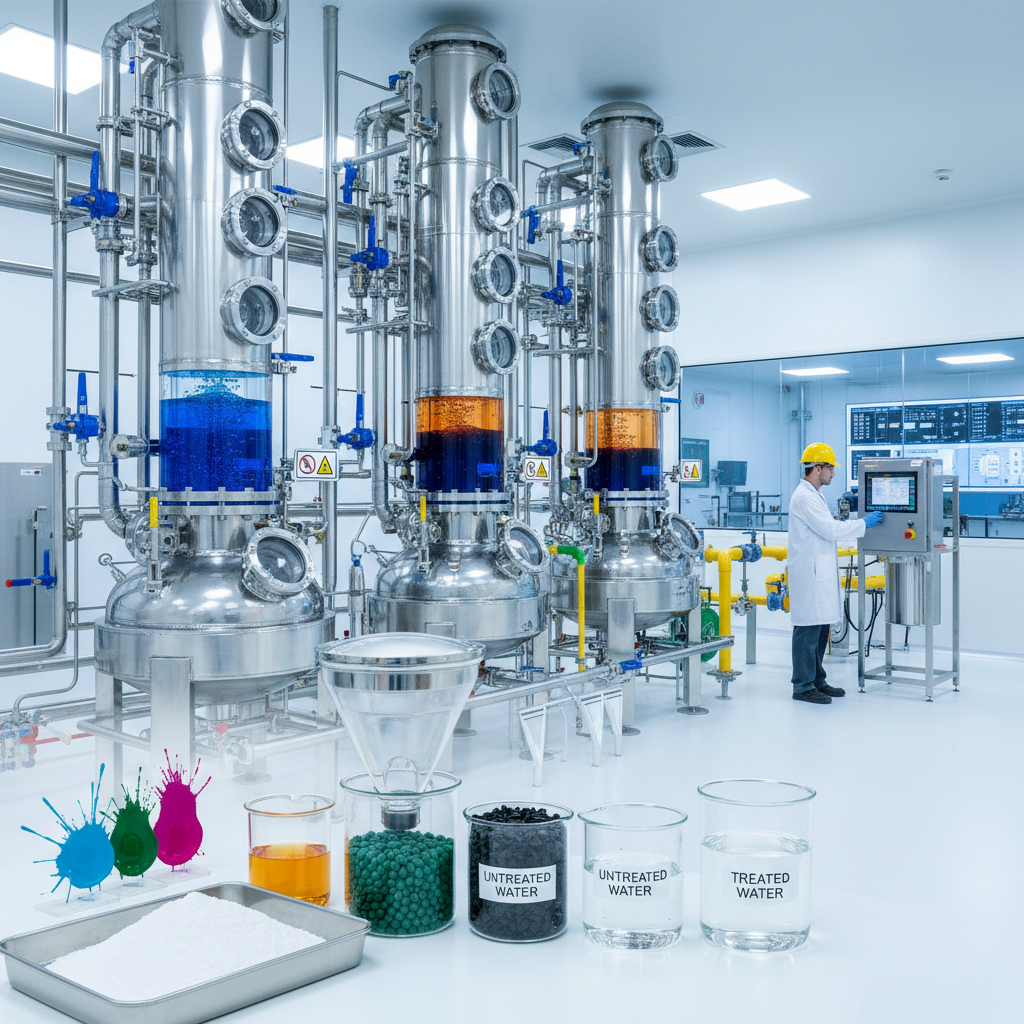
Global Relevance of Coal Based Activated Carbon
On a global scale, the implementation of coal based activated carbon is essential for addressing the crisis of water scarcity and industrial pollution. With the World Health Organization (WHO) and ISO standards emphasizing the removal of volatile organic compounds (VOCs) and heavy metals, coal-derived carbon has become the industry standard due to its superior mechanical strength and broad pore size distribution.
The challenge lies in the increasing complexity of industrial effluents. Traditional filtration methods often fail to capture micropollutants, but the specific architecture of coal based activated carbon allows for the effective capture of a wide range of molecular weights, ensuring that treated water meets stringent international safety guidelines.
Defining the Properties of Coal Based Activated Carbon
In simple terms, coal based activated carbon is a processed form of coal that has been "activated" through steam or chemical treatment to open up millions of tiny pores. This process dramatically increases the surface area—often reaching over 1,000 square meters per gram—transforming a raw mineral into a powerful molecular sponge.
From a humanitarian and industrial perspective, this material is vital for providing clean drinking water in developing regions and preventing hazardous chemical leaks in manufacturing plants. Its ability to selectively adsorb impurities makes it indispensable for the production of high-purity chemicals and pharmaceuticals.
Unlike wood or coconut shell carbon, coal-based variants typically offer a more balanced distribution of micropores and mesopores. This makes coal based activated carbon the preferred choice for applications requiring the removal of a diverse array of organic pollutants in a single pass.
Core Components and Technical Factors
The efficiency of coal based activated carbon is primarily determined by its pore structure. Micropores (< 2nm) are critical for capturing small molecules, while mesopores (2-50nm) act as transportation channels, allowing pollutants to reach the deeper active sites of the carbon matrix.
Durability and mechanical hardness are key factors for industrial scalability. Because coal based activated carbon is physically denser than biomass carbons, it resists attrition and crumbling during backwashing cycles, which reduces the frequency of media replacement and lowers overall operational expenditure.
Cost efficiency is achieved through the abundance of raw materials and the scalability of the activation process. By optimizing the temperature and steam flow during production, manufacturers can tailor the iodine value and CTC (Carbon Tetrachloride) adsorption capacity of coal based activated carbon to meet specific client requirements.
Industrial Applications and Use Cases
In real-world contexts, coal based activated carbon is deployed across diverse sectors. In the gold mining industry, it is used in carbon-in-pulp (CIP) and carbon-in-leach (CIL) processes to recover gold from cyanide leach solutions, providing a high-capacity medium for precious metal recovery.
Furthermore, in remote industrial zones or post-disaster relief operations, portable filtration units utilizing coal based activated carbon are used to quickly purify contaminated groundwater, removing harmful pesticides and industrial solvents to ensure basic human survival and health.
Performance Comparison of Carbon Adsorbents
Long-Term Value and Sustainable Benefits
The long-term value of coal based activated carbon extends beyond simple filtration; it is about building trust in product safety and environmental stewardship. For companies in the water treatment and food additive sectors, using high-purity carbon ensures the removal of off-flavors and toxic residuals, protecting brand reputation and consumer health.
From a sustainability perspective, the ability to thermally regenerate coal based activated carbon reduces the need for virgin material extraction. This circular economy approach lowers the carbon footprint of the purification process, combining economic reliability with ecological responsibility.
Future Trends and Innovation in Adsorption
The future of coal based activated carbon is moving toward "functionalization." Researchers are developing surface-modified carbons where specific chemical groups are grafted onto the coal matrix to target specific pollutants, such as PFAS (forever chemicals) or specific heavy metal ions, with unprecedented precision.
Digital transformation is also playing a role, with the integration of AI-driven sensors in filtration beds to predict the exact moment of carbon saturation. This allows operators to optimize the replacement cycle of coal based activated carbon, eliminating waste and preventing breakthrough contamination.
Additionally, the shift toward green energy is influencing the activation process. The use of electric furnaces powered by renewable energy for the steam activation of coal based activated carbon is reducing the overall greenhouse gas emissions associated with the production of these critical adsorbents.
Overcoming Common Implementation Challenges
One of the primary challenges in using coal based activated carbon is the risk of "pore plugging," where larger particles block the entrances to micropores. This is typically solved by implementing a multi-stage filtration system where sand or multimedia filters remove suspended solids before the water reaches the carbon bed.
Another common concern is the initial release of "carbon fines"—tiny dust particles that can contaminate the effluent. Professional installation practices, including rigorous pre-washing and the use of high-grade, hard-granule coal based activated carbon, effectively mitigate this risk.
Finally, optimizing the contact time (Empty Bed Contact Time - EBCT) is crucial. Too short a time leads to poor adsorption, while too long increases the footprint of the equipment. Expert engineering of the flow rate ensures that coal based activated carbon operates at its peak kinetic efficiency.
Comparative Analysis of Coal Based Activated Carbon Specifications
| Carbon Grade |
Iodine Value (mg/g) |
Hardness Rating |
Primary Application |
| Premium Anthracite |
1100 - 1200 |
9.8 |
Ultra-pure Water |
| Standard Bituminous |
900 - 1050 |
8.5 |
Industrial Effluent |
| Mining Grade |
800 - 950 |
9.2 |
Gold Recovery |
| Air Purification |
1000 - 1100 |
7.0 |
VOC Removal |
| Food Grade |
950 - 1000 |
8.0 |
Decolorization |
| General Purpose |
700 - 850 |
7.5 |
Simple Filtration |
FAQS
Coal based activated carbon typically possesses a broader distribution of pore sizes (including more mesopores) compared to the predominantly microporous structure of coconut shell carbon. This allows it to adsorb a wider variety of organic molecule sizes, making it more versatile for complex industrial wastewater streams where multiple types of contaminants are present.
The replacement frequency depends on the pollutant load and flow rate. Typically, in industrial settings, carbon beds are monitored for "breakthrough" (when pollutants appear in the effluent). Depending on the application, this can range from every 3 months to once a year. Thermal regeneration can often restore 80-90% of the original capacity.
Yes, provided it is a "Food Grade" variant. Food-grade coal based activated carbon is processed to ensure the absence of toxic ash and heavy metals. It is widely used for decolorizing sugar syrups, purifying oils, and removing chlorine from beverage water, adhering to FDA and EFSA standards.
The most effective solution is pre-filtration. Installing a multi-media filter or a sediment filter before the coal based activated carbon stage removes suspended solids. Regular backwashing of the carbon bed also helps dislodge trapped particles and prevents the formation of preferential flow paths (channeling).
In CIP/CIL circuits, the carbon is continuously cycled. While the carbon remains physically stable for a long time due to its high hardness, it eventually accumulates "poisoning" from organic matter or fine minerals. It is typically regenerated in an on-site kiln every few days to maintain high gold loading efficiency.
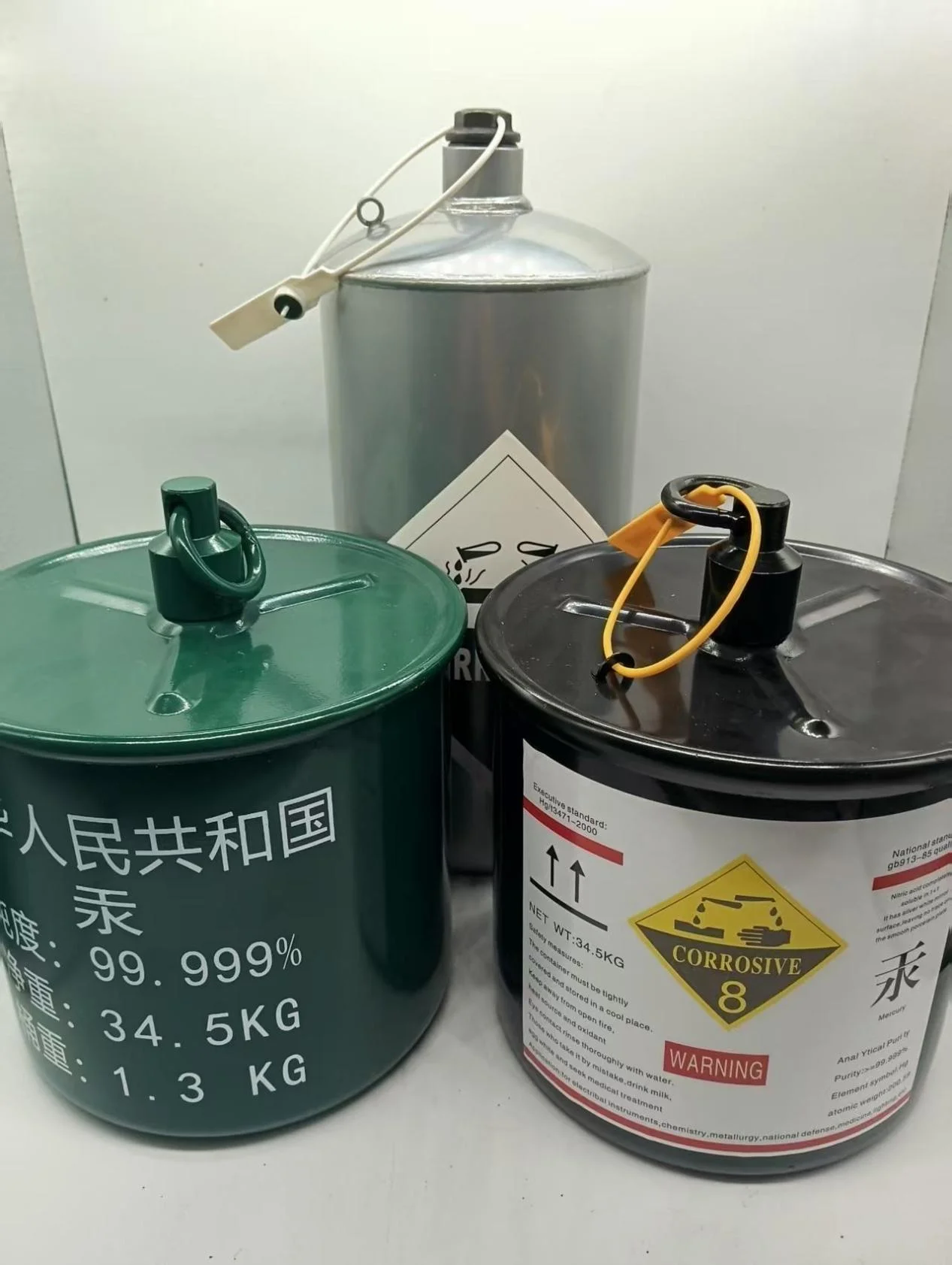
While primarily designed for organic molecules, coal based activated carbon can remove certain heavy metals through physical adsorption and ion exchange. For enhanced metal removal, specially impregnated carbons (containing sulfur or other reagents) are used to chemically bind metals like mercury or lead more effectively.
Conclusion
In summary, coal based activated carbon remains one of the most powerful and versatile tools in the arsenal of industrial purification. Its unique combination of mechanical strength, diverse pore structure, and cost-effectiveness makes it the optimal choice for challenges ranging from gold recovery to large-scale municipal water treatment. By understanding the technical nuances of grade selection and maintenance, industries can significantly improve their environmental footprint and product quality.
Looking forward, the evolution of surface-modified carbons and AI-integrated monitoring will only enhance the efficiency of adsorption processes. We encourage industrial engineers and procurement managers to transition toward high-grade, regenerable carbon solutions to ensure long-term operational sustainability. For premium purification media and expert technical support, visit our website: www.sdjz-chem.com.