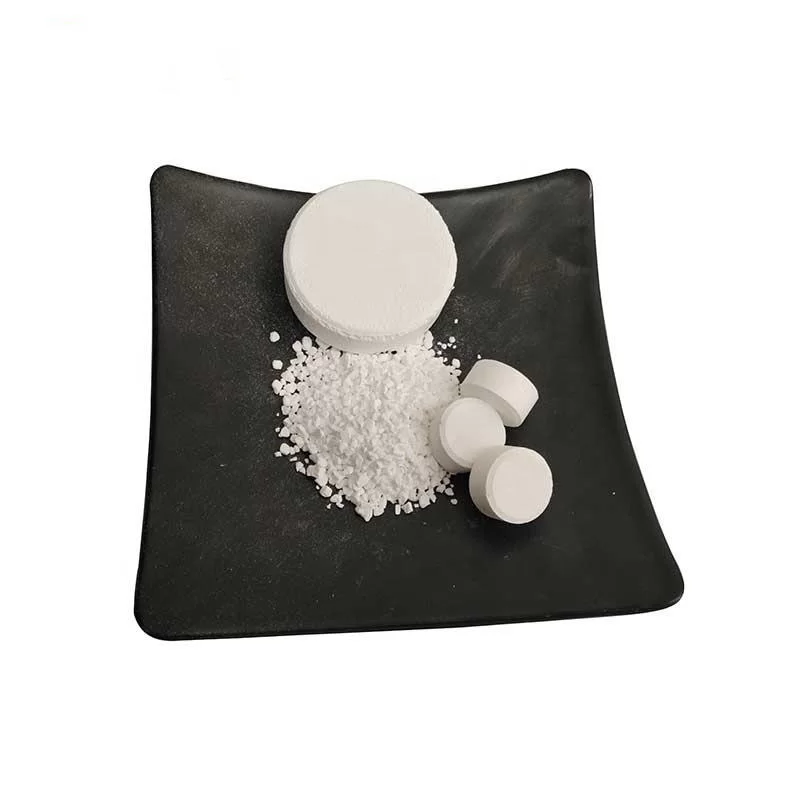
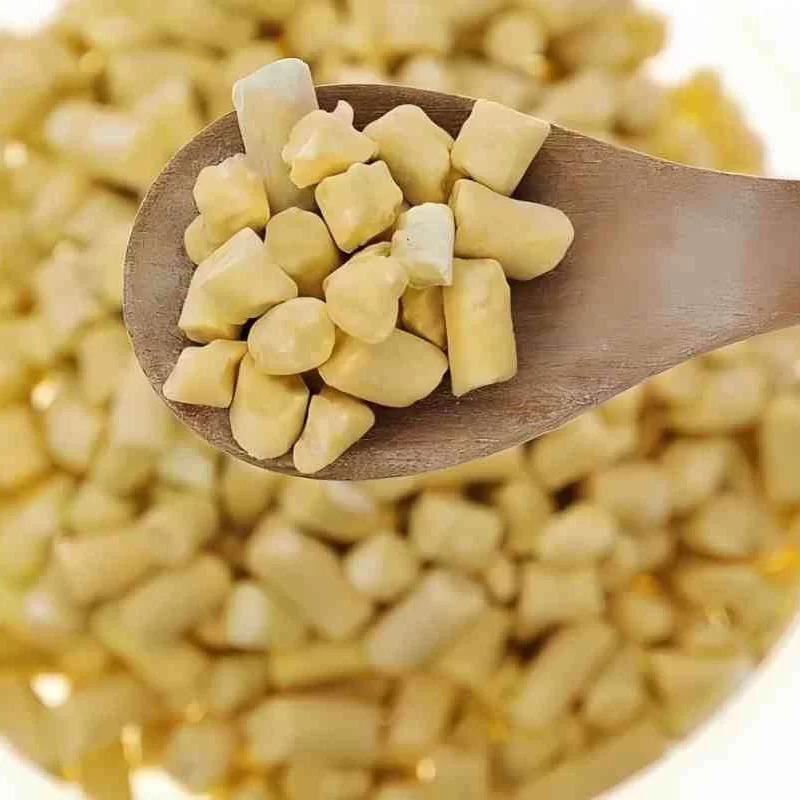
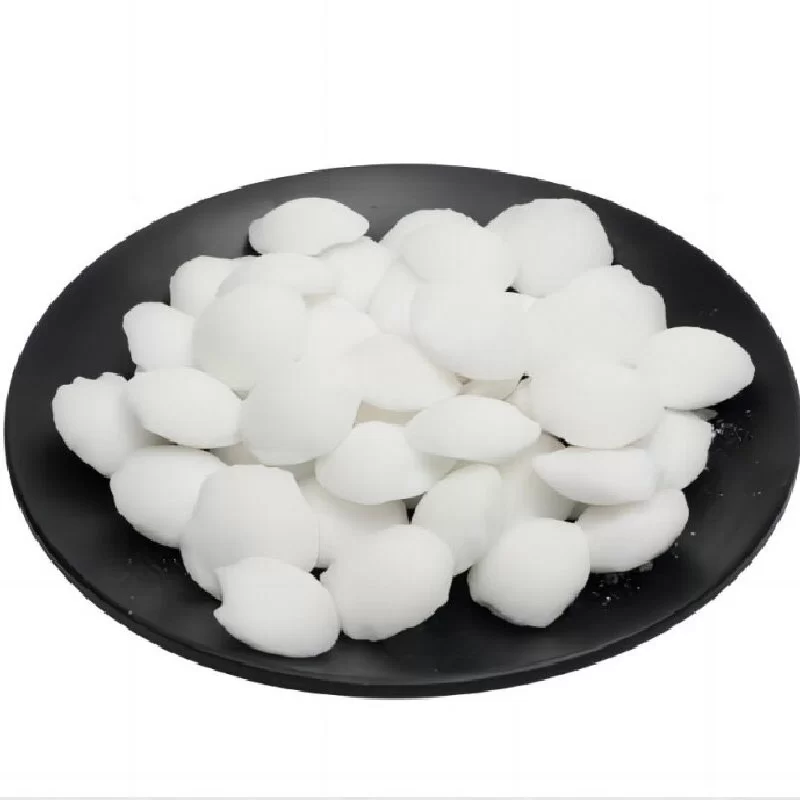
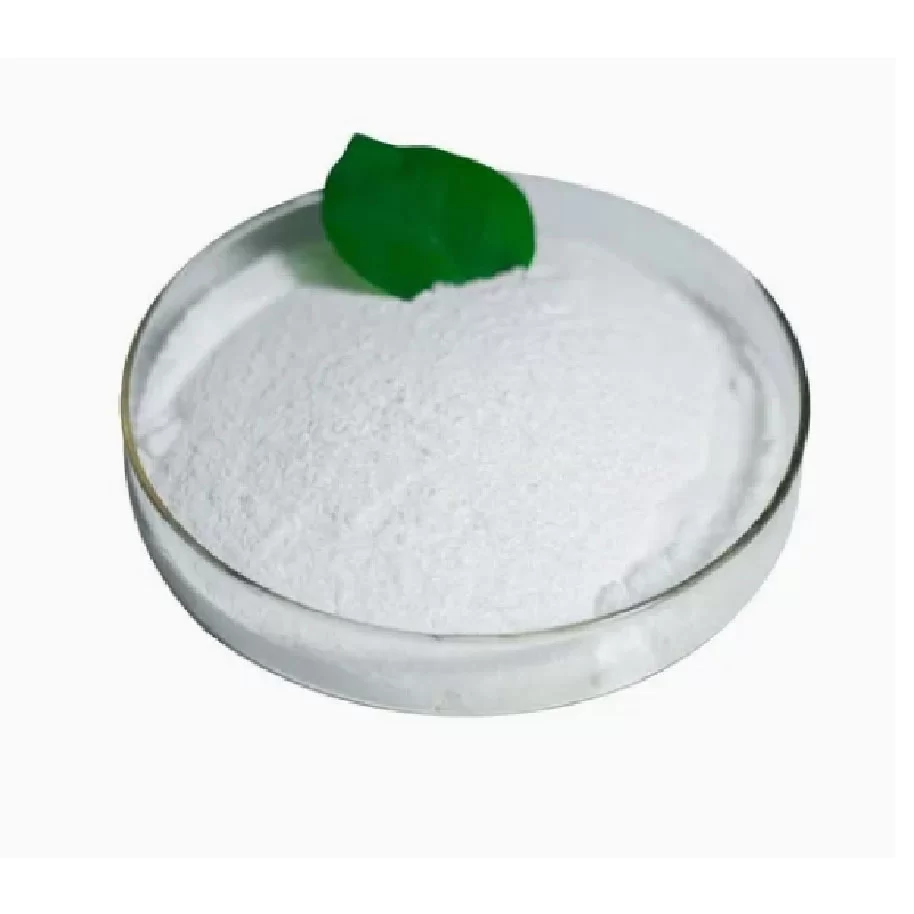
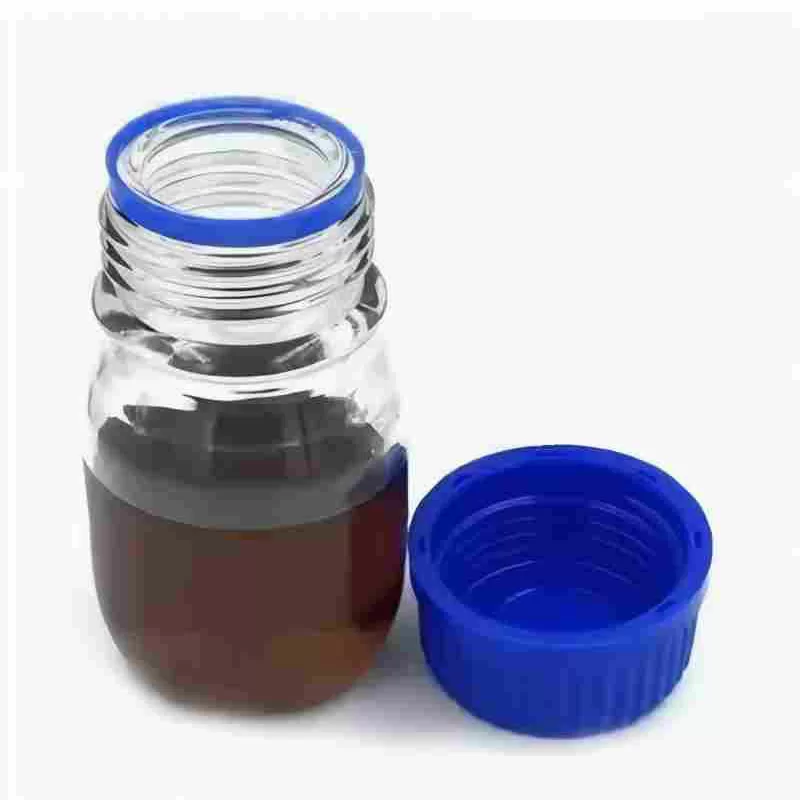
Cuba's inorganic salt manufacturing sector is largely driven by the needs of its agricultural, water treatment, and pharmaceutical industries. The island's tropical climate and reliance on agriculture necessitate a consistent supply of chemicals like calcium hypochlorite for water purification and aluminum sulfate for sugar refining. However, economic constraints and limited access to advanced technologies present significant hurdles.
Import dependence is a key characteristic of the Cuban chemical industry. While some basic inorganic salts are produced locally, the demand often exceeds domestic capacity, requiring reliance on imports. This dependence is amplified by U.S. embargoes, restricting access to certain markets and creating supply chain vulnerabilities. Companies specializing in activated carbon and xanthan gum face particular challenges in establishing a consistent presence.
The Cuban government is actively seeking to modernize its industrial base, including the chemical sector. This involves attracting foreign investment, upgrading existing facilities, and promoting sustainable manufacturing practices. The focus is on developing import substitution industries and bolstering self-sufficiency in key chemical products, offering opportunities for strategic partnerships.