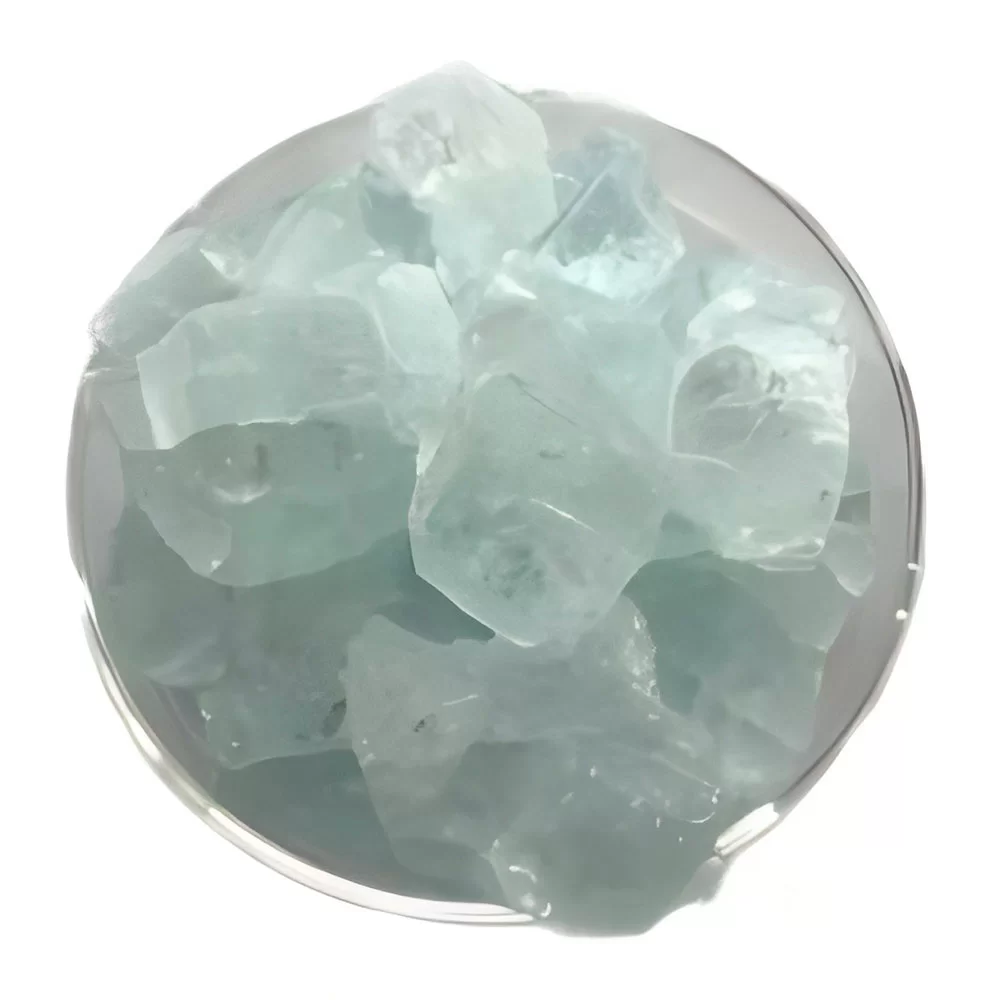
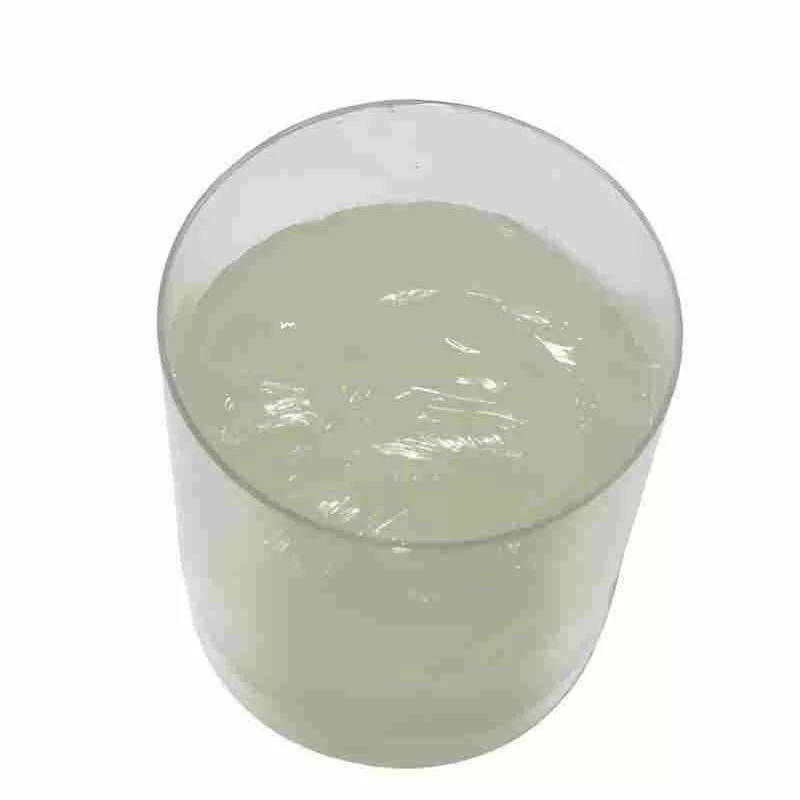
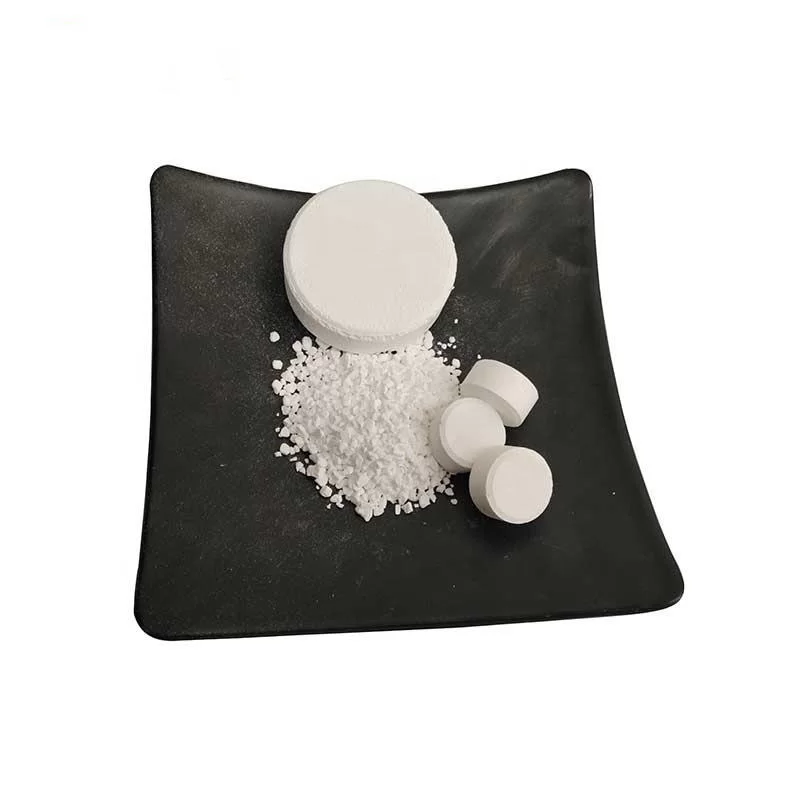
Libya's inorganic salt manufacturing sector faces unique challenges stemming from the country’s political and economic landscape. The ongoing instability impacts supply chains, infrastructure, and investment. The demand for chemicals like xanthan gum and calcium hypochlorite is driven primarily by the water treatment, oil & gas, and agricultural industries, but disruptions hinder consistent supply.
The arid climate necessitates significant water treatment, creating a consistent need for chemicals like aluminum sulfate. However, reliance on imports and a lack of local production capacity make Libya vulnerable to price fluctuations and logistical bottlenecks. The limited diversification of the economy also restricts growth in related sectors.
Despite these hurdles, Libya possesses significant potential. The abundance of natural resources, particularly oil and gas, provides a foundation for developing a robust chemical industry. Investment in infrastructure, coupled with political stability, could unlock this potential and foster sustainable growth in the inorganic salt manufacturing sector.