
Product keywords : Sodium cyanide Activated carbon Silver Mercury

Calcium Hypochlorite Solutions for Gambia's Water Treatment Needs

Providing high-quality chemical solutions for diverse industrial applications across Gambia.

Current State of Inorganic Salt Manufacturing in Gambia

Challenges and Opportunities in the Gambian Chemical Industry.

Gambia, as a developing nation, possesses a relatively nascent inorganic salt manufacturing sector. Demand is largely driven by water treatment, agriculture, and emerging industrial processes. Currently, the country heavily relies on imports for a significant portion of its chemical needs, including calcium hypochlorite for water purification. Local production is limited, presenting both challenges and opportunities for growth.

The Gambian climate, characterized by a distinct rainy season and periods of drought, influences the demand for chemicals like aluminum sulfate, crucial for water clarification, especially during the rainy season when turbidity increases. The agricultural sector, a cornerstone of the Gambian economy, necessitates consistent supply of fertilizers and related chemicals.

Logistical hurdles, including port capacity and inland transportation infrastructure, pose significant challenges to both importing and potentially scaling up local production. Economic factors, such as currency fluctuations and access to financing, also impact the viability of chemical manufacturing in Gambia.
Historical Development and Evolution of Inorganic Salt Production

Tracing the evolution of chemical manufacturing technologies in the region.

Market Development History

Historically, Gambia’s chemical supply relied almost entirely on imports from Europe and Asia. The 1980s and 90s saw limited attempts at small-scale blending and packaging of imported chemicals. The demand for activated carbon was initially limited to specialized applications.

The early 2000s witnessed increased awareness of water quality issues and a corresponding demand for water treatment chemicals like calcium hypochlorite. Government initiatives to improve sanitation began to drive demand. Simultaneously, the agricultural sector started recognizing the benefits of soil conditioning agents such as xanthan gum.

The last decade has seen the emergence of a few small-scale chemical blending facilities within Gambia, focusing primarily on repackaging imported materials. Increasing industrial activity has also created a need for specialized chemicals like benzoic acid for preservative applications.

Future Development Trends

Increasing Demand for Water Purification Chemicals

Driven by population growth and concerns about water scarcity, demand for water treatment chemicals, particularly calcium hypochlorite, is expected to rise significantly.

Growth of the Agricultural Sector and Demand for Soil Amendments

Government investments in agriculture and the adoption of modern farming techniques will fuel demand for soil conditioners and fertilizers, potentially increasing the use of xanthan gum and other specialty chemicals.

Potential for Local Production of Basic Inorganic Salts

With improved infrastructure and access to capital, there's a growing possibility of establishing local production facilities for basic inorganic salts like aluminum sulfate, reducing reliance on imports.

Industry Trends and Future Outlook for Inorganic Salts in Gambia

Projecting the future landscape of the chemical industry in Gambia.

Increasing Focus on Sustainable Solutions
A growing emphasis on environmentally friendly chemicals and processes will drive demand for sustainable alternatives in water treatment and agriculture.
Growing Demand for Specialized Chemicals
As Gambian industries diversify, the need for specialized chemicals like benzoic acid for food preservation will increase.
Increased Regulatory Scrutiny
Stricter regulations regarding chemical handling, storage, and disposal will necessitate adherence to international standards.
Supply Chain Resilience
Global supply chain disruptions will increase the importance of diversifying sourcing and building regional chemical production capacity.

Industry Outlook

Over the next 3-5 years, the Gambian chemical industry is poised for moderate growth, driven by infrastructure development, agricultural expansion, and increasing awareness of public health and environmental concerns. Investment in local production capacity will be crucial to meet rising demand and reduce reliance on imports.

The long-term outlook is positive, but success will depend on addressing logistical challenges, fostering a skilled workforce, and attracting foreign investment.

Local Application Scenarios in Gambia

Practical applications of inorganic salts in various sectors across Gambia.

1. Water Purification in Rural Communities

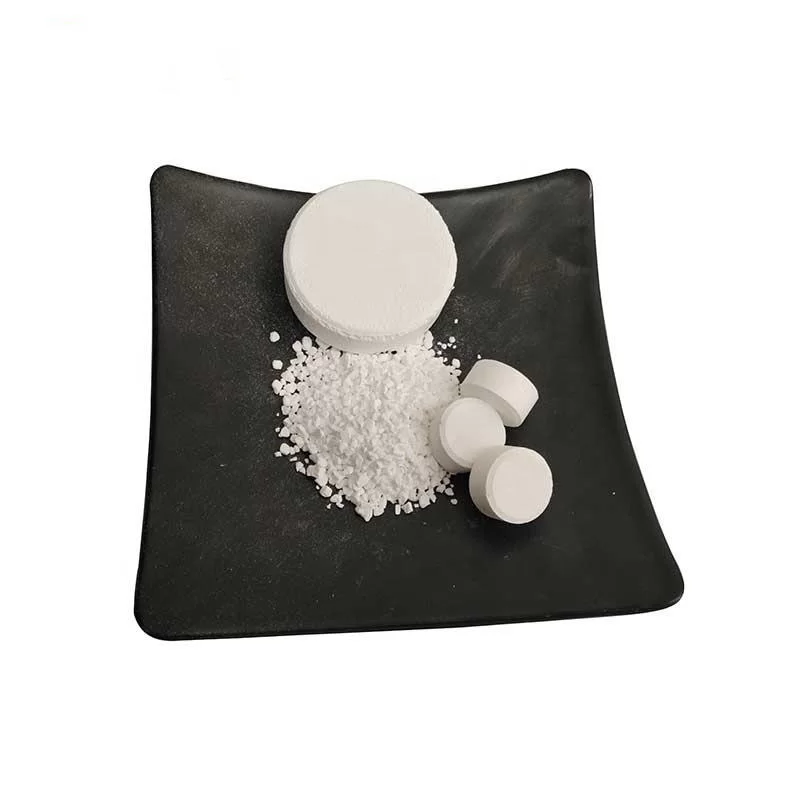
Providing calcium hypochlorite for disinfecting well water and boreholes in rural villages, combating waterborne diseases and improving public health.

2. Soil Conditioning for Rice Cultivation

Utilizing xanthan gum to improve water retention and nutrient absorption in rice paddies, boosting yields and enhancing agricultural productivity.

3. Textile Dyeing and Finishing

Employing aluminum sulfate as a mordant in traditional textile dyeing processes, ensuring vibrant and long-lasting colors for locally produced fabrics.

4. Food Preservation in Local Markets

Applying benzoic acid as a preservative in locally produced fruit juices and jams, extending shelf life and reducing food waste.

5. Industrial Wastewater Treatment

Using activated carbon in industrial wastewater treatment plants to remove pollutants and contaminants, ensuring compliance with environmental regulations.

Brand Story

Shandong Jiuzhou Chemical Co., Ltd.'s Global Development Journey

Commitment to Quality

Founded on a dedication to providing consistently high-quality chemical products, Shandong Jiuzhou Chemical Co., Ltd. prioritizes rigorous quality control measures throughout the entire manufacturing process.

Global Reach, Local Focus

We serve a global clientele, while maintaining a deep understanding of the unique needs and challenges faced by customers in specific regions like Gambia.

Sustainable Practices

We are committed to sustainable manufacturing practices, minimizing our environmental impact and promoting responsible chemical handling.

Customer-Centric Approach

We prioritize building long-term relationships with our customers, providing tailored solutions and exceptional customer support.

Innovation and Development

We continuously invest in research and development to stay at the forefront of chemical innovation, offering cutting-edge solutions to our customers.

Frequently Asked Questions about Inorganic Salts in Gambia

Addressing common inquiries regarding chemical supply and applications in the Gambian market.

What is the shelf life of calcium hypochlorite in Gambia’s humid climate?

Calcium hypochlorite's shelf life is affected by humidity. Store it in a cool, dry, and well-ventilated area, sealed tightly, to maximize its efficacy. Expect a reduced lifespan compared to storage in drier climates.

How can aluminum sulfate improve water quality in Gambia’s rivers?

Aluminum sulfate acts as a coagulant, causing suspended particles in river water to clump together for easier removal through filtration, resulting in clearer and safer water.

Is benzoic acid approved for use as a food preservative in Gambia?

Benzoic acid is generally permitted as a food preservative in Gambia, within limits set by national food safety regulations. Always check the latest guidelines to ensure compliance.

What are the safety precautions when handling activated carbon powder?

Activated carbon powder can be irritating to the respiratory system and skin. Always wear a dust mask, gloves, and eye protection when handling it. Avoid inhalation and direct contact.

How does xanthan gum contribute to soil health in Gambian agriculture?

Xanthan gum improves soil structure, enhances water retention, and promotes microbial activity, leading to healthier plant growth and increased crop yields in Gambia's agricultural lands.

What is the best method for storing calcium hypochlorite to maintain its effectiveness?

Store calcium hypochlorite in a tightly sealed, non-metallic container in a cool, dry, and well-ventilated location, away from direct sunlight, heat, and incompatible materials.

Let's Discuss Your Chemical Needs in Gambia

We are your trusted partner for high-quality chemical solutions in Africa - Gambia. Contact us today to learn more about our products and services.

Contact Us Now

If you are interested in our products, you can choose to leave your information here, and we will be in touch with you shortly.