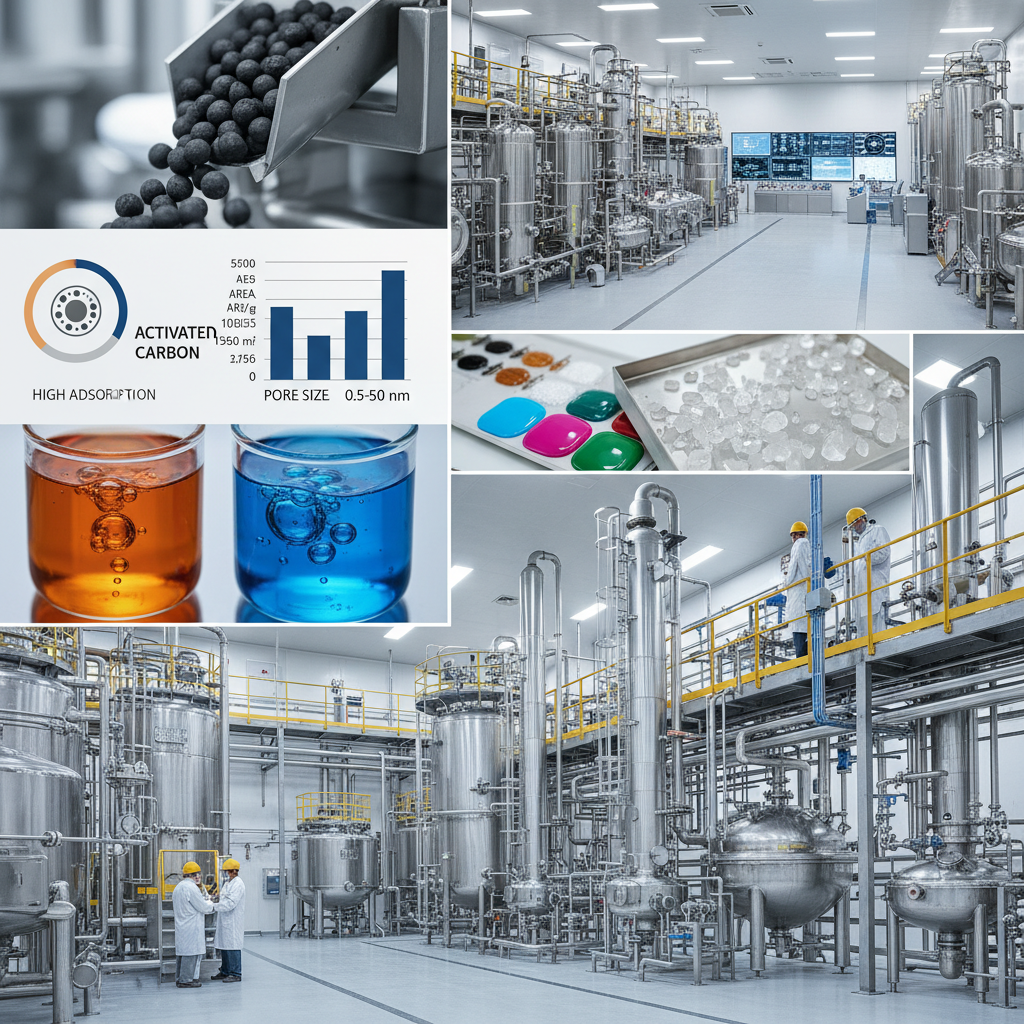
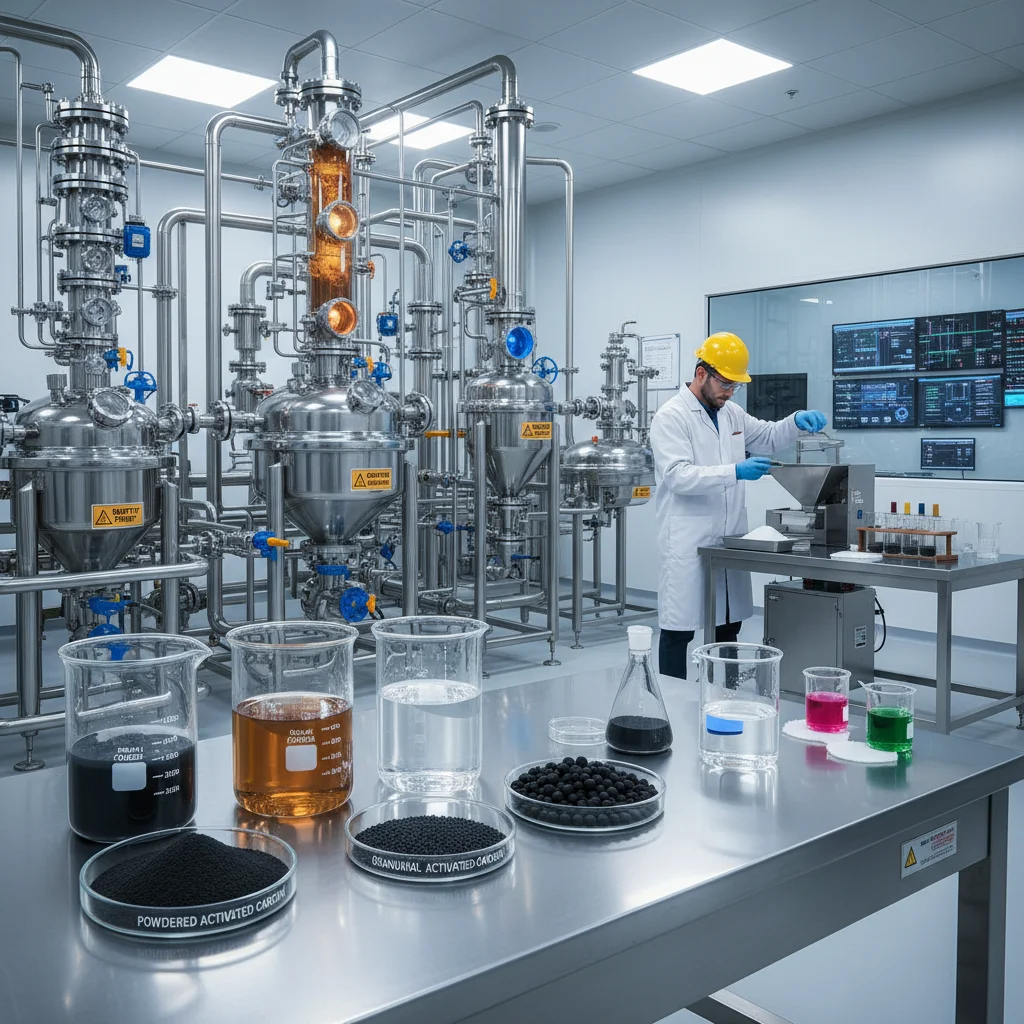
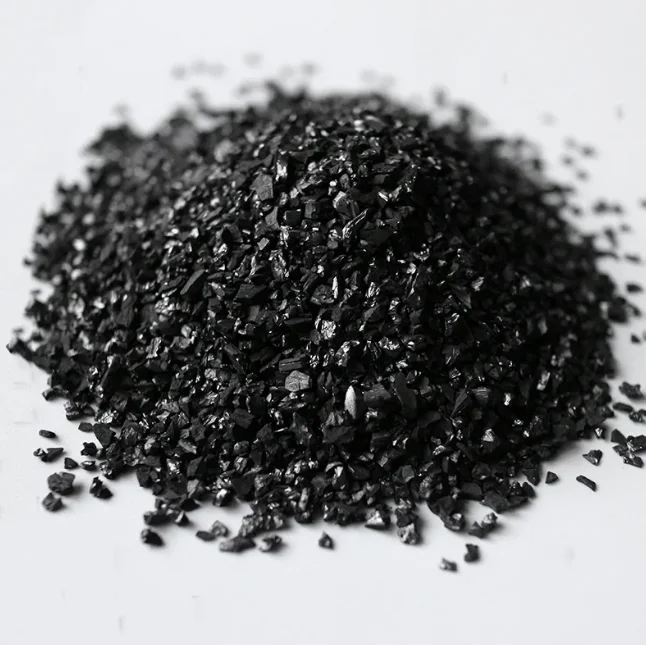
Activated carbon pellets – they’re not glamorous, but trust me, after years on construction sites, dealing with everything from dust control to wastewater treatment, you learn to appreciate the unsung heroes. These little black beads are essential for clean air and water, and honestly, a lot of projects wouldn’t meet regulations without them. It’s a surprisingly versatile material, and the demand is only growing as environmental concerns increase. Understanding their properties and applications isn't just about ticking boxes, it’s about building responsibly and protecting the health of workers and the surrounding community.
I've seen firsthand how crucial effective filtration is. Poor air quality on a site slows down crews, impacts health, and leads to costly delays. Similarly, improper wastewater disposal can result in hefty fines and environmental damage. Activated carbon pellets provide a relatively simple, yet incredibly effective solution to both. They’re not a ‘set it and forget it’ type of product – proper selection, installation, and monitoring are key – but that’s where a good supplier and a little know-how come in.
What I appreciate most about working with activated carbon pellets is their adaptability. Whether it's tackling odors from concrete curing, removing contaminants from groundwater, or filtering exhaust fumes, there’s a pellet type and system configuration to fit the bill. It's a material that allows us to proactively address environmental challenges, rather than just reacting to them.
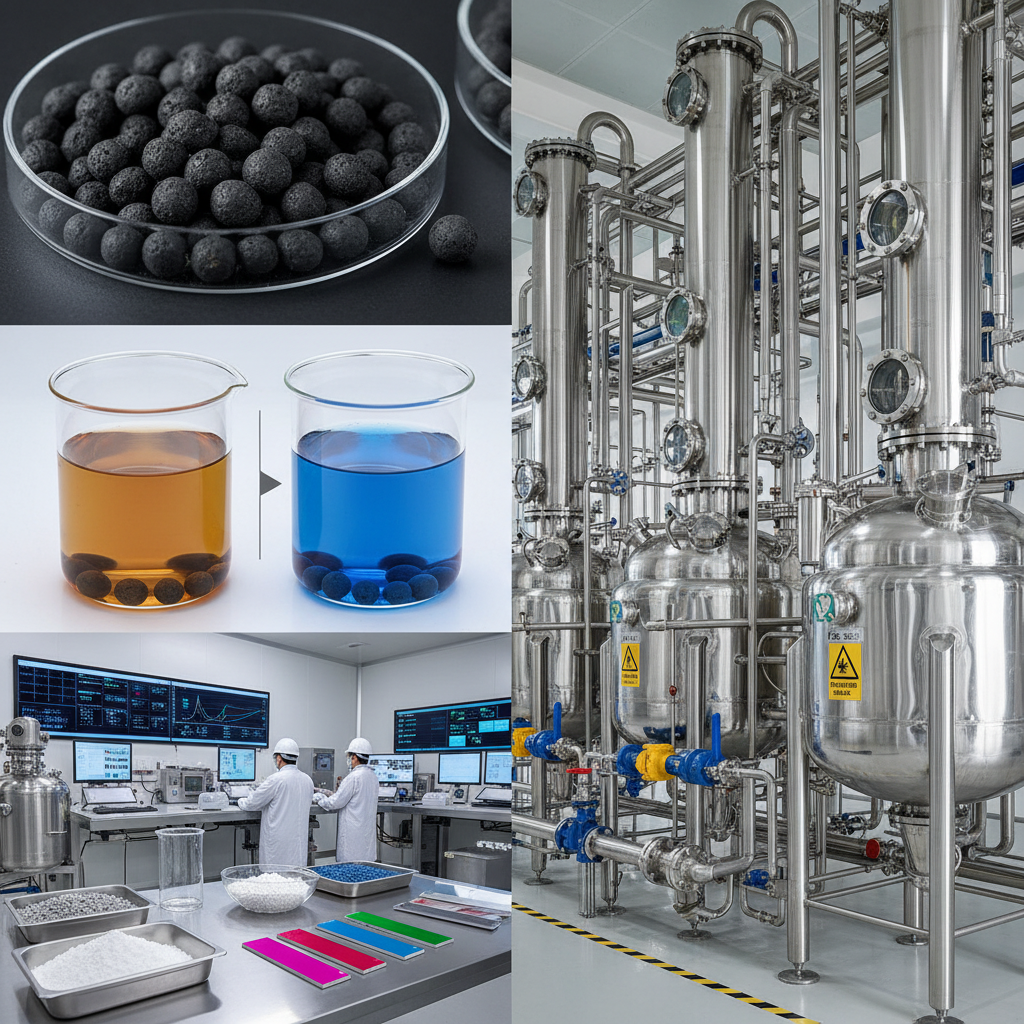
The Importance of Activated Carbon Pellets in Industrial Applications
Look, I spend my days making sure projects run smoothly, and that means dealing with the messy stuff. Activated carbon pellets are a critical component in managing industrial waste streams, particularly when it comes to water purification and air filtration. The global market for these pellets is substantial – we're talking billions of dollars annually, driven by increasingly stringent environmental regulations and a growing awareness of industrial pollution. It's not just about compliance; it’s about sustainability.
You see, a lot of industries generate wastewater containing heavy metals, organic compounds, and other harmful substances. Discharging this untreated can have devastating consequences for ecosystems and public health. Activated carbon pellets act like a sponge, adsorbing these contaminants and leaving cleaner water behind. The same principle applies to air purification, removing odors, volatile organic compounds (VOCs), and other airborne pollutants. It's a preventative measure that ultimately saves money and protects our environment.
Defining Activated Carbon Pellets: A Practical Perspective
Put simply, activated carbon pellets are produced by taking carbon-rich source materials – things like wood, coal, coconut shells, or even agricultural waste – and treating them to create a highly porous structure. This porosity is key; it massively increases the surface area available for adsorption. Think of it like taking a flat piece of paper and crumpling it into a ball – you've dramatically increased the surface area. This increased surface area gives the pellets an incredible capacity to bind to contaminants.
The ‘activation’ process – typically involving high temperatures and oxidizing agents – opens up these pores and enhances their adsorptive properties. Different activation methods result in pellets with varying pore sizes and characteristics, making them suitable for different applications. It's not just about the material; it’s about how it’s made.
From a practical standpoint, these pellets are often used in packed-bed columns or filter systems. The contaminated fluid (water or air) passes through the bed, and the contaminants adhere to the carbon surface. Eventually, the pellets become saturated and need to be replaced or regenerated. That’s where understanding the specifics of your application and choosing the right type of pellet becomes critical.
Key Factors Influencing Activated Carbon Pellet Performance
Several factors directly impact how well activated carbon pellets perform. Pore size distribution is huge - smaller pores are better for removing smaller molecules, while larger pores can handle larger ones. The source material also plays a role. Coconut shell-based carbon tends to be harder and more durable, making it ideal for applications involving abrasive materials or high flow rates.
Another critical factor is the pH of the fluid being treated. Some contaminants adsorb more effectively at specific pH levels. And then there’s the presence of other compounds that might compete for adsorption sites. It's not always a simple one-to-one process. You need to consider the entire chemical environment to optimize performance. I’ve seen projects where simply adjusting the pH boosted the effectiveness of the carbon by 30%.
Finally, the contact time between the fluid and the pellets is essential. You need to give the contaminants enough time to actually adsorb onto the carbon surface. That's why properly sized and designed filter systems are so important.
Scalability and Cost Efficiency of Activated Carbon Pellets
One of the things I like about using activated carbon pellets is how easily you can scale up or down. Whether you're dealing with a small wastewater treatment system for a remote construction camp or a massive industrial effluent stream, you can tailor the system to the specific flow rate and contaminant load. That flexibility is a huge advantage.
Cost-efficiency is another key consideration. While the initial cost of the pellets themselves can vary, the long-term benefits often outweigh the expense. Preventing environmental damage, avoiding fines, and protecting worker health all contribute to significant cost savings. Plus, some activated carbon can be regenerated, further reducing costs.
Activated Carbon Pellet Regeneration Costs Comparison
Global Applications and Real-World Use Cases
Activated carbon pellets are used everywhere. From municipal water treatment plants to industrial facilities, they’re a staple in countless applications. I’ve used them extensively for groundwater remediation at contaminated sites, removing everything from petroleum hydrocarbons to chlorinated solvents.
You'll find them in the food and beverage industry for decolorizing sugar solutions and removing unwanted tastes and odors. In the pharmaceutical sector, they're used to purify APIs and remove impurities. Even in the air purification systems for hospitals and laboratories, activated carbon pellets play a vital role in maintaining sterile environments.
Advantages and Long-Term Value Proposition
The benefits of using activated carbon pellets extend beyond just regulatory compliance. It’s a preventative measure that improves worker safety, protects the environment, and enhances a company’s reputation. It’s a sustainable solution that can reduce reliance on more expensive and potentially harmful treatment methods.
And, honestly, peace of mind is worth something. Knowing you're doing the right thing, minimizing your environmental footprint, and protecting your workers - that's invaluable. It builds trust with the community and demonstrates a commitment to responsible operations.
Future Trends and Innovations in Activated Carbon Technology
We're seeing a lot of innovation in this space. Researchers are developing new activation methods using renewable energy sources, reducing the carbon footprint of pellet production. There’s also work being done on modifying the surface chemistry of activated carbon to enhance its selectivity for specific contaminants.
I'm particularly excited about the potential of combining activated carbon with other technologies, like bioremediation, to create even more effective treatment systems. And with the growing focus on circular economy principles, we’re seeing increased efforts to regenerate and reuse activated carbon, minimizing waste and maximizing resource efficiency.
The future of activated carbon isn’t just about better pellets; it’s about smarter systems and a more sustainable approach to environmental protection.
Summary of Activated Carbon Pellet Performance Factors
| Pellet Type |
Pore Size Distribution |
Regeneration Potential |
Application Suitability |
| Coconut Shell-Based |
Medium to Large |
Excellent |
Drinking Water, Air Purification |
| Coal-Based |
Wide Range |
Good |
Wastewater Treatment, Industrial Gas Purification |
| Wood-Based |
Large |
Moderate |
Decolorization, Odor Control |
| Agricultural Waste-Based |
Small to Medium |
Fair |
Heavy Metal Removal, Soil Remediation |
| Modified Activated Carbon |
Tailored |
Variable |
Specific Contaminant Removal |
| Polymer-Impregnated |
Customizable |
Limited |
Specialty Gas Purification |
FAQS
The lifespan really depends on the contaminant load and the quality of the wastewater. Generally, you can expect between 6-18 months before they become saturated and need replacing or regenerating. Regular monitoring of effluent quality is crucial to determine when replacement is necessary. It’s better to be proactive than to let the system’s performance degrade.
That's a great question. You need to consider the specific contaminants you’re trying to remove, the pH of the fluid, and the flow rate. A proper laboratory analysis of the water or air is the first step. Then, you can consult with a supplier who can recommend the appropriate pellet type and system configuration. Don’t just grab the cheapest option; get the right one for the job.
It can be, but it depends. Thermal regeneration, where the pellets are heated to high temperatures, is effective but energy-intensive. Chemical regeneration uses chemicals to remove the adsorbed contaminants and can be more targeted. The cost-effectiveness depends on the scale of your operation, the type of contaminants, and the availability of regeneration services in your area.
Activated carbon dust can be irritating to the lungs, so always wear a dust mask or respirator when handling the pellets. Also, dry activated carbon can generate heat and potentially ignite, so store it in a cool, dry place away from ignition sources. Always refer to the manufacturer's safety data sheet (SDS) for specific handling instructions.
Yes, traditionally, activated carbon production could have a significant environmental footprint. However, there's a growing trend toward using sustainable source materials, like agricultural waste, and employing more energy-efficient activation methods. Look for suppliers who prioritize sustainable practices and certifications.
Disposal regulations vary depending on the contaminants adsorbed onto the carbon. In many cases, saturated carbon is considered hazardous waste and must be disposed of according to local regulations. Regeneration is always the preferred option, but if disposal is necessary, work with a licensed waste management company to ensure proper handling and disposal.
Conclusion
Activated carbon pellets are far more than just a filtration medium; they represent a vital component in responsible industrial practices. Their versatility, scalability, and cost-effectiveness make them an indispensable tool for protecting our environment and safeguarding public health. From managing wastewater to purifying air, these unassuming pellets play a critical role in countless applications.
Looking ahead, continued innovation in activation technologies and a greater emphasis on sustainable sourcing will further enhance the value of activated carbon pellets. By embracing these advancements and prioritizing responsible handling practices, we can ensure that these little black beads continue to contribute to a cleaner, healthier, and more sustainable future. For reliable and high-quality activated carbon pellets, visit our website: activated carbon pellets.