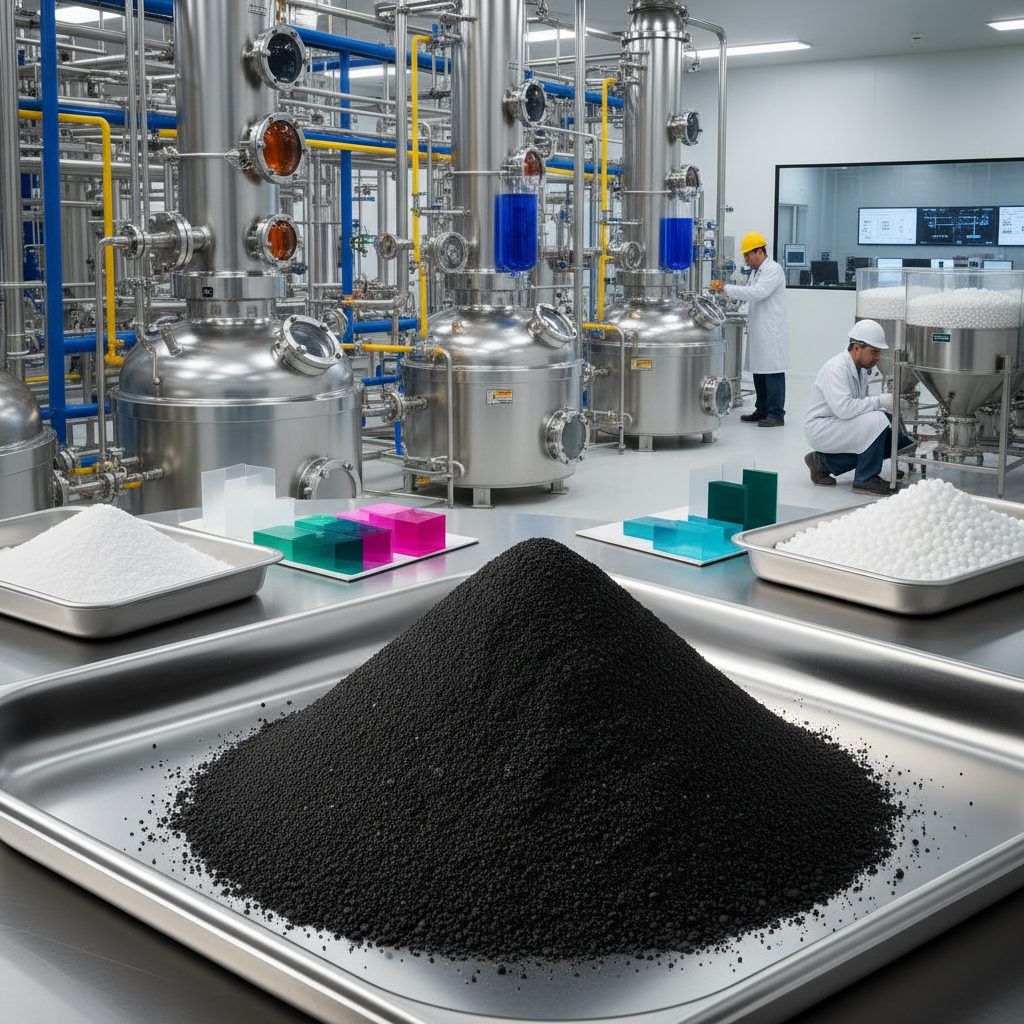

For industrial procurement managers, understanding the xanthan gum price per ton is critical for maintaining budget stability in food, pharmaceutical, and oil drilling sectors. As a high-efficiency polysaccharide, this stabilizer's cost is influenced by a complex interplay of fermentation efficiency and global supply chain stability. This guide provides a comprehensive analysis of how various factors determine the current market valuation of these additives.
The volatility of industrial chemical pricing often stems from fluctuations in feedstock costs and energy requirements. In the context of B2B sourcing, the total cost of ownership extends beyond the initial quote, encompassing purity levels, viscosity grades, and the reliability of the manufacturer's quality management system. Businesses must evaluate whether a lower unit price correlates with reduced stability or higher impurity levels that could jeopardize final product quality.
In the following sections, we will examine the primary drivers of cost for high-grade thickeners, provide a framework for evaluating supplier quotes, and discuss the operational impacts of choosing different product specifications. By the end of this analysis, procurement officers will be better equipped to negotiate contracts and forecast expenditure based on industry-standard cost drivers.
Understanding Hydrocolloid Market Dynamics
The market for microbial polysaccharides is characterized by a high degree of technical specialization. Unlike simple chemical salts, the production of these stabilizers involves complex fermentation processes using specific strains of bacteria. The efficiency of these biological conversions directly dictates the baseline cost. Market dynamics are further influenced by the shift toward clean-label ingredients, which has increased demand for high-purity, non-GMO versions of these stabilizers, often commanding a premium over industrial-grade alternatives. Additionally, the global distribution of production hubs means that regional geopolitical stability and shipping costs play a significant role in the landed cost of materials. For companies integrating these into high-performance applications, such as oil field fracking or pharmaceutical suspensions, the requirement for consistency across batches often outweighs the desire for the absolute lowest price, leading to a market split between commodity-grade and specialty-grade materials.
Analyzing Cost Drivers for Thickening Agents
Determining the actual xanthan gum price per ton requires a granular look at the manufacturing process and the specific requirements of the end-use application. Cost is rarely a static figure; it is a variable result of several technical and commercial inputs.
Raw Material Influence
The primary cost component is the carbon source used during fermentation, typically corn starch or glucose. Fluctuations in agricultural commodity markets directly translate to changes in chemical production costs. High-purity requirements also necessitate more expensive, refined feedstocks to prevent contamination.
| Feedstock Type | Cost Impact | Quality Result | Best Application |
|---|---|---|---|
| Industrial Glucose | Baseline | Standard Purity | Oil & Gas Drilling |
| Pharmaceutical Grade | High | Ultra-Pure | Injectable Drugs |
| Food Grade (Non-GMO) | Medium-High | Certified Pure | Organic Foods |
| Technical Corn Starch | Low-Medium | Variable | Industrial Paints |
| Refined Sucrose | Medium | High Clarity | Clear Cosmetics |
| Custom Bio-substrates | Very High | Specialized Viscosity | Advanced Bio-tech |
Production Energy Costs
Fermentation is an energy-intensive process requiring precise temperature control and continuous aeration. In regions where electricity or natural gas prices spike, manufacturers often pass these operational expenses to the buyer. The duration of the fermentation cycle also affects the cost; longer cycles used to achieve higher molecular weights typically increase the energy footprint per ton.
Grade and Purity Variations
The "price per ton" varies wildly based on the grade. Food-grade materials require strict adherence to hygiene standards and rigorous testing for microbial contaminants. Pharmaceutical grades require even more stringent purification steps, such as advanced filtration and acid-washing, which significantly increase the cost relative to technical grades used in industrial wastewater treatment.
Logistics and Hazardous Transport
While the stabilizer itself is not hazardous, the overall logistics strategy of a chemical supplier affects the price. Companies like Shandong Jiuzhou Chemical, which maintain professional transport capacities for dangerous goods and a standardized quality management system, can optimize the integrated supply chain, potentially reducing the overhead costs associated with multi-modal shipping and warehousing.
Market Demand Cycles
Seasonality affects pricing. For instance, spikes in the food processing industry during certain quarters can tighten supply, driving prices upward. Similarly, increased activity in the energy sector can lead to a surge in demand for drilling-grade thickeners, causing short-term price volatility in the bulk market.
Regulatory Compliance Costs
Compliance with international standards (such as FCC or USP) adds to the cost. The investment in international advanced quality testing equipment and instruments ensures that products meet global standards, but the cost of maintaining these certifications and conducting frequent lab analyses is factored into the final ton price.
Bulk Procurement Strategies
Volume is the most direct lever for price reduction. Purchasing by the ton rather than by the kilogram allows buyers to benefit from economies of scale. However, procurement officers must balance bulk discounts against the risk of material degradation if the product is stored beyond its optimal shelf life in suboptimal warehouse conditions.
FAQ
What primarily causes fluctuations in xanthan gum pricing?
Price fluctuations are primarily driven by the cost of raw carbon sources (like corn or glucose), energy prices for fermentation, and shifts in global demand from the food and oil industries. Regulatory changes and shipping costs also contribute to regional price differences.
How does the grade of the product affect the cost per ton?
Grades are priced based on purity and certification. Technical grade is the cheapest, followed by food grade, with pharmaceutical grade being the most expensive due to the intensive purification and testing required to meet medical safety standards.
Is it better to buy in bulk or on-demand for these stabilizers?
Bulk purchasing typically offers a lower price per ton. However, this depends on your storage capacity and the product's shelf life. For most industrial users, quarterly bulk contracts provide a balance between cost savings and freshness.
Do shipping and logistics impact the final delivered price significantly?
Yes, especially for international shipments. The cost of freight, customs duties, and the use of specialized transport vehicles for chemical products can add a significant percentage to the base factory price.
How can I verify if a low price quote indicates poor quality?
Check the Certificate of Analysis (CoA). Specifically, look at the viscosity, purity levels, and microbial counts. If a quote is significantly below market average, it may indicate a lower-grade material or a lack of standardized quality control.
What role does manufacturing technology play in the price?
Advanced automation and high-standard production lines reduce waste and improve consistency. While the initial investment in such technology is high, it often allows manufacturers to offer more competitive and stable pricing over the long term.
References and further reading
- International Journal of Biological Macromolecules - Studies on Microbial Polysaccharide Production.
- Global Chemical Market Analysis Reports on Hydrocolloids and Stabilizers.
- Food and Drug Administration (FDA) guidelines for Food Grade Additives.
Related Articles