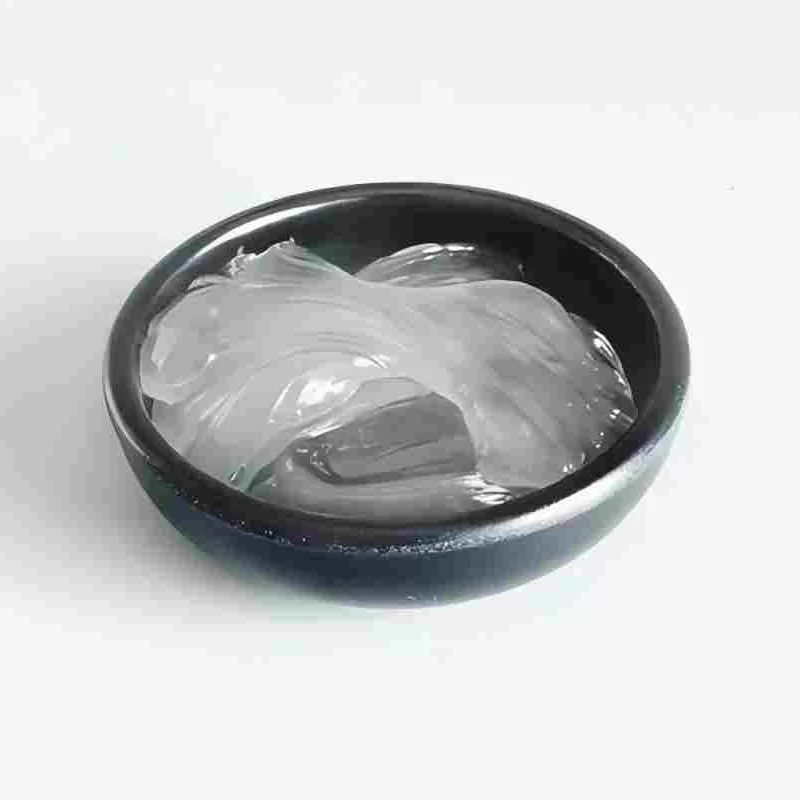
Product keywords : Sodium cyanide Activated carbon Silver Mercury

Austria's Premier Solutions for Calcium Hypochlorite Production

Delivering High-Quality Inorganic Salts to Austria's Industries

Current Landscape of Inorganic Salt Manufacturing in Austria

An Overview of the Austrian Chemical Industry

Austria's chemical industry is a vital component of its manufacturing sector, characterized by a strong focus on specialty chemicals and high-value-added products. The inorganic salt manufacturing segment serves a diverse range of industries, including water treatment, agriculture, pharmaceuticals, and food processing. Due to Austria's stringent environmental regulations, manufacturers are increasingly adopting sustainable production practices and investing in eco-friendly technologies. The demand for aluminum sulfate is particularly high in water purification.

The Austrian market is relatively small, but benefits from its central location within Europe and access to key transportation networks. This allows for efficient distribution of products to neighboring countries. Competition is moderate, with a mix of local and international players. Demand for chemicals like benzoic acid is increasing because of its use in food preservatives and the pharmaceutical industry.

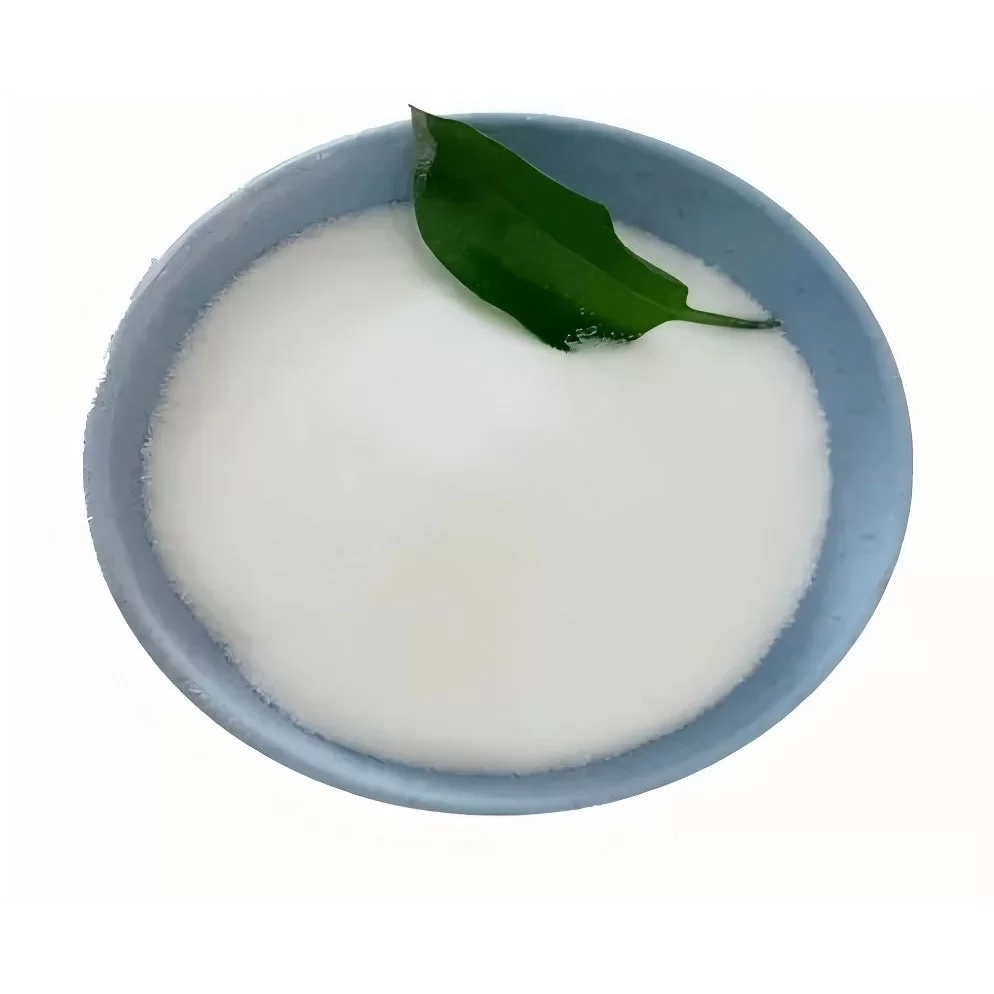
Austria’s commitment to quality and innovation drives the demand for high-purity inorganic salts. The sector faces challenges related to rising energy costs and the need to comply with evolving EU regulations. The use of xanthan gum in food production is rising due to increased health consciousness of the population.
Historical Development and Evolution of Inorganic Salt Production in Austria

Tracing the Technological Advancements

Market Development History

Historically, inorganic salt production in Austria was largely based on traditional mining and extraction methods. The early 20th century saw the introduction of basic chemical synthesis processes, primarily focused on producing common salts like sodium chloride and potassium chloride. Post-World War II, there was a gradual shift towards more complex inorganic salts and specialty chemicals, driven by the needs of a growing industrial base.

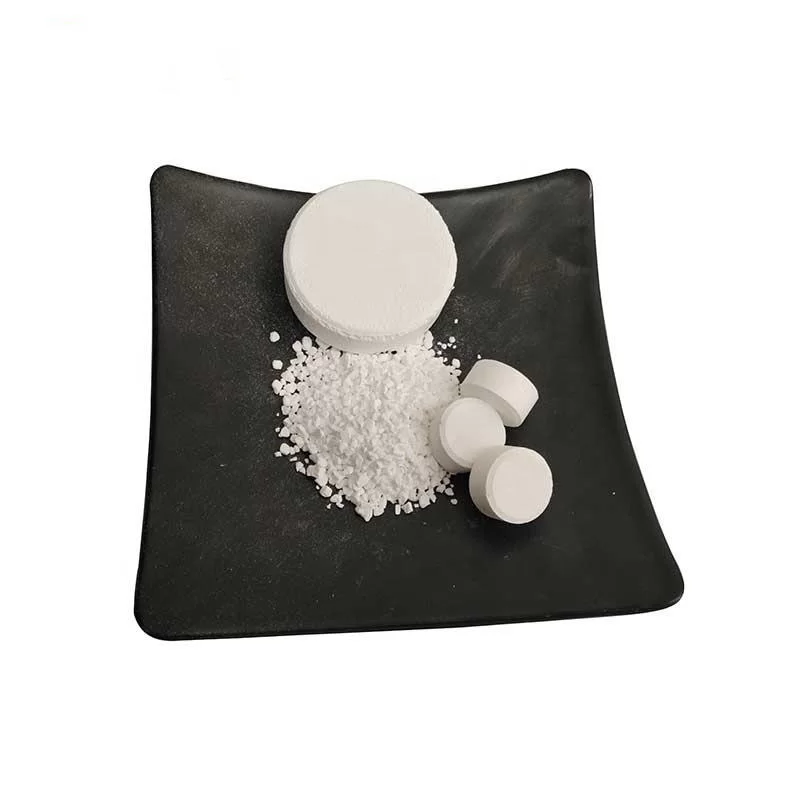
The 1980s and 90s witnessed significant investments in automation and process control technologies, leading to increased efficiency and product quality. The rise of environmental awareness during this period also spurred the development of cleaner production processes. Calcium hypochlorite became essential for water treatment and hygiene.

In the 21st century, the focus has shifted towards sustainability, digitalization, and the development of customized solutions. Nanotechnology and advanced materials are increasingly being incorporated into inorganic salt production, enhancing their properties and expanding their applications.

Future Development Trends

Green Chemistry and Sustainable Practices

Future trends will center around green chemistry principles, minimizing waste, and reducing the environmental footprint of production processes. The adoption of renewable energy sources and the development of closed-loop systems will be crucial.

Digitalization and Automation

Increased automation, real-time monitoring, and data analytics will optimize production processes and improve product quality. AI-powered systems will predict maintenance needs and optimize resource allocation.

Specialization and Customization

A growing demand for customized inorganic salt solutions tailored to specific industry applications will drive specialization and innovation. Developing salts with unique properties and functionalities will become increasingly important.

Industry Trends and Future Outlook for Inorganic Salts in Austria

A Look Ahead

Increased Demand for Water Treatment Chemicals
Austria’s commitment to water quality and environmental protection will drive demand for chemicals like calcium hypochlorite and aluminum sulfate.
Growing Pharmaceutical Sector
Austria's thriving pharmaceutical industry will increase demand for high-purity benzoic acid and other specialty inorganic salts.
Sustainability and Circular Economy
A focus on sustainability will drive the adoption of circular economy principles, including the recycling and reuse of inorganic salts.
Food Industry Growth
The growing Austrian food processing industry will increase the demand for food-grade xanthan gum and other additives.

Industry Outlook

The Austrian inorganic salt market is expected to experience moderate growth over the next 3-5 years, driven by the factors outlined above. Companies that prioritize sustainability, innovation, and customer-specific solutions will be best positioned to succeed. Regulatory compliance and efficient supply chain management will also be critical.

The overall economic climate in Austria and the wider European region will influence the pace of growth. Geopolitical factors and potential disruptions to supply chains pose risks that need to be carefully managed.

Local Application Scenarios for Inorganic Salts in Austria

Real-World Use Cases

1. Water Treatment in Vienna

Vienna's municipal water treatment plants utilize calcium hypochlorite and aluminum sulfate for disinfection and coagulation, ensuring the provision of safe and clean drinking water to the city's residents.

2. Food Preservation in Styria

Food producers in Styria, known for its agricultural output, employ benzoic acid as a preservative in various food products, extending their shelf life and reducing food waste.

3. Pharmaceutical Manufacturing in Salzburg

Pharmaceutical companies in Salzburg utilize high-purity inorganic salts, including various sulfates and chlorides, as key ingredients in the production of medications and active pharmaceutical ingredients (APIs).

4. Oil and Gas Extraction in Upper Austria

The oil and gas industry in Upper Austria utilizes xanthan gum as a drilling fluid additive, enhancing viscosity and improving drilling efficiency.

5. Paper Manufacturing in Lower Austria

Paper mills in Lower Austria use aluminum sulfate in the papermaking process to improve paper strength and brightness.

Brand Story

Shandong Jiuzhou Chemical Co., Ltd.'s Global Development Journey

Commitment to Quality

Founded on a commitment to delivering consistently high-quality inorganic salts, Shandong Jiuzhou Chemical Co., Ltd. has become a trusted supplier to industries worldwide.

Innovation and R&D

We invest heavily in research and development, constantly seeking to improve our products and processes and develop innovative solutions for our customers.

Sustainable Practices

We are committed to sustainable manufacturing practices, minimizing our environmental impact and promoting responsible resource management.

Customer-Centric Approach

We prioritize customer satisfaction, providing tailored solutions and responsive support to meet the unique needs of each client.

Global Reach

With a global distribution network, we serve customers in diverse industries across continents.

Frequently Asked Questions about Inorganic Salts in Austria

Answers to Common Inquiries

What are the specific regulations regarding the import of calcium hypochlorite into Austria?

Import regulations for calcium hypochlorite are governed by EU REACH regulations and Austrian national laws related to biocidal products. Compliance requires proper registration and adherence to safety data sheet (SDS) requirements.

How does the purity level of benzoic acid impact its use in the pharmaceutical industry in Austria?

Pharmaceutical applications require benzoic acid with a very high purity level (typically >99.5%) to meet stringent quality standards and ensure patient safety. Impurities can interfere with drug formulations and potentially cause adverse reactions.

What are the environmental considerations for the disposal of aluminum sulfate waste in Austria?

Disposal of aluminum sulfate waste is regulated by Austrian environmental laws. Waste must be treated to reduce aluminum content and acidity before disposal to prevent contamination of soil and water resources.

What is the typical lead time for delivering xanthan gum to Austria from Shandong Jiuzhou Chemical?

Typical lead times for delivery to Austria range from 2-4 weeks, depending on the order volume, shipping method, and customs clearance procedures.

Are your inorganic salts certified to meet Austrian food safety standards?

Yes, we offer food-grade inorganic salts that are certified to meet Austrian and EU food safety standards, including relevant HACCP and ISO certifications.

What is the shelf life of your calcium hypochlorite products, and how should they be stored?

Our calcium hypochlorite products have a shelf life of approximately 2 years when stored in a cool, dry, and well-ventilated area, away from direct sunlight and incompatible materials. Proper storage is crucial to maintain product efficacy.

Get in Touch with Us

We are your trusted partner for high-quality inorganic salts in Austria. Contact us today to discuss your specific requirements.

Contact Us Now

If you are interested in our products, you can choose to leave your information here, and we will be in touch with you shortly.